Hangul is built to be learned, not admired from a distance. In this two-hour class at Namu Academy, Haerang’s Korean teaches you to combine consonants and vowels so you can begin reading Korean words and signs, while also learning why King Sejong created the alphabet to help ordinary people read.
I like two things in particular: the practical focus on reading, rather than a broad language course, and the way the lesson connects Hangul to Korean history. Tea, snacks and a Hangul book are included, too. One consideration: the class is taught in English, is open only to participants aged 13 and older, and is not available to Korean passport holders.
- Two hours, one clear goal: Learn how Hangul letters work together and aim to read simple Korean words.
- A teaching method built around the alphabet: Haerang’s Korean uses Hangul’s structure to make the material easier to grasp.
- History with a practical point: Learn about King Sejong’s effort to make reading accessible to ordinary people.
- Tea, snacks and a book included: You do not need to bring a textbook to take part.
- A useful Jongno location: Seochon, Gyeongbokgung Palace, Insadong and Cheonggyecheon are nearby.
- English-only instruction: The class is for ages 13 and up, and Korean passport holders are not eligible.
- Hangul is designed for a first step
- King Sejong’s alphabet, in context
- What happens during the two-hour lesson
- A teacher-led lesson, not self-study
- Use your new reading skills in Jongno
- What the price includes, and what it does not
- Who will get the most from this class
- Booking and planning notes
- Should you book the Hangul class?
- FAQ
- How long is the Hangul class?
- Is the class taught in English?
- Who can take part?
- What is included in the price?
- Do I need to buy a textbook before the lesson?
- How do I get to Namu Academy?
- The Best Of Seoul!
- More Tours in Seoul
- More Tour Reviews in Seoul
- Not for you? Here's more nearby things to do in Seoul we have reviewed
Hangul is designed for a first step
 1 / 6
 2 / 6
 3 / 6
 4 / 6
 5 / 6
 6 / 6
This is not a general Korean conversation class. It has a narrower, more achievable aim: help you understand the Korean alphabet and start reading it. The method focuses on Hangul’s consonants and vowels, then shows you how to combine them into written syllables.
That structure matters. If you have tried to memorize Korean characters from a chart, you may have found that recognition does not always turn into reading. A lesson that explains how the pieces fit can give you a more useful starting point than a list of symbols to study alone.
The class is designed for people who have found Hangul hard to learn by themselves. Its promise is not fluency in two hours. Rather, it is a short introduction that can help you sound out basic Korean writing and make sense of signs you encounter during your stay.
👉 See our pick of the 25 Best Guided Tours In Seoul
King Sejong’s alphabet, in context
Hangul has a clear connection to Korean history. King Sejong created it to help people in the Joseon Dynasty who did not know how to read and write. The class uses that story to give the alphabet a purpose beyond its role as a set of letters.
I like that context because it makes the lesson feel tied to the place you are visiting. You are not just learning how to read a shop sign; you are also learning about an effort to make literacy more accessible. That is a useful cultural detail to carry with you as you explore Seoul.
The historical element is a complement to the practical teaching, not a substitute for it. If your main goal is to learn useful Korean phrases, grammar or conversation, this is not the right class by itself. Choose it for Hangul and a short introduction to its background.
You can also read our reviews of more tours and experiences in Seoul.



What happens during the two-hour lesson
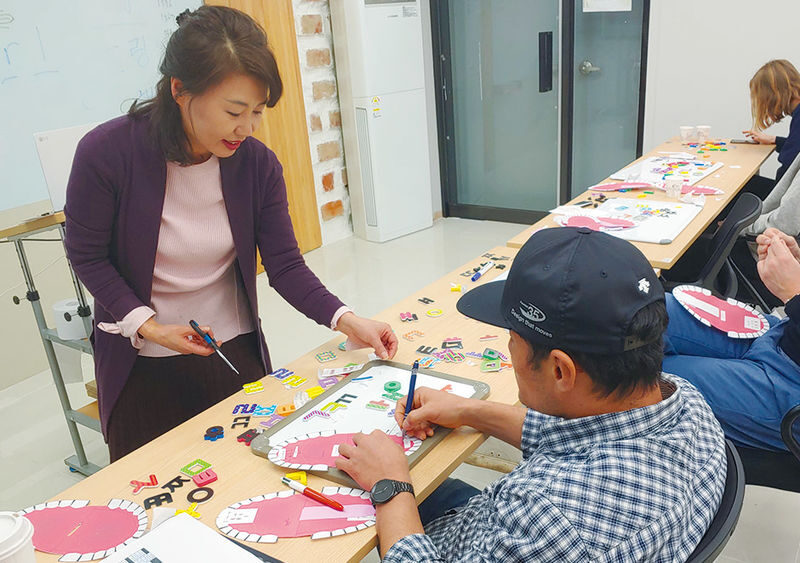
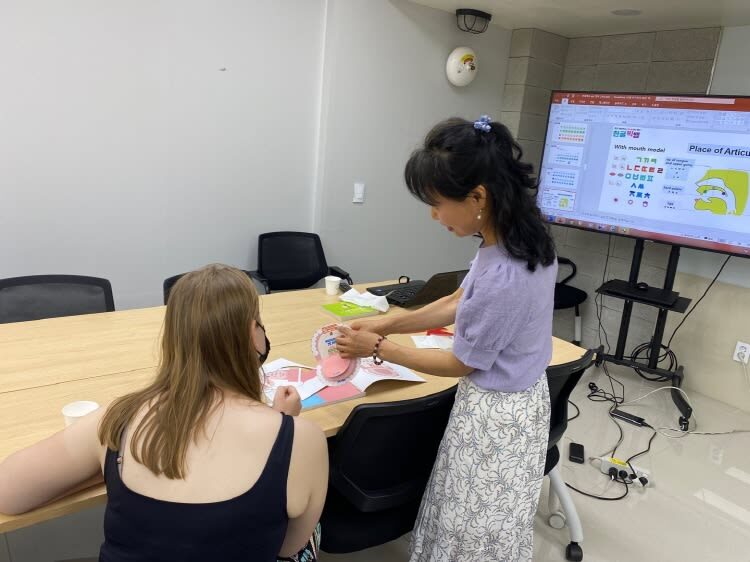
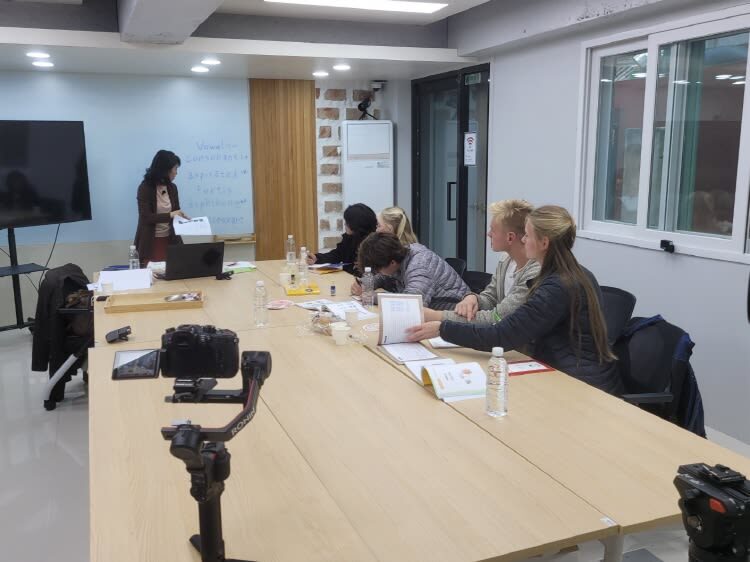
The class takes place at Haerang’s Korean, inside Namu Academy. Its central task is to help you read Hangul by learning the letters and combining consonants with vowels. The instruction is in English, and the program is designed for people who are new to the alphabet.
You should expect a focused lesson rather than a broad survey of Korean. The supplied details do not set out a minute-by-minute schedule, so there is no need to plan around a particular order of activities. The core promise is that a step-by-step method will help you start reading most Hangul in a short time.
Two hours is a sensible length for an introduction: enough time to work through the alphabet and try putting letters together, but short enough to fit into a day of sightseeing. You will still need practice afterward. Think of the class as a way to get started, not a guarantee that every Korean word will suddenly be easy.
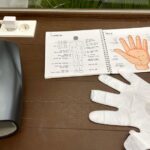
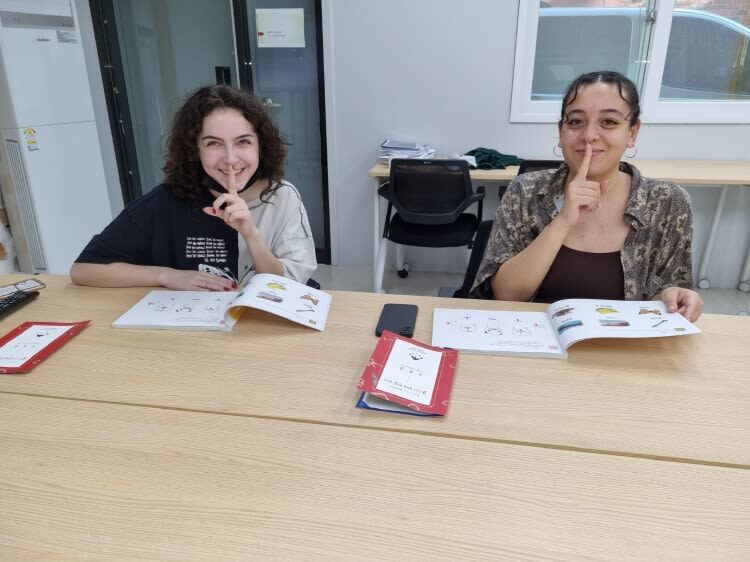
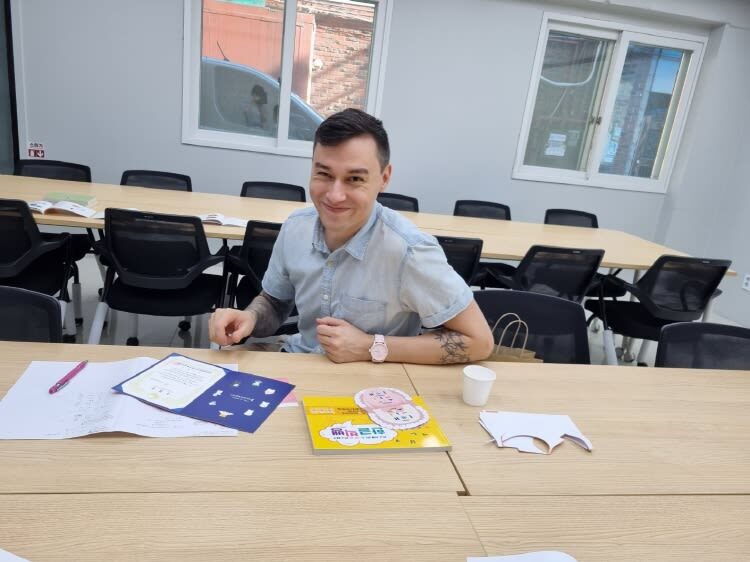
The class includes tea and snacks, which give you a small break during the lesson. A book called Hangul Big Bang is also provided, so you have a reference to take away and use as you practise.
A teacher-led lesson, not self-study
Haerang’s Korean was developed for people who struggle to study Hangul alone. That makes the teacher’s role important: you can follow an organized explanation instead of trying to guess how letters fit together from a page.
A class participant described the instruction as clear and step by step, and another noted that the teacher used creative examples to make the letters easier to remember. One person who had struggled with self-study said they could read afterward. Those results will vary, of course, but they point to the class’s main strength: having someone guide you through a system that can feel confusing when you first meet it.
The teacher is referred to as Haerang in the program name and as Heirang in one account, so you may see either spelling. The available information does not give a group size, so I would not assume you are booking a private lesson or a particular class format.
Use your new reading skills in Jongno
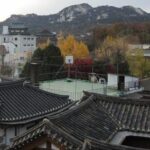
Namu Academy is at 1F, 10-5 Jahamun-ro 10-gil, Jongno-gu. The area gives you several good options for the rest of the day: Seochon, Gyeongbokgung Palace, Insadong and Cheonggyecheon are all listed as nearby attractions.
That setting makes the class easy to pair with sightseeing. You can learn the alphabet, then look for opportunities to recognize Korean writing as you explore. Reading a sign is a modest skill, but it can make a neighborhood feel less like a collection of unfamiliar symbols and more like a place you can begin to navigate.
The meeting point is near Gyeongbokgung Palace Station on Subway Line 3. From Exit 3, go straight, enter the alley by the Tongui-dong post office on Jahamun-ro 8-gil, continue for one block and turn left. Namu Academy is opposite Tae Jinbok House.
Allow time to find the entrance, especially if you are unfamiliar with the area. One person had a difficult journey getting to class and nearly gave up after trouble arranging a taxi and finding directions. The station route is specific, so it is worth checking it before you set off rather than relying only on a taxi driver or a broad map pin.
What the price includes, and what it does not
The listed price is from US$49.79, while the package price is also shown from US$45.25. Since those figures differ, check the amount at checkout for your chosen date. At roughly the mid-$40 to $50 range, you are paying for a two-hour guided lesson, an English-speaking staff member, tea and snacks, and the Hangul Big Bang book.
That is reasonable value if you want a teacher to organize the material and help you make sense of Hangul quickly. The book gives you something to review afterward, which is more useful than leaving with only a few notes. If you are comfortable learning from free online material, the price may be harder to justify. The value is the guided explanation and structured start.
A separate English-language Korean textbook is not required for the class. You can buy one on site for 10,000 won, using cash or a card. Other personal expenses are not included.
A participant also described receiving a small certificate at the end of class. Since it is not listed among the included items, treat it as a possible extra rather than something guaranteed.





Who will get the most from this class
This experience is a good fit if you are curious about Korean writing, want a practical introduction before exploring Seoul, or have tried to learn Hangul on your own without making much progress. It also suits visitors who enjoy understanding the cultural story behind what they see, not just collecting facts about a destination.
The age rule is firm: participants must be at least 13. The lesson is conducted in English, not Chinese or Japanese, so you will need to be comfortable following instruction in English. The offer is not available to Korean passport holders.
If you want a full language course, this is too short. You will not leave speaking Korean fluently, and no class can replace practice. But for a manageable first step, reading simple signs and understanding how the alphabet works are useful goals.
Booking and planning notes
Your voucher is valid only for the specified date and, where applicable, time. Show your mobile voucher when you arrive. Confirmation is expected within minutes; if it does not appear, contact customer support.
If the date or time you want cannot be booked, the customer service team will contact you by email. The stated cancellation terms allow a full refund when you cancel at least 72 hours before the activity, using Seoul local time. Check the current terms with customer support if you need more detail.
Plan your day around the two-hour lesson, with a little extra time to reach Namu Academy. Since the class is in Jongno, you can make a half-day of it by pairing the lesson with one of the nearby sights rather than crossing the city just for a short activity.
Should you book the Hangul class?
Book it if you want a focused, English-language introduction to Hangul and like the idea of putting your first reading skills to use around Jongno. The combination of a clear learning goal, historical context, included book and handy location gives the class more purpose than a quick alphabet chart.
Skip it if you are seeking conversation practice, a broad Korean course or instruction in Chinese or Japanese. Also check the final price before paying, since the advertised starting figures differ. For the right learner, this is a practical way to make Korean writing feel less mysterious before heading back out to explore Seoul.
Seoul Jongno Experience learning Korean Alphabet(Hangul)
“I had a wonderful time. I had struggled to learn on my own, so when the teacher said, 'You will definitely be able to read,' I wondered if it was t…”
FAQ
How long is the Hangul class?
The class lasts two hours.
Is the class taught in English?
Yes. The lesson is conducted in English, not Chinese or Japanese.
Who can take part?
Participants must be aged 13 or older. The offer is not available to Korean passport holders.
What is included in the price?
The package includes an English-speaking staff member, the two-hour Hangul lesson, tea and snacks, and a Hangul Big Bang book.
Do I need to buy a textbook before the lesson?
No. A textbook is not required. An English-language Korean textbook can be purchased on site for 10,000 won, with cash or card.
How do I get to Namu Academy?
Take Subway Line 3 to Gyeongbokgung Palace Station and leave by Exit 3. Go straight, enter the alley by the Tongui-dong post office on Jahamun-ro 8-gil, continue for one block and turn left. Namu Academy is opposite Tae Jinbok House.