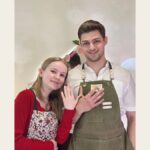
Mangwon Market is the opening act here, not just a place to buy ingredients. Chef Pano leads you through local food shops, points out Korean specialties, and helps you choose what goes into the cooking lesson. Then you trade the market aisles for a studio and make a traditional meal yourself.
I like two things in particular: the market walk gives context to the ingredients, and Chef Pano’s Michelin-star restaurant background brings care to practical skills such as knife work, frying, and plating. The class is in English and geared to hands-on guidance, so beginners need not arrive with kitchen confidence.
One consideration: the market portion can feel short if you want a long food crawl, and the class appears to focus on a limited set of dishes, often jeon. The advertised duration is about 2.5 to 3 hours, so plan for a substantial activity rather than a quick cooking demo.
- Start at Mangwon Station Exit 2: Meet Chef Pano by the Connecting Mangwon sign, then walk together to the market.
- Shop and sample: Learn about ingredients and local specialties, with snack stops that can include Korean street foods.
- Make jeon by hand: Chef Pano demonstrates the process and helps with technique, from knife handling to frying.
- Eat what you cook: Portions can be generous, and the meal is a natural chance to talk with the chef and fellow participants.
- Bring home useful know-how: A recipe book is included, and no ingredients or equipment need to be prepared in advance.
- A market walk with a cook’s eye
- From shopping bags to the cooking studio
- Eating together is part of the lesson
- Chef Pano’s teaching style and what beginners should expect
- Timing, meeting point, and the details to check
- Is the price good value?
- Who should book Chef Pano’s Mangwon class
- FAQ
- Where does the class meet?
- How long does the experience last?
- What time are the sessions?
- What food will I learn to cook?
- Are ingredients and cooking equipment included?
- Can I request a vegan meal or mention an allergy?
- Who can take part, and what is the cancellation policy?
- The Best Of Seoul!
- More Shopping Tours in Seoul
- More Tours in Seoul
- More Tour Reviews in Seoul
- Not for you? Here's more nearby things to do in Seoul we have reviewed
A market walk with a cook’s eye
 1 / 2
 2 / 2
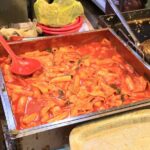
Mangwon Market is a working neighborhood market, and the tour puts food shopping at the center of the experience. Chef Pano guides you through stalls and specialty shops, explaining ingredients and how they fit into Korean cooking. The appeal is less about racing through a checklist of sights and more about learning what to notice when you shop for Korean food.
Specific stops can bring the market to life. The walk may include a sesame oil shop or a snack stand, with chances to try local treats such as hotteok or walnut bread. The chef has also introduced participants to other foods they had not tried before. Stops and tastings can vary, so consider them a welcome bonus rather than a fixed menu.
This part is especially useful if you are new to Korean ingredients. Instead of seeing unfamiliar vegetables, sauces, and pantry goods as a wall of choices, you get a guide to what they are and how a cook might use them. You can also ask questions in English and learn about shops the chef likes to use.
Keep your expectations in proportion. The market tour is one part of a cooking class, not a stand-alone, slow-paced market expedition. If you want plenty of time to browse every aisle or eat your way through a long list of stalls, you may want to return on your own afterward. That is easy to do: the meeting point and return point are both Mangwon Station.
👉 See our pick of the 25 Best Guided Tours In Seoul
From shopping bags to the cooking studio
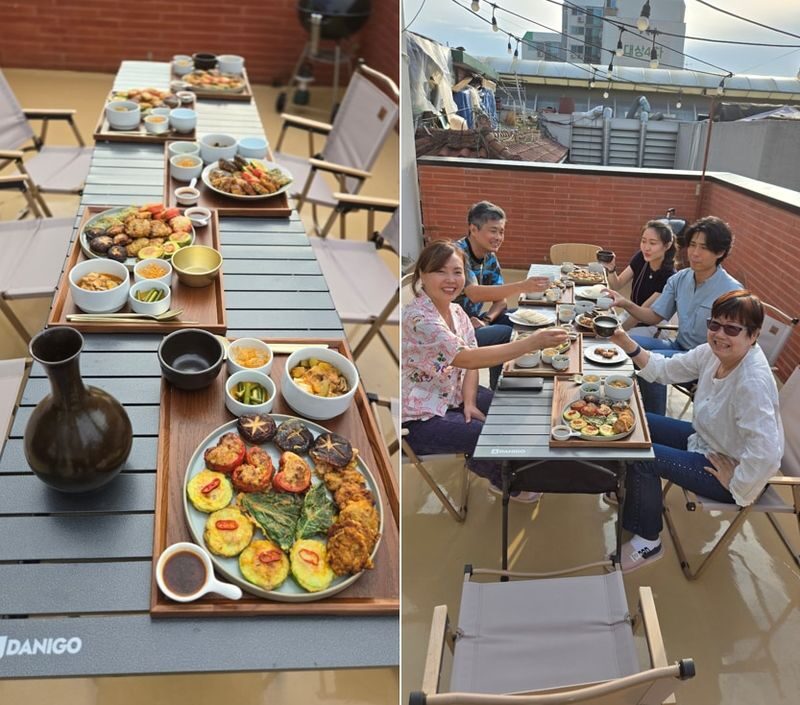
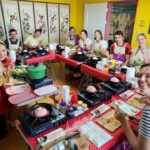
After the market walk, the group heads to Chef Pano’s studio near Mangwon Market. The space has been described as clean, bright, and comfortable, with a rooftop terrace where the group can share the finished meal. That makes the change of scene part of the experience: you see ingredients in their market setting, then work with them in a dedicated kitchen.
The schedule begins with a brief introduction to the market and the dishes you will prepare. A short presentation and cultural background may set the scene before the hands-on work starts. This helps connect a recipe to everyday food traditions, rather than treating it as a set of steps to memorize.
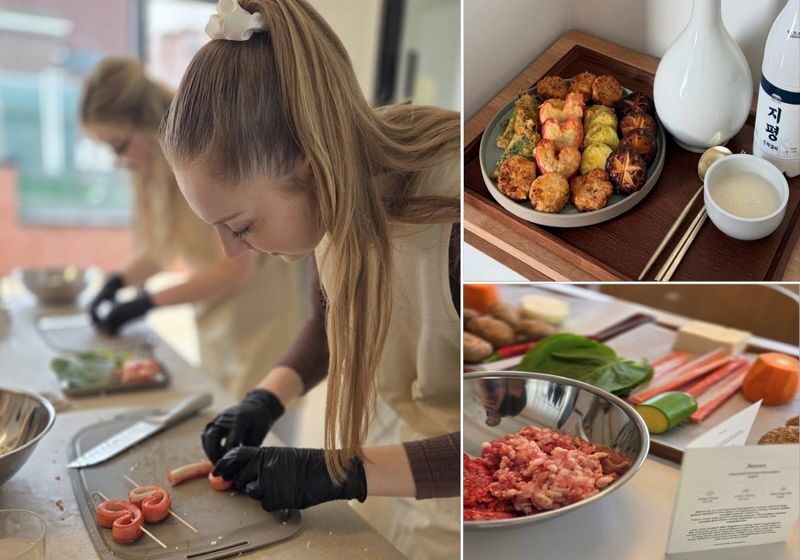
The class is designed for participation. You prepare the food yourself, while Chef Pano demonstrates and offers help along the way. His restaurant training shows up in the attention to technique: he may correct how you hold a knife, explain a cut, or show how to manage the frying process. Beginners get clear guidance; more confident home cooks can pay attention to the small choices that make a dish turn out better.
Jeon, Korean savory pancakes, feature prominently in the class. They are satisfying to make because you can see the result take shape as you work, and the method offers useful lessons in preparation and frying. The class is not described as an advanced restaurant course, but the chef’s professional background adds precision to what could otherwise be a simple home-cooking lesson.
You should not assume every session will cover exactly the same menu. The experience is described as making traditional Korean dishes, and jeon is the dish most often associated with it. If you have a particular dish in mind, ask before booking rather than expecting a specific recipe.
You can also read our reviews of more shopping tours in Seoul



Eating together is part of the lesson
Once the cooking is done, you sit down and eat what you have made. This is more than a convenient end to the class: sharing the meal lets you taste the effects of the techniques you just practiced and ask questions while the food is in front of you. The rooftop terrace can make this a pleasant change of pace after time in the kitchen.
Portions may be generous. Some participants have had enough food to take leftovers away, but you should not count on a takeaway meal as a guaranteed inclusion. The listed inclusions are the market tour, cooking class, and recipe book; other personal expenses are not included.
The meal also gives the class a social side. You can talk with Chef Pano about Korean food and culture, and the format includes time to connect with other participants. If you are traveling alone, this can be an easy, low-pressure way to share a meal with people who are also curious about local food.
Chef Pano’s teaching style and what beginners should expect
The class is promoted as a small, English-speaking experience with personalized guidance. Chef Pano’s approach appears patient and supportive, with demonstrations and hands-on help rather than a long lecture followed by a test. That balance matters if you are not used to cooking or worry that a language barrier will make instructions hard to follow.
You will not need to bring ingredients, kitchen tools, or special preparation. Everything required for the market visit and cooking activity is provided, and a recipe book is included so you can revisit the dishes later. The lessons can cover practical skills such as knife handling, vegetable cutting, frying, and plating, alongside explanations of Korean food customs and ingredients.
Expect a cultural exchange as well as a cooking session. Conversation can range from food traditions to Korean language, customs, and local recommendations. You are not signing up for a formal culinary qualification, but you should leave with a clearer sense of how Korean food is bought, prepared, and shared.
Timing, meeting point, and the details to check
The listed sessions are a lunch option at 10:30 and an evening option at 15:00, available daily. The overall duration is given as about 2.5 to 3 hours. The detailed morning schedule shows a 10:20 meeting, with a return to Mangwon Station around 13:00 to 13:20. As those times vary across the activity information, check the time on your confirmed voucher before setting your day’s plans.
Meet at Mangwon Station, Exit 2, on Subway Line 6, rather than going directly to the cooking studio. Look for Chef Pano holding a Connecting Mangwon sign and arrive 10 minutes before the stated departure time. The address shown for the studio is not the tour’s meeting point, an easy detail to miss if you navigate only by address.
Punctuality matters. The activity information says late arrivals and no-shows are not refundable, so leave a little slack for finding the correct exit. The route or schedule may also change with traffic or weather.
Participants must be at least 15 years old, and the offer is not available to Korean passport holders. If you have allergies, follow a vegan diet, or have another dietary request, tell the organizer when you book so they can prepare accordingly. The price is per person, and the stated cancellation terms offer a full refund for cancellations made at least 72 hours before the activity, using local time.
Is the price good value?
The price information gives two starting figures: $91.15 in the experience summary and $82.85 for the Delight Cooking Class package. Prices can change, so check the amount shown for your date and selected session before paying.
To judge value, count what the fee covers: a guided market visit, food sampling opportunities, a hands-on lesson led by a chef with a Michelin one-star background, the meal you make, and a recipe book. You also get the benefit of an English-speaking guide who can explain both ingredients and technique. For someone who would otherwise book a cooking class and explore a market separately, combining the two can make good use of half a day.
It is less compelling if your main goal is a long market tour, a broad multi-dish cooking curriculum, or the lowest-cost way to eat Korean food. The experience is about learning and interaction as much as the plate at the end. Its value lies in having a chef explain the food while you shop, cook, and eat.
You can also read our reviews of more tours and experiences in Seoul



Who should book Chef Pano’s Mangwon class
I would put this class high on the list for anyone who wants a practical introduction to Korean food, especially if you like learning by doing. It suits curious beginners, food-minded couples, solo participants who enjoy meeting people, and home cooks who want to sharpen basic techniques. The age minimum is 15, so it is not aimed at younger children.
You may prefer to skip it if you are short on time and want only a market snack stop, or if you expect a long list of dishes and a full culinary workshop. The market tour is relatively brief, and the cooking centers on a focused traditional meal rather than an expansive menu.
For a first Seoul visit, the class can be a useful early trip activity: the market orientation and food conversation may give you ideas for what to seek out during the rest of your stay. Book it if you value a chef-led, hands-on meal and are happy to spend a few hours learning one slice of Korean cooking well.
Cooking Class in Mangwon Market with a Trained Michelin-Starred Chef
“we thoroughly enjoyed the experience and had fun with the whole event. The chef told us a lot of interesting information while shopping in the mark…”
FAQ
Where does the class meet?
Meet at Mangwon Station, Exit 2, on Subway Line 6. Look for Chef Pano holding a Connecting Mangwon sign. The cooking studio address is not the meeting point.
How long does the experience last?
The activity takes about 2.5 to 3 hours. The morning schedule lists a 10:20 meeting and a return to Mangwon Station around 13:00 to 13:20.
What time are the sessions?
The listed lunch session starts at 10:30, and the evening session starts at 15:00. Confirm your exact meeting time on your voucher.
What food will I learn to cook?
You will make traditional Korean dishes, with jeon, or Korean savory pancakes, featuring prominently in the class. The exact menu is not specified as identical for every session.
Are ingredients and cooking equipment included?
Yes. Ingredients and cooking supplies needed for the market tour and class are provided, and a recipe book is included. You do not need to bring special equipment or prepare in advance.
Can I request a vegan meal or mention an allergy?
Yes. Tell the organizer about allergies, vegan requirements, or other dietary requests when you make your reservation so they can prepare accordingly.
Who can take part, and what is the cancellation policy?
Participants must be at least 15 years old, and the activity is not available to Korean passport holders. A full refund is available if you cancel at least 72 hours before the activity date, using destination local time.