Gangnam is often sold as a symbol of Korean success: sleek buildings, luxury shopping and the global afterlife of a certain horse dance. This tour looks past that surface to ask what the country’s rapid rise has cost young people, and how pressures around school, work, housing and appearance shape daily life.
I like two things here: the guide connects social questions to the streets around you, and the conversation leaves room for questions rather than delivering a canned lecture. Guides Jessica and June are praised for clear explanations, personal perspective and humor, which helps serious subjects feel approachable.
The trade-off is that this is a conversation-led walk, not a tour of major sights. You’ll use public transportation and spend much of the time listening, so it may not suit anyone looking for photo stops, shopping time or a light outing for young children.
- What makes this Gangnam tour different
- Starting at the Gangnam Style Horse Dance Stage
- Reading Gangnam beyond its glossy image
- Education, housing and the pressure to keep up
- Beauty standards and the costs of appearance
- The guide makes or breaks the experience
- A walk with a subway ride, not a landmark circuit
- Is .10 good value?
- Who should book this walk?
- Practical details before you go
- Should you book the Gangnam youth and society tour?
- FAQ
- Where does the tour start?
- What language is the tour in?
- What topics does the guide cover?
- Is transportation included in the price?
- How long does the tour take?
- Can children join?
- What should I bring?
- The Best Of Seoul!
- More Tours in Seoul
- More Tour Reviews in Seoul
- Not for you? Here's more nearby things to do in Seoul we have reviewed
What makes this Gangnam tour different
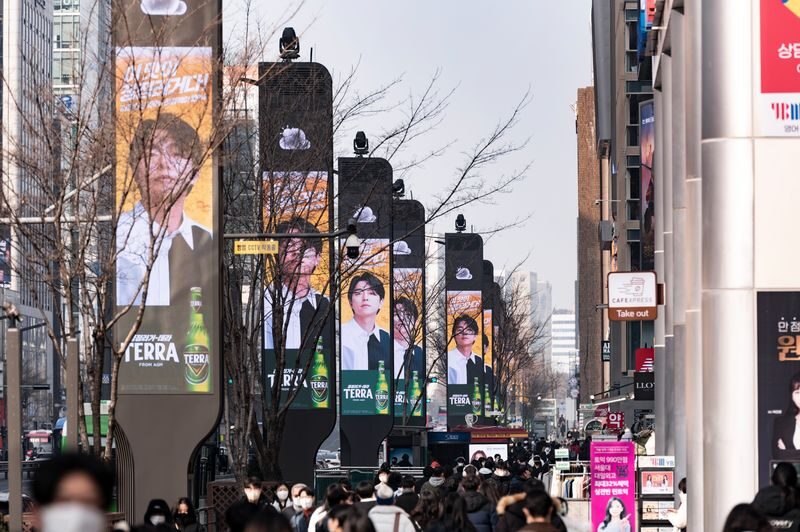
- Gangnam as everyday Seoul: The route uses local areas rather than concentrating on the district’s best-known tourist stops.
- Social questions, not just scenery: Topics include education pressure, housing costs, work life, beauty standards, low birth rates and suicide rates.
- Guides with a personal point of view: Jessica and June have led tours, sharing context and, at times, their own experiences.
- A subway ride is part of the outing: Bring a transit card or cash for the fare. The stated amount differs between the tour details, so check the current fare before you go.
- A manageable but serious walk: The route is described as easy, though it involves walking and subway access. Expect roughly two to three hours based on the time described by participants.

👉 See our pick of the 25 Best Guided Tours In Seoul
Starting at the Gangnam Style Horse Dance Stage
The meeting point is the Gangnam Style Horse Dance Stage, a fitting place to begin a tour about the gap between Korea’s international image and life beneath it. From there, the guide takes you into parts of Gangnam that are not the usual headline attractions.
That choice matters. Gangnam can look like a polished showcase of prosperity if you stick to its grand commercial streets. A walk through ordinary local areas gives the guide a more useful backdrop for explaining how the district fits into wider Korean life.
Don’t expect a fixed sequence of famous landmarks. The route’s purpose is to make social themes concrete, not to tick off sights. The exact stops are not specified, and the route may vary, so think of the neighborhood as the setting for a guided discussion rather than the main event.
You can also read our reviews of more tours and experiences in Seoul.



Reading Gangnam beyond its glossy image
Gangnam is more than a pop-culture shorthand for wealth. On this tour, you consider what the district means to Koreans and how visible affluence can sit alongside intense competition and pressure.
The guide discusses the side effects of the country’s economic achievements. That framing helps make the subject more balanced: Korea’s development has brought major changes, but the tour asks what challenges remain and who bears their weight.
Expect frank talk about why a wealthy country can also face serious social strains. Subjects include high suicide rates, a low birth rate and the pressure placed on young people. These are difficult topics, but the tour treats them as part of understanding the society rather than as shock material.
Education, housing and the pressure to keep up
Education is one of the central themes. The guide explains the intensity of the school system and the role of cram-school culture, connecting academic competition with expectations that can begin early and continue into adult life.
Housing is another part of the picture. The tour brings up high prices in Gangnam and broader pressures in the housing market. For you, this context can explain why conversations about work, family and the future may sound different from the bright image of Seoul presented in entertainment.
Work and social inequality also come into the discussion. The route is not a classroom, and the guide’s job is to make these subjects understandable through examples and local context. Several accounts describe the presentation as organized and supported by data, though the precise material can depend on the guide and the group’s questions.
Beauty standards and the costs of appearance
The tour also looks at Korea’s emphasis on beauty and the prevalence of plastic surgery. Rather than treating appearance as a quirky cultural detail, it connects beauty standards to social expectations and the pressures people face.
One guide has even used a public-transit announcement about plastic surgery as a prompt to link an everyday moment with the day’s subject. That sort of connection is the tour’s strength: ordinary surroundings can open a discussion that would be hard to get from a standard sightseeing route.
Keep in mind that this is a broad social conversation, not a specialist lecture on cosmetic medicine or media. If beauty culture is the only topic you want to explore, this tour covers much more than that. If you want to understand how it fits into a larger set of social expectations, it’s a useful part of the story.
The guide makes or breaks the experience
The subject matter is weighty, so the guide’s manner matters. Jessica and June are repeatedly praised for explaining complex issues in clear language, handling questions patiently and using humor without making light of the issues themselves.
Some guides share personal experience as well as social context. That can give you a more human view of the subjects, while reminding you that a guide’s perspective is one informed account, not a single voice for all of Korea.
The tour is in English and includes an English-speaking professional guide. Headsets have been used on some tours, helping people hear commentary in the street, but they are not listed as a guaranteed inclusion. Group size can vary; one participant described a group of 25, while another had a one-to-one outing.




A walk with a subway ride, not a landmark circuit
The walk is described as easy, but it is not entirely flat-footed sightseeing. You’ll also take public transportation during the route, and subway access can mean stairs. One participant encountered two sets of stairs; that detail may not apply to every outing, but it’s worth bearing in mind if stairs are a concern.
The route is not presented as a strenuous hike. Still, you’ll be on your feet while listening, and Seoul’s weather can change how comfortable that feels. One participant found the walk hot in summer, so bring water and dress for the forecast. Sunglasses are specifically suggested.
One account describes the tour ending near the Han River, with the guide offering local recommendations. Treat that as a possible route detail rather than a guaranteed finish, since the exact itinerary is not provided. The larger point is that the outing can put you in a position to keep exploring after the guided portion.
Is $32.10 good value?
At a starting price of US$32.10, the value rests on the guide’s interpretation, not on entrance tickets or a string of attractions. Meals, drinks and personal expenses are not included, and you’ll need to pay separately for the public-transport ride.
For that price, you’re buying a few hours of local context that can change how you read the rest of Seoul. If you’re curious about education, work, housing or youth culture, that perspective may be more useful than another pass by a famous building. If you mainly want sightseeing, the same money may serve you better on a conventional city walk or attraction-focused tour.
The transportation fare needs a little attention. The information gives KRW 2,200 in one place and KRW 2,400 in another, so don’t treat either figure as a guaranteed current fare. Bring a transportation card or enough cash to cover the ride, and note that a Climate Card does not work on the line used for this tour.
Who should book this walk?
I’d choose this tour early in a Seoul visit if I wanted more than a surface-level introduction. The conversation can help you make sense of themes that appear elsewhere in the city, from private education to beauty advertising and housing costs.
It suits curious adults, students and anyone interested in modern Korean society. The tour welcomes questions, so it works especially well if you enjoy asking how a system affects ordinary choices. It can also be a good fit for people who already know Korea through K-dramas or K-pop and want a more grounded view.
This is a less obvious choice for families with young children. Children aged 0 to 16 must be accompanied by a paying adult, and the same price applies to all ages. The material includes difficult topics, and one participant felt it was not ideal for younger kids. Consider your child’s interest and comfort with serious discussion before booking.
Practical details before you go
Meet at the Gangnam Style Horse Dance Stage and present your mobile voucher. Confirmation is expected within minutes; if it does not arrive, contact customer support. The voucher is valid only for the date and time specified at booking.
The tour’s stated cancellation terms allow a full refund if you cancel at least 24 hours before the activity date, using destination local time. Check the booking details for the exact time and current terms.
You do not need to bring a meal or drinks as part of the package, since neither is included. For comfort, wear walking shoes, bring sunglasses if useful, and have a transit card or cash ready for the subway fare.
Should you book the Gangnam youth and society tour?
Book it if you want to understand the people and pressures behind Seoul’s polished image. Its best feature is the combination of a local walk and a candid guide-led discussion, especially when Jessica or June can connect broad issues to specific details around you.
Skip it if your ideal tour is mostly landmarks, shopping or hands-on activities. The route is a setting for conversation, and some of the subjects are heavy. But if you’re willing to listen, ask questions and look beyond the postcard version of Gangnam, this is a worthwhile way to spend a few hours.
Gangnam Tour on Youth and Society in South Korea
“This was a very special tour, with the excellent guide, Jessica. The tour was built well as far as the stops (including a yummy cafe), and Jessica…”
FAQ
Where does the tour start?
It starts at the Gangnam Style Horse Dance Stage in Gangnam-gu, Seoul.
What language is the tour in?
The tour includes an English-speaking professional guide.
What topics does the guide cover?
Topics include education pressure, housing, work life, beauty standards, low birth rates, suicide rates and the pressures faced by younger Koreans.
Is transportation included in the price?
No. The route uses public transportation, and the transportation card or fare is not included. The information gives two fare amounts, KRW 2,200 and KRW 2,400, so bring a card or cash and check the current fare.
How long does the tour take?
The formal duration is not specified in the details. Tour accounts describe outings lasting about two to three hours.
Can children join?
Children aged 0 to 16 must be accompanied by a paying adult, and the same price applies to all ages. The subjects can be serious, so consider whether the tour is suitable for your child.
What should I bring?
Bring a transportation card or cash for the subway ride. Sunglasses are suggested, and comfortable walking shoes are practical for the walk.