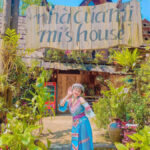
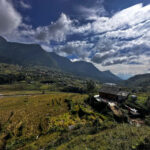
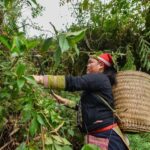
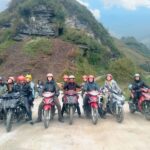
The draw here is the walk itself: you leave Sapa for quieter village paths, passing rice fields and farms on the way to Ma Tra and Ta Phin. A local guide such as Phinh, Zu, Nhu or Cha can explain daily life, customs and crops as you go, making this more than a scenic stroll.
I like the private format, which lets your guide adjust the pace, and the chance to learn about village life from someone who knows it firsthand. One thing to weigh: the route can take three hours or more, and rain can turn farm tracks and rice-field paths slick and muddy.
- What to know before you go
- Leaving Sapa for village paths
- Ma Tra: farms, fields and everyday life
- Ta Phin: customs and a quieter route
- The pace, distance and ground underfoot
- Lunch and the close of the walk
- The guide is central to the value
- Is .19 good value?
- Should you book this Sapa trek?
- FAQ
- Where does the trek go?
- Which communities does the tour introduce?
- How long does the walk take?
- How far is the trek?
- Is this trek suitable for beginners?
- What should I wear?
- Is lunch included?
- What are the booking and cancellation terms?
- The Best Of Sapa!
- More Private Tours in Sapa
- More Tours in Sapa
- More Tour Reviews in Sapa
- Not for you? Here's more nearby things to do in Sapa we have reviewed
What to know before you go
 1 / 4
 2 / 4
 3 / 4
 4 / 4
- Two villages, one long walk: The route links Ma Tra and Ta Phin, in the valley east of Sapa.
- Local insight matters: Guides share stories about customs, farming, family life and traditional fabric making.
- Expect several hours on foot: The walk is often around 10 kilometers, though the exact distance and timing can vary.
- Mud is part of the deal: After rain, slippery paths can call for rain boots or sturdy hiking shoes.
- Lunch may be part of the outing: Many walks finish with a meal at a local restaurant, but check the package details to confirm what your booking includes.
- Budget for an awkward moment: Local women may walk alongside you and offer handicrafts for sale. You can politely decline.

👉 See our pick of the 18 Best Guided Tours In Sapa
Leaving Sapa for village paths
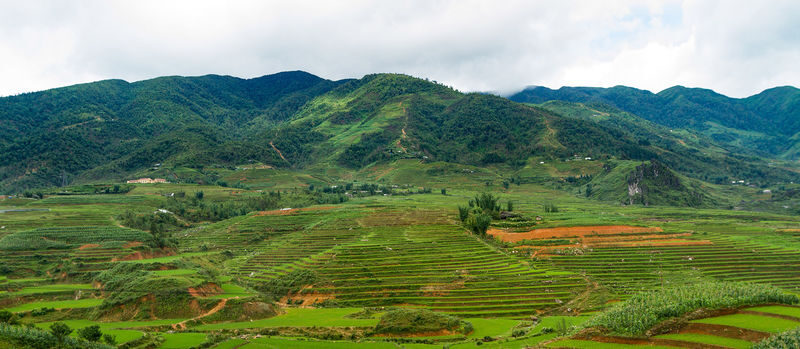
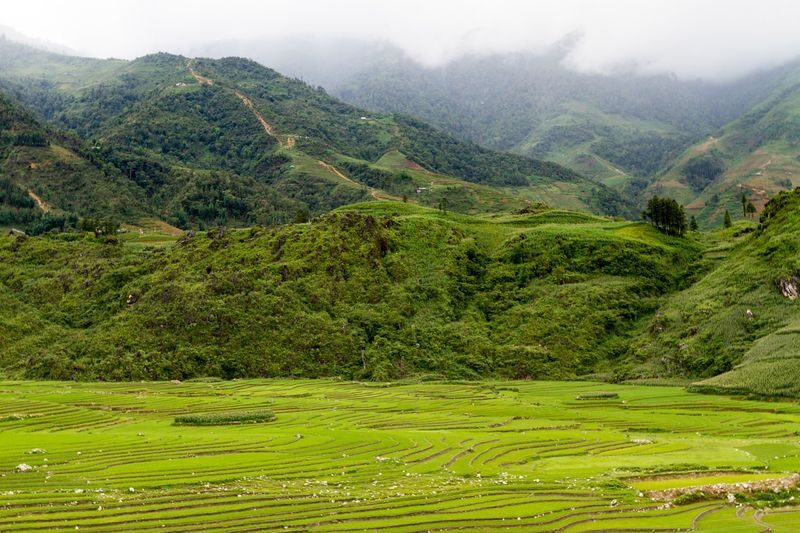
This tour trades Sapa’s town streets for a route through the countryside. Ma Tra and Ta Phin sit in a deep valley east of town, and the walk takes you through fields and small settlements rather than focusing on a single landmark. The appeal is in seeing how the countryside fits together: paths, crops, homes and the people who work the land.
The outing is sold as a half-day trek, but plan for a substantial walk, not a quick leg-stretcher. Many people spend at least three hours on foot; one route took close to five hours once lunch and stops were included. Some outings cover roughly 10 kilometers. Your pace, the ground and how often you pause all affect the clock.
Several outings have begun with a pickup at a Sapa hotel, but confirm your own meeting and transport details when booking. The route and guide can vary. This is a private tour, so you can ask questions and let your guide know if you need a slower pace or a short pause.
You can also read our reviews of more private tours in Sapa


Ma Tra: farms, fields and everyday life
The first stretch often takes you away from town and toward cultivated land. Depending on the route, you may pass rice fields, gardens, corn and other crops. These are working places, not a staged village display, so what you see will depend on the season and what people are doing that day.
This is where a local guide can change the feel of the walk. Guides including Phinh, Zu, Nhu, Cha, Mai and Sao have explained local customs, farming and family life along the way. Some have pointed out medicinal plants or described how rice is grown; others have shared details of weaving and village traditions. A private guide gives you room to ask what interests you, rather than keeping quiet in a large group.
You may also see animals and meet people going about their day. Some routes have included stops at a tofu-making space or an indigo-dye workshop, and one group joined locals in peeling corn. Treat these as possible glimpses, not promised demonstrations. The value is in the ordinary details: what is grown, how it is used and how work is divided in village life.
The paths can be uneven, with sections of dirt, gravel and fields. One common pattern is a downhill start, but the route is not uniformly easy. Mud can cling to shoes and make a field crossing feel much harder than the distance suggests. A guide may help you choose where to step, but you still need to watch your footing.
Ta Phin: customs and a quieter route
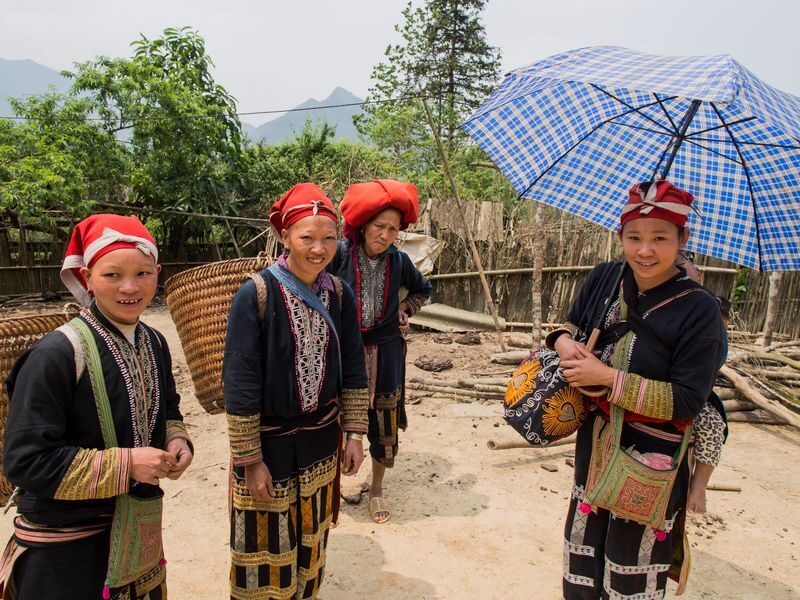
Ta Phin gives the trek another setting and a chance to hear more about the people of the area. The tour introduces Hmong and Red Dao culture, while individual guides may also explain their own community and family experience. The precise details you learn depend on your guide and the stops available that day.
That personal perspective is one of the strongest reasons to book a guided walk. A guide can talk about language, clothing, crops and changing customs in a way that a map or a drive through the valley cannot. Guides such as Sao have described growing crops, raising animals, weaving clothes and building homes. These details help you understand village life as practical work, not just a view from the trail.
The route is described as quieter than the more commonly visited Lao Chai area. That can mean fewer tour groups around you, though it does not mean you will be alone on every stretch. Local women sometimes walk with tour groups and offer handicrafts for sale. Some walkers appreciate their help on muddy ground; others find the repeated offers uncomfortable.
A simple, polite no is enough if you do not want to buy. It is reasonable to set that boundary early and ask your guide for help if you feel pressured. The tour is not a shopping trip, and you should not feel obliged to purchase anything.
The pace, distance and ground underfoot
Do not judge the difficulty by the word half-day. Several people have described walking for more than three hours, and a route of around 10 kilometers is common in accounts of the trek. One outing took nearly five hours, including lunch. If you are new to hiking, the distance may still be manageable, but it is a real walk with uneven footing.
Rain is the main practical complication. After a wet day, muddy fields and downhill tracks can become slippery even in hiking shoes. Long sleeves and trousers help protect your legs, and a raincoat is sensible when showers are possible. In wet conditions, some people have rented boots in Sapa, though rental boots can be uncomfortable on rocky stretches, especially if the soles are thin.
If you have a choice, favor shoes with grip and a comfortable sole. Boots that keep mud off your own shoes are not much of a bargain if they hurt your feet for hours. Ask your guide about the day’s ground conditions before setting out, and tell them if you are worried about slippery sections or need to take the walk at a slower pace.
A beginner can enjoy this trek if they are comfortable walking for several hours and can handle uneven, sometimes muddy ground. It is not the best pick if you want a short, level path with a guaranteed easy surface. A family with a child may need to discuss route options with the guide; one outing was adjusted for a seven-year-old in rainy weather, but that does not guarantee the same arrangement for every booking.
Lunch and the close of the walk
Many outings have ended with lunch at a local restaurant, often with a view of fields and mountains. Meals described along the route have included Vietnamese spring rolls, cabbage, tofu and stir-fried chicken. The food has been described as homestyle, fresh and plentiful, but the package details provided do not confirm whether lunch is included in every booking.
Treat lunch as a welcome pause, not a reason to assume the walk is over early. Depending on the pace and route, you may still have walking to do afterward. If you have a tight connection or another activity planned, leave a generous buffer. One group had to arrange an earlier start to make transport back to Hanoi, and the operator was flexible, but you should confirm any timing request in advance.
Some walkers have also added a small detour, such as a visit to an old abandoned church in Ta Phin. A private tour may offer room for requests, but a detour is never automatic. Ask your guide or operator before the trek, especially if you have a fixed return time.
You can also read our reviews of more hiking tours in Sapa






The guide is central to the value
The scenery is a strong reason to go, but the guide is what turns the path into a cultural outing. Names that have come up on this route include Phinh, Zu, Nhu, Cha, Mai, Sao and Peng. The guide assigned to your date may be different, so a name mentioned here is not a promise of availability.
The best guiding style is conversational and attentive: someone who shares context, answers questions and notices when the group needs a slower pace. Many guides have helped people feel safe on unfamiliar or muddy ground and explained village customs in clear English. Since this is private, tell your guide what you want from the walk, whether that means more cultural explanation, a steadier pace or fewer stops.
The experience is not perfectly uniform. A slow group may feel pressed for time if the schedule is tight, and one person found that their guide walked too far ahead and offered little explanation. If you want more conversation or extra rest pauses, say so at the start. That small check-in can help set expectations before the trail narrows and everyone settles into a pace.
Is $34.19 good value?
At a starting price of $34.19, the tour can be good value if you want a private guide and several hours outdoors. You are paying not only for a route through the countryside, but for someone to interpret what you see and help you navigate unfamiliar village paths. That personal context is the main reason to choose this over walking without a guide.
The value depends on what matters to you. If your priority is a scenic walk and a quieter alternative to the Lao Chai route, this fits well. If you mainly want a short hike or expect a polished, tightly scripted tour with every stop guaranteed, the price may feel less convincing. Confirm whether lunch and pickup are included in your chosen package, since those details can affect the total cost and convenience.
The overall rating is 4.6 out of 5 from 314 ratings. That is a strong result, but it does not erase the real trade-offs: the footing can be rough, the walk can run long, and the handicraft offers can feel persistent. Go with the right shoes, a flexible schedule and clear expectations, and the price buys a worthwhile half-day outdoors.
Should you book this Sapa trek?
Book it if you want to walk through the countryside with a local guide who can explain how people farm, make things and live in the villages. It is especially appealing if you prefer a private outing and a quieter route than the better-known village walks. Make sure you are ready for several hours of walking and do not mind a little mud.
Skip it, or choose another activity, if you have limited mobility, dislike uneven ground or need a firm finish time. Before paying, confirm pickup, lunch and the expected duration for your date. Pack shoes with grip, a rain layer if showers are possible, and a polite no for any sales pitch you do not want to entertain.
Sapa Ta Phin & Ma Tra Private Half-Day Trekking Tour
“We had an insightful and enjoyable time trekking through the 2 villages. Our tour guide, Vhin was knowledgeable, explained a lot of history, custom…”
FAQ
Where does the trek go?
The tour goes from Sapa toward Ma Tra and Ta Phin, villages in a deep valley east of Sapa.
Which communities does the tour introduce?
The activity focuses on Hmong and Red Dao culture. Your guide may also explain their own community, customs and family life.
How long does the walk take?
It is described as a half-day tour, but the walk can take more than three hours. Some outings have lasted close to five hours, including lunch.
How far is the trek?
Some outings cover roughly 10 kilometers. The exact distance can vary with the route and the group’s pace.
Is this trek suitable for beginners?
It can suit beginners who are comfortable walking for several hours. Paths may be muddy, slippery and uneven, so it is not an easy, level stroll.
What should I wear?
Wear long sleeves and trousers, and choose hiking shoes with good grip. Rain boots may help in wet conditions, though some rented boots can be uncomfortable on rocky ground.
Is lunch included?
Lunch at a local restaurant is part of many described outings, but the package details provided do not confirm that it is included in every booking. Check your selected package before you go.
What are the booking and cancellation terms?
The activity offers instant confirmation and can be booked for the next day. You can cancel for a full refund if you do so at least 24 hours before the activity date, using destination local time.