Mari Mari Cultural Village turns a short trip from Kota Kinabalu into a guided introduction to five of Sabah’s Indigenous groups. I like that you move through traditional-style houses rather than sit through a lecture, and that demonstrations, food tastings and a final performance give the visit plenty of variety.
I also like the practical scale: it is a half-day outing, and you can choose a package with a meal or hotel transfer. The main trade-off is that this is a planned cultural presentation, not a visit to a village where families are simply going about their daily lives. The pace can feel brisk, and the paths are not suitable for wheelchairs or strollers.
- Five cultures in one visit: See house displays representing the Dusun, Rungus, Lundayeh, Bajau and Murut.
- Activities, not just exhibits: Demonstrations include traditional fire-starting and blowpipe-making, with visitor activities along the way.
- Local tastes included: Snacks and drinks are served at points on the route. A fuller meal is an optional package extra.
- A forest setting outside town: The village is in Kionsom, around a 25 to 30-minute drive from central Kota Kinabalu.
- A show to finish: A traditional performance, including energetic dance, provides a lively close to the guided visit.
- Plan for walking and weather: Bring comfortable shoes, sun protection and rain gear. The route is not wheelchair- or stroller-accessible.
- Five Sabah cultures, one guided route
- Inside the houses: daily life made visible
- Tasting snacks, drinks and local dishes
- The final performance brings the route together
- What the price buys, and what it does not
- Timing, weather and what to bring
- Who will enjoy Mari Mari most
- Should you book this half-day tour?
- FAQ
- How far is Mari Mari Cultural Village from Kota Kinabalu?
- Is transport included in the basic package?
- Can I add lunch?
- Which cultural groups are represented?
- Is the village accessible by wheelchair or stroller?
- What should I bring and wear?
- The Best Of Kota Kinabalu!
- More Tours in Kota Kinabalu
- More Tour Reviews in Kota Kinabalu
- Not for you? Here's more nearby things to do in Kota Kinabalu we have reviewed
Five Sabah cultures, one guided route
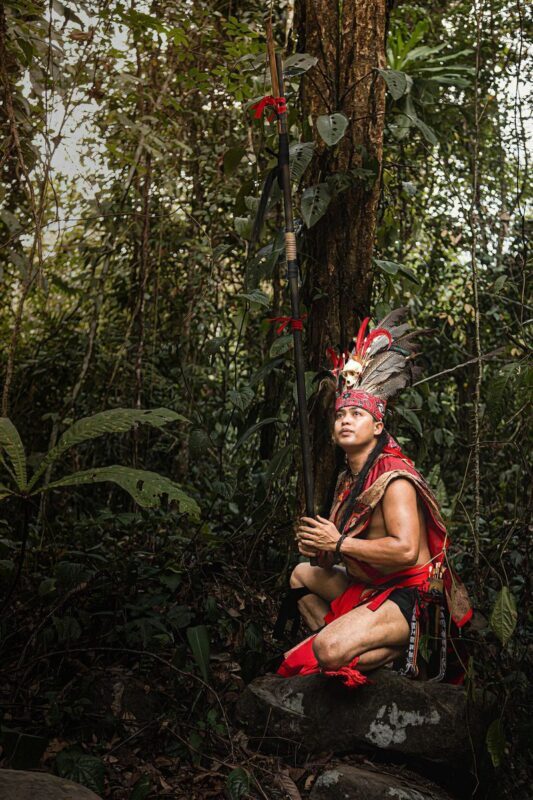
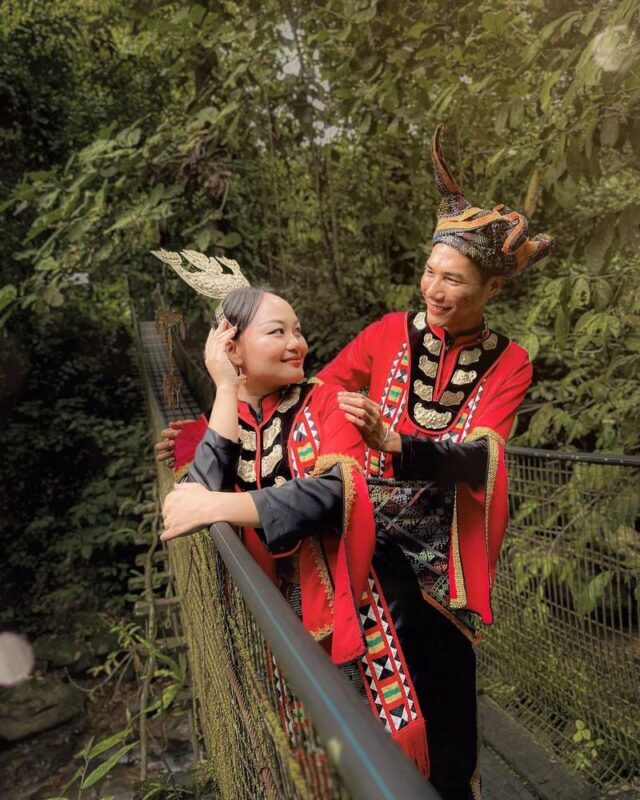
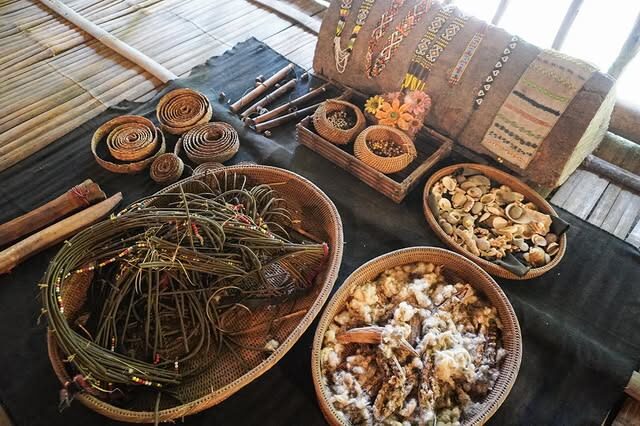
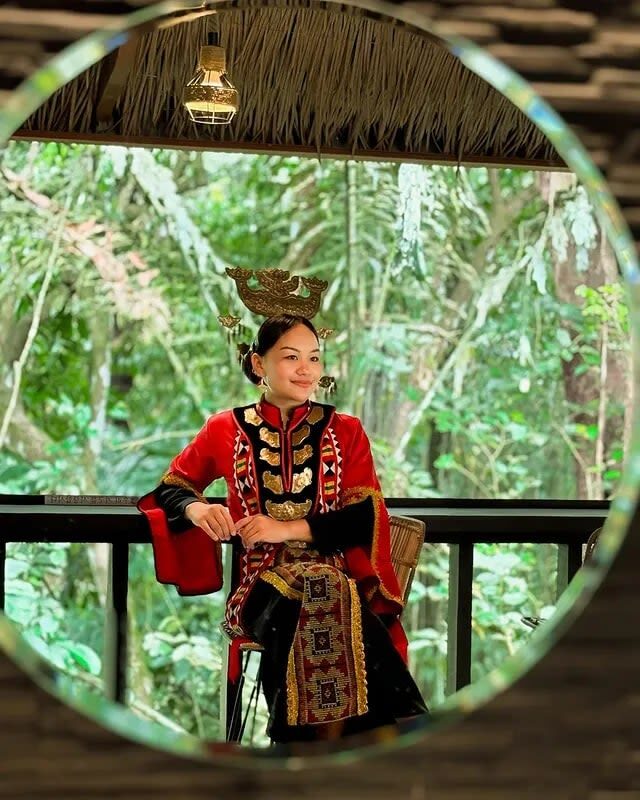
Mari Mari Cultural Village sits in a forest setting in Kionsom, away from the traffic and shops of Kota Kinabalu. The drive is short enough to make this an easy half-day excursion, yet the change of scenery helps the visit feel distinct from a city tour.
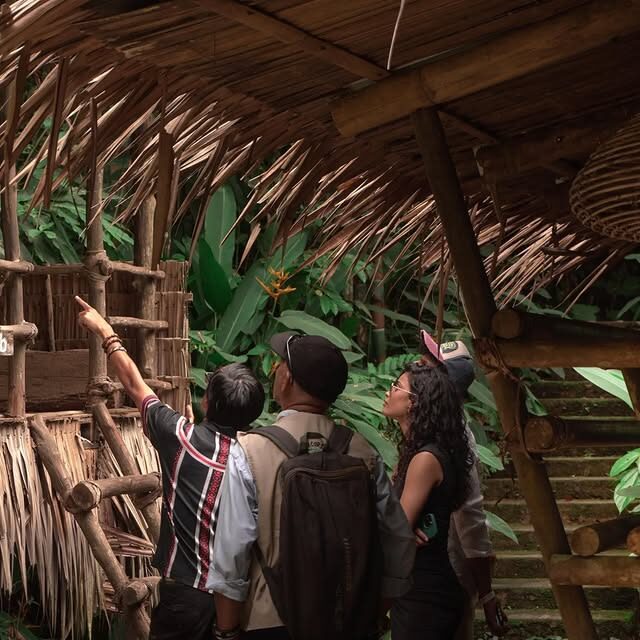
The village presents aspects of the Dusun, Rungus, Lundayeh, Bajau and Murut cultures through traditional-style houses and demonstrations. An English-speaking guide leads the route, explaining the homes and customs as you go. That structure matters: you are not simply left to wander through displays and guess what they mean.
The visit is best understood as a cultural presentation. The houses are arranged to show elements of traditional life, and the demonstrations are planned for visitors. That makes it a useful, approachable introduction, especially if this is your first time in Sabah. It is not the same as meeting people in a community setting where daily routines unfold without a tour schedule.
That distinction is worth keeping in mind. One person may find the staged format clear and engaging; another may want a less formal, more everyday encounter with local culture. I think the village works best when you treat it as an introduction, a place to learn some context and spark questions, rather than a complete picture of Sabah’s many communities.

👉 See our pick of the 3 Best Guided Tours In Kota Kinabalu
Inside the houses: daily life made visible
The central part of the visit is the sequence of house visits. Each stop focuses on a different group, with the guide pointing out features of the home and describing customs or practical skills connected with life there. The setting helps bring those explanations into focus: instead of hearing only names and dates, you can look at a house and see how a traditional space is presented.
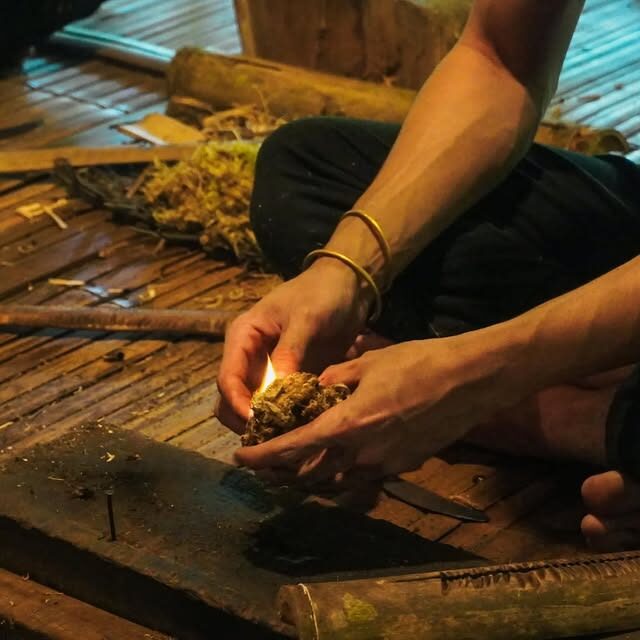
You may see activities such as fire-starting and blowpipe-making along the route. Some demonstrations are designed to be interactive, so you can take part rather than watch from the edge. Blowpipe shooting is one activity that has proved a hit with families and adults alike. These moments give the tour its hands-on quality, though the amount of time available at each stop may feel short if you want to take lots of photos.
The route is guided and moves from house to house as a group. Some visits are described as being organized in teams of around nine or ten people, which can make it easier to hear the explanation and keep moving through the site. Group size may vary, so do not count on having each display to yourself.
For children, the changing scenery and practical demonstrations help hold attention. Parents should know that the visit involves continuous walking and that a stroller can be difficult to manage on the route. There is no wheelchair access, either, so this is not a suitable choice for anyone who needs a step-free path.
You can also read our reviews of more tours and experiences in Kota Kinabalu.


Tasting snacks, drinks and local dishes
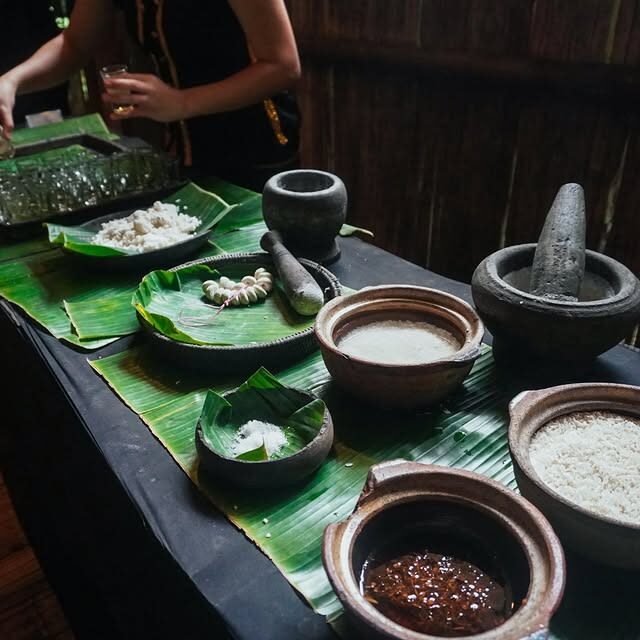
Food is part of the cultural introduction, not merely a way to fill the time. Small snacks and drinks appear along the route, and some tastings may include traditional alcoholic beverages. The exact items can vary, but the idea is to connect food with the customs being explained at each stop.
If you want a full meal, check the package before booking. The no-meal option keeps the price lower, while packages with a meal add a buffet. The buffet is a popular reason to choose the upgrade, with local dishes and enough variety to make it feel like more than a token plate. For a family or anyone arriving hungry, including the meal can make the half-day outing easier to plan.
There is a practical catch: the visit runs to a schedule, and the meal period may feel rushed if you need extra time to feed children or eat slowly. If that sounds like your family, factor it into your decision. The meal is convenient and can be good value, but it does not turn the outing into a leisurely lunch.
Some packages also combine the meal with hotel transfers or traditional costume photos. The costume option adds a chance to dress up and take pictures, but it is a separate upgrade rather than part of the basic visit. Compare the inclusions carefully; a low starting price does not necessarily cover transport or lunch.
The final performance brings the route together
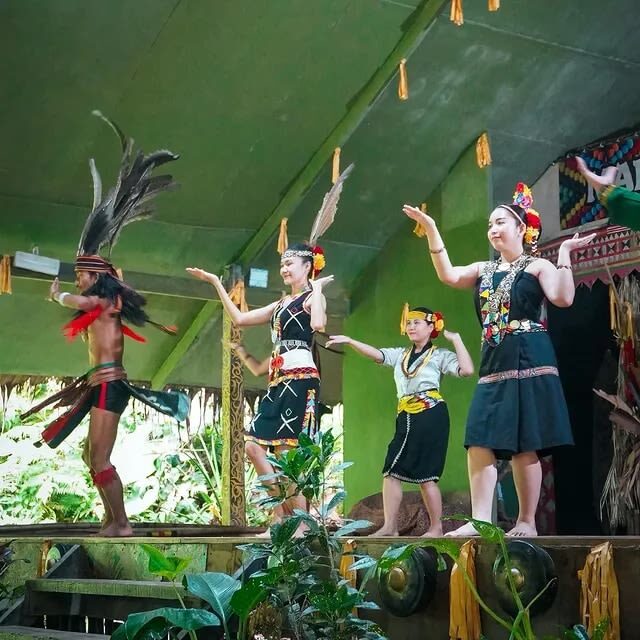
A traditional performance closes the visit. Expect a more energetic finish than the house stops, with dancing and music presented for the assembled group. The bamboo dance is a highlight, and the show’s mix of skill and humor gives families a good reason to stay through the end.
The performance also changes the rhythm of the outing. After listening and walking, you can sit and watch, then decide whether to add a meal or head back to town. If you choose a meal package, the buffet may follow the show, depending on the tour time and option selected.
As with the rest of the village, the performance is prepared for visitors. That is not a flaw, but it is useful context: this is a cultural program with an audience, not an unplanned glimpse of a private ceremony. The performers bring real effort and energy to the presentation, and the format makes it easy to enjoy even if you have little background in the cultures being represented.
What the price buys, and what it does not
Prices start at about US$30.60 for the no-meal option, with the overall advertised starting price around US$33.69. A meal package starts at roughly US$35.19; meal plus hotel transfer is listed from US$44.39; and meal with traditional costume photos starts at US$68.85. Prices can change, so check the selected date and package before paying.
The basic option makes sense if you mainly want the guided visit and plan to arrange your own ride and food. The meal upgrade is a modest step up in the listed prices and can be worthwhile if you want the convenience of eating on site. A transfer package costs more, but it removes the need to arrange both legs of the drive. The costume option is for people who value the photo opportunity, not a necessary part of the cultural route.
Transport is not included in the no-meal package. The village is around a 30-minute drive from central Kota Kinabalu and about 15 minutes from Inanam. You can arrange your own ride, but leave enough time for the return journey and do not plan a same-day flight. The tour provider specifically advises against booking flights on the day of the visit, so give yourself room to enjoy the outing without airport pressure.
Timing, weather and what to bring
Arrive at least 15 minutes before your scheduled start. The visit is guided, and groups are arranged before setting off. There are reports of two guided tour sessions a day, but schedules can change, so rely on the time shown for your booking rather than assuming a particular departure.
The forest setting brings welcome shade, but Sabah weather can change quickly. Rain has delayed a tour, though the group was still able to complete the visit safely. Bring a small umbrella or raincoat rather than counting on clear skies. Sunblock, a hat and insect repellent are sensible, too.
Wear casual clothes and comfortable walking shoes, sandals or slippers. You will be on your feet for much of the tour, and the path is not suitable for strollers or wheelchairs. Carry some cash for extra purchases, and bring a camera if you want pictures at the houses or during the performance. Be alert to your surroundings outdoors, including falling fruit in areas where trees are overhead.
Children aged four and under can join free, while children aged five to eleven must be accompanied by a paying adult. The combination of short demonstrations, food and dancing can work well for families, but the walking and fixed group pace may be tiring for very young children or anyone who needs extra time.


Who will enjoy Mari Mari most
I would put this near the top of the list for a first visit to Kota Kinabalu if you want a clear, family-friendly introduction to several Sabah cultures in one outing. Guides such as Shafiq, Tom, Nana, Aidil and Haziq have been singled out for lively explanations, humor and care. The quality of your guide matters here, since the explanations tie the separate houses and activities together.
It also suits visitors who enjoy learning through food and participation. You can listen, look, taste and try, rather than spending the whole visit reading labels. The mix makes the experience accessible to people who are not especially keen on formal history.
I would hesitate if you are looking for a quiet, unstructured visit, need step-free access, or want a slow pace with plenty of time at every stop. The route is organized, and the schedule keeps it moving. It is also worth choosing your package with care: a basic ticket does not include a meal or round-trip transfer.
Should you book this half-day tour?
Book Mari Mari Cultural Village if you want a compact, guided introduction to Sabah’s Dusun, Rungus, Lundayeh, Bajau and Murut cultures, with hands-on demonstrations and a performance. The food and activity mix gives the visit good value, especially if you choose the meal package and want an easy outing for the family.
Skip it if you expect to visit a working village at your own pace, need wheelchair or stroller access, or dislike scheduled group tours. For most first-time visitors with a half day to spare, it is a worthwhile stop, provided you arrive early, dress for rain and choose transport and meals before you book.
Mari Mari Cultural Village (Half Day Tour)
“A must-visit in Kota Kinabalu! Mari Mari Cultural Village offers a fascinating and immersive glimpse into Sabah's rich cultural heritage. We loved…”
FAQ
How far is Mari Mari Cultural Village from Kota Kinabalu?
The village is about a 30-minute drive from central Kota Kinabalu. From the Inanam area, the drive is around 15 minutes.
Is transport included in the basic package?
No. The no-meal package does not include round-trip transfers. A separate package combines a meal with hotel transfer.
Can I add lunch?
Yes. Meal packages are available, including one with no transport and another with hotel transfer. The basic no-meal option does not include lunch or high tea.
Which cultural groups are represented?
The route presents the Dusun, Rungus, Lundayeh, Bajau and Murut.
Is the village accessible by wheelchair or stroller?
No. The activity involves continuous walking and is not wheelchair- or stroller-accessible.
What should I bring and wear?
Wear casual clothes and comfortable walking shoes, sandals or slippers. Bring sunblock, a hat, insect repellent, an umbrella, a camera and some cash.