Mari Mari Cultural Village brings several of Sabah’s Indigenous cultures into one guided visit. You move between traditional houses, see demonstrations of customs and crafts, and get a clearer sense of how daily life differs among the communities represented.
I like two things in particular: the close-up look at traditional dwellings, which gives the cultural explanations a physical setting, and the English-speaking guide, who can connect the demonstrations to the people and practices behind them. The meal option adds local food and tastings, making it a more rounded visit.
The main catch is transport. The basic package does not include it, and the meeting point is at the village, outside Kota Kinabalu. There is also some ambiguity around shared transportation in the package details, so confirm your ride before paying rather than assuming hotel pickup is part of the deal.
- What to know before you book
- A village visit that puts culture in front of you
- Inside the traditional houses
- Customs, crafts, and a short nature walk
- Local food makes the visit more complete
- Kokol Haven: scenic stop or separate extra?
- The transport question deserves a close look
- Timing, price, and what each package buys
- Who will enjoy Mari Mari most?
- Should you book the Mari Mari Cultural Village tour?
- FAQ
- Where does the tour depart from?
- What departure times are available?
- Is transport included?
- Are meals included?
- Is Kokol Haven included?
- Can children join the tour?
- The Best Of Kota Kinabalu!
- More Tours in Kota Kinabalu
- More Tour Reviews in Kota Kinabalu
- Not for you? Here's more nearby things to do in Kota Kinabalu we have reviewed
What to know before you book

- Five Sabahan communities in one visit: The village presents traditional homes and customs from several Indigenous groups, giving you a broad introduction in a single outing.
- Guided demonstrations, not just displays: You can watch cultural performances and craft work, and learn about plants used for everyday and medicinal purposes.
- Food is a package choice: Some options add a meal, with local dishes and tastings mentioned as part of that experience.
- The basic package starts at the village: Hotel pickup, drop-off, and transport are not included in the stated inclusions.
- Kokol Haven may be an add-on: The broader tour description mentions a stop for mountain and sky views, but the core village itinerary does not list it. Check that your chosen package includes it.
- A family-friendly format: There is no age limit, and the guided explanations and performances can give children a useful introduction to Sabah’s cultures.

👉 See our pick of the 3 Best Guided Tours In Kota Kinabalu
A village visit that puts culture in front of you
Mari Mari is designed to make cultural learning tangible. Rather than hearing a string of names and dates, you walk through traditional dwellings and see demonstrations connected with the communities represented. That physical setting helps you picture how people lived and worked, and gives the guide a natural way to explain customs.
The village brings together several Sabahan groups, so the visit is a broad introduction rather than an in-depth study of one community. That is a good fit if your time in Kota Kinabalu is short or you want a first overview of Sabah’s Indigenous cultures. If you want a highly focused account of one group, this format may feel too condensed.
The welcome and explanations matter here. A good guide can turn each house and demonstration into more than a photo stop, and the English-speaking guides are described as clear and engaging. The experience is guided, so expect to follow a set route and listen as you go, rather than roam freely and piece the details together on your own.
That structure is useful for families and for anyone new to the subject. It also means the visit’s pace depends partly on the group and the demonstrations underway. Follow your guide’s instructions during performances, and treat the customs being shown as living traditions, not props for a show.
You can also read our reviews of more tours and experiences in Kota Kinabalu.


Inside the traditional houses
The dwellings are the heart of the visit. Each offers a look at the home life and practices associated with one of the groups represented at the village. You can expect the guide to explain how the spaces were used and what the customs or objects in them mean.
This is where the village’s compact format has real value. In one visit, you can compare different approaches to shelter, work, food, and community life without arranging separate trips. The displays make cultural distinctions easier to grasp, especially if you are travelling with children or have not spent time learning about Sabah before.
The demonstrations add movement to the visit. Artisans show traditional crafts, while cultural performances bring music and dance into the picture. These are planned presentations, of course, but they give you a chance to see skills and customs in action rather than only reading about them.
The guide’s explanations are a key part of the experience. You are not simply watching a craft or dance and guessing at its meaning. The English-language commentary helps put what you see in context, though the amount of detail can depend on your guide and the group’s questions.
Customs, crafts, and a short nature walk
The cultural programme includes rituals and customs, as well as craft demonstrations. The details may vary with the activity and the day, so it is best to arrive ready to listen and take part where invited, rather than expecting a fixed sequence of hands-on activities.
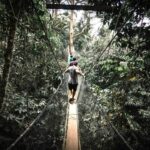
The nature walk adds another angle. You learn about local plants used for medicinal and everyday purposes, connecting the village’s cultural displays with the surrounding greenery. It is a short, practical introduction, not a botanical tour, but it helps show how knowledge of the natural world fits into daily life.
A useful rule is to let your guide set the tone. Ask questions when there is time, but follow directions during performances and demonstrations. Respectful attention makes the visit better for you and for the people sharing their traditions.
Local food makes the visit more complete
If food matters to you, compare the meal package with the village-only option before booking. The meal version has been described as including local delicacies and tastings, with food associated with several of Sabah’s communities. It can turn a guided cultural visit into a more rounded introduction to local tastes.
Food is more than a convenient extra here. A dish or drink can help explain how ingredients, customs, and daily life connect. But the meal is not included in every package, and the basic tour details exclude meals and beverages. Make sure the option you select spells out what is provided.
The village-only package may be enough if you mainly want the houses, guide, and performances. If you prefer to sample local food as part of the cultural visit, the meal option is likely the better fit. Check the current package price and inclusions carefully, since the listed starting prices differ: the main experience is shown from $66.85, while package options are also shown from US$50.55 and US$56.69.
Kokol Haven: scenic stop or separate extra?
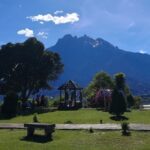
The broader experience description pairs the village with Kokol Haven, where you can enjoy wide views of the surrounding mountains and sky. It sounds like a pleasant change of pace after the guided cultural visit, particularly if you want a quiet viewpoint and time outdoors.
But the village-only itinerary lists departure, the guided visit, and return. It does not clearly include Kokol Haven, and one package specifically names it alongside a buffet lunch and hotel transfer. Treat the viewpoint as an optional extra unless your selected package confirms it.
Check the exact price before adding it. A visit to Kokol Haven has been described as an expensive add-on compared with the stated entrance fee, and a late departure was also a concern. That does not mean every package will have the same cost or timing, but it is a good reason to ask what the fee covers and how long you will spend there.


The transport question deserves a close look
The meeting point is Mari Mari Cultural Village on Jalan Kionsom in Inanam, outside central Kota Kinabalu. Hotel pickup and drop-off are not included in the basic package, and transport is also listed among the exclusions. Plan how you will get there and back before booking.
There is a wrinkle: the tour notes describe the arrangement as a shared guide and transportation, while the inclusions explicitly say transport is not included. The clearest practical advice is to get written confirmation of whether your chosen option provides a vehicle. Do not assume that a join-in tour automatically includes a ride.
Transport has caused real trouble for people booking close to the date. One last-minute booking ran into a shortage of vehicles and required the customer to arrange a ride independently, with reimbursement still unresolved at the time of their account. If you book shortly before departure, confirm the pickup or meeting plan and any reimbursement terms in advance.
The guide is from Mari Mari Cultural Village, rather than an outside guide, according to the tour details. That can be a plus: the person leading you is connected to the site and its presentations. If you need help sorting out a booking, a tour operator contact named Nazwan has been praised for assisting with transport and lunch questions, including late in the evening. Still, get the details settled before travel day.
Timing, price, and what each package buys
You can choose a 10:00 or 14:00 departure. Return options are listed at 13:00 or 17:00, depending on the departure time and itinerary. Those times suggest a visit of about three hours, but traffic and weather can change the schedule.
The headline price is not the only number to check. Package options list the village visit alone and a village visit with a meal, while other descriptions mention Kokol Haven, buffet lunch, and hotel transfer as a combined option. Prices vary by package, and the shown starting figures are not consistent across the available details. Compare the final checkout price with the specific inclusions you need.
At around the stated starting price, the value is strongest if admission and a good English-speaking guide are your priorities. The houses, demonstrations, performances, and plant walk make this more substantial than a quick photo stop. But transport can change the total cost significantly, and adding food or Kokol Haven should be a deliberate choice, not a surprise.
The experience is offered on a shared basis. A private guide or tour may be available for an additional fee, so ask about that if you want a more flexible pace or more time for questions. Tips are not expected, though they are appreciated.
Who will enjoy Mari Mari most?
I would choose this visit if you want a clear introduction to Sabah’s Indigenous cultures without planning several separate outings. It works particularly well for families, first-time visitors, and anyone who learns more from seeing houses and demonstrations than from reading a museum label.
The meal option suits people who want cultural context along with local food. The Kokol stop is a better fit if wide views and a quieter pause matter to you, but confirm that it is included and check the extra charge first.
You may want another plan if you expect hotel pickup to be automatic, prefer to explore independently, or want an extended, specialist study of one community. Mari Mari is a guided overview, and the transport details need attention. Those are manageable limits, as long as you know them before booking.
Should you book the Mari Mari Cultural Village tour?
Book it if you want a well-organized introduction to several Sabahan cultures, with traditional dwellings, demonstrations, performances, and an English-speaking guide in one visit. The village format makes the cultural material easy to follow, and the meal option can add a useful taste of local food.
Before you commit, confirm transport, the exact package price, and whether Kokol Haven is included. If those details are clear and the schedule suits you, Mari Mari offers a worthwhile cultural stop near Kota Kinabalu. If the ride remains uncertain, arrange it separately before setting off.
Mari Mari Cultural Village Day Tour
“We booked just one day in advance, which turned out to be a challenge because there weren't enough vehicles available. We were asked to arrange our…”
FAQ
Where does the tour depart from?
The listed meeting point is Mari Mari Cultural Village on Jalan Kionsom, Inanam, 88450 Kota Kinabalu, Sabah. Arrive 10 minutes before your selected departure time.
What departure times are available?
The listed departure choices are 10:00 and 14:00. Return times are shown as 13:00 and 17:00, with the available option depending on your departure and itinerary.
Is transport included?
Hotel pickup and drop-off are not included in the basic package, and transport is listed as an exclusion. Because the tour notes also refer to shared transportation, confirm directly what your selected package provides.
Are meals included?
Meals and beverages are not included in the village-only package. A separate Mari Mari Cultural Village plus meal option is available.
Is Kokol Haven included?
The broader description mentions Kokol Haven, but the core village itinerary does not list it as a stop. Check your selected package to confirm whether it is included and whether an extra fee applies.
Can children join the tour?
The activity has no age limit. The guided cultural visit and performances can suit families, though children should follow the guide’s instructions during demonstrations.