La Scala is more than a handsome opera house: it is a working theater, and the chance to look into its famous auditorium gives this one-hour-to-90-minute visit its particular thrill. I like the guide-led stories that connect the portraits and instruments in the museum to Milan’s opera life, and I like that a small group of no more than 15 makes it easier to hear and ask questions.
The main caveat is access. Rehearsals, maintenance, or private events can keep you out of the auditorium, leaving a museum-only visit. I would book for the theater’s history and collections, but treat a view from a box or a glimpse of a rehearsal as a welcome bonus, not a promise.
- Key points to know before booking
- Why La Scala is worth seeing from the inside
- Inside the theater: boxes, stage, and atmosphere
- The museum: instruments, portraits, and opera stories
- What the guide adds
- Timing, meeting point, and price
- Who should book this visit
- Should you book the La Scala guided tour?
- FAQ
- How long does the La Scala tour take?
- Where is the meeting point?
- How early should I arrive?
- Is access to the theater auditorium guaranteed?
- What languages are available?
- Is the tour wheelchair- and stroller-accessible?
- The Best Of Milan!
- More Guided Tours in Milan
- More Tours in Milan
- More Tour Reviews in Milan
- Not for you? Here's more nearby things to do in Milan we have reviewed
Key points to know before booking
- The auditorium is the prize, not a guarantee: Theater access depends on rehearsals, maintenance, and private events.
- The museum gives the visit substance: Expect musical instruments, portraits, historical objects, and stories tied to figures such as Giuseppe Verdi and Maria Callas.
- Guides are the main value: The route may overlap with what you can see independently, but a guide supplies context about the theater and its displays.
- Allow up to 90 minutes: The overview describes a one-hour activity, while the scheduled visit is listed as 90 minutes.
- Groups stay small: Join-in tours have 2 to 15 participants. Private tours are also offered.
- Meet at the museum entrance: Arrive 15 minutes early at Largo Antonio Ghiringhelli, 1, near Piazza del Duomo.

👉 See our pick of the 25 Best Workshops And Classes In Milan
Why La Scala is worth seeing from the inside
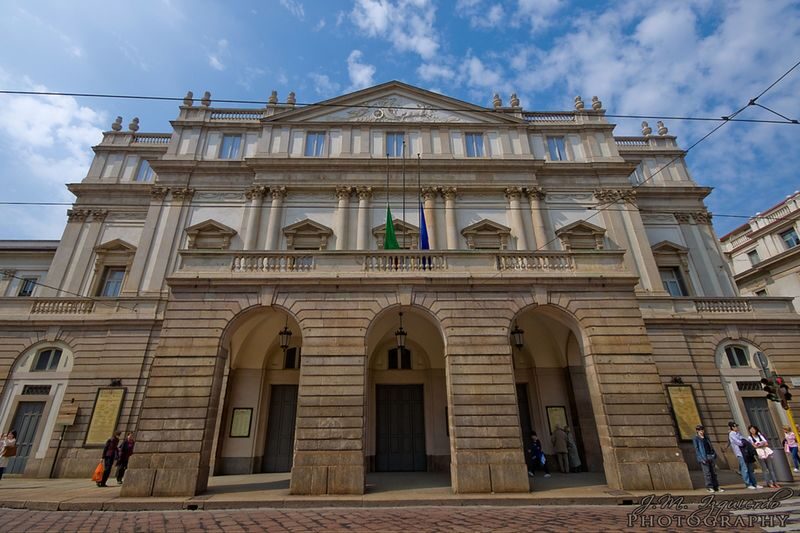
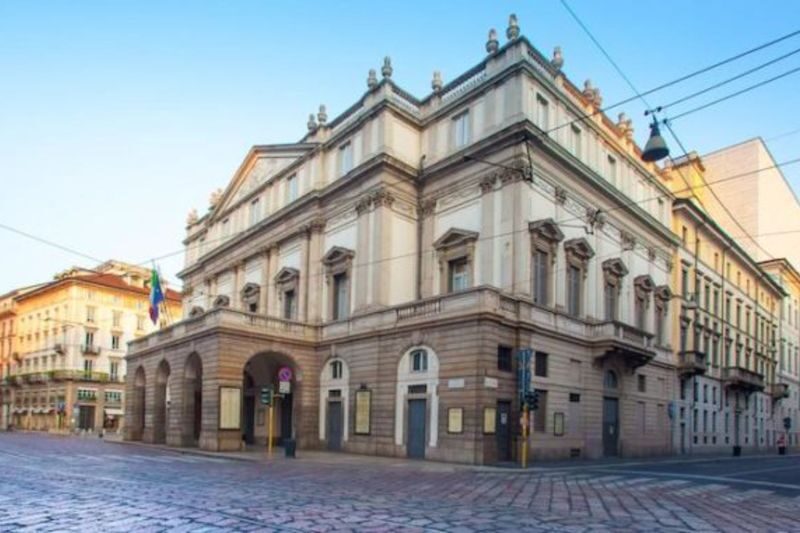
Teatro alla Scala opened in 1778, commissioned by Empress Maria Theresa of Austria and designed by architect Giuseppe Piermarini. Its name carries a lot of weight in opera and classical music, but you do not need to know your Verdi from your Puccini to appreciate the setting. The tour gives you a way into the building’s story, its celebrated performers, and the social world that gathered around the stage.
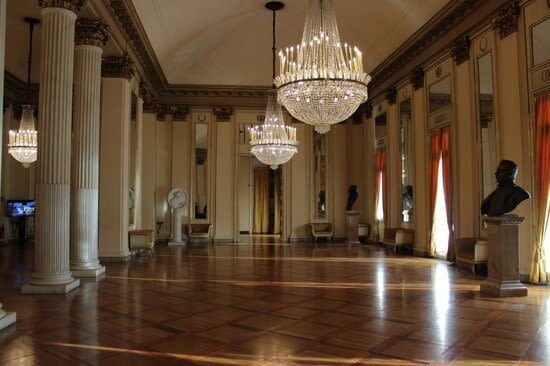
The experience combines the historic theater with the Museo Teatrale alla Scala. That pairing matters. If the auditorium is open, you get the visual impact of the hall as well as the exhibits that help explain its place in Milan’s cultural life. If the hall is closed for an event, the museum remains the heart of the visit, with portraits, instruments, and other objects to explore with a guide.
The building has changed over time. La Scala was damaged during wartime and later restored, and a modern extension by Swiss architect Mario Botta was added in the early 2000s. The visit’s focus is the theater and its museum rather than a general architecture tour, but that contrast between old and new gives useful context to the complex.
You can also read our reviews of more guided tours in Milan


Inside the theater: boxes, stage, and atmosphere
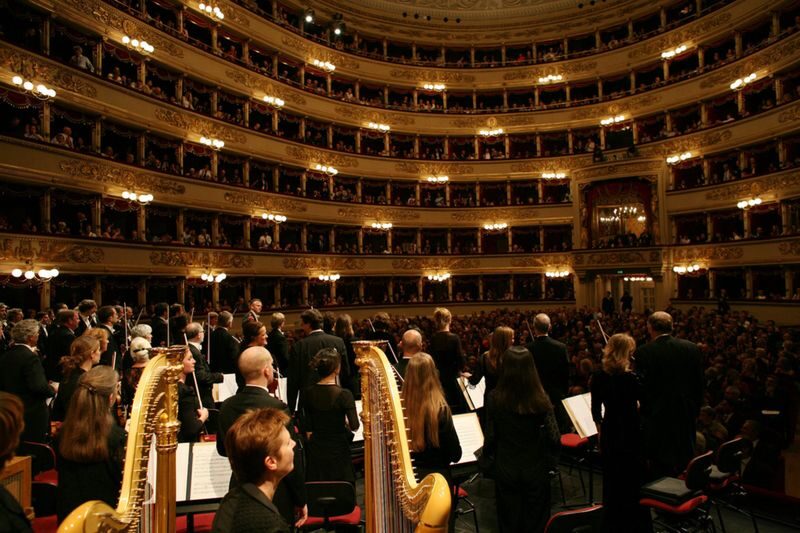
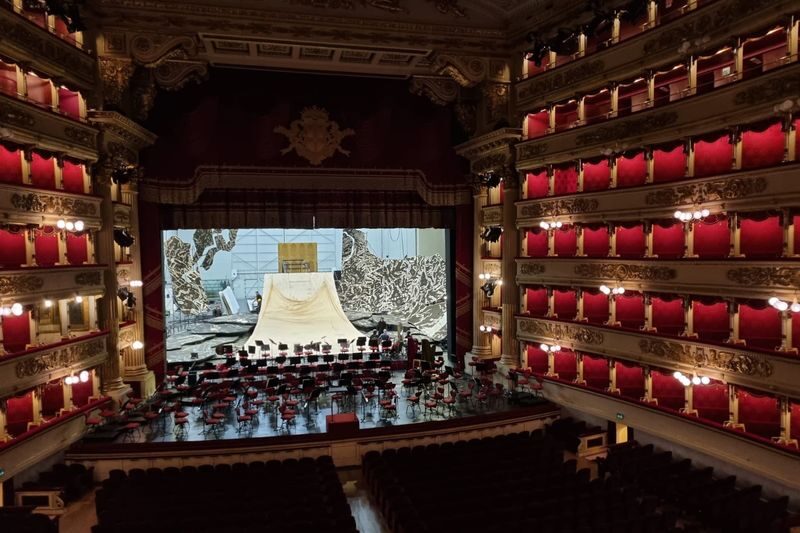
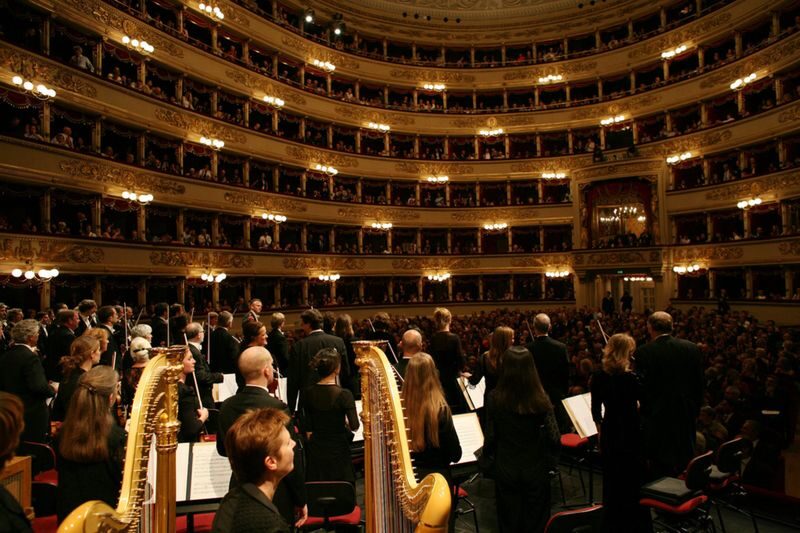
When access is available, the auditorium is the part most likely to stay with you. The tour may take you to a box, including the reduced box associated with Arturo Toscanini, and provide a look toward the stage. From there, you can take in the hall’s design and consider how it feels as a performance space, not just as a celebrated name on a Milan itinerary.
Some visits have included a view from a box just before a rehearsal, or a brief chance to see activity in the theater. That can make the building feel less like a museum piece and more like a place still in use. But the schedule belongs to the theater, not the tour group. Rehearsals, maintenance, and private events can alter the route or prevent auditorium access altogether.
That uncertainty is worth weighing before you book. If your main goal is to stand inside the hall, be prepared for the possibility that you will see only the museum. If you are interested in La Scala’s story and objects as well, the tour is less dependent on a single room being open.
Some visitors expect a guided tour to unlock areas that independent museum entry cannot reach. Do not count on that distinction. The route can cover the same spaces available to independent visitors; the guide’s advantage is the explanation, not guaranteed backstage access.
The museum: instruments, portraits, and opera stories
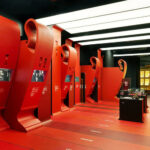
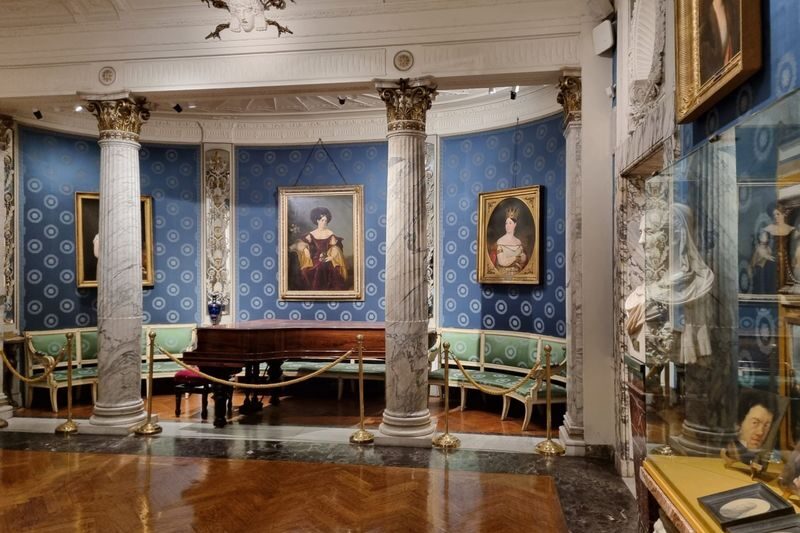
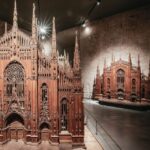
The museum provides a closer look at the people and objects tied to La Scala. Expect portraits of major figures such as Giuseppe Verdi and Maria Callas, along with musical instruments and historical relics. These displays can be more rewarding when someone explains who is pictured, what an object has to do with the theater, and how it fits into Milan’s opera tradition.
This is where a good guide can make a real difference. Rather than simply passing a row of portraits, you can hear about the performers and composers behind them. The tour is also described as covering the theater’s glamorous and more secretive social side, offering a sense of the circles that once treated the opera house as both a cultural stage and a meeting place.
The museum is not a substitute for attending a performance, and a guided visit cannot reproduce the feeling of a live opera. Still, it gives you context that can make a future performance more meaningful. If you are deciding between a quick look on your own and a guided visit, ask yourself whether you want background and interpretation. If yes, the guide is the point.
What the guide adds
The strongest feature of this experience is the human explanation. Guides have been praised for speaking clear English, telling lively stories, and giving detailed accounts of exhibits as well as the theater’s past. Some have also connected La Scala to famous works and the wider world of opera, which is useful if you know the building’s reputation better than its repertoire.
The group size helps. With a maximum of 15 participants, this is not a large crowd being hurried from room to room. A small group makes it easier to hear the guide, follow explanations, and get a moment for photos when the tour pauses in a box. Depending on bookings, you may even find yourself in a one-to-one visit, though that is not something to assume.
The guide may also help you make sense of last-minute changes. A rehearsal or performance can affect where the group goes, and timing may be adjusted to fit what the theater allows. That flexibility can lead to a brief, memorable view, but it can also mean less auditorium access than you hoped for.
Timing, meeting point, and price
The meeting point is in front of the entrance to the Teatro alla Scala Museum, at Largo Antonio Ghiringhelli, 1, 20121 Milano. It is near Piazza del Duomo, so it fits naturally into a day exploring central Milan. Your selected departure time is confirmed after booking; listed options are 9:30, 11:30, 14:00, and 16:00, though available return times depend on the departure you choose.
Arrive 15 minutes early. Late arrivals and no-shows are not refundable, so leave room for the walk and for finding the museum entrance. The tour returns to the museum meeting point.
There is a small timing discrepancy to keep in mind: the overview calls the experience one hour, while the detailed visit is listed as 90 minutes. The departure and return slots also allow roughly an hour and a half. I would leave 90 minutes free rather than plan a tight connection immediately afterward.
Prices vary by tour format and language. Listed join-in options start at $52.79, while the private tour starts at $213.35; the experience summary also gives a starting price of $60.69. Check the price shown for your chosen date and package before booking. The value is strongest if you want guided interpretation in English or another available language. If you only want to enter the museum and read the displays at your own pace, a guided visit may offer less added value.
The join-in tour is offered in English, Italian, German, and French. A private option costs more, so it makes most sense if your group values a visit tailored to its pace and questions. The tour includes admission and an English-speaking guide for the English package. Headsets are provided for groups larger than 10.



Who should book this visit
I would recommend the tour to first-time visitors who want La Scala explained rather than simply photographed. It suits classical music and opera fans especially well, but the guide’s stories and the theater’s social history can also appeal if you are curious about Milan’s past without being an opera specialist.
It is also a good choice if you are already visiting the Duomo area and want a compact cultural stop. The small group and short format make it easier to fit into a city day than a full performance, which requires a different time and budget commitment.
Families can bring children, but children aged 0 to 12 must be accompanied by a paying adult. Infants and children must be included in the passenger count, children aged 0 to 3 are free, and those aged 13 or older pay the adult rate. The activity is listed as stroller- and wheelchair-accessible.
I would hesitate if your only reason for booking is access to the auditorium. That part is not guaranteed, and the museum may be the only area available. If you would still value the portraits, instruments, and guide’s account of the theater, the visit has a solid case even on a restricted-access day.
Should you book the La Scala guided tour?
Book it if you want a compact, guided introduction to La Scala and are willing to accept that the theater’s schedule can change what you see. The best version includes a look into the auditorium, perhaps from a box, plus a guide who makes the museum displays and opera stories easier to follow. The most reliable part is the interpretation; the least reliable is access to the hall.
For the best chance of enjoying the visit, go in with flexible expectations and allow 90 minutes. If the auditorium is open, you get a memorable look at one of Milan’s best-known cultural spaces. If it is not, you still have the museum and the guide’s context, but you should know that limitation before paying.
La Scala theatre guided tour in Milan
“An excellent tour, managed to experience the feel of being in the theatre. also, lots of interesting exhibits”
FAQ
How long does the La Scala tour take?
The tour overview gives a duration of one hour, while the detailed visit and schedule indicate 90 minutes. Allow up to 90 minutes.
Where is the meeting point?
Meet in front of the entrance to the Teatro alla Scala Museum at Largo Antonio Ghiringhelli, 1, 20121 Milano.
How early should I arrive?
Arrive 15 minutes before your selected departure time. Latecomers and no-shows cannot receive a refund.
Is access to the theater auditorium guaranteed?
No. Rehearsals, maintenance, or private events can limit the visit to the museum.
What languages are available?
Join-in tours are listed in English, Italian, German, and French. A private tour is also available.
Is the tour wheelchair- and stroller-accessible?
Yes. The activity is listed as accessible for wheelchairs and strollers.