Gyeongju gathers centuries of Korean history into one full day: Buddhist art at Seokguram Grotto, temple halls at Bulguksa, royal tombs and an ancient observatory. I like that the route pairs major UNESCO sites with everyday Gyeongju, and that guides such as Kee, Zoe and Katrina bring the history to life with clear explanations and practical help.
I also like the value of having transport and a guide connect far-flung sights that would take effort to link on your own. The trade-off is a long, tightly scheduled day, and weather can affect access to Seokguram. One detail to check before booking: the tour description says it departs from Busan, though the location field says Seoul.
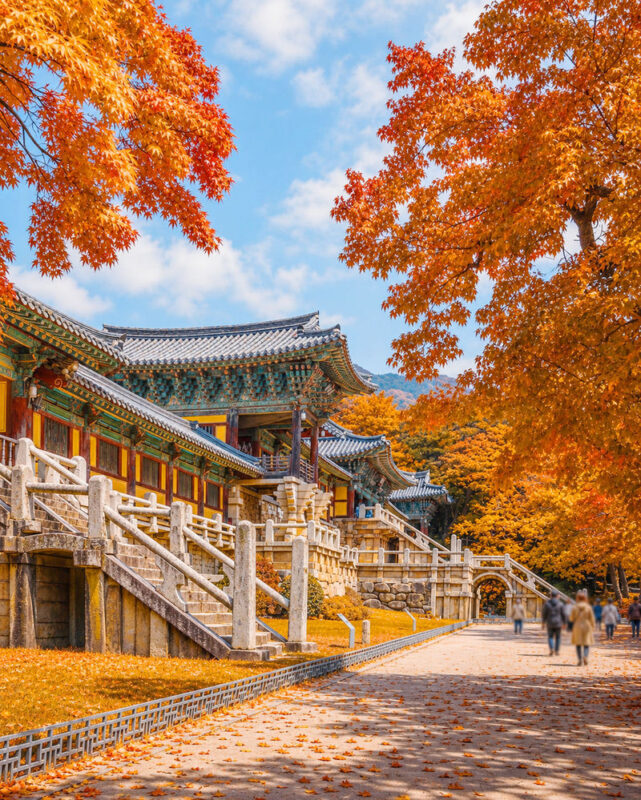
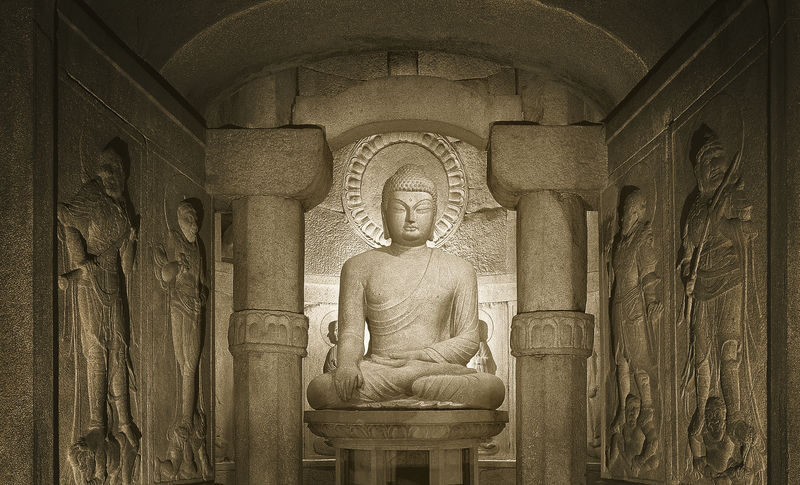
- Seokguram and Bulguksa: Two landmark Buddhist sites, with a mountain road to the grotto and a temple complex below.
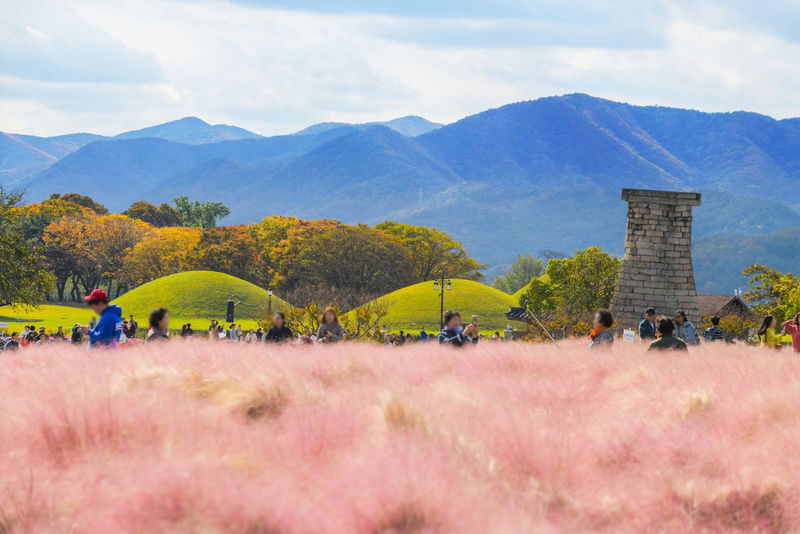
- Royal tombs and astronomy: Daereungwon and Cheomseongdae offer a different view of Silla-era Gyeongju.
- Hwangnidan-gil break: Shop-lined streets add a modern, casual stop to a history-heavy itinerary.
- Helpful guides: Kee, Zoe, Leo, Katrina and others are praised for clear explanations, group care and photo help.
- A full day, not a gentle outing: Expect substantial travel and a packed schedule, with weather sometimes changing the route.
- From $36.59: Transport and guiding can make this a strong-value way to cover several sites, but check what fees and meals are included.
- Gyeongju’s great advantage is how much history fits into one day
- Seokguram Grotto brings the day into the mountains
- Bulguksa Temple rewards a slower look, if the schedule allows
- Daereungwon makes Silla history visible
- Cheomseongdae adds a glimpse of ancient science
- Hwangnidan-gil brings the day back to the present
- Guides make the packed route easier to enjoy
- Budget for a long day and confirm the departure city
- Who should book this Gyeongju day trip
- FAQ
- Where does the tour depart from?
- How long is the tour?
- Which sites are included?
- Is Seokguram Grotto guaranteed?
- What languages are available?
- How much does the tour cost?
- Is lunch included?
- Can I cancel for a refund?
- What happens if the operator cancels because of extreme weather?
- Can I get a refund after starting the tour?
- The Best Of Seoul!
- More Guided Tours in Seoul
- More Tours in Seoul
- More Tour Reviews in Seoul
- Not for you? Here's more nearby things to do in Seoul we have reviewed
Gyeongju’s great advantage is how much history fits into one day
 1 / 9
 2 / 9
 3 / 9
 4 / 9
 5 / 9
 6 / 9
 7 / 9
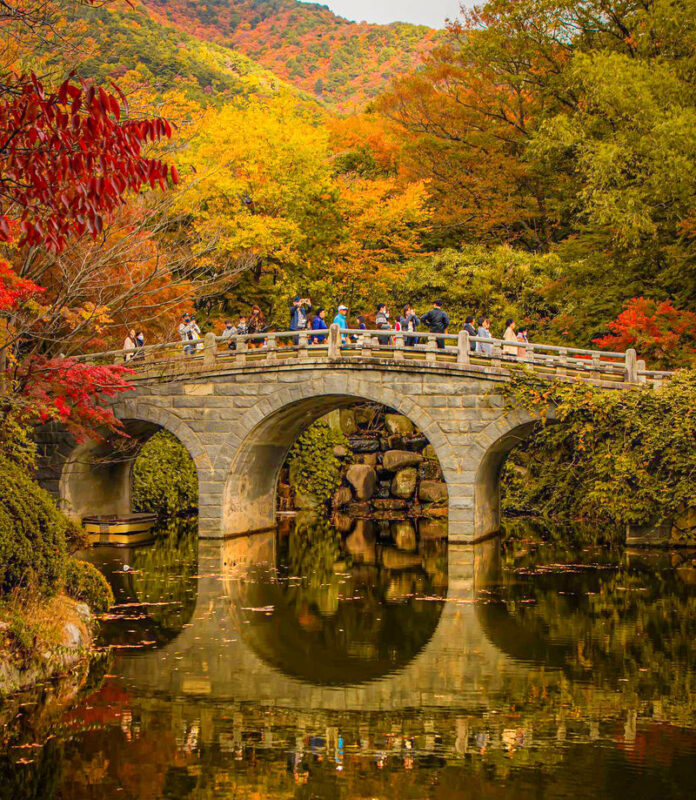 8 / 9
 9 / 9
Gyeongju was the capital of the Silla kingdom for centuries, and its historic sites are spread across a broad area. This tour links its best-known heritage stops in one outing from Busan, taking the planning and intercity driving out of your hands. That matters: on your own, you would need to work out transport between the temple sites, tomb complex, observatory and central streets.
The day is designed for breadth rather than a slow, scholarly visit to any one place. You get a guide’s account at each stop, then some time to look around independently. Several guides, including Kee, Zoe, Leo and Katrina, have been praised for making history accessible, keeping groups organized and helping with photos. That mix of context and free time is a good fit if you want more than a string of snapshots.
The cost starts at $36.59, an appealing price for a guided day with transportation, especially if you want to see multiple sites without piecing the route together yourself. But do not assume that the starting price covers every expense. The available details do not specify entrance fees, meals or other inclusions, so check the booking terms before you pay.

👉 See our pick of the 25 Best Guided Tours In Seoul
Seokguram Grotto brings the day into the mountains
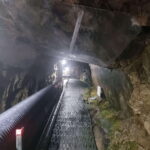
Seokguram Grotto is one of the route’s headline stops. Set on a mountain, it offers a very different feel from the city’s open tomb grounds and shop streets. The approach itself is part of the outing: the road winds up toward the grotto, and the drive can be tricky in heavy rain. One group praised its driver for handling that road in blinding rain, a reminder that conditions matter here.
Weather can also change whether you visit. A route was adjusted ahead of a rainy day, and Seokguram was removed from that itinerary. The tour operator may cancel in extreme weather, and a similar tour or a rescheduled date may be offered. If the grotto is the main reason you are booking, ask how the operator handles weather-related changes and confirm the plan close to departure.
Guides help make the visit more than a quick stop. Their explanations can connect the site to the Buddhist history and culture you see at the other locations. Still, the schedule is shared with several other stops, so this is not the outing for an unhurried, extended visit to the grotto alone.
You can also read our reviews of more guided tours in Seoul


Bulguksa Temple rewards a slower look, if the schedule allows
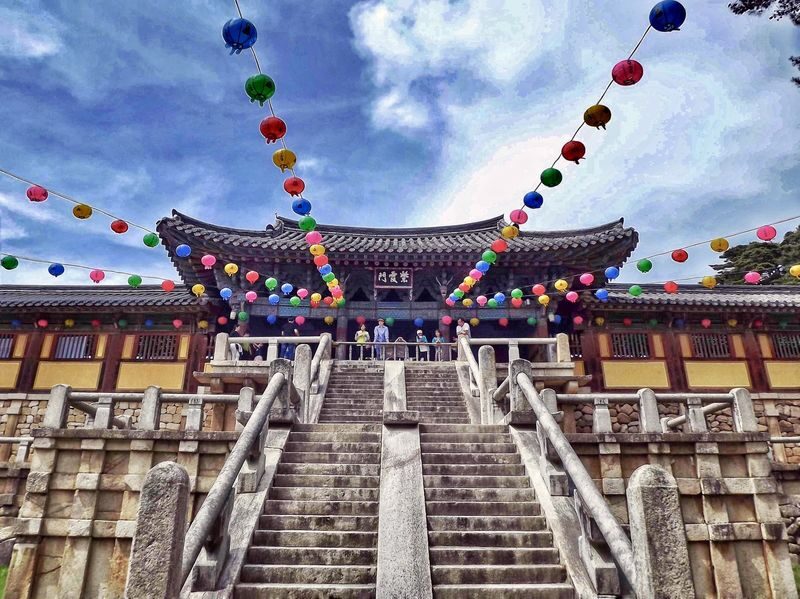
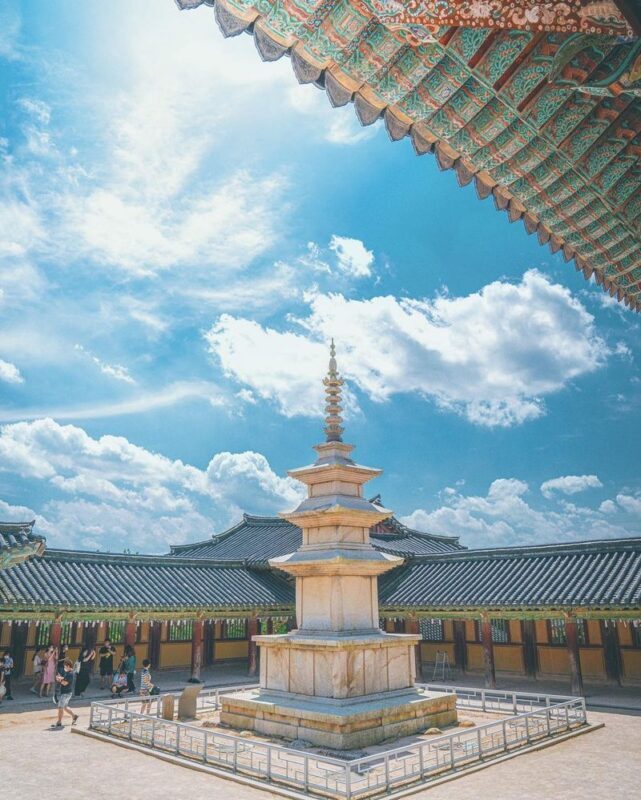
Bulguksa is the tour’s other major Buddhist site, and together with Seokguram it gives the day a clear spiritual and architectural focus. A guide can point out the temple’s cultural importance and give you a frame for what you are seeing, which is especially useful if you are new to Korean history.
There is a practical wrinkle: lunch options near the temple may be limited. Some participants have chosen to order lunch in advance, and one guide recommended joining the group meal for convenience. If the booking offers a meal option, consider it, particularly if you would rather spend your break eating than searching for somewhere nearby. The tour information does not establish that lunch is included, so confirm before booking.
Rain does not necessarily spoil the temple visit, but it does change the pace and comfort of the day. Bring suitable clothing and shoes for the forecast. The route includes walking around historic sites, and a wet day can make a long schedule feel longer.
Daereungwon makes Silla history visible
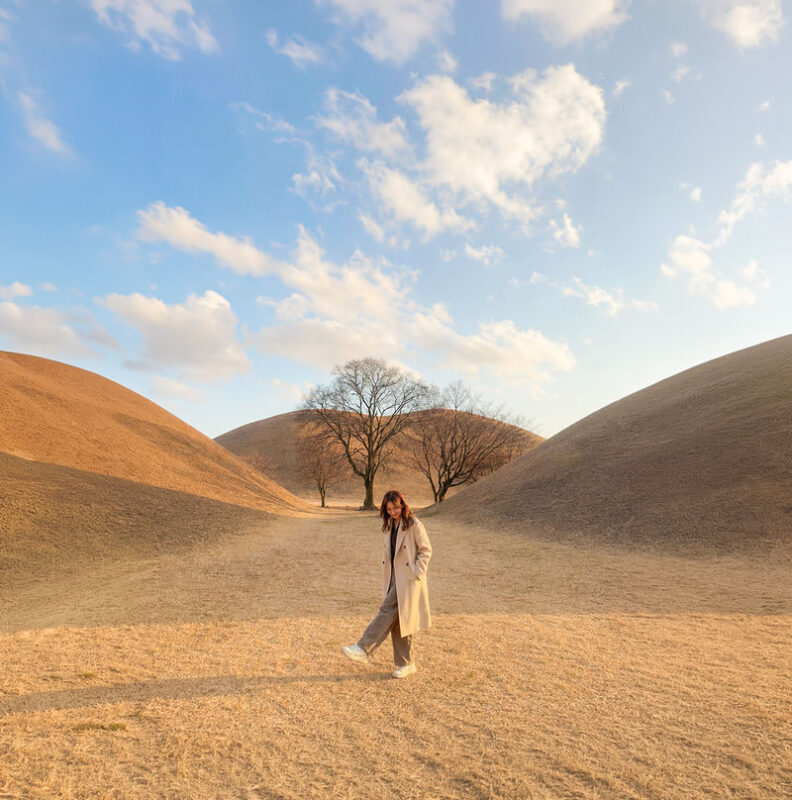
Daereungwon Tomb Complex offers a striking change of scale. The broad grounds contain grass-covered royal tombs, making the history of the Silla rulers visible in a way that a museum display cannot. A guide’s background helps you understand why these mounds matter, while the open setting gives you room to take in the site at your own pace.
One tomb can be entered, but access may involve a queue and a ticket line. That can cut into the time you have available, and a tight group schedule may mean not everyone gets inside. Treat the interior visit as a bonus rather than the one essential part of the stop. Even from outside, the tombs make a memorable impression and help you picture Gyeongju as a royal capital.
This stop also shows why the guide matters. A row of grassy mounds may be easy to pass over without context. A short explanation of the people and customs behind them turns the site into a story, without requiring you to arrive with a history degree.
Cheomseongdae adds a glimpse of ancient science
Cheomseongdae, the iconic observatory, adds a different strand to the day. It is a reminder that Gyeongju’s heritage is not only temples and royal burials. The observatory is a distinctive landmark, and the guide can explain its place in the city’s past before you have time to look around and take photos.
The stop is likely to be shorter than the temple visits, given how many places the tour covers. That is part of the bargain: you see a range of sites, but some are introductions rather than deep visits. If you want to spend a long time studying each monument, an independent trip with an overnight stay will suit you better.
Hwangnidan-gil brings the day back to the present
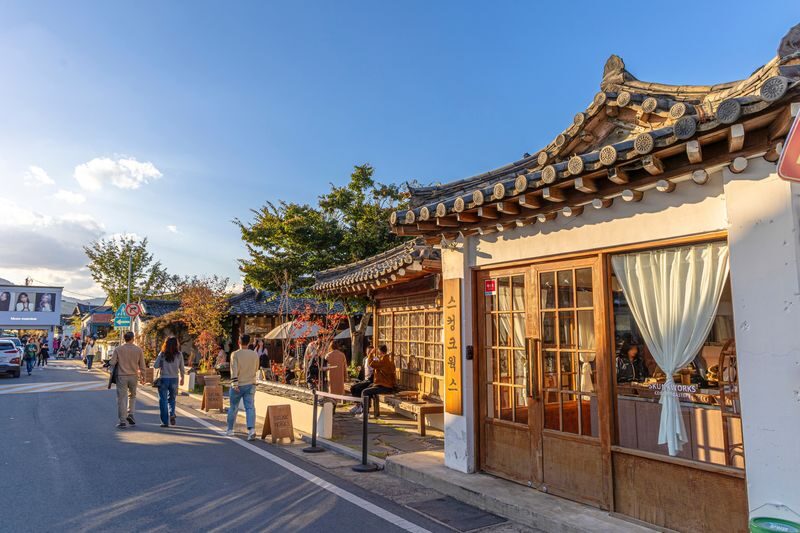
Hwangnidan-gil is the tour’s most contemporary pause. Its shops and food spots offer a contrast to the solemnity of temples and tombs, and it gives you a chance to browse, pick up a snack or simply take a breather. This local-street stop can be a welcome change after hours of historical sites.
Time here is a matter of taste. Some people find the shops repetitive, while others want longer to browse and eat. The schedule has been described as allowing around an hour and 45 minutes, though your exact time may depend on the day’s route and conditions. That can feel generous if you mainly want a quick look, yet short if you plan to eat, shop and explore every lane.
If you are deciding between more free time on Hwangnidan-gil and more time at other heritage stops, remember that the tour is built around a fixed route. You may not be able to choose where the minutes go. Make a short list of what you most want to see before arriving, and use the break accordingly.
You can also read our reviews of more tours and experiences in Seoul



Guides make the packed route easier to enjoy
The most consistently praised part of this experience is the guiding. Kee is often noted for clear English, historical explanations and a patient manner. Zoe is remembered for her humor, energy and help with photos. Katrina has kept groups upbeat in gloomy weather, while Leo has been commended for organized explanations and assistance. Chinese-language tours are also available, with guides such as Sophie, Sherry Li and Simon named by participants.
These are individual guides, not a guaranteed assignment, so do not book expecting a particular person. But the range of feedback points to what a good guide contributes: clear meeting instructions, context at each stop, help keeping the group together and small acts of care, such as taking photos or checking whether anyone needs assistance.
Language matters too. The tour has been offered in English and Chinese, with some participants describing bilingual explanations. Check the exact package and guide language you are booking rather than assuming every departure offers the same service.
Budget for a long day and confirm the departure city
This is an all-day outing with considerable time on the road. One participant described a schedule running roughly from 9 a.m. to 8 p.m.; treat that as an example, not a guaranteed timetable. The upside is that transport connects several sites in a single day. The downside is that the pace can feel tiring, with limited time to linger wherever you happen to fall in love with a place.
There is an important location mismatch in the supplied information. The tour overview says it departs from Busan, while the location field names Seoul. Since Gyeongju is presented as a day trip from Busan, verify the actual meeting point and departure city before booking. Do not assume a Seoul pickup is included.
The tour has received strong overall feedback, but there have also been reports of confirmed bookings later being canceled because a departure was unavailable. One person waited at the meeting point before learning the trip had been canceled. That is not the norm implied by the overall rating, but it is a good reason to watch for operator messages and reconfirm your meeting details before setting out.
Who should book this Gyeongju day trip
I would choose this tour if I were staying in Busan, wanted to see Gyeongju’s main heritage stops in one day and valued transport and a guide over setting my own pace. It is particularly useful for first-time visitors who want context at the temples, tombs and observatory without having to plan a multi-stop route.
It is less suited to anyone who wants long, quiet visits at every site, dislikes group schedules or has a single must-see stop they cannot miss in bad weather. The day is full, and the route may change. If you have more time in the region, an overnight stay gives you greater freedom to divide the sights across multiple days.
At the starting price, the tour can be good value if transport, guiding and a broad itinerary are your priorities. Before booking, check the departure point, the selected language, what the price includes and how weather changes are handled. If those details line up with your plans, this is a practical way to get a first, well-contextualized look at Gyeongju.
Gyeongju Full-Day UNESCO Sites Guided Tour
“Nice tour! Easy pickup and well arranged”
FAQ
Where does the tour depart from?
The tour overview describes convenient transportation from Busan. The location field says Seoul, so confirm the departure city and meeting point before booking.
How long is the tour?
It is described as a full-day tour. One participant reported a day running about 9 a.m. to 8 p.m., but exact times are not specified as fixed.
Which sites are included?
The stated route includes Seokguram Grotto, Bulguksa Temple, Daereungwon Tomb Complex, Cheomseongdae Observatory and Hwangnidan-gil Street.
Is Seokguram Grotto guaranteed?
No. The route may change because of predicted bad weather, and the operator can cancel in extreme weather. Confirm the current itinerary if Seokguram is essential to you.
What languages are available?
English- and Chinese-language options appear in the tour details and package names. Check the language of the specific package you select.
How much does the tour cost?
The listed starting price is $36.59. The information provided does not specify which fees, meals or other expenses are included in that price.
Is lunch included?
The available details do not say that lunch is included. Some participants ordered lunch in advance, and food options near the temple may be limited.
Can I cancel for a refund?
You can receive a full refund if you cancel at least 24 hours before the activity date, based on the destination’s local time.
What happens if the operator cancels because of extreme weather?
The operator may cancel the tour in extreme weather. If that happens, you can choose to reschedule.
Can I get a refund after starting the tour?
No. If you have taken part in at least one activity, visited at least one attraction or used any of the tickets, refunds cannot be issued.