Cyanotype turns sunlight into art: place leaves, stencils, or images on treated paper or cloth, expose them to light, and develop a blue-and-white print. At Arterly Obsessed, you can also choose gel plate or relief printmaking, making this a hands-on way to try a craft rather than just watch someone demonstrate it.
I like that the 90-minute cyanotype class gives you a tote bag and paper art to take home, and that you can make designs from plants and stencils without knowing how to draw. I also like the studio’s easy walk from Chinatown MRT and its beginner-friendly, step-by-step format.
The main consideration is that cyanotype depends on getting the exposure right. Sunlight can be unreliable, and a few participants have left with faded or blank prints, so book for the process and the chance to experiment, not a guaranteed perfect result.
- Cyanotype has a little science behind the blue: Make prints with light-sensitive materials, using plants, stencils, or image transparencies.
- You leave with something useful: The cyanotype session includes a personalised tote and paper prints.
- No drawing skills are needed: You can build a design from supplied materials, or bring a reference image for a more personal result.
- Pick a printmaking style: Gel plate, cyanotype, and relief printmaking each use different tools and produce different results.
- The studio is close to Chinatown MRT: The meeting point at Pearl’s Hill Terrace is about a three-minute walk from Exit C.
- Exposure can be unpredictable: Bright, clear prints are not guaranteed, particularly when sunlight is weak.
- Blue-and-white prints made with light
- From design to tote bag
- Sunlight is part of the equation
- Gel plates for loose, layered experiments
- Carving a stamp in relief printmaking
- Choosing the right workshop for you
- A practical stop near Chinatown
- Is this Singapore printmaking class worth booking?
- FAQ
- How long is the cyanotype workshop?
- What can I make in the cyanotype session?
- Do I need drawing skills?
- What should I bring for a more personal cyanotype design?
- Does the cyanotype workshop always use sunlight?
- What happens in the gel plate printing workshop?
- What happens in the relief printmaking workshop?
- Where is the studio?
- What days and times are available?
- What is the minimum age?
- The Best Of Singapore!
- More Tours in Singapore
- More Tour Reviews in Singapore
- Not for you? Here's more nearby things to do in Singapore we have reviewed
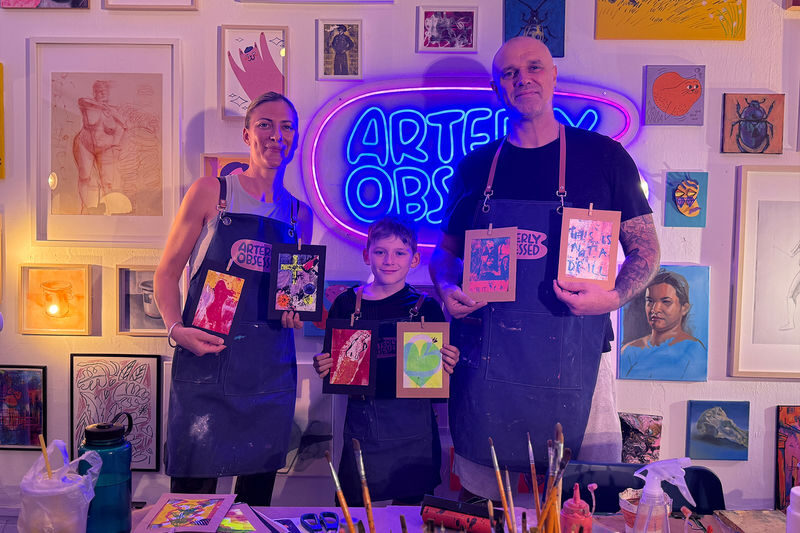
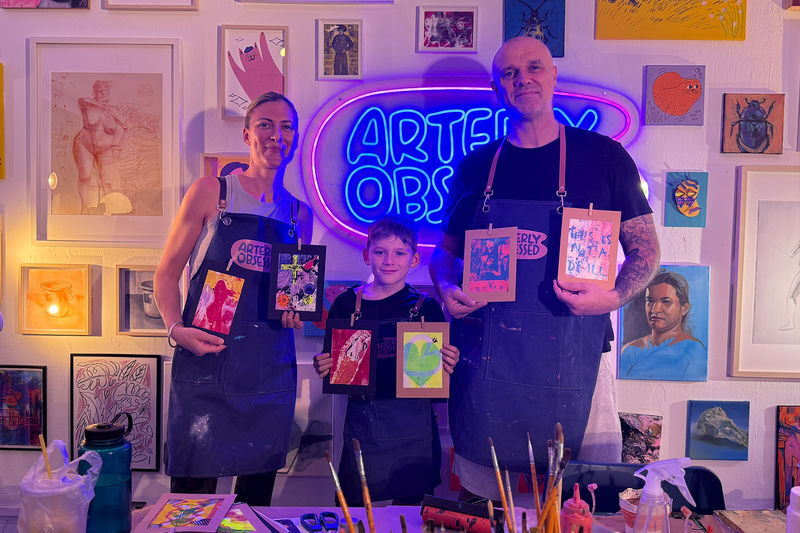
Blue-and-white prints made with light
 1 / 8
 2 / 8
 3 / 8
 4 / 8
 5 / 8
 6 / 8
 7 / 8
 8 / 8
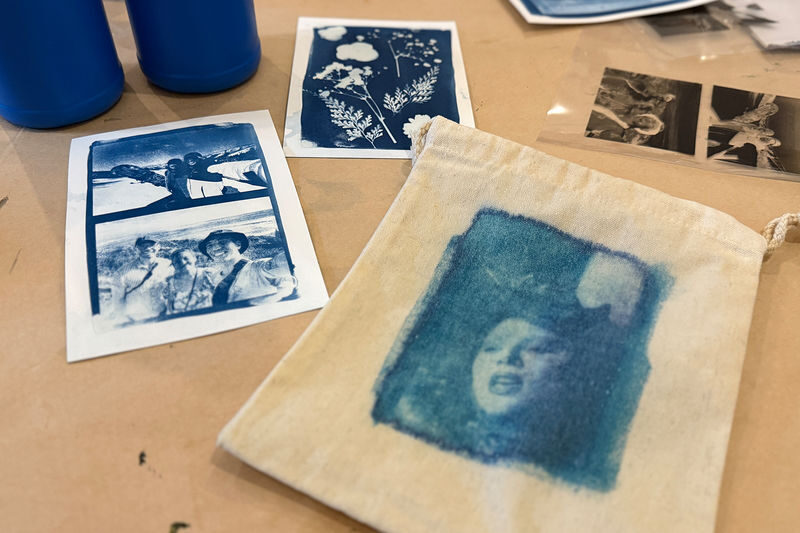
Cyanotype is an early photographic printing process, and its appeal is easy to grasp: sunlight helps create a blue image wherever objects or designs leave the treated surface exposed. You arrange your composition, let it develop, then see the contrast appear. It is part art project, part small experiment.
At Arterly Obsessed, the cyanotype workshop is listed as 90 minutes. You work on paper and a tote bag, with leaves, stencils, and collage materials available for making a design. You do not need to draw. That makes this a useful choice if you want to make something personal but would rather start with shapes, textures, or found objects than a blank page.
The materials and print results can vary. Some sessions have included mixing the two chemical solutions used in the process; in others, the solutions were already prepared. The amount of hands-on chemical preparation may therefore depend on the session. If learning the chemistry is important to you, ask the studio what your booking includes before you go.
👉 See our pick of the 25 Best Guided Tours In Singapore
From design to tote bag
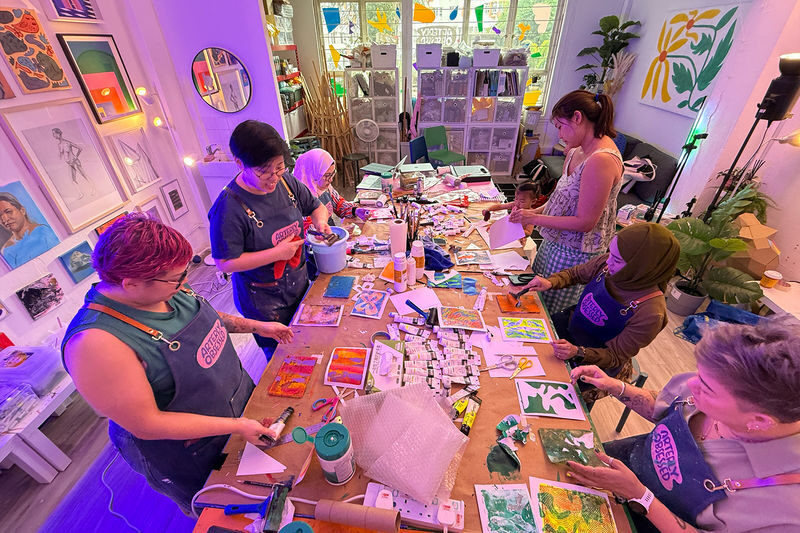
Expect to spend part of the session planning your image and arranging materials, then testing and printing. The instructor guides you through the steps. Some participants have been able to gather leaves from a courtyard, and the studio has offered transparencies as well as time to make or adapt designs. Bring a picture or reference if you have a particular idea in mind, since the supplied stencils and images may not match your taste.
A paper test print can help you see how the design works before you move on to the tote. It is worth treating this test as part of the process, not a throwaway exercise: it gives you a chance to judge contrast and placement while there is still time to adjust. One useful tip from the studio experience is to choose dark, clear images for stronger results.
The tote makes the workshop more than a demonstration. You leave with a practical object bearing your own print, plus paper artwork that lets you compare the effect on different surfaces. Still, don’t expect every print to come out crisp. Cyanotype relies on exposure, and the results can be pale or patchy if the light or timing is off.
You can also read our reviews of more tours and experiences in Singapore.
Sunlight is part of the equation
The central trade-off is also what makes cyanotype interesting: light is a working material, but it is not fully under your control. When the sun is not strong enough, the studio may use UV lamps. That can keep the session moving, but the final result may not match the sharp, dark images you have seen in promotional photos.
Most participants have found the class enjoyable and instructors helpful, but some have reported unclear guidance and disappointing prints. In a few cases, tote designs came out faint or did not develop. These are not small details if your main goal is to take home a polished keepsake. Go in ready to try, test, and ask questions rather than assuming each step will produce a flawless print.
Instructor names mentioned by participants include Michelle and Keith. Names and instructors may differ by session, but the teaching style is often described as patient and encouraging. If you are unsure what a test print is for, or how long an image should be exposed, ask at the time. Clear instructions matter especially here, since the process can be difficult to judge by sight alone.
Gel plates for loose, layered experiments
Gel plate printing is the most open-ended of the three options. You apply acrylic paint to a reusable gel plate, then use textures, stencils, and magazine images to build up layers before pulling a print. There is no press to operate, so the technique is approachable even if you have never used printmaking tools.
This is a good fit if you enjoy experimenting and do not need every result to look identical. Each print is a monoprint, which means the image is made as a one-off rather than as a repeated edition. Layers, textures, and colour combinations can make a small series feel connected without making each sheet the same.
The advertised highlights say you take home unique, framed prints. The workshop duration and the number of prints are not specified in the details provided, so check those points when choosing a time. Pick gel plate printing if you want a paint-led session with room to play, rather than the light-sensitive blue-and-white look of cyanotype.
Carving a stamp in relief printmaking
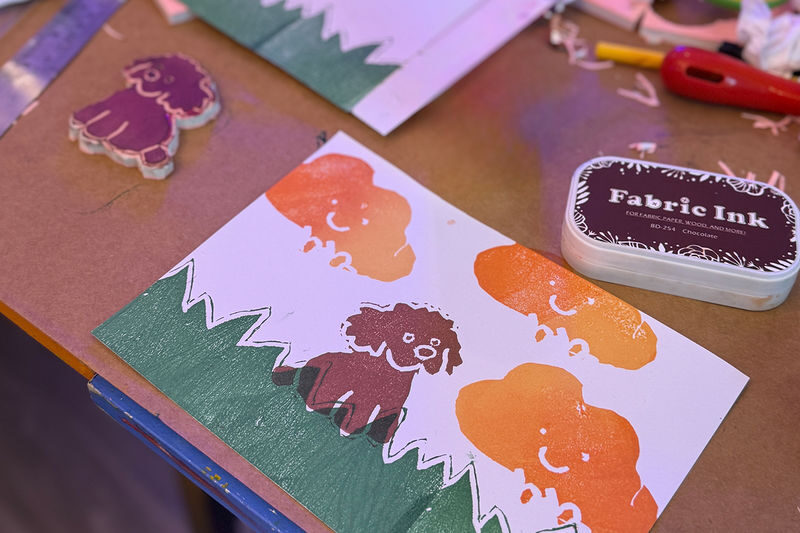
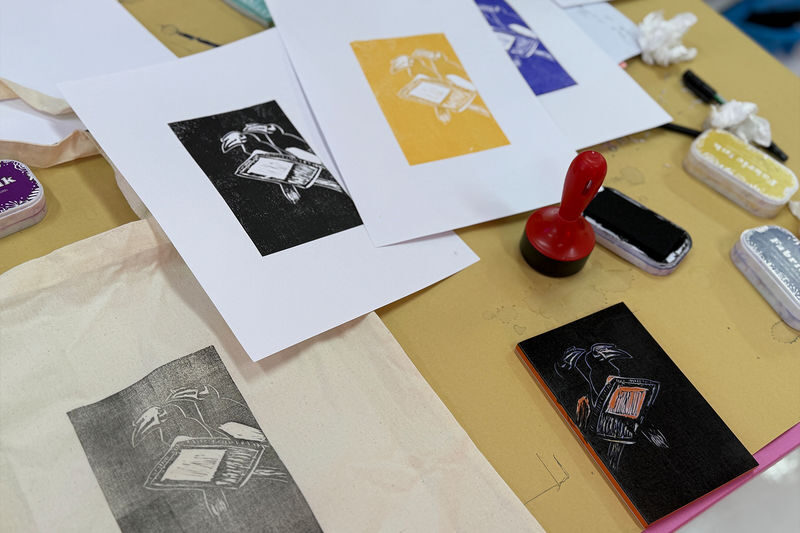
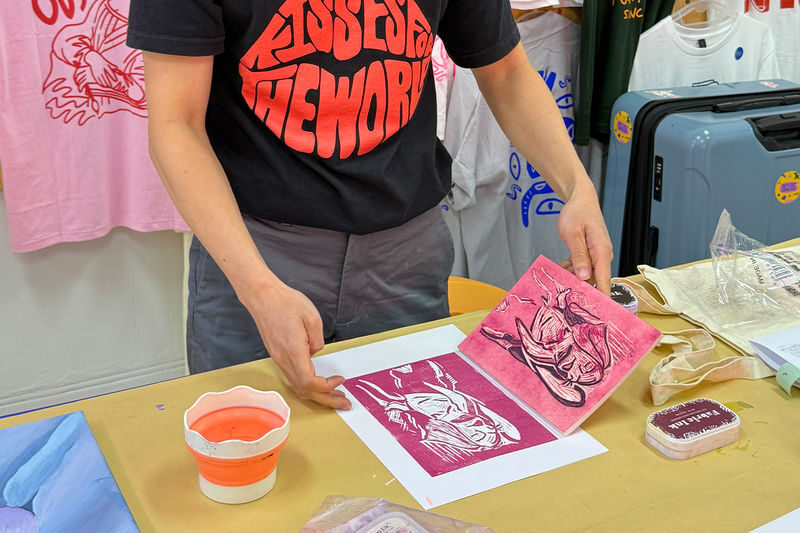
Relief printmaking starts with a design you carve into rubber. You then ink or otherwise prepare the stamp for printing on paper and a tote bag. The appeal is the clear connection between your handwork and the final image: the mark you carve becomes the mark you print.
This is a natural choice for anyone who likes handmade stationery, repeat patterns, or small graphic designs. The workshop includes materials, and you can take your carved stamp home. Some participants have described the tools as better suited to older children, so parents should consider their child’s age and comfort with carving tools. The minimum age for the activity is five, but that does not necessarily mean every technique will suit every child equally.
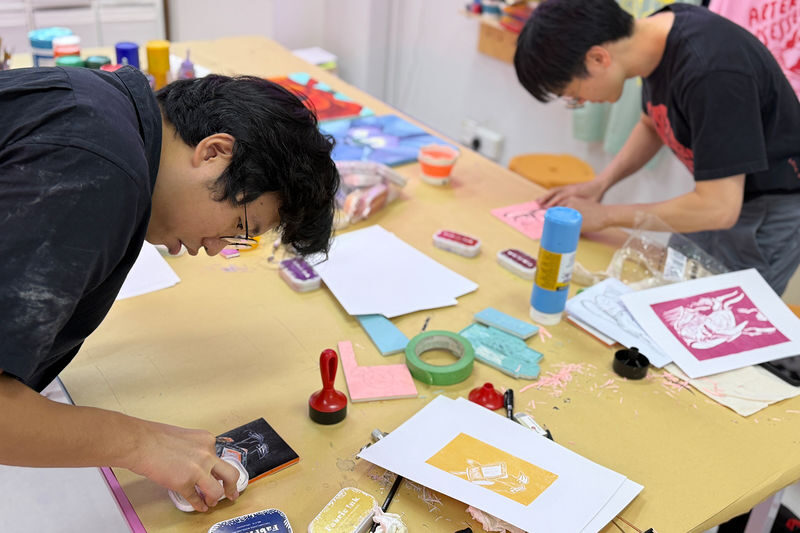
The format is social and beginner-friendly, with facilitators offering tips as you work. You do not need to arrive with a finished design, but a simple shape is usually easier to carve than a fussy image with lots of tiny details. The package is called Introduction to Relief Printmaking, which is a sensible way to think of it: an introduction, not a long course in advanced carving.
Choosing the right workshop for you
Choose cyanotype if you want to understand a historic photographic process and leave with a tote and blue prints. It is the most unusual option, and the sunlight element gives the session a hands-on science-class quality. It is also the option with the clearest risk of uneven results.
Pick gel plate printing if you prefer colour, texture, and spontaneous layering. The reusable plate and lack of a press make it approachable, while the one-off nature of monoprinting means you can experiment without trying to reproduce a perfect copy.
Relief printing suits you if you like carving, stamps, and designs that can be printed on more than one surface. It involves a tool-based process, so it may suit older children and adults better than very young makers. All three classes are designed for beginners, but the experience is not interchangeable: consider whether you want to arrange, paint, or carve.
A practical stop near Chinatown
The studio is at 195 Pearl’s Hill Terrace, #01-06, about a three-minute walk from Chinatown MRT Exit C. That makes it straightforward to fit into a day in the area without setting aside a long journey across Singapore. The listed workshop times are 10:00, 13:00, 16:00, and 19:00 on Tuesday, Thursday, Friday, and Saturday.
The cyanotype session is 90 minutes. No duration is given for the other workshops, so check before booking if you are planning around a meal, another activity, or a tight schedule. Participants must be at least five years old. Present your mobile voucher at the meeting point.
Prices vary by package. The experience is advertised from US$43.05, while the listed cyanotype option starts at US$39.10 and Introduction to Relief Printmaking at US$46.95. Treat these as package-dependent starting prices and confirm the total for your chosen date and workshop. Value here comes from guided instruction, materials, and take-home work, not from producing a perfect print on the first try.
Is this Singapore printmaking class worth booking?
I’d book Arterly Obsessed if you want a creative activity with a real technique at its centre, especially if you are happy to learn by doing. The welcoming, patient instruction often makes the workshop comfortable for first-timers, and a tote or carved stamp gives you a reminder you actually made yourself. It can also work as a low-key date or a family activity, with the age and tool considerations in mind.
For the best chance of enjoying cyanotype, bring a clear reference image, use bold shapes, and ask the instructor to explain each stage before the exposure begins. Keep expectations flexible: light conditions can affect the result, and not every print will be crisp. If you would be disappointed by anything short of a flawless tote, choose a different activity. If you value the process as much as the finished piece, this small studio workshop is a practical, hands-on way to try printmaking near Chinatown.
Explore the Art of Print Making in Singapore
“had a great time with michelle, our instructor who guided us on the process of cyanotype and explained the art of it! enjoyed having the opportunit…”
FAQ
How long is the cyanotype workshop?
The cyanotype printing workshop is 90 minutes. A duration is not specified for gel plate printing or relief printmaking.
What can I make in the cyanotype session?
You make cyanotype prints on paper and personalise a tote bag using materials such as plants, stencils, and collage.
Do I need drawing skills?
No. The cyanotype workshop is designed for beginners and provides materials such as stencils and images to help you create a design.
What should I bring for a more personal cyanotype design?
You can bring your own artwork or a reference image. A clear, dark image may produce a stronger print.
Does the cyanotype workshop always use sunlight?
The process uses sunlight, but UV lamps may be used when sunlight is weak. Exposure conditions can affect the final print.
What happens in the gel plate printing workshop?
You use a reusable gel plate and acrylic paint to make layered monoprints, experimenting with textures, stencils, and magazine images. No press is needed.
What happens in the relief printmaking workshop?
You design and carve a rubber stamp, then print your design on paper and a tote bag. Materials are included.
Where is the studio?
The meeting point is 195 Pearl’s Hill Terrace, #01-06, Singapore. It is about a three-minute walk from Chinatown MRT Exit C.
What days and times are available?
The listed days are Tuesday, Thursday, Friday, and Saturday. Available times are 10:00, 13:00, 16:00, and 19:00.
What is the minimum age?
Participants must be at least five years old. The tools used in relief printmaking may be more suitable for older children.