A block of wood becomes a plate or vase under your own hands at Little Corner HK. You’ll learn to use a wood lathe, shape the timber and sand it smooth, with an instructor nearby to guide you. It’s a proper workshop, not a quick craft table activity: expect machinery, wood dust and a finished object you made yourself.
I like the small class size, capped at six, and the chance to choose a form and, for plates, a wood type. I also like that beginners get clear, step-by-step instruction from teachers such as Yan, while still having room to make their work their own.
One consideration: lessons are taught only in Cantonese, and the sanding stage is dusty. You’ll need a suitable mask, closed shoes and clothes you don’t mind getting marked. Check the booked package and time carefully, since plate, vase and seasonal Christmas-tree workshops have different schedules and outcomes.
- Choose your project: Turn a 14 to 16 cm wooden plate or shape a 6 cm wide, 15 cm high vase from camphor wood.
- Work with real machinery: Learn to use a lathe and turning tools, then sand and oil your piece.
- Keep the group small: Each class has a maximum of six participants.
- Expect a hands-on session: The plate workshop takes about three hours, and the listed class content is around two to two and a half hours.
- Plan for dust: The studio provides an apron and goggles, but you must bring a mask and wear safe clothing.
- Add a seasonal option: The Christmas-tree workshop uses camphor wood and includes cutting, drilling, filing and sanding.
- A Small Workshop With a Real Wood Lathe
- Decide Between a Plate, Vase or Christmas Tree
- From First Cut to Finished Surface
- What the Price Buys You
- Getting There and Dressing for the Workshop
- Who Will Enjoy Making Something by Hand
- Should You Book Little Corner HK?
- FAQ
- How long does the woodturning workshop take?
- What can I make?
- Is the workshop suitable for beginners?
- What language is used for instruction?
- What should I wear or bring?
- How do I get to the studio?
- Can I get a heat-resistant finish on my wooden plate?
- The Best Of Hong Kong!
- More Workshops & Classes in Hong Kong
- More Tours in Hong Kong
- More Tour Reviews in Hong Kong
- Not for you? Here's more nearby things to do in Hong Kong we have reviewed
A Small Workshop With a Real Wood Lathe
 1 / 6
 2 / 6
 3 / 6
 4 / 6
 5 / 6
 6 / 6
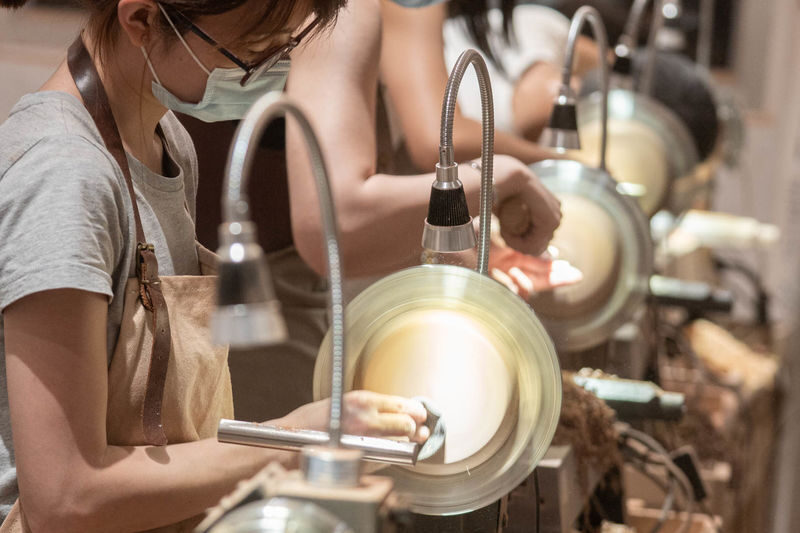
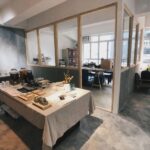
Little Corner HK is in Wong Chuk Hang, an industrial part of Hong Kong where a woodcraft studio feels right at home. This is not a polished showroom demonstration. You work with a lathe and tools, learning how wood responds as you shape it. That hands-on element is the point: you leave with more than a souvenir, you leave knowing something about the process behind it.
The workshop is suitable for beginners. You do not need prior woodworking experience, and the instructor explains the steps before you try them. Past sessions have been led by Yan, also referred to as Ah Yan, whose teaching style is described as clear and patient. You’ll get help when you need it, but there is still a satisfying moment when the tool is in your hands and the work starts to take shape.
Classes are capped at six people. That gives the instructor a chance to watch closely, which matters when you are handling rotating machinery. It also means you should book the correct session and confirm the current schedule: availability can change if a class reaches capacity.

👉 See our pick of the Best Historical Tours In Hong Kong
Decide Between a Plate, Vase or Christmas Tree
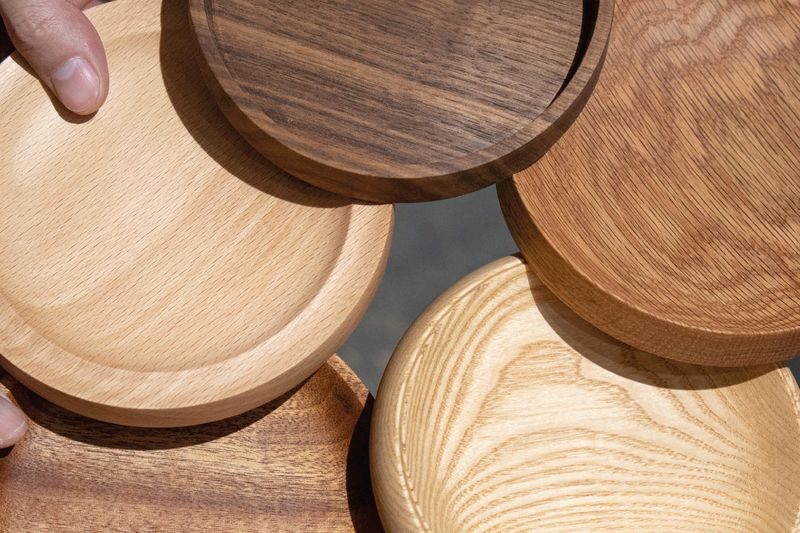
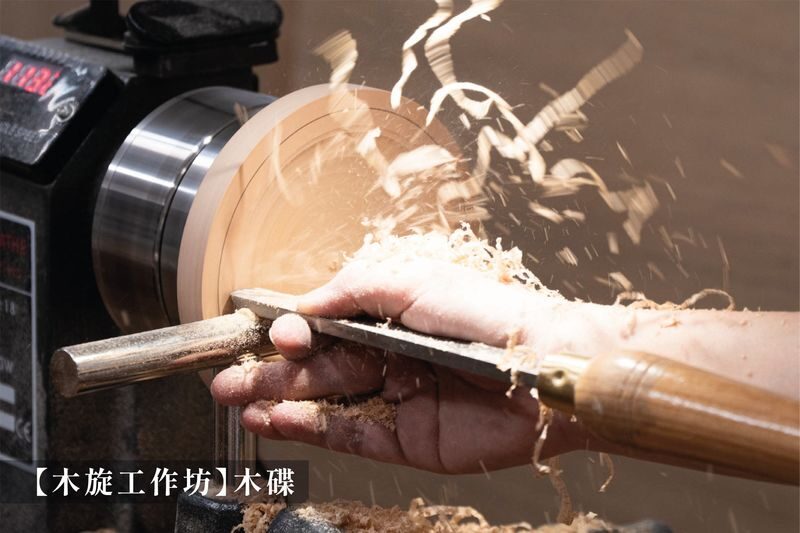
The two main woodturning choices are a wooden plate and a vase. Both include using a lathe and turning tools, sanding the surface and applying oil. The plate measures about 14 to 16 cm across. It is a practical size for a small dish or serving piece, though the finished object’s exact colour and grain will depend on the individual block of wood.
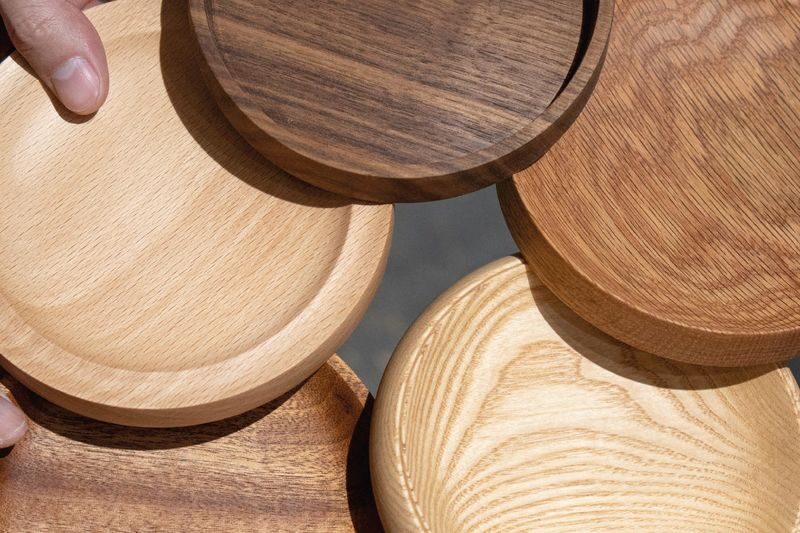
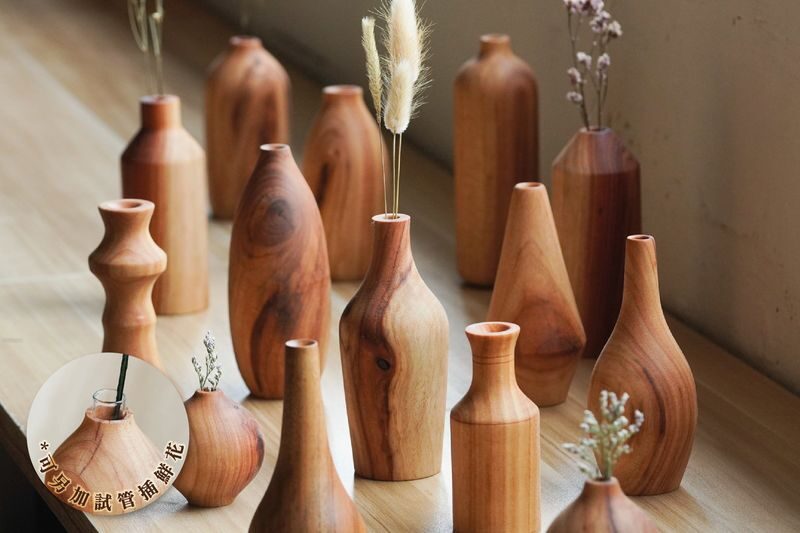
For the plate, you can choose from camphor, red oak, ash, beech, sapele and black walnut. Some woods cost extra, so check the price before you select your material. The vase is made from camphor wood and measures about 6 cm in diameter and 15 cm high. Test tubes are available to buy separately if you want to use it for fresh flowers or as a diffuser bottle.
There is also a limited-edition Christmas-tree workshop. Starting with small blocks of fragrant camphor wood, you draw a shape, cut it with a jigsaw, drill, file and sand the surface, then apply wood oil. You can pick from five designs or draw your own, and laser engraving is available on the base. This is a separate project, not part of the plate or vase package, and its stated duration is two and a half to three hours.
The workshop has also offered carving and textured-plate activities. These are distinct from turning a plate on a lathe, so check the activity name when booking rather than assuming every plate class uses the same method. The wooden-disc session is listed at around three hours, with Saturday afternoon and evening sessions and a Sunday lunchtime session. The vase and seasonal tree schedules may differ.
You can also read our reviews of more tours and experiences in Hong Kong
From First Cut to Finished Surface
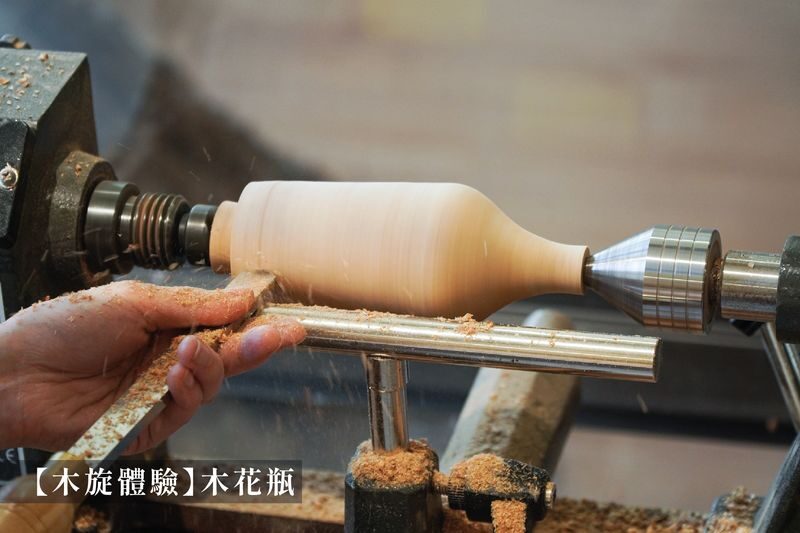
A woodturning session begins with an introduction to the machine and tools. You’ll learn how to work with the lathe before shaping your piece. This is the part that makes the class feel different from a simple craft activity: the machine does the spinning, but your decisions and steady handling determine the shape.
Next comes sanding. This smooths the surface and brings out the wood’s colour and grain. It is also the dustiest part of the process, so the mask is required, not an optional extra. Bring a mask that meets the stated BFE/PFE specification of over 95 percent; a regular surgical mask is listed as suitable. The studio provides an apron and goggles.
After sanding, you apply wood oil. For basic wood tableware, the oiling process is simple enough to do yourself, and the studio provides a care-oil set for future re-oiling. If you want a heat-resistant finish on a plate, that treatment is more involved and must be completed by the shop. It costs an additional $80, takes seven to ten days, and the finished plate can be collected from the studio or shipped when ready. The basic oil is described as food-grade to US FDA standards; the heat-resistant treatment meets EU BS EN food-grade standards and is waterproof and heat-resistant.
The vase session follows the same broad rhythm: learn the tools, shape the wood, sand it and apply oil. The finished vase is yours to take home. Some sessions have also included dried flowers and wood-care oil, but check what is included with your specific package rather than counting on an extra.
What the Price Buys You
The listed starting price is US$61.15 for the wooden-disc or vase experience. For that, you get a guided session, access to woodworking equipment, surface finishing and a piece you make yourself. That is a fair proposition if you want a structured introduction to a skill you are unlikely to practise with workshop machinery at home. The small class limit is part of the value: careful instruction and safe use of tools matter more here than a long list of extras.
Budget for possible add-ons. Certain plate woods cost extra, and the heat-resistant tableware oil treatment adds $80. The price for the Christmas-tree workshop is listed separately at $725 for one person or $580 per person for groups of two to six. Since the currency for those amounts is not specified in the activity details, confirm the current price before you book.
Think of the class as a focused, three-hour activity rather than a full-day woodworking course. You’ll come away with a finished object and a useful first look at turning, but not enough time to master a craft. The wood itself varies in colour and grain, so your piece will be individual, even if you follow a set project.
Getting There and Dressing for the Workshop
The studio is described as being on the 18th floor of Block 1, Kam Lai Industrial Building, at 33-35 Yip Kan Street. The meeting point is also called Kingley Industrial Building, and another address spelling appears in the workshop details. Since the English building names vary, confirm the exact entrance and floor with the studio before setting off.
From Wong Chuk Hang MTR station, use Exit B and cross the footbridge to the opposite side. The walk is about three minutes. The location is convenient by public transport, but give yourself time to find the correct industrial-building entrance.
Wear closed shoes, not slippers or sandals. Avoid loose shirts and skirts that could catch in machinery, and tie up long hair. The studio advises against black or white tops, low-cut clothing and cold knitted garments. Sanding creates a fair amount of dust, so bring a change of clothes if you would rather not travel home in your workshop outfit.
The workshop calls for a certain level of physical effort, so arrive fed and ready to work. The session can run over its planned time depending on how quickly the class progresses. If you want to use the self-service laser engraving area, allow extra time; engraving is not counted as workshop time.
Two shy cats live at the studio. They do not usually approach people and are said to be wary of crowds. If you are very uncomfortable around cats, factor that into your decision.
Who Will Enjoy Making Something by Hand
This is a good fit if you enjoy practical activities, want to try a new skill or would rather take home something handmade than another standard souvenir. It also works for a small group looking for a shared activity: the class is limited to six, and the teacher can give guidance as each person works.
Parents and children have taken part together, and the woodturning process has been described as safe and enjoyable for a first try. Still, this is a workshop with rotating machinery, not a play space. Follow the safety instructions closely, and check with the studio about age suitability before booking, since no minimum age is specified.
The class may be less suitable if you need English instruction, dislike dust or want a quiet, low-effort activity. Cantonese is the only language listed for teaching. The session also asks for patience and hand-eye coordination, especially while shaping and sanding.
The experience has an overall rating of 4.7 out of 5 from 35 ratings. The most consistently praised features are the patient teaching, clear explanations, chance to use equipment you would not normally handle and satisfaction of finishing a piece yourself. There is one useful caveat: sessions can feel rushed if a process takes longer or participants have to wait for a machine. One past participant also reported waiting outside after an instructor arrived late without notice. Arrive on time, and if nobody is there at the scheduled start, contact the studio rather than waiting without an update.






Should You Book Little Corner HK?
Book it if you want a hands-on introduction to woodturning, value patient instruction and like the idea of taking home a useful object shaped by your own work. The vase is the more sculptural choice; the plate is the practical one, especially if you are interested in the different wood options and food-safe finish.
Skip it if you want English-language instruction, dislike workshop dust or need a session that ends at an exact time. Before paying, confirm the project, current class time, building name and any material or oiling surcharges. The voucher is valid only for the specified date and time, and cancellations or refunds are not available. With those details settled, this is a rewarding way to spend a few hours making something with your hands.
Little Corner HK – Wood turning and wood carving workshop | Wood craft experience | Wong Chuk Hang
“💪 A very fulfilling experience! Thank you to Ah Yan for the detailed and thorough explanation, which made the entire learning process flow smoothly…”
FAQ
How long does the woodturning workshop take?
The wooden-disc workshop is listed as taking three hours. The class content is described as about two to two and a half hours, and the session may run longer depending on progress.
What can I make?
You can book a wooden plate or a wooden vase. A separate limited-edition workshop makes a camphor-wood Christmas tree.
Is the workshop suitable for beginners?
Yes. The woodturning and Christmas-tree workshops are described as suitable for beginners, and the instructor explains how to use the tools.
What language is used for instruction?
The workshop provides instruction in Cantonese only.
What should I wear or bring?
Wear closed shoes and fitted clothing, tie back long hair, and bring a mask that meets the stated BFE/PFE specification of over 95 percent. The studio provides an apron and goggles.
How do I get to the studio?
From Wong Chuk Hang Station Exit B, cross the footbridge to the opposite side. The walk is about three minutes. The address is given as the 18th floor of Block 1, Kam Lai Industrial Building, at 33-35 Yip Kan Street, though the building name is spelled differently in some details. Confirm the exact entrance before going.
Can I get a heat-resistant finish on my wooden plate?
Yes. The shop can apply a heat-resistant, waterproof food-grade finish for an additional $80. Processing takes seven to ten days, after which you can collect the plate or have it shipped.