The appeal here is hands-on and clear: you make two small rosewood frames with traditional mortise-and-tenon joints, then add your own tile paintings. I like that the wood is reclaimed from furniture production, and that the project joins practical craft with a quiet, creative activity.
One thing to check before you book is the price: the displayed starting rate is US$61.45, while the program details also state $350 without naming a currency. The location’s building name varies across the directions, too, so confirm the exact entrance with the provider before setting off.
At a glance
- Two frames, two tiles: The finished set includes two rosewood outer frames and two tile paintings, each about 8 by 8 centimeters.
- A traditional joint, not just glue: You’ll fit the frame using mortise-and-tenon construction, a method that connects shaped pieces of wood.
- Leftover wood gets a second life: The mahogany or rosewood is described as valuable material left from other furniture production.
- A creative outing for ages six and up: The activity is suitable for children from age six, making it a possible shared project for adults and children.
- Friendly staff: A reported plus is the staff’s friendly manner. The available rating is based on only one review, so treat it as a small sign rather than a guarantee.
- A Chai Wan workshop: The address is on Hong Man Street, a five-to-ten-minute walk from Chai Wan Exit B.

👉 See our pick of the Best Historical Tours In Hong Kong
- At a glance
- Two small frames, one satisfying change of pace
- What happens from wood joint to painted tile
- Why the reclaimed rosewood matters
- A useful activity for adults and children
- Reaching the workshop in Chai Wan
- What the price buys, and what to verify
- Booking details worth checking first
- Should you book this Chai Wan craft session?
- FAQ
- Where is the workshop?
- How do I get there by public transport?
- What will I make?
- What age can take part?
- How much does the activity cost?
- Is the wood newly cut for the workshop?
- Can the finished pieces be delivered?
- Can I change or cancel my booking?
- The Best Of Hong Kong!
- More Tours in Hong Kong
- More Tour Reviews in Hong Kong
- Not for you? Here's more nearby things to do in Hong Kong we have reviewed
Two small frames, one satisfying change of pace
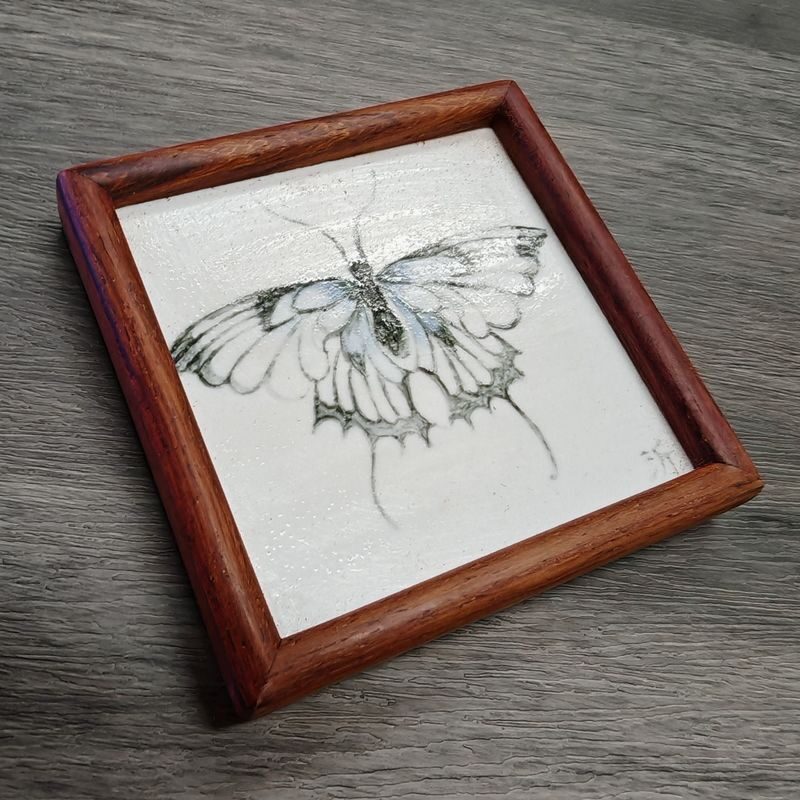
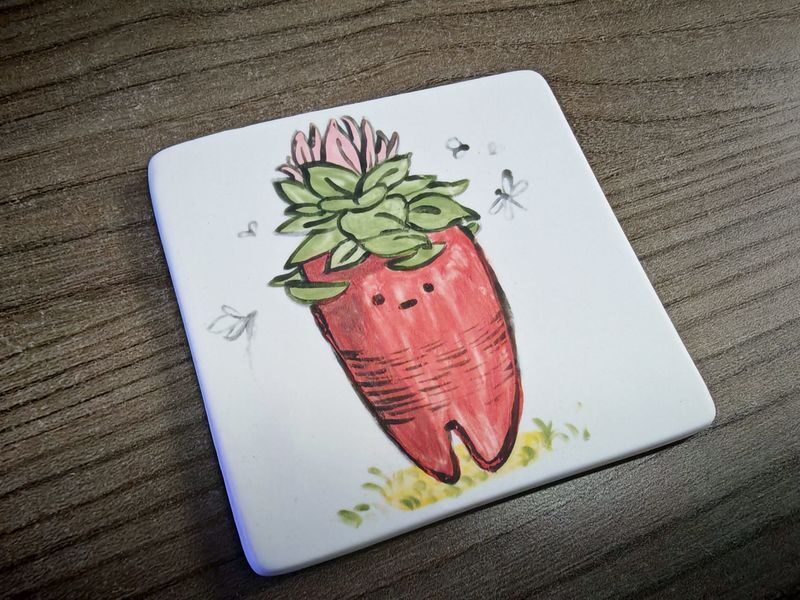
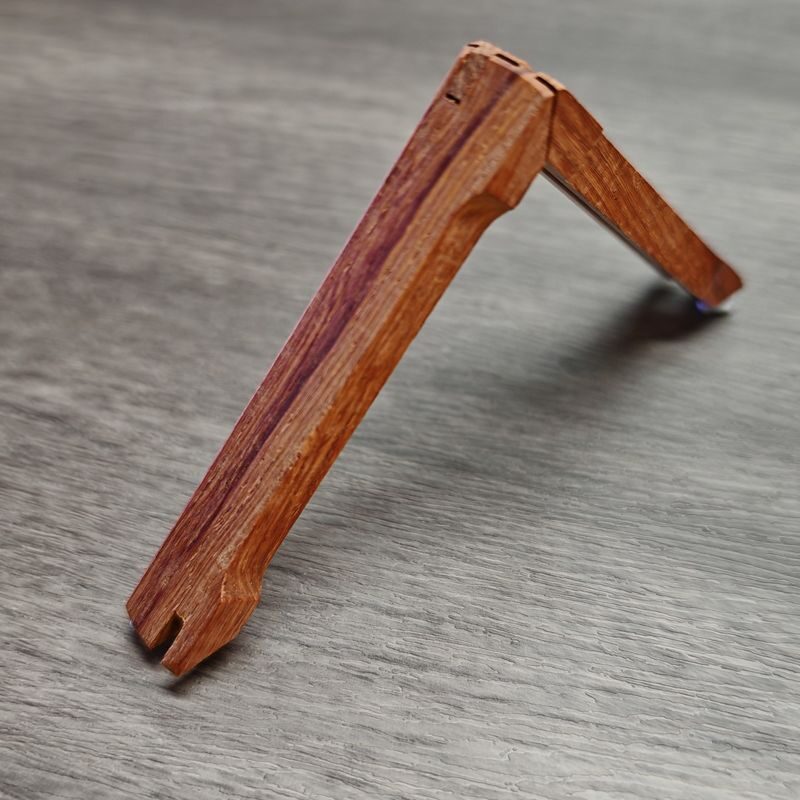
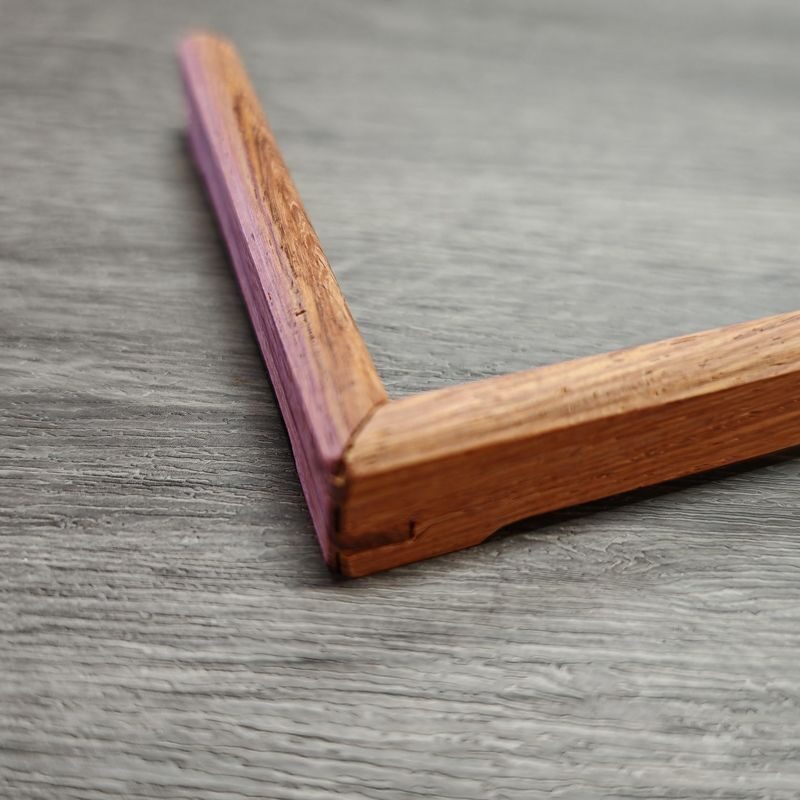
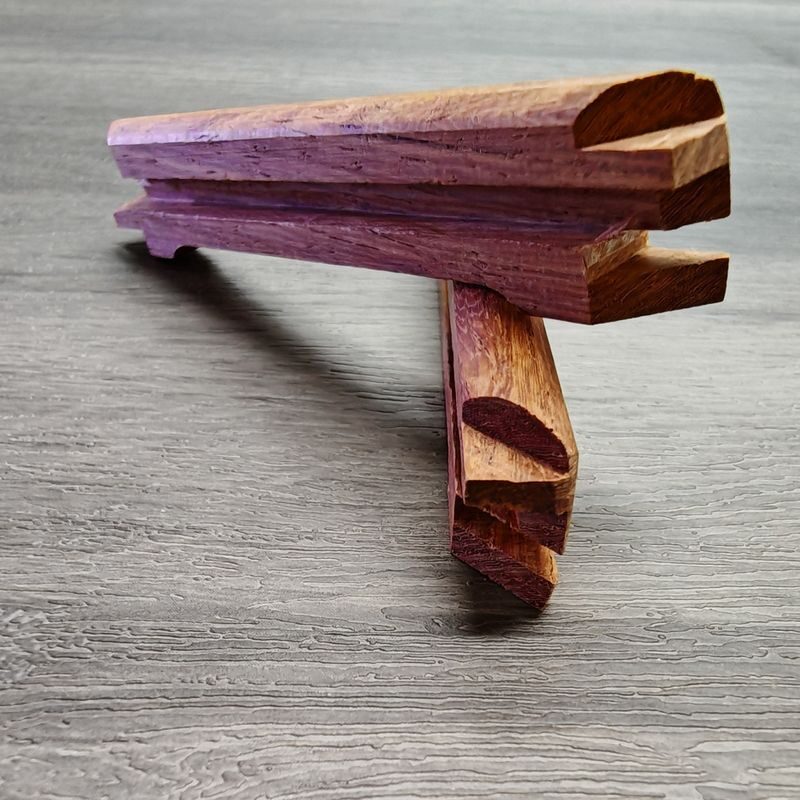
This workshop combines two kinds of making. First comes the structure: fitting a rosewood frame by joining its parts with a mortise-and-tenon connection. Then comes the color: painting two small tiles to sit within the frames. The finished pieces are modest in size, but the process gives you more to do than simply decorate a ready-made object.
I like the balance between careful assembly and free painting. The joinery gives the session a link to traditional woodworking, while the tiles leave room for your own choices. You get a clear task to follow, but the final color and design are yours.
The activity is presented as a calm, focused experience rather than a quick souvenir stop. Its description emphasizes the faint fragrance of rosewood and the pleasure of working through each step. That suggests a slower pace, though no session duration is provided, so check the scheduled time and allow for the full workshop rather than planning a tight connection afterward.
You can also read our reviews of more tours and experiences in Hong Kong.


What happens from wood joint to painted tile
The sequence begins with the wooden frame. You’ll work with pieces of mahogany or rosewood selected from material left over after furniture production. The workshop’s stated aim is to make use of that valuable surplus, rather than let it go to waste. For you, that means the wood is part of the story, not simply a finish around the artwork.
Next comes the mortise-and-tenon joint. In basic terms, one shaped part fits into another, creating a connection through the wood itself. The activity frames this method as a traditional craft, and the hands-on element matters: you are not only looking at a finished frame, but taking part in putting its structure together. The details do not explain the tools used or how much guidance is given, so ask the provider if you want to know how independent the assembly work will be.
Once the frame is assembled, you move to the tile painting. The finished product includes two tiles, each about 8 by 8 centimeters, and two matching outer frames. The description invites you to paint freely, so you can treat the tiles as a pair or make each one different. No sample designs, paint types, or firing process are specified. If you need to know whether the tiles are glazed, fired, or ready for display on the day, ask before booking.
The final step is bringing the two materials together: a crafted wooden structure and your painted tiles. That change from joinery to decoration is what makes the activity appealing to different ages and interests. One person may enjoy the precision of fitting wood; another may be happiest choosing colors. The small scale keeps the project approachable, though it also means this is not a large piece of furniture or a long woodworking course.
Why the reclaimed rosewood matters
The sustainability idea is unusually tangible here. The wood is described as useful leftover material from other furniture production, and the workshop aims to give each piece a new life. That is more meaningful than a general promise to be eco-friendly: you can see the material become part of an object you make and take away.
There is also a useful lesson in the contrast between the material and the finished work. Rosewood is presented as valuable, while the project uses small pieces of it for two compact frames. The workshop asks you to pay attention to how material is used, how joints hold together, and how a simple object can carry craft and personal design at once.
Keep expectations in proportion. The activity gives you an introduction to one traditional joining method, not a full course in furniture making. If your main goal is to gain woodworking skills or work with a broad range of tools, ask what the session covers before paying. If you want a short creative project with a clear finished result, the format makes more sense.
A useful activity for adults and children
Participants must be at least six years old. That age threshold makes this a possible parent-and-child activity, particularly if you want something more tactile than a standard sightseeing stop. The project has distinct stages, and children can engage with the painting while adults may enjoy the construction and material story.
Still, the information does not say whether children need an adult beside them, whether every participant makes a full set, or how much help the staff provide. Those details matter when booking for a family. Confirm them if you are planning for younger children or a group with different ages.
The provider is Concept X Plus Ltd, and one piece of available feedback notes friendly staff. That is encouraging for an activity where hands-on instructions can make the difference between a relaxed session and a frustrating one. But the public rating rests on a single review, so it offers only a limited picture of what every session will be like.
Reaching the workshop in Chai Wan
The address is given as Room 207, second floor, Block B, at 6 Hong Man Street in Chai Wan. The route information says Chai Wan Exit B is a five-to-ten-minute walk away. That is helpful if you are already in Hong Kong and want an activity that does not require a day trip outside the city.
There is a naming mismatch in the supplied directions: the meeting point is called Golden Rich Industrial Building, while the detailed address identifies Kam Man Fung Industrial Building, with one version also written as Golden Man Fung Industrial Building. Do not rely on the building name alone. Use Room 207, Block B, 2/F, and confirm the correct building name or map pin with the provider before you leave.
The provider lists WhatsApp contact number 9666 7295. The workshop’s own site and Facebook page are also provided for further information. Since the meeting-point names differ, a quick confirmation by message is a practical step, especially if you are unfamiliar with Chai Wan’s industrial buildings.


What the price buys, and what to verify
The displayed price starts at US$61.45, while the program details give a price of $350 without specifying the currency. Another package option, Ceramic Charm, starts at US$55.85, and the experience information also refers to the Tsz Ngai Ceramic Charm package. These amounts and labels are not fully aligned, so check the exact package, currency, and inclusions shown at checkout before you commit.
The stated finished product is two painted tiles, each around 8 by 8 centimeters, plus two rosewood outer frames of approximately the same size. That gives you a pair of small keepsakes and the experience of making them. To judge the value, consider whether you want the process as much as the object. If you are mainly seeking a large souvenir, these pieces may feel small for the cost. If the joinery, painting, and reclaimed-material idea are part of the appeal, the value is in the time spent making them as well as what you take home.
Delivery may be arranged through a third-party logistics provider if needed. The delivery estimate can change, and your contact details may be shared with that provider to arrange it. If you need the finished pieces by a certain date, ask whether you can take them with you or how delivery timing works before booking.
Booking details worth checking first
The voucher is valid only for the selected date and time, where a time is specified. Changes are generally allowed until 24 hours before the activity, but there are exceptions for bookings made with Klook Pass, presales, freebie offers, certain cultural credit programs, or bookings whose voucher has not yet been issued. The cancellation terms state that a full refund is available if you cancel at least 24 hours before the activity date, using destination local time.
Confirmation is usually provided within minutes. If it does not arrive, contact customer support. Since the workshop is in an industrial building and the address labels vary, confirm the meeting point and your selected session details before traveling across town.
Should you book this Chai Wan craft session?
Book it if you want a small, practical introduction to traditional joinery, enjoy painting, or are looking for a creative activity to share with a child aged six or older. I especially like the fact that the project pairs a real construction step with a personal design choice, and that the wood reuse message is built into the material itself.
Pause before booking if you need a firm session length, a detailed tool list, or a clear explanation of the price. Those points are not specified here, and the package names and building labels need checking. Confirm the exact cost, what support is provided, and where to meet. With those details settled, this looks like a thoughtful way to spend time making two compact objects rather than buying another ready-made souvenir.
Concept X Plus – Tsz Ngai. Pottery Rhyme – Mahogany Mortise and Tenon with Tile Painting Experience
FAQ
Where is the workshop?
It is at Room 207, second floor, Block B, at 6 Hong Man Street in Chai Wan, Hong Kong. The building name differs across the directions, so confirm the exact name or map pin with the provider.
How do I get there by public transport?
The directions state that the workshop is a five-to-ten-minute walk from Chai Wan Exit B.
What will I make?
You will make two rosewood outer frames using mortise-and-tenon joints and paint two tiles. Each tile and frame is approximately 8 by 8 centimeters.
What age can take part?
Participants must be aged six or older.
How much does the activity cost?
The displayed starting price is US$61.45. The program details also state $350 without naming a currency, so confirm the exact price and package at checkout.
Is the wood newly cut for the workshop?
The wood is described as valuable material left over from other furniture production, with the workshop aiming to give it a new use.
Can the finished pieces be delivered?
Delivery can be arranged through a third-party logistics provider if needed. The delivery time is an estimate and may vary.
Can I change or cancel my booking?
Changes are generally allowed until 24 hours before the activity, subject to stated exceptions. A full refund is available when you cancel at least 24 hours before the activity date, using destination local time.