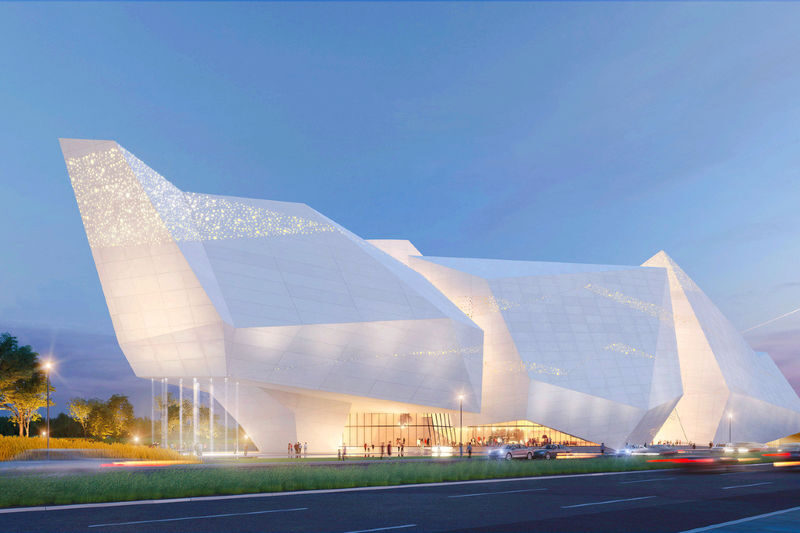
Chengdu Natural History Museum makes a good change of pace from the city’s better-known wildlife attractions: here, the story shifts from living pandas to fossils, minerals and the long development of life on Earth. Its three-story exhibition space covers subjects from Sichuan’s geology to dinosaur fossils and local species.
I like the range of subjects under one roof, and I like that the museum gives you a way to understand the region’s natural world, not just look at specimens. The mineral displays and dinosaur exhibits are natural crowd-pleasers, while the geology and evolution sections add context for adults who want more than a quick family outing.
One practical snag: much of the exhibit information is in Chinese. A translation app can help with the labels you most want to read, but allow a little extra time, and arrange a reservation ahead. Admission is described as free with a required reservation, while a ticket option is also offered from $3.35, so check the terms and final price before booking.
- Five themed halls: Look for geology, mineral resources, dinosaurs, the origins of life and biodiversity.
- A sizeable indoor visit: Plan on two to three hours, with a three-story exhibition space to explore.
- A useful Chengdu address: The museum is at No. 88, Shilidian Road, about 110 metres on foot from Shilidian metro station Exit B.
- Reservation matters: Daily capacity is limited, and one valid ID can be used for only one ticket per date.
- Extra activities cost more: The 4D cinema is about 30 yuan per person; some interactive programs may also have a charge.
- Family-friendly, with a language caveat: Children can enjoy the fossils and minerals, but much of the written information is in Chinese.
- A Three-Story Look at Earth’s Past
- Start With Dinosaurs, Then Follow the Local Story
- What the Visit Feels Like in Practice
- Making Sense of the Price and Reservation
- Getting There and Choosing Your Time
- Who Will Get the Most From It
- Should You Book the Chengdu Natural History Museum?
- FAQ
- Is Chengdu Natural History Museum free?
- What are the museum’s opening hours?
- How long should I allow for a visit?
- Where is the museum?
- Do I need to reserve in advance?
- How do I enter with a ticket?
- Is the museum suitable for children?
- Are the 4D cinema and interactive programs included?
- The Best Of Chengdu!
- More Historical Tours in Chengdu
- More Tours in Chengdu
- More Tour Reviews in Chengdu
- Not for you? Here's more nearby things to do in Chengdu we have reviewed
A Three-Story Look at Earth’s Past
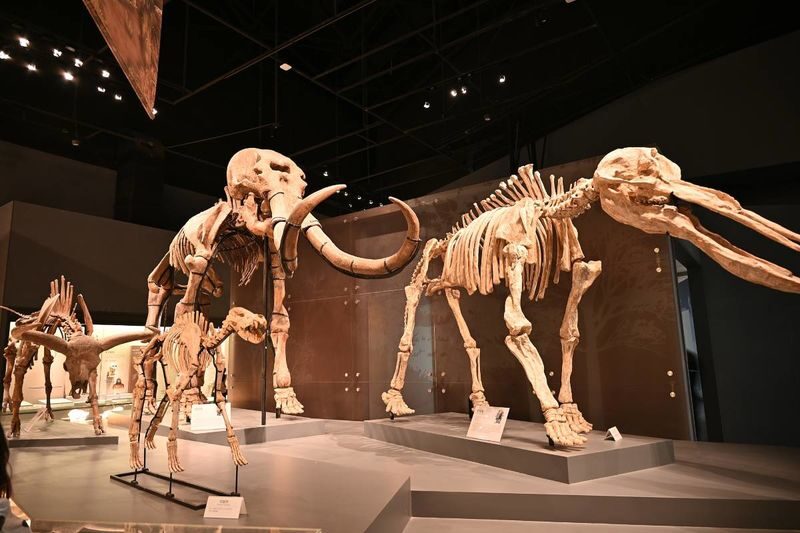
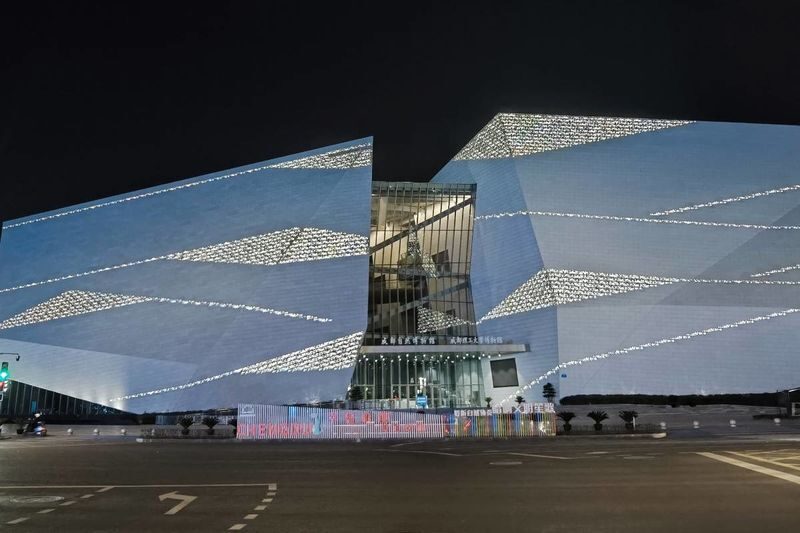
This is not a guided tour with a fixed route or a named guide. You visit the museum on your own, following its exhibition halls at a pace that suits your group. That makes it easy to pause at a favourite display, though you’ll need to supply your own context if you want detailed explanations in English.
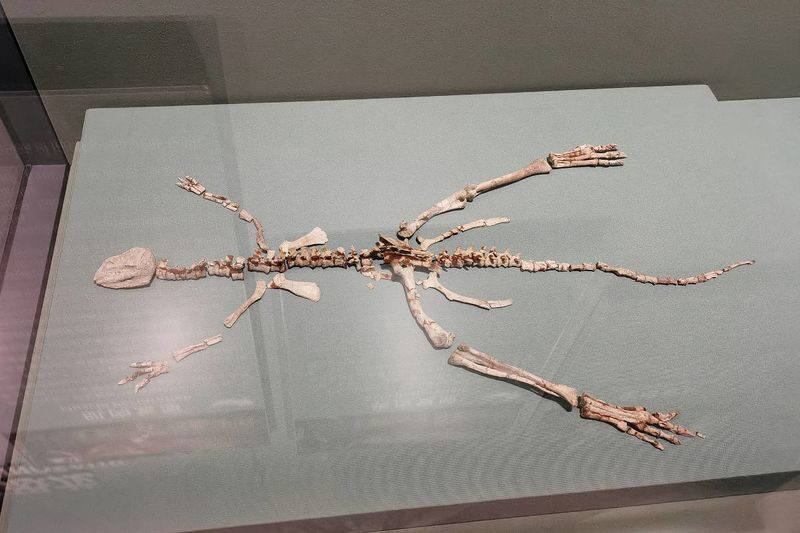
The museum brings together fossils, animal and plant specimens, minerals and geology. Those subjects fit together well: fossils show changes in life over time, while rocks and minerals help explain the Earth those organisms inhabited. If you’re visiting with children, the dinosaurs offer an easy starting point before moving on to less familiar material.
The five named themes are the Geology Hall, Mineral Resources Hall, Dinosaur Hall, Origin of Life Hall and Colorful Life Hall. Their scope gives you a broad introduction rather than a narrow focus on one species or period. The result is a visit that can suit both a family looking for a few memorable displays and an adult curious about Sichuan’s natural history.

👉 See our pick of the 11 Best Shopping Tours In Chengdu
Start With Dinosaurs, Then Follow the Local Story
The Dinosaur Hall is an obvious place to begin if you’re visiting with children, or if fossils are your main reason for coming. Large fossil displays make a strong visual introduction to the museum’s subject. Give the specimens time: a quick glance may satisfy a young visitor, but the scale and details reward a slower look.
From there, the geology and mineral sections shift the focus from ancient animals to the ground beneath them. The museum’s regional emphasis is useful here. Rather than treating nature as a collection of unrelated curiosities, the exhibits connect the broad story of Earth’s development with Sichuan’s geology and local species.
The Mineral Resources Hall offers a different sort of display from the fossil galleries, with rocks and minerals providing colour and structure. For children, it can be a welcome change of pace; for adults, it offers a chance to notice how varied the museum’s collection is. Don’t expect every label to be easy to read if you don’t know Chinese, but you can use a translation app for selected explanations.
The Origin of Life and Colorful Life halls widen the frame again, moving from early life to biodiversity. Together, the five themes create a natural progression: Earth, minerals, fossils, life’s beginnings and the variety of living things. The arrangement makes the museum worthwhile even if you arrive mainly for dinosaurs.
You can also read our reviews of more historical tours in Chengdu



What the Visit Feels Like in Practice
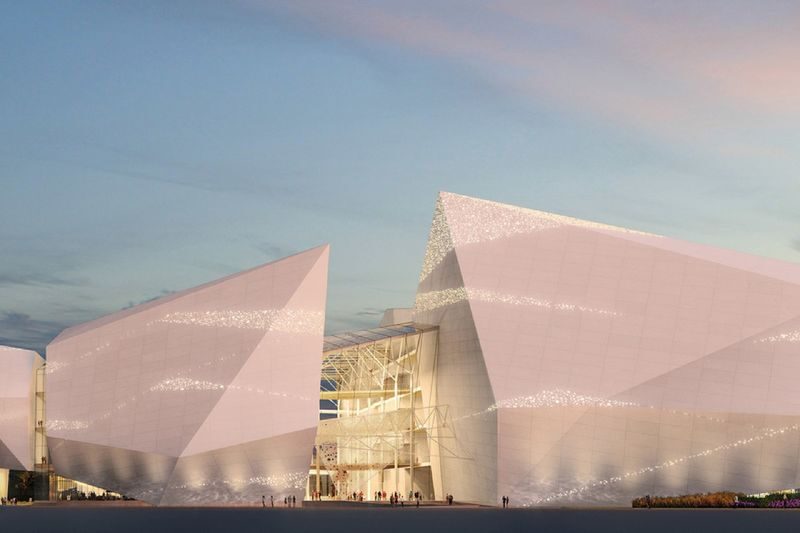
The museum is described as modern, tidy and large, with a three-story exhibition hall. That scale is a plus if you want a substantial indoor outing, but it also means you should not treat the museum as a brief stop between other plans. Set aside two to three hours to see the main areas without rushing.
The visit is self-paced, so you can make it as simple or as detailed as your group prefers. With young children, focus on dinosaurs, minerals and whichever displays catch their attention. If you’re keen on science, use the geology and evolution sections to build a more complete picture, and plan for extra time to translate labels.
A practical approach is to choose a few subjects you care about before you arrive. The collection is broad, and trying to read every sign through a phone can slow the visit considerably. Take a moment to get your bearings, then use translation where it adds real value.
Flash photography is prohibited inside the building. Also, re-entry is not allowed after you leave, so finish any break, meal or errand before entering. Dining and shopping are not included in the ticket option, and no details are provided about on-site facilities, so don’t count on a particular café or shop as part of your plan.
Making Sense of the Price and Reservation
The museum information describes admission as free, but says a reservation is required. A ticket option is also shown from $3.35. Because those details don’t fully explain how the listed price relates to the museum’s free admission, check the exact product and final amount before paying. The value depends on what that booking option includes, rather than the headline price alone.
For a free-entry reservation, the museum’s official WeChat public account or official website are listed as booking channels. Reservations are subject to a daily limit. The guidance recommends reserving three days ahead, while also advising visitors to book a week in advance, especially during holidays. The sensible takeaway is to book as early as you can, rather than waiting until the last moment.
There is a strict per-person limit: each valid ID can be used for one ticket on a given date, with restrictions applying across platforms. Avoid placing multiple orders with the same personal information. If you need a different date, the stated process is to cancel and book again.
The ticket voucher is valid only for the selected date, and entry is by scanning the electronic QR code at the museum gate. The listed ticket option allows booking as soon as the next day, with confirmation within 24 hours, but that does not remove the daily-capacity limit. Read the cancellation terms before purchase: cancellations more than 24 hours ahead are free, cancellations within 24 hours incur a 30 percent fee, and same-day cancellations or expired, unused tickets incur a 100 percent fee.
Getting There and Choosing Your Time
The address is No. 88, Shilidian Road, Chenghua Avenue, Chenghua District, Chengdu. Shilidian metro station Exit B is about 110 metres away on foot, a handy detail if you’re using the station to reach the museum. The meeting point and entrance are at the museum ticket gate.
Opening hours are Tuesday through Sunday, from 9 a.m. to 5 p.m. The museum is closed on Mondays, and admission stops at 4 p.m. Don’t arrive near the cutoff expecting a full visit: with two to three hours recommended, a late entry leaves little time for the galleries.
The 4D cinema is optional and costs about 30 yuan per person. Some interactive programs may also have separate charges. These are add-ons, not part of the admission package, so decide on them after checking what is available and what your group wants to do.
Who Will Get the Most From It
Families with children have an easy reason to come: dinosaurs and mineral displays give younger visitors something immediate to look at, and the broad subject range offers options if interest shifts. The museum is specifically described as suitable for a visit with children. Just keep the language barrier in mind if your child likes reading exhibit labels or you want to explain details in depth.
Adults interested in geology, fossils or natural history will find more to engage with than a dinosaur hall alone. The focus on Sichuan geology and local biodiversity helps connect the exhibits to the region. If you’re mainly looking for a short, highly interactive attraction, the museum may be more than you need, particularly if you skip the optional activities.
This is also a sensible choice for a rainy day or a break from outdoor sightseeing, though the visit is substantial enough to deserve its own time slot. You don’t need to be a specialist to enjoy the objects, but a translation tool can make the educational side more rewarding.
You can also read our reviews of more museum experiences in Chengdu



Should You Book the Chengdu Natural History Museum?
Book it if you want a well-sized indoor visit with a clear mix of dinosaurs, minerals, geology and biodiversity. It offers good value as an outing, especially if you can use the free reservation route and are happy to explore at your own pace. The modern, clean setting and broad subject range make it a practical pick for families as well as science-minded adults.
Think twice if you have little interest in natural history or need extensive English interpretation. Most exhibit information is in Chinese, and the museum is large enough that a rushed visit won’t do it justice. Reserve early, arrive well before the 4 p.m. admission cutoff, and set aside two to three hours. If those conditions suit you, it’s a worthwhile stop in Chengdu.
Chengdu Natural History Museum
“This scenic spot boasts great ornamental value”
FAQ
Is Chengdu Natural History Museum free?
Admission is described as free, but a reservation is required. A separate ticket option is listed from $3.35, so check the exact booking terms and final price before you purchase.
What are the museum’s opening hours?
It is open Tuesday through Sunday from 9 a.m. to 5 p.m. Admission stops at 4 p.m., and the museum is closed on Mondays.
How long should I allow for a visit?
Plan on two to three hours to explore the museum.
Where is the museum?
It is at No. 88, Shilidian Road, Chenghua Avenue, Chenghua District, Chengdu. Shilidian metro station Exit B is about 110 metres away on foot.
Do I need to reserve in advance?
Yes. A reservation is required, and daily capacity is limited. The guidance recommends booking three days ahead and advises booking a week ahead, especially during holidays.
How do I enter with a ticket?
Scan the electronic QR code at the museum ticket gate. The voucher is valid only for the date selected.
Is the museum suitable for children?
Yes. The visit is described as suitable for children, and the dinosaur fossils and mineral exhibits offer family-friendly subjects.
Are the 4D cinema and interactive programs included?
No. The 4D cinema costs about 30 yuan per person, and some interactive programs may also have a separate charge.