Carbonara is a dish with nowhere to hide: eggs, Pecorino, guanciale, and pasta have to come together at just the right moment. This small-group class puts you in a Roman home kitchen to learn the traditional method, rather than simply ordering the finished dish at a restaurant.
I like two things here: you get to make the sauce yourself, and the setting promises the ease of cooking with a local family, not attending a formal demonstration. There is even room for the meal to take a playful turn: one session expanded into ravioli, hand-cut chitarra pasta, and homemade tiramisu.
One point needs checking before you book: the description promises carbonara and wine, but the inclusions list says carbonara and a small aperitif are not included. The class may still be a lovely meal, but confirm exactly what the price covers.
- Learn the no-cream Roman method: Work with guanciale, Pecorino, and eggs, with guidance on creating a smooth sauce.
- Cook in a home kitchen: The class is designed around local hospitality and a small group of one to six participants.
- Expect a hands-on session: You prepare the dish from scratch with an expert home cook, rather than just watching a cooking demonstration.
- Leave room for surprises: A session may stretch beyond carbonara into other pasta and dessert, though that should not be treated as a guaranteed part of every class.
- Check food and drink inclusions: The description and included-items list do not agree about carbonara and the aperitif.
- Know the practical limits: The exact address arrives after booking, and the activity is not wheelchair- or stroller-accessible.
- Carbonara lessons begin with restraint
- Cooking in a Roman home, not a demonstration kitchen
- What you are likely to do, step by step
- A small group makes the lesson more personal
- What the unexpected pasta and tiramisu add
- Who should book this class
- Should you book it?
- FAQ
- Where does the cooking class take place?
- How much does the join-in class cost?
- How many people can join?
- What will I learn to cook?
- Is the class offered in English?
- Is carbonara included in the price?
- Is wine included?
- Can children attend?
- Is the class wheelchair- and stroller-accessible?
- What is the minimum age for drinking wine?
- The Best Of Rome!
- More Cooking Classes in Rome
- More Tours in Rome
- More Tour Reviews in Rome
- Not for you? Here's more nearby things to do in Rome we have reviewed
Carbonara lessons begin with restraint
 1 / 5
 2 / 5
 3 / 5
 4 / 5
 5 / 5
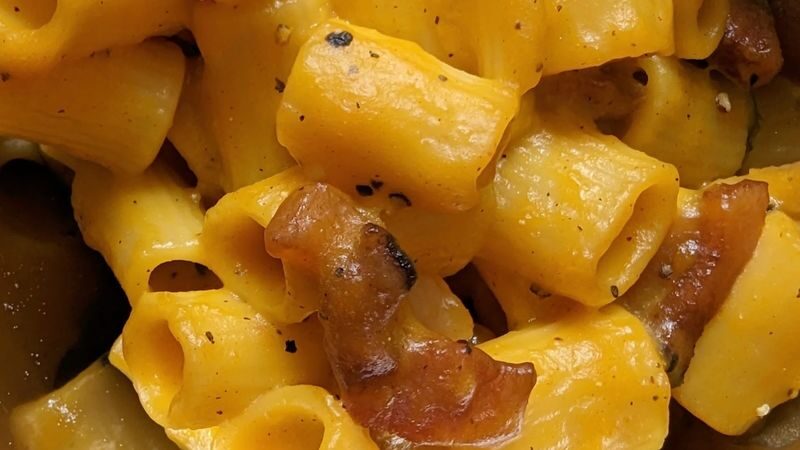
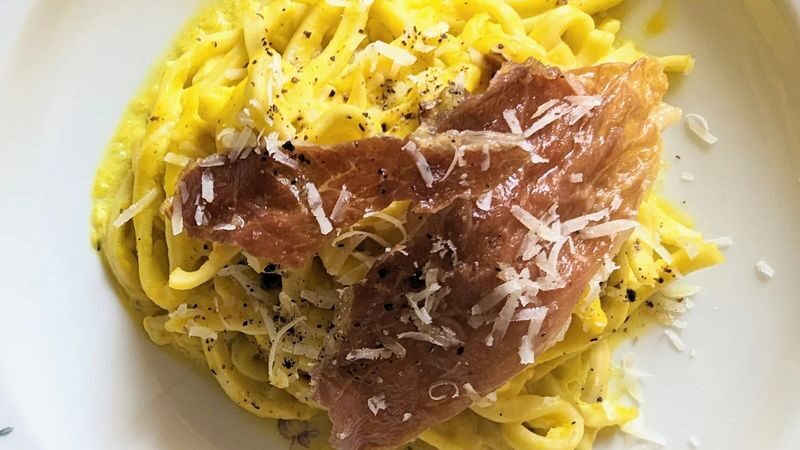
Carbonara is one of Rome’s best-known dishes, and its short ingredient list is precisely what makes a lesson worthwhile. There is no cream to smooth over mistakes. The texture depends on handling eggs and Pecorino well, and on combining them with pasta and the rendered fat from guanciale without turning the sauce grainy or scrambling the eggs.
That is the useful idea behind this class. You are not just copying a recipe; you are learning why the ingredients work together and how timing changes the result. The class description specifically promises tips for achieving a creamy texture without cream, a lesson you can take home to your own kitchen.
The ingredients are described as fresh and authentic, with guanciale, Pecorino, and eggs at the heart of the dish. The details do not name a pasta shape or explain exactly how the instructor handles each step, so do not expect a fixed technical syllabus. The appeal is a practical introduction guided by a local cook.

👉 See our pick of the 25 Best Guided Tours In Rome
Cooking in a Roman home, not a demonstration kitchen
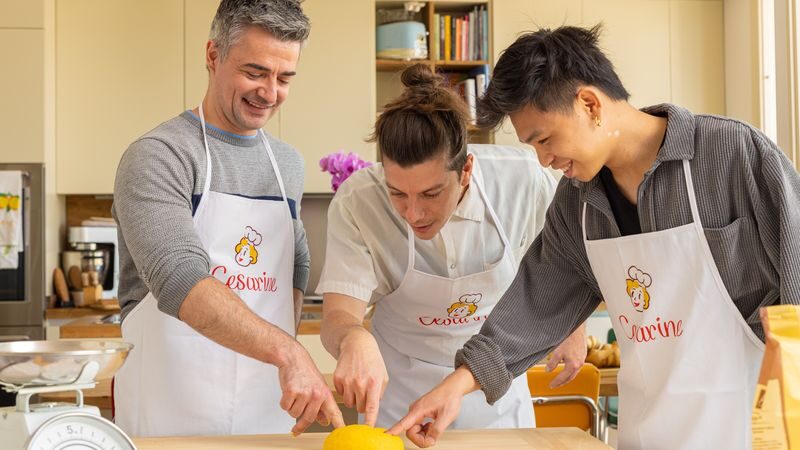
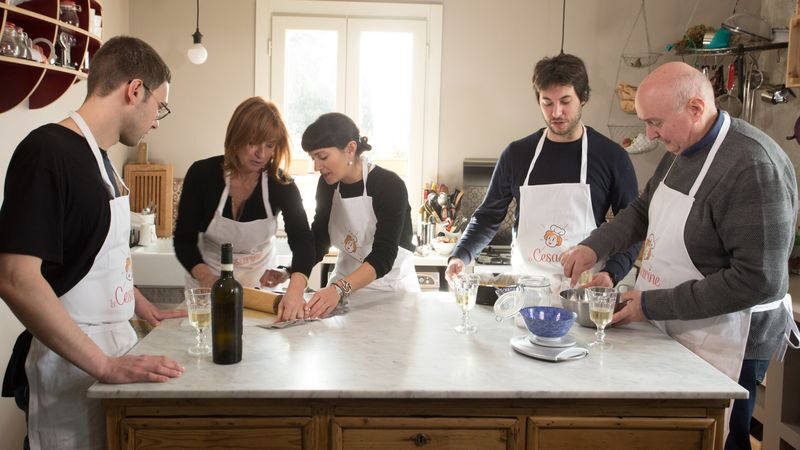
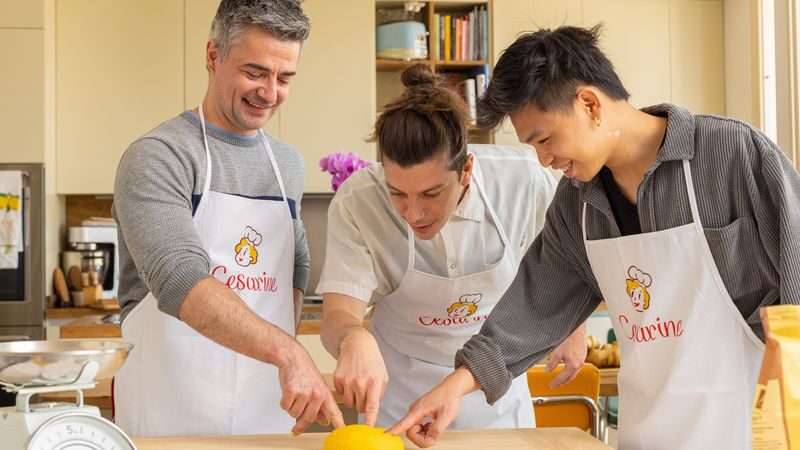
The setting is a cozy Roman home, and that changes the mood of the activity. You can expect a more personal encounter than a large studio class, with a group capped at six people. For a cooking lesson, that small size matters: it gives you a better chance to take part and ask questions while the cook works.
The description presents the host as an expert home cook and emphasizes warm local hospitality. It does not provide the host’s name or the home’s neighborhood, so you will need to wait for the exact address after booking. The meeting point is listed simply as Rome, which makes that later address especially important when planning your route.
One account of a session describes the feeling of being welcomed into an Italian family home for a shared meal. The class even grew to include ravioli, chitarra pasta cut with a guitar-string tool, and homemade tiramisu. That sounds like the sort of unplanned generosity that can make a home cooking class memorable, but it is best viewed as a possibility, not a promised menu. Book for the carbonara lesson first; treat extra dishes as a welcome bonus.
You can also read our reviews of more cooking classes in Rome


What you are likely to do, step by step
There is no formal minute-by-minute schedule or duration provided, so I would not plan the rest of your day around an assumed end time. The activity description does give a clear basic arc: meet in Rome, cook carbonara from scratch with the local host, and sit down to enjoy the finished meal.
First comes the welcome and an introduction to the ingredients. You will learn about the traditional combination of guanciale, Pecorino, and eggs, and how each contributes to the finished dish. The setting is a home kitchen, so the lesson is likely to feel informal, but the precise layout and amount of individual work are not specified.
Next, you get hands-on. The central skill is managing the sauce so it turns creamy without cream. That is the point to pay attention to: the class promises insider tips, but the description does not spell out a recipe or guarantee that you will leave with written instructions. If you want to repeat the dish at home, ask the cook for quantities and timing as you go.
The last part is the meal. The class description says you will enjoy the carbonara with a glass of regional wine, alongside conversation and local hospitality. But the inclusions list contradicts that promise by naming carbonara and a small aperitif as not included. Since food is the main reason to book, get a clear answer about what you will cook, what you will eat, and whether wine is part of the price before you pay.
A small group makes the lesson more personal
The join-in class costs from US$69.59, and the group size is one to six participants. That is a sensible scale for a home cooking experience: you are not paying for a large-group show, and you are likely to have more direct contact with the instructor than in a crowded class.
Value depends on what the price actually includes. If ingredients, instruction, the meal, and wine are covered, the cost can be reasonable for a hands-on cooking lesson in Rome. If the meal and aperitif are extra, the value changes. The conflicting food information is not a minor footnote, so confirm the total cost and meal arrangements with the operator.
The class is offered in English and Italian. No individual guide names are provided, and the information does not say whether every class is bilingual or whether you should choose a language in advance. If language is important to your enjoyment, ask which language the host will use for your session.
What the unexpected pasta and tiramisu add
The account of ravioli, chitarra, and tiramisu gives a useful sense of how a home class might unfold. Chitarra is a pasta-cutting tool with strings that slice dough into strands, and trying it by hand offers a different kind of cooking lesson from mixing a sauce. Tiramisu brings the meal to a sweet finish, though no dessert is formally promised.
This is a good reason to arrive with a flexible attitude. The advertised focus is carbonara, but a relaxed home meal can take on its own rhythm. You may get a deeper look at Roman food traditions than a single recipe can offer, or you may have a more focused carbonara class. The available details do not guarantee additional dishes, so do not book expecting a full pasta-and-dessert course.
For many people, that informality is the point. You are paying for an evening of cooking and conversation in a local home, not just a plate of pasta. Still, if you have a strict schedule or specific dietary needs, ask about the class format before booking; neither duration nor dietary accommodations are specified.
Who should book this class
I would consider this class if you enjoy cooking, want to understand a Roman staple beyond its restaurant-menu description, and like the idea of sharing a meal in a local home. It also suits people who value conversation and personal contact as much as the recipe itself. The group limit of six gives the format an intimate scale.
Families should read the age rules carefully. Children aged 0 to 3 are free but must be included in the passenger headcount. Anyone aged 0 to 17 must be accompanied by a paying adult, and children aged 9 or older are charged the adult rate. The activity is not stroller-accessible, which may affect families with very young children.
The class is not suitable for wheelchair users or anyone who needs wheelchair access, as it is listed as not wheelchair-accessible. The exact home address is provided only after booking, so check the location and route once you receive it. Alcohol is restricted to adults aged 18 and over, and valid ID may be required.
You can also read our reviews of more tours and experiences in Rome


Should you book it?
Book this class if the appeal is learning carbonara in a home kitchen, with a small group and the chance of a meal that feels more personal than a restaurant visit. The strongest features are the hands-on lesson, the focus on the traditional no-cream technique, and the possibility of discovering other pasta-making skills along the way.
Before paying, get a firm answer about whether carbonara, the aperitif, and wine are included. The description promises a carbonara meal with regional wine, while the inclusions list excludes carbonara and a small aperitif. That gap matters more than any other booking detail. If the operator confirms what you will receive and the terms suit you, this looks like a personable way to spend part of your time in Rome. If you want a guaranteed multi-dish menu, a named instructor, or a precise schedule, ask first rather than assume.
Carbonara cooking class in Rome
“I have attended cooking classes in many countries, but this time was definitely the most exciting! It's not like a class at all – it's simply being…”
FAQ
Where does the cooking class take place?
It takes place in a home in Rome. The exact address is sent after booking.
How much does the join-in class cost?
The listed starting price is US$69.59. The information does not specify whether food or drink could involve additional charges.
How many people can join?
The group size is listed as one to six participants.
What will I learn to cook?
The class focuses on Roman-style carbonara, made with guanciale, Pecorino, and eggs, without cream.
Is the class offered in English?
English-speaking and Italian-speaking staff are listed. The information does not specify which language will be used for every session.
Is carbonara included in the price?
The details conflict: the description says you will enjoy your homemade carbonara, but the inclusions list says carbonara is not included. Confirm this with the operator before booking.
Is wine included?
A glass of regional wine is described as part of the meal, but the included-items list does not clearly confirm it. Ask the operator what is included.
Can children attend?
Yes. Children aged 0 to 3 are free but must be included in the passenger headcount. Children aged 0 to 17 must be with a paying adult, and ages 9 and up are charged the adult rate.
Is the class wheelchair- and stroller-accessible?
No. The activity is listed as not wheelchair-accessible and not stroller-accessible.
What is the minimum age for drinking wine?
The legal drinking age in Italy is 18. Bring valid ID if you may need to prove your age.