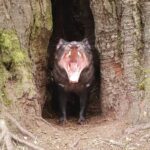
Cradle Mountain changes character after dark. On this small-group outing, you ride into the national park by four-wheel-drive coach, then use a torch and a guide’s sharp eyes to look for wombats, wallabies, possums and other night-active animals. You may see a lot, or spend stretches scanning dark scrub.
I like two things in particular: you get a chance to watch wildlife in its natural habitat, and the guide can point out animal activity even from the vehicle. The tour also includes round-trip transfers from designated local pickup points, a welcome convenience on a cold, dark night.
The trade-off is that this is a short, sighting-dependent outing, not a long walk or a guaranteed close encounter. If you expect steady action or a polished show, the price may feel steep; if you’re happy to search quietly and let the night unfold, it can be a memorable hour and a half.
- The essentials at a glance
- A night outing built around the search
- The drive into Cradle Mountain-Lake St Clair National Park
- Ronny Creek and the chance of a wombat encounter
- What you might see after dark
- Timing, weather and what to bring
- Is US.15 good value?
- Who should book this night tour?
- FAQ
- How long is the Cradle Mountain Night Spotting Tour?
- How much does the tour cost?
- Where does the tour depart from?
- What time does the tour run?
- What animals might I see?
- What is included in the price?
- What should I wear or bring?
- Can infants and young children join?
- The Best Of Tasmania!
- More Evening Experiences in Tasmania
- More Tours in Tasmania
- More Tour Reviews in Tasmania
- Not for you? Here's more nearby things to do in Tasmania we have reviewed
The essentials at a glance
 1 / 5
 2 / 5
 3 / 5
 4 / 5
 5 / 5
- The main event is a torchlit search: You scan the park’s dark edges for animals, with sightings depending on what is active that night.
- Wombats are a real possibility: At Ronny Creek, a group once found several grazing and stretching near the trail.
- The coach covers ground efficiently: Your guide can watch for wallabies and pademelons along the drive as well as at stops.
- Expect a short walk, not a hike: The experience combines coach travel with a brief walk around a viewing area.
- The scheduled package is 90 minutes: The stated evening run is 8:30pm to 10:00pm in summer, though seasonal departure times differ.
- Plan for cold and darkness: Bring warm layers, walking shoes and a torch if you have one; a cap or hat and water bottle are also recommended.

👉 See our pick of the 12 Best Tours In Tasmania
A night outing built around the search
The Cradle Mountain Night Spotting Tour is a simple idea with a strong sense of place: take a small group into Cradle Mountain-Lake St Clair National Park after dark and look for the animals that are easier to notice at night. The outing is led by an English-speaking guide, who offers commentary and helps you spot wildlife from the vehicle and during stops.
The package is listed as 90 minutes, and the summer schedule runs from 8:30pm to 10:00pm. A general summary also describes the tour as one hour, so there is a discrepancy in the published duration. The 90-minute package and its stated departure and return times give you the clearest planning guide, but confirm the length and departure for your date before booking.
This is not a wildlife park with animals gathered for viewing. You are looking for creatures in their natural habitat, which makes the outing more authentic but less predictable. A wombat may be grazing in the open; another night may bring little more than movement in the bushes and a few brief glimpses.
That uncertainty shapes the whole experience. The guide can improve your chances by noticing movement and explaining where to look, but no guide can promise a Tasmanian devil or quoll will appear. Go for the chance to observe, not a checklist of guaranteed sightings.
You can also read our reviews of more tours and experiences in Tasmania.


The drive into Cradle Mountain-Lake St Clair National Park
The tour uses a custom four-wheel-drive coach, which carries the group between viewing points and helps cover ground without asking you to walk far in the dark. The vehicle is part of the experience: guides can keep an eye out for animals along the road, and one guide, Kaitlyn, was attentive to small wildlife appearing during the drive.
Wallabies and pademelons may be spotted from the coach. That matters because the search does not begin only when the vehicle stops. Keep looking out of the windows, and listen to the guide’s commentary about the animals and their habits. A drive that might otherwise feel like a transfer becomes part of the wildlife watching.
The group size is capped at 20, so this is not a private outing, but it is also not a large bus tour. The shared pickup can be early or late, and the operator reconfirms the pickup time in advance. Arrive at the stated location about 10 minutes before departure, then expect some flexibility while the vehicle collects other people.
The listed pickup points include Peppers Cradle Mountain Lodge, Cradle Highlander, Discovery Resort Van Park, Cradle Mountain Village, Cradle Mountain Hotel and the Visitor Centre. The return is described as transport to a hotel or personal address. Check your confirmed pickup details closely, especially if you are staying somewhere outside those named stops.
Ronny Creek and the chance of a wombat encounter
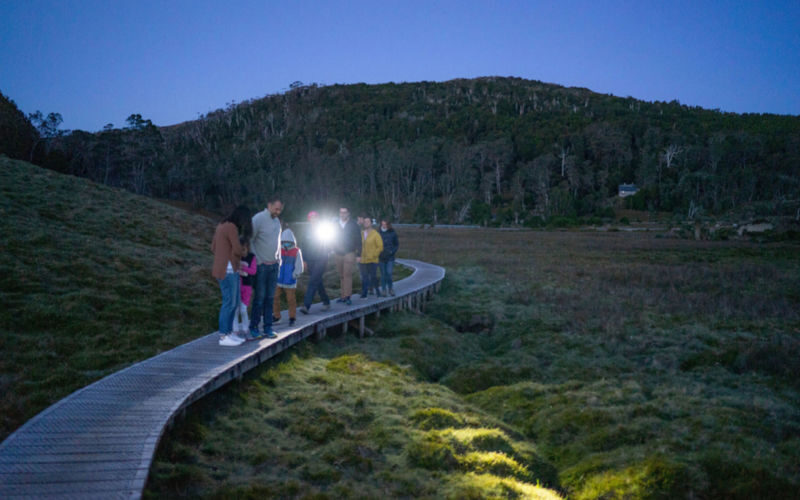
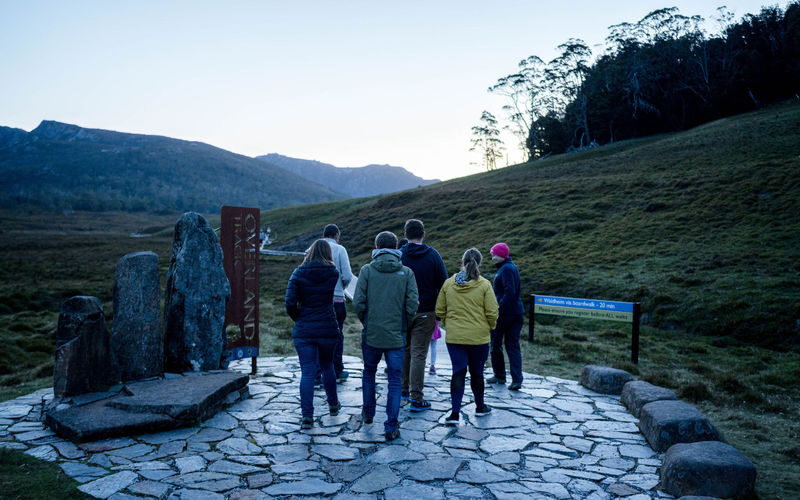
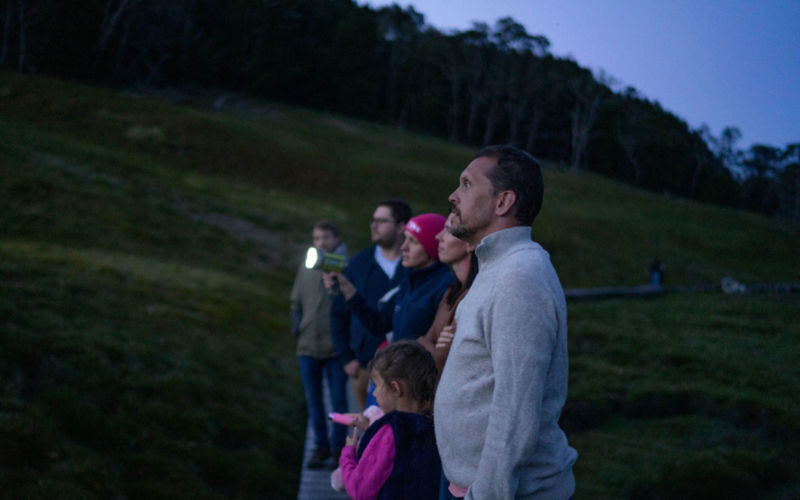
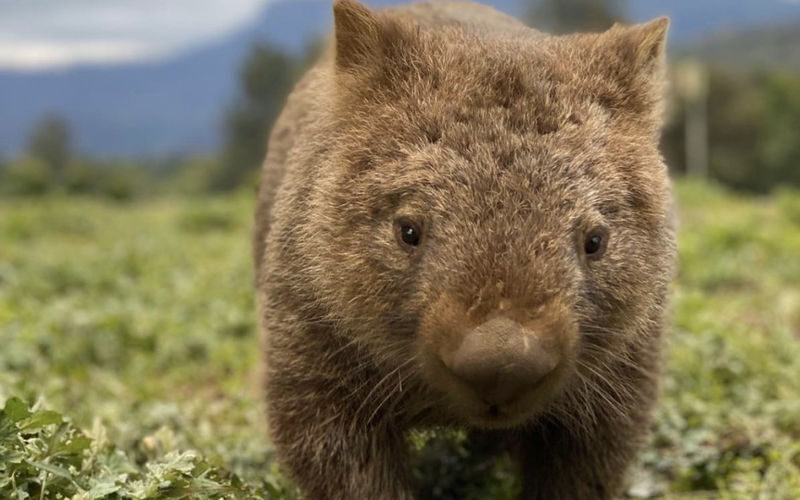
A key stop is near the Ronny Creek trail, where the group may leave the coach for a short walk and scan the area. This is where several wombats have been seen stretching and grazing. Wombats are a highlight because they can be visible at close range when they are feeding in open areas, though sightings are never assured.
The walk is brief, not a rugged trek. Comfortable walking shoes are still important: you will be outside at night, on a stop where the ground and light conditions may make careful footing useful. Follow the guide’s directions, keep a respectful distance and do not feed the animals. The rules are there to protect wildlife and the habitat, not to spoil the fun.
A torch is central to the search. You and the group may spend a fair amount of time shining light toward the edges of the track and into dark vegetation. That can feel slow if you came expecting constant close-up encounters. It is also the basic rhythm of nocturnal wildlife watching: pause, look, listen and wait for movement.
The guide can help you distinguish animals and explain what you are seeing. Still, you should be ready for quick appearances rather than a long, staged viewing. Bring a camera if you like, but night photography can be difficult, and the tour’s emphasis is on finding wildlife safely rather than guaranteeing perfect pictures.
What you might see after dark
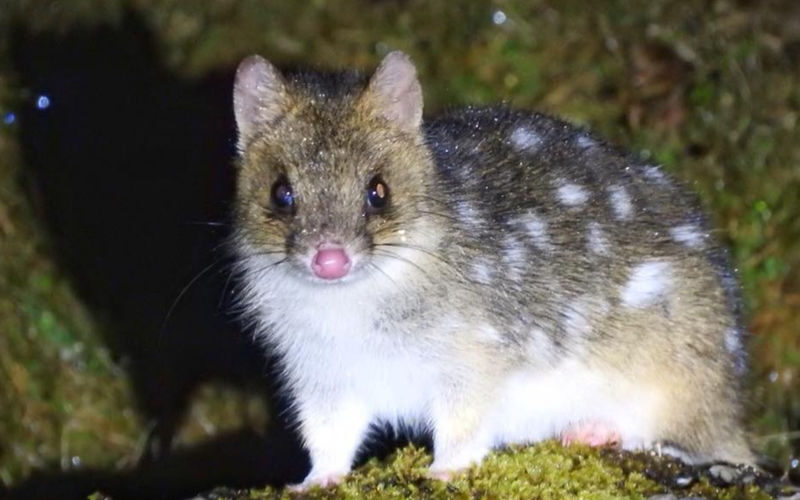
Wombats are among the animals named as possible sightings, along with possums, quolls and Tasmanian devils. Wallabies and pademelons may appear along the route. These are possibilities, not a guaranteed roster, and the animals you see will depend on conditions and what happens to be active.
The guide’s commentary adds useful context when sightings are brief. You may learn about animal behaviour, habitat and conservation, as well as local facts about Tasmania’s wildlife. For example, Kaitlyn explained that platypuses and echidnas are the only egg-laying mammals in the world. That kind of detail gives the search a purpose even when an animal disappears quickly into cover.
It is worth setting expectations: this is not a long, uninterrupted walk through the forest. The experience is mostly a vehicle ride and torchlit observation, with a short walk around a stop. If your idea of a wildlife tour is close viewing for most of the evening, this format may disappoint. If the thrill lies in spotting a wild animal on its own terms, even a brief encounter can feel special.
Cradle Mountain under the night sky is part of the appeal, too. The outing offers a different view of the park than a daytime visit, when the focus is often on trails and mountain scenery. At night, attention shifts to sounds, movement and the small details you might pass by in daylight.
Timing, weather and what to bring
Departure times change with the season. The listed summer outing runs 8:30pm to 10:00pm; winter departures are listed for 5:30pm to 7:00pm on selected days, with shoulder-season schedules also varying. The provided date ranges overlap in places, so check the actual time and operating day for your chosen date rather than relying on a general seasonal rule.
Weather and traffic can affect the schedule. Dress for a cold evening even if the day felt mild, and choose warm clothing, casual layers and walking shoes. The recommended items include a cap or hat and a water bottle. A torch is useful for spotting, though the guide assists with the search.
The tour is not wheelchair- or stroller-accessible, and it is not recommended for people with other serious medical conditions or for persons with disabilities. Children aged 0 to 4 can join free, but infants and children still need to be included in the passenger headcount. Pets are not allowed, and anyone who appears intoxicated may be refused service without a refund.
A national park pass is not included. Factor that extra cost into your plans, along with any personal expenses. Round-trip transfers and an English-speaking guide are included, but accommodation and gratuities are not.


Is US$79.15 good value?
At a starting price of US$79.15 for the 90-minute package, this is not a cheap add-on. The value depends on what you want from the evening. The fee covers a guided outing, shared transport and the chance to search for native wildlife in the park after dark. For someone without a vehicle, the transfers are especially useful, since they remove the need to navigate a dark park road after an evening outdoors.
The counterpoint is that the main attraction cannot be controlled. You could see several wombats grazing, or spend much of the tour scanning shadowy bushes for a glimpse. One visitor found the torchlit searching and short walk poor value, while another had a delightful encounter with multiple wombats and praised the guide’s wildlife knowledge. Both outcomes fit the nature of the activity.
I would judge the price by your appetite for uncertainty. If wildlife spotting is a priority and you would value a guide’s help even when sightings are fleeting, the cost may be reasonable. If you need a guaranteed close encounter or want a long, active walk, you will probably get better value elsewhere.
Who should book this night tour?
This outing suits wildlife fans, first-time visitors who want an introduction to Tasmania’s nocturnal animals, and anyone staying near the listed Cradle Mountain pickup points without a car. It also works for people who prefer a short guided outing to walking far in the dark. The limited group size and coach transport make the logistics straightforward, though shared pickups require patience.
Families should think about the children’s comfort with a late, dark outing. Children aged 0 to 4 are free but must still be counted, and the experience involves quiet observation rather than constant entertainment. The tour is not suitable for strollers, wheelchairs or pets.
If you book, arrive warmly dressed and treat the tour as a search rather than a show. Watch the roadside as closely as the stops, listen for the guide’s cues and keep your expectations flexible. A wombat grazing at Ronny Creek can make the night; a few distant shapes and a good lesson in local wildlife can still make it worthwhile.
FAQ
How long is the Cradle Mountain Night Spotting Tour?
The package is described as 90 minutes, with the summer schedule shown as 8:30pm to 10:00pm. A general summary gives a one-hour duration, so confirm the length for your date when booking.
How much does the tour cost?
The 90-minute night spotting package starts at US$79.15. The national park pass is not included.
Where does the tour depart from?
The listed pickup points include Peppers Cradle Mountain Lodge, Cradle Highlander, Discovery Resort Van Park, Cradle Mountain Village, Cradle Mountain Hotel and the Cradle Mountain Visitor Centre. Your pickup time is reconfirmed in advance.
What time does the tour run?
Times vary by season. The summer schedule is 8:30pm to 10:00pm, while winter and shoulder-season departures are listed at different times and on selected days. Confirm the schedule for your date.
What animals might I see?
Possible sightings include wombats, possums, quolls and Tasmanian devils. Wallabies and pademelons may also appear along the drive. Sightings are not guaranteed.
What is included in the price?
The package includes round-trip transfers, an English-speaking guide and wildlife spotting in the animals’ natural habitat. A national park pass, accommodation, personal expenses and gratuities are not included.
What should I wear or bring?
Wear warm clothing and walking shoes. A cap or hat and water bottle are recommended. A torch may be useful during the night search.
Can infants and young children join?
Children aged 0 to 4 can join for free, but infants and children must be included in the passenger headcount. The tour is not stroller-accessible.