Seodaemun Prison is the kind of place that changes how you see a city. On this tour, its cells and exhibits introduce the people who resisted Japanese colonial rule, then the route follows that struggle through an independence gate, a journalist’s former home and the park where the March 1st Movement began.
I like two things in particular: the small group, capped at 10, leaves room for questions, and the route joins sites that are easy to pass by on your own. Guides including Gina, Jonathan, Cecilia, Joon and Laura are often praised for clear explanations and lively storytelling.
The subject is painful, and the prison exhibits can be upsetting. There is also a steep slope on the walk to Dilkusha, so this is not the best choice if you need a level, easy-paced route.
- Inside Seodaemun Prison: See the cells and exhibits that put colonial-era repression into human terms.
- A compact independence trail: Visit Dongnimmun Arch, Dilkusha and Tapgol Park in one morning.
- Small group, real conversation: Groups are limited to 10, and the guide can answer questions along the way.
- One subway ride included: Public transport fees are covered, and the route ends at Tapgol Park.
- A moving, sometimes difficult visit: Expect stories of imprisonment, torture and resistance, not a light sightseeing stroll.
- A morning that puts Seoul’s independence story on the map
- Seodaemun Prison: where the history turns personal
- Dongnimmun Arch: a symbol with a complicated meaning
- Dilkusha: the journalist’s house on a steep hill
- Subway to Tapgol Park and the March 1st Movement
- What the guide adds to the walk
- What it costs, and what the price buys
- Practical details before you go
- Who should book this tour?
- FAQ
- How long is the colonial-era tour?
- Which places does the colonial-era package visit?
- Is this the same as the democratization-era tour?
- Is the tour conducted in English?
- How large is the group?
- Are admission and subway fares included?
- Where does the tour start and finish?
- Can children join the tour?
- Does the tour run in the rain?
- Can I cancel or change my booking?
- The Best Of Seoul!
- More Walking Tours in Seoul
- More Tours in Seoul
- More Tour Reviews in Seoul
- Not for you? Here's more nearby things to do in Seoul we have reviewed
A morning that puts Seoul’s independence story on the map
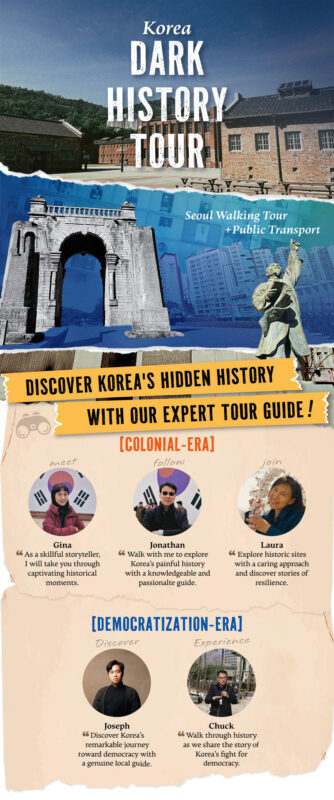
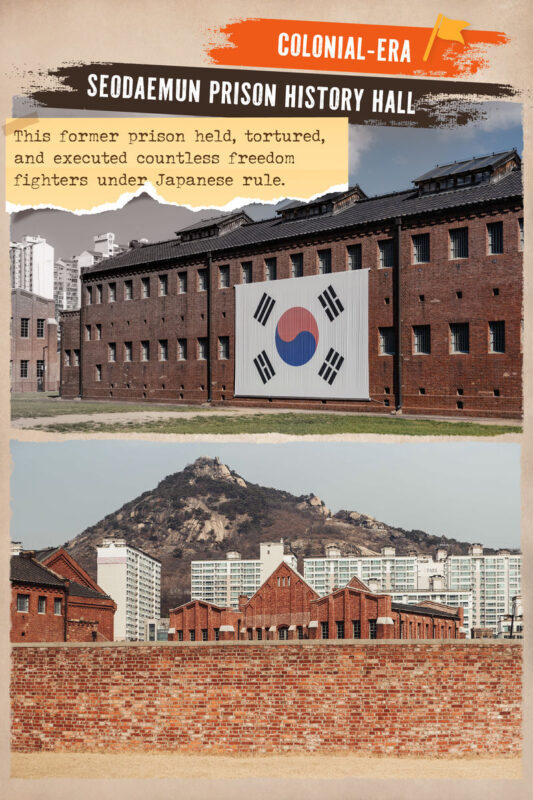
This is a half-day tour about the people and events behind Korea’s fight for independence. The colonial-era route is scheduled from 9:30 a.m. to 1 p.m. It begins at Seodaemun Prison History Hall and ends at Tapgol Park, linking places that tell different parts of the story.
That structure matters. A prison museum can show the cruelty of colonial rule, but the other stops help explain how opposition took shape, how the news reached an international audience and where public protest gathered. Your guide provides the links between them, so the day feels like a connected account rather than a string of monuments.
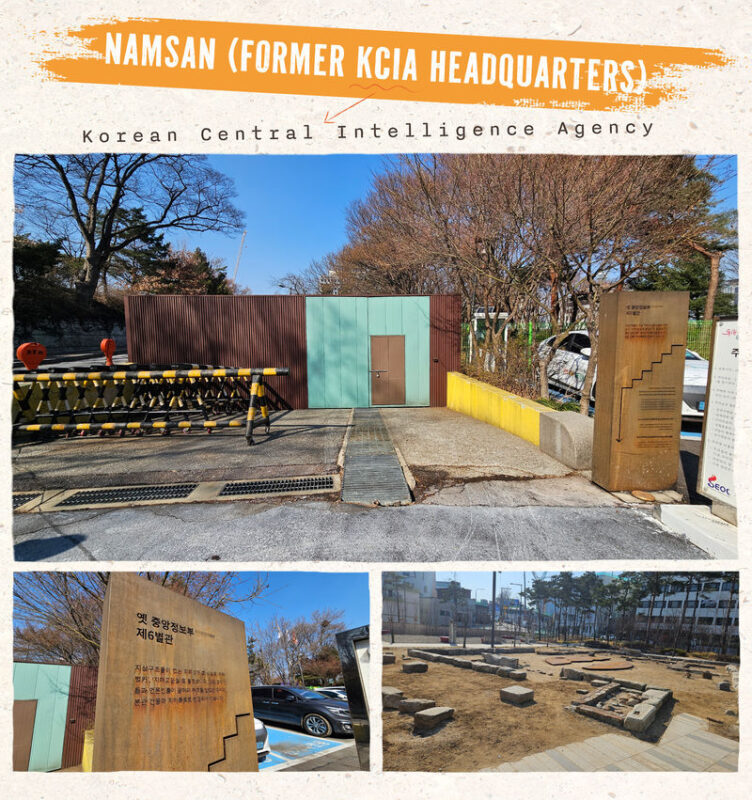
The tour title also covers a separate democratization-era option, but that is not the same route. The colonial-era package visits Seodaemun Prison, Dongnimmun, Dilkusha and Tapgol Park. The other package focuses on modern Korea’s path to democracy, with sites including the National Museum of Korean Contemporary History, Tongin Market and Namsan KCIA. Check the option carefully when booking.
👉 See our pick of the 25 Best Guided Tours In Seoul
Seodaemun Prison: where the history turns personal
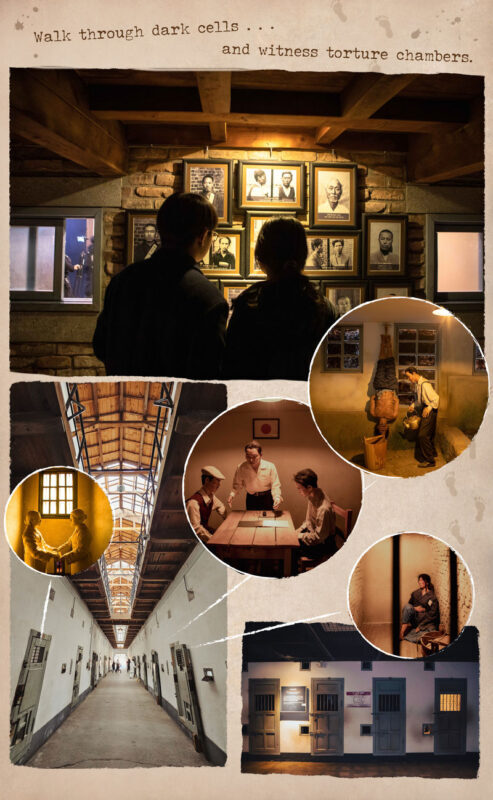
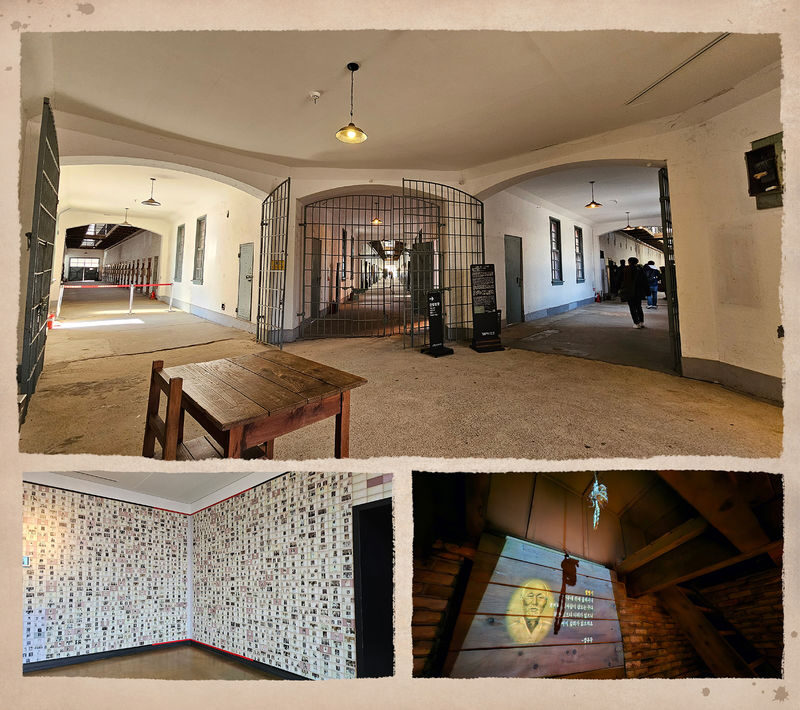
The morning starts at Seodaemun Prison History Hall. This former prison is the most emotionally demanding stop, with cells and exhibits illustrating how Korean freedom fighters were imprisoned and tortured under Japanese rule. The setting makes the history more immediate than a timeline in a gallery can.
Give yourself room to take in what you see. The subject is distressing, and the experience is not designed as casual entertainment. The guide’s role is important here: visitors praise guides such as Cecilia, Gina and Joon for explaining the exhibits in English, answering questions and adding context that can be hard to get from display text alone.
The scheduled stop begins at 9:35 a.m., shortly after departure. The overall schedule allows about an hour and a half at the prison and the next stop, though the exact pace can change with conditions. If you want more time to read every display at length, ask about the pacing before the tour or consider a separate visit.
You can also read our reviews of more walking tours in Seoul
Dongnimmun Arch: a symbol with a complicated meaning
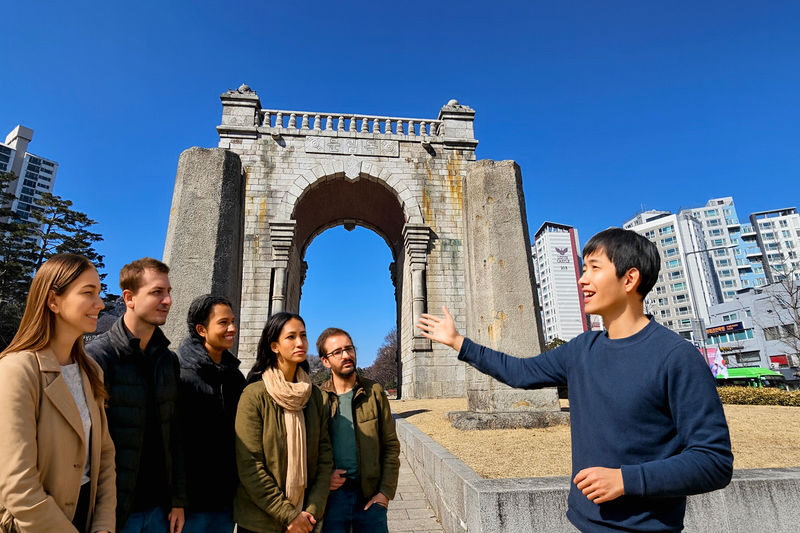
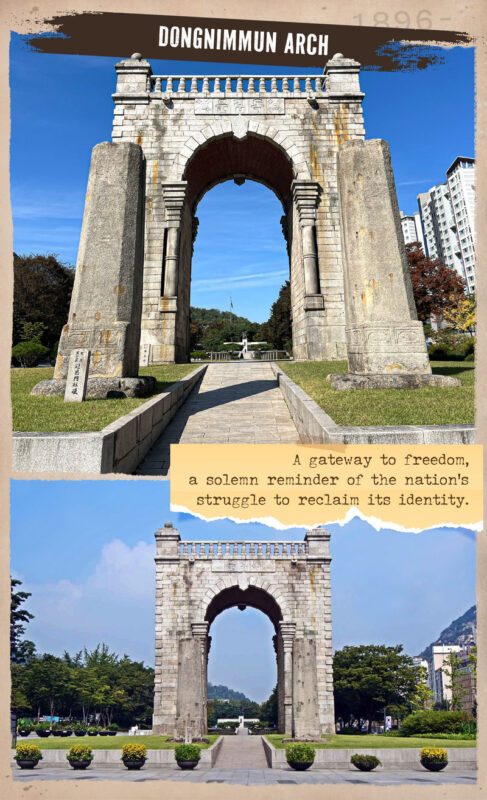
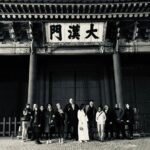
At 11:10 a.m., the route moves to Dongnimmun, or Independence Gate. The arch gives the story a different scale: after seeing how colonial rule affected individuals, you consider the national struggle for sovereignty and the symbols attached to it.
A guide can help explain why the gate matters rather than leaving you with a quick photo stop. This is also a good point to ask questions that came up at the prison. The tour is small enough for conversation, and past group sizes have sometimes been just one or two people. Even when you are the sole participant, the tour may still run, though that is not guaranteed.
Dilkusha: the journalist’s house on a steep hill
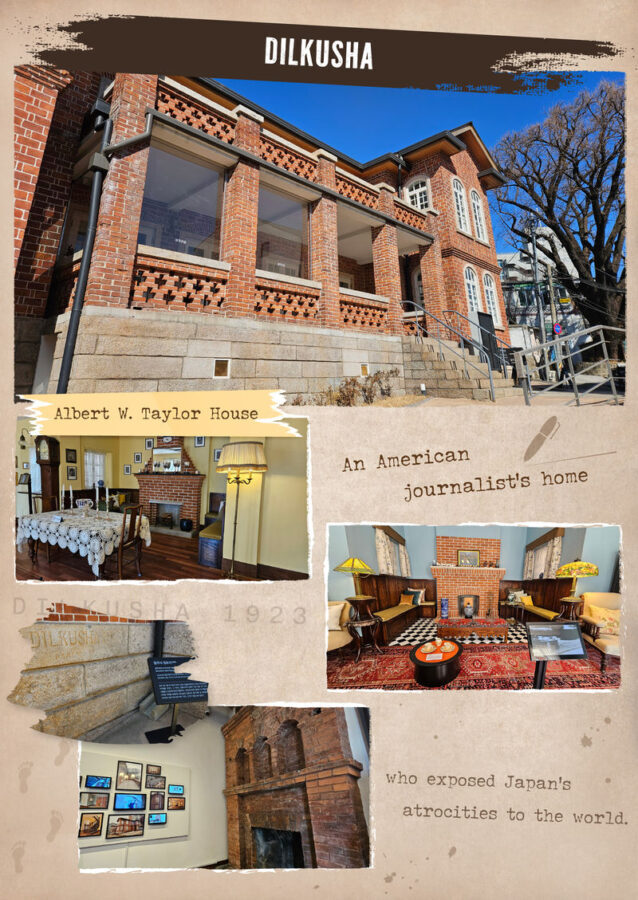
The next stop is Dilkusha, the former home of journalist Albert W. Taylor. The house connects the independence story to the reporting that helped expose Japan’s rule to audiences beyond Korea. It is a less obvious stop than the prison or the gate, and that is part of its value: you get a view of how information and testimony contributed to the wider story.
Allow for the walk uphill. One visitor specifically noted a very steep slope on the way to Dilkusha, a useful warning if hills are difficult for you. Wear shoes with a firm grip and pace yourself. The route is a walking tour, not a vehicle-based sightseeing circuit.
Subway to Tapgol Park and the March 1st Movement
Around noon, the group travels by subway to Tapgol Park. Public transportation fees during the tour are included, so you do not need to buy a separate fare for this transfer. It also gives you a small taste of moving around Seoul as residents do, rather than spending the whole outing in a tour vehicle.
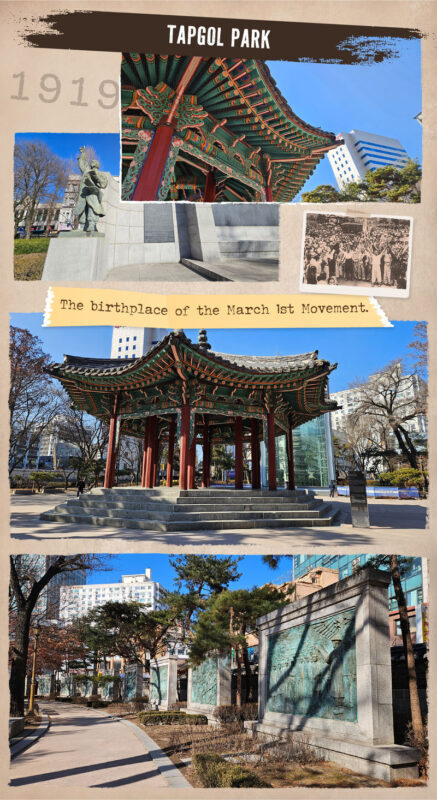
Tapgol Park is described as a cradle of Korean democracy and a key site in the independence movement. The March 1st Movement first erupted here in 1919, and the park gives the day a public, collective ending. It is a useful counterpoint to the prison: one stop shows the cost of resistance, while the other recalls people gathering to demand freedom.
The tour finishes here at about 1 p.m. The schedule may shift because of traffic or weather, so treat the end time as a guide rather than a promise if you have a tight afternoon booking.
What the guide adds to the walk
The strongest part of this experience is the human explanation between sites. The prison displays provide evidence and detail, but a guide can connect them to the independence movement and respond to your questions as they arise. Guides named by participants include Gina, Jonathan, Cecilia, Joon and Laura. The democratization-era route has also been led by guides including Chuck and Jonathan.
The praise is notably consistent on a few points: clear English, careful explanations and patience with questions. Some guides bring personal stories or additional materials, particularly on the democracy route. On the colonial-era walk, visitors have valued details about the prison, the 1919 movement and the Taylor family’s role. Guide assignments can vary by date, so book for the subject and format rather than expecting a particular person.
This is not a lecture you have to sit through in silence. The group limit of 10 supports a more personal exchange, and solo participants have found the format comfortable. Families with children aged 10 and older have also taken the colonial route. The history is serious, so consider whether younger children are ready for material about imprisonment and torture.
You can also read our reviews of more guided tours in Seoul


What it costs, and what the price buys
The tour page gives a headline price from $65.65, while the colonial-era package is also shown from US$57.09. Those figures do not match, so check the price for your exact date and selected package before paying. The democratization-era package is listed from US$60.15.
For the price, the colonial route includes an English-speaking guide, admission to attractions and public transportation during the tour. It does not include meals, drinks, hotel pickup or drop-off, personal expenses or insurance. You are paying mainly for the guide’s context and the convenience of joining several related sites in one morning, rather than for a long list of extras.
I see the value most clearly if you want to understand the subject, not simply visit the buildings. You could make your own way to the prison and parks, but the explanations help connect the places and the events. If you already know the history well or prefer to explore exhibits at your own pace, independent visits may suit you better.
Practical details before you go
Meet at Seodaemun Prison History Hall and arrive 10 minutes before the 9:30 a.m. departure. The tour ends at Tapgol Park, not back at the starting point. The exact meeting instructions and end-of-tour location are worth checking before the day, especially if you have plans immediately afterward.
Wear comfortable shoes for walking and the uphill section near Dilkusha. Bring water, particularly in hot weather; the democratization-era route has also been described as involving a substantial amount of walking. The colonial route runs in rain and is not automatically canceled for wet weather, so bring suitable clothing. The operator may adjust the schedule for on-site weather or traffic.
Children aged 0 to 5 can join free, but bring valid identification for them. Luggage storage and delivery are not provided. A reminder email is due between 3 p.m. and 5 p.m. on the day before departure, with a link to a group chat for contacting tour staff. If it does not arrive, check your spam folder.
The voucher is valid only for the selected date and time, and you present it on your phone. Changes are allowed up to 24 hours before the activity, subject to the stated booking restrictions. Cancel at least 24 hours before the activity date for a full refund. In extreme weather or other unforeseen events, the operator may cancel and offer a reschedule or refund.
Who should book this tour?
Book the colonial-era route if you want a thoughtful introduction to Korea’s independence movement and are willing to spend a morning with difficult history. It is especially useful if you value a guide who can answer questions and connect the prison, the gate, the journalist’s home and Tapgol Park into one account.
Skip it if you want a light, mostly scenic walk, need a flat route or would rather spend a long time exploring each museum independently. If your main interest is South Korea’s military rule and democracy movement, choose the separate democratization-era package instead. For visitors who want more than palaces and shopping streets, this is a purposeful way to understand the struggle behind modern Seoul.
Blood,Tears & Independence: Korea’s Dark History Guided Walking Tour
“Cecilia did a great job explaining the history thoroughly, she was very attentive to details and answered questions eloquently”
FAQ
How long is the colonial-era tour?
It is scheduled from 9:30 a.m. to 1 p.m., or about three and a half hours. The schedule may change due to traffic and weather.
Which places does the colonial-era package visit?
It visits Seodaemun Prison History Hall, Dongnimmun Arch, Dilkusha and Tapgol Park. The route includes a subway transfer.
Is this the same as the democratization-era tour?
No. The democratization-era package is a separate option, with sites that include the National Museum of Korean Contemporary History, Tongin Market, Namsan KCIA and the Korea Democracy Foundation. The Foundation visit may change depending on on-site conditions.
Is the tour conducted in English?
Yes. An English-speaking guide is included.
How large is the group?
The group size is listed as 1 to 10 participants.
Are admission and subway fares included?
Admission to attractions and public transportation fees during the tour are included.
Where does the tour start and finish?
The colonial-era tour starts at Seodaemun Prison History Hall and ends at Tapgol Park. Arrive 10 minutes before the 9:30 a.m. departure.
Can children join the tour?
Children aged 0 to 5 can join free of charge. Bring a valid ID for each child in that age range.
Does the tour run in the rain?
Rain alone does not automatically cancel the tour. The schedule may change with weather, and the operator may cancel for extreme weather or other unforeseen events.
Can I cancel or change my booking?
A full refund is available if you cancel at least 24 hours before the activity date. Changes are allowed until 24 hours before the start, subject to the booking restrictions that apply to some vouchers and passes.