Al Shindagha Museum tells Dubai’s story across a neighborhood of heritage houses, not inside one grand museum building. You’ll move between exhibits about trade, family life, perfume, jewelry, and the creek’s role in the city’s growth, with traditional architecture setting the scene.
I like that one ticket covers entry to all the houses, and that the exhibits use interactive features to make cultural topics accessible. I also like the chance to visit the Perfume House, where traditional fragrance-making techniques take center stage.
The main drawback is scale. The advertised visit is two to three hours, but seeing the whole district can take four hours or more, and you may need to walk outdoors between houses.
- At a glance
- A heritage district, not a single museum
- What the houses reveal about Dubai
- The Perfume House and practical cultural details
- How much time to set aside
- Is the .09 ticket good value?
- Hours, access, and small rules worth knowing
- Who should make time for Al Shindagha?
- Should you book the Al Shindagha Museum ticket?
- FAQ
- How long should I plan for Al Shindagha Museum?
- What does the ticket include?
- What are the usual opening hours?
- What are the Ramadan opening hours?
- Are workshops included with the admission ticket?
- Can children visit the museum?
- Can I re-enter after leaving the museum?
- The Best Of Dubai!
- More Tickets in Dubai
- More Tours in Dubai
- More Tour Reviews in Dubai
- Not for you? Here's more nearby things to do in Dubai we have reviewed
At a glance

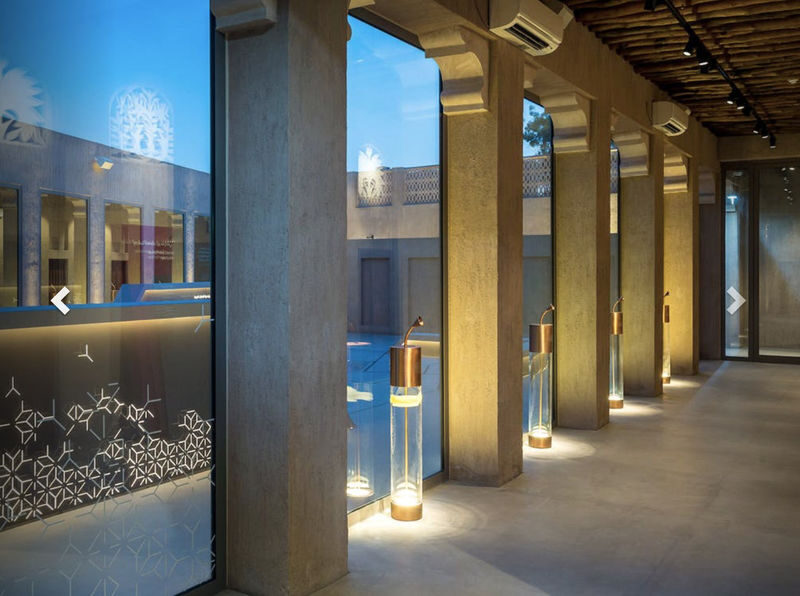
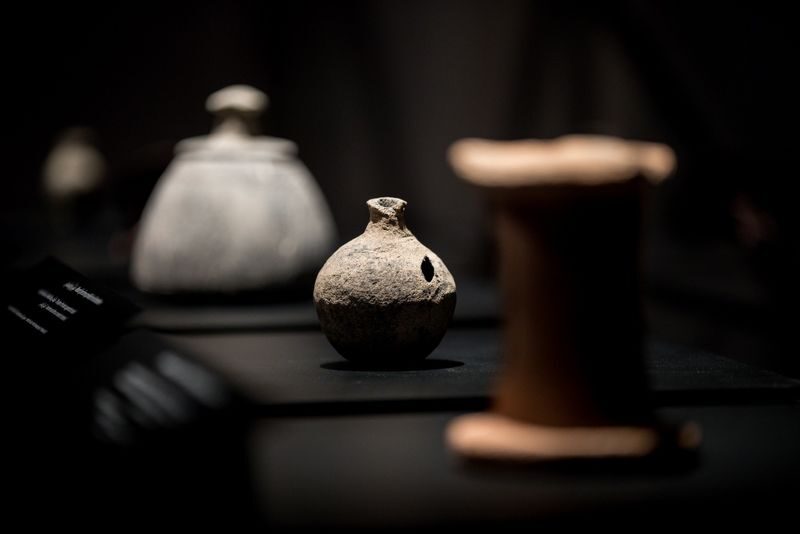
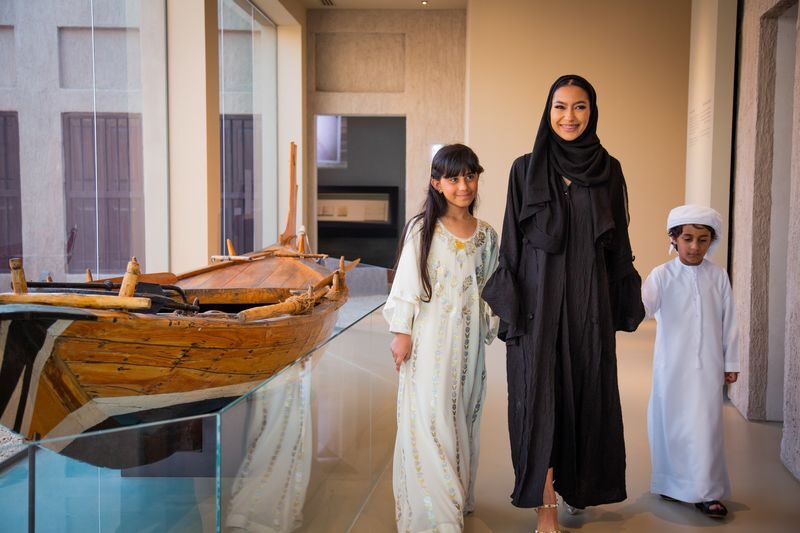
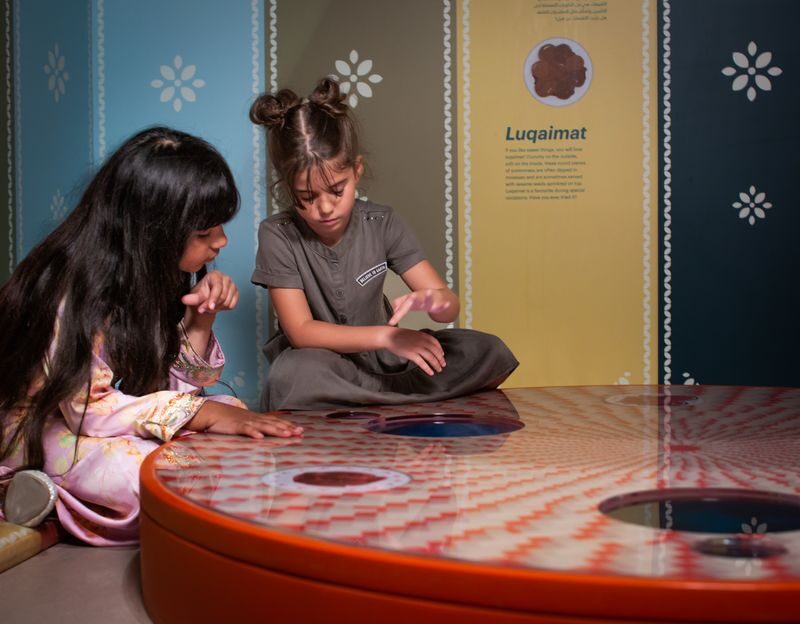
- A museum spread across a district: The precinct includes 21 houses, each with its own subject and exhibits.
- A story of trade and change: Learn how Dubai’s links with other countries helped shape its rapid development.
- Perfume traditions: The Perfume House explores how fragrances were made using traditional techniques.
- A former ruler’s residence: The Al Maktoum Residence focuses on the home of Sheikh Saeed bin Maktoum Al Maktoum, a former Ruler of Dubai.
- A bigger visit than it first appears: Two to three hours gives you a start, while a full look may take much of the day.
- A low entry price: Tickets start at $8.09 and cover admission to all houses, making the price appealing if you have time to explore.

👉 See our pick of the 25 Best Shopping Tours In Dubai
A heritage district, not a single museum
Al Shindagha Museum is in the historic Al Shindagha neighborhood, near Dubai Creek. The experience is built around a group of restored houses and pavilions, rather than a single building with one entrance hall and a fixed route. That gives the visit a different rhythm: you explore one subject, step outside, and then continue to another house.
The district’s setting is part of the point. The museum traces how Dubai changed from a trading and pearl-diving community into a global city, with the creek and overseas trade at the heart of that story. You get more than dates and displays: the traditional buildings help connect everyday life, commerce, and local customs.
The museum describes its precinct as 21 houses. Individual buildings focus on different parts of Emirati life and culture, with exhibits covering subjects such as perfume, jewelry, food, marine resources, pottery, poetry, and religion. Because the houses are separate, don’t expect a tidy, linear circuit. Take a moment at the start to get your bearings, then keep the map or guidance materials handy if provided.
You can also read our reviews of more tours and experiences in Dubai



What the houses reveal about Dubai
The strongest reason to visit is the range of subjects. Dubai’s past can easily get reduced to a quick tale of pearls, trade, and modern towers. Here, the exhibits broaden that picture by looking at customs, craft, family life, and the many ways people made a living.
Trade is a useful thread to follow. The museum explains how links with other countries helped fuel Dubai’s growth, putting the city’s modern success into a longer context. You may come away with a clearer sense of how commerce shaped the place well before its present-day skyline became its calling card.
The Al Maktoum Residence adds a personal and political dimension. This was the former royal residence of Sheikh Saeed bin Maktoum Al Maktoum, who ruled Dubai in an earlier era. It is one of the district’s prominent heritage sites, and its rooms help place the leadership and domestic life of the time alongside the broader story of the city.
Other houses shift the focus from rulers and trade to objects and traditions. A jewelry exhibit, for example, can make clothing and adornment feel more immediate than a timeline on a wall. There is even a chance to see a women’s hat decorated with coins, with the option to try it on and take a photo. That kind of hands-on detail can be a welcome change from looking at objects behind glass.
The Perfume House and practical cultural details
The Perfume House is one of the most distinctive stops. It explores traditional fragrance-making techniques, a subject that connects material culture with daily rituals and personal identity. If you are curious about how scents were made and used, give this house more than a quick glance.
Some workshops may add a practical element to the visit. Activities described at the museum have included making perfume, necklaces, beaded items, and scented candles. But the ticket itself covers admission, not a guaranteed workshop, so treat any activity as a possible extra rather than a sure part of your booking. Check what is running when you arrive, and ask whether a workshop has a separate cost before joining.
The museum also uses interactive technology in its houses. That can help make topics more engaging for families and younger visitors, and it offers a change of pace from reading display text. You should still expect some traditional museum material, though. If you like to read every label or spend time with staff explanations, your visit will stretch well beyond a quick circuit.
Local and multilingual cultural guides are part of the museum’s approach. Staff may be able to add context as you move through the houses, but don’t plan your visit around having a guide with you at every stop. A few visitors have found some houses without staff present, and the route can be hard to follow. Allow time to explore at your own pace rather than expecting a continuous guided tour.
How much time to set aside
The stated visit duration is two to three hours, but that is best understood as a starting estimate. A two-hour visit can let you see a portion of the district and focus on the subjects that interest you most. It is not a reliable allowance for seeing every house at a relaxed pace.
If you want to cover the full precinct, plan for at least four hours, and consider leaving most of a day free. People who read extensively, stop for staff explanations, or take part in a workshop can spend longer. The museum is large enough that you may feel tired before you have reached every house, so it is sensible to choose priorities rather than race through the whole site.
Walking between buildings is part of the experience, but it has a practical cost. The houses are not all joined, so you may be outdoors between exhibits. Dubai’s heat can make that less pleasant, particularly if you are visiting in warmer weather. Wear comfortable shoes, carry only what you need, and check the opening hours before setting out.
One visitor managed about half the museum in two hours and planned to return. That is a useful way to approach the place: see the houses that matter most to you first, then come back for the rest if your schedule allows. There is no need to turn a cultural visit into an endurance test.
Is the $8.09 ticket good value?
At a starting price of $8.09, admission to all houses is strong value if you have the time to use it. You are paying for access to a broad heritage district, not a short exhibit with one subject. The variety, from the Al Maktoum Residence to perfume and jewelry, gives the ticket more depth than a single-room museum visit.
Value depends on how long you stay. If you have only an hour, the scale may work against you: you will see just a small portion of what the ticket covers. If you can allow several hours, the low entry price makes it easier to explore without feeling you need to rush from one attraction to the next.
Workshops may add value, especially if you enjoy making things and can take a small item home. Just remember that the admission ticket does not promise a workshop place or state that activities are included. Ask about the day’s program and any extra charges before you commit.
The ticket is valid until September 14, 2027, and is redeemed by showing a mobile voucher. It is non-refundable, so check the current opening information before booking, particularly during Ramadan or around a special closure.
You can also read our reviews of more museum experiences in Dubai


Hours, access, and small rules worth knowing
The usual hours are 10 a.m. to 8 p.m., with last entry at 7 p.m. During Ramadan, the museum’s stated hours change to 9 a.m. to 5 p.m., with last entry at 4 p.m. Opening hours and closure dates can change, so verify them close to your visit. Do not assume a standard closing time applies during Ramadan.
Children aged five and under enter free. Children 12 and under must stay with an adult. Small bags can be brought into the galleries, while large backpacks must be checked at the entrance. Security may inspect bags or parcels.
Eating, drinking, and smoking, including e-cigarettes, are not permitted inside. If you have food or liquids with you, keep them sealed and in your bag. Pencil sketching and note-taking are allowed, but pens, markers, crayons, and wet materials are not allowed in the galleries.
Wheelchairs and buggies are available for complimentary use by people with disabilities, older visitors, and pregnant women, subject to availability. For detailed accessibility information, check the museum’s official site before your visit. Re-entry is not allowed after you leave, so plan breaks and your route before exiting.
Who should make time for Al Shindagha?
This museum suits you if you want to understand Dubai beyond its modern architecture and shopping stops. It is especially worthwhile for people interested in Emirati traditions, family history, craftsmanship, and the role of trade. Families may appreciate the interactive features and range of topics, while history-minded visitors can spend hours with the houses and their details.
It is less suitable if you want a fast, fully guided attraction or have little time between other plans. The large site and outdoor walks call for patience, and the route may not always feel obvious. If you prefer a quick stop, choose a few houses in advance and accept that you will not see everything.
The nearby creek area can pair well with a visit. An abra is close by, and the souk is within walking distance according to visitors familiar with the area. That makes it possible to shape a broader outing around the museum, but leave enough time for the exhibits before heading off.
Should you book the Al Shindagha Museum ticket?
Book it if you want a thoughtful look at Dubai’s past and can give the district several hours. The price is modest for access to all the houses, and the subjects reach beyond trade to include perfume, jewelry, food, poetry, and everyday traditions. The museum’s scale is its greatest strength and its main challenge.
If your schedule is tight, consider saving it for a day when you can arrive early and stay long enough to explore at a comfortable pace. Check the hours, especially during Ramadan, and ask on arrival which houses and workshops are open. For a fuller picture of Dubai’s cultural roots, Al Shindagha is a worthwhile stop, provided you treat it as a half-day visit rather than a quick museum dash.
Al Shindagha Museum Ticket in Dubai
“Very detailed oriented and informative museum. There were a lot of interactive features and learning tools in each exhibit. The staff was very help…”
FAQ
How long should I plan for Al Shindagha Museum?
The estimated visit is two to three hours, but seeing the full district may take four to six hours or longer. If time is limited, choose a few houses that interest you most.
What does the ticket include?
The entry ticket allows admission to all the museum houses. It does not list personal expenses, tips, or gratuities as included.
What are the usual opening hours?
The museum is usually open daily from 10 a.m. to 8 p.m., with last entry at 7 p.m. Hours and closure dates can change, so check the latest information before your visit.
What are the Ramadan opening hours?
During Ramadan, the museum is open daily from 9 a.m. to 5 p.m., with last entry at 4 p.m.
Are workshops included with the admission ticket?
The ticket information covers admission to the houses, not workshop participation. Workshops such as perfume or candle-making may be offered, but check what is available and whether there is an extra cost.
Can children visit the museum?
Children aged five and under enter free. Children aged 12 and under must be accompanied by an adult at all times.
Can I re-enter after leaving the museum?
No. Re-entry is not allowed after you leave the venue, so plan your visit before exiting.