Matcha is the point here, but the appeal is learning what happens between the green powder and the bowl you drink. At AN Osaka Japanese Culture Experience, you get a short introduction, see a matcha-grinding demonstration, then prepare tea yourself with the instructor’s guidance.
I like that you take part instead of only watching, and that the low starting price makes this an easy cultural pause in a day of Osaka sightseeing. I also like the chance to learn small, practical details about the tools and preparation, then drink the matcha you make.
One thing to know: this is a short, classroom-style lesson, not a long ceremony in a traditional tea house. The instructor’s English can vary, so if you do not understand Japanese or English, the demonstration may be easier to follow than the cultural explanations.
- You prepare your own matcha: A short explanation and demonstration lead into hands-on whisking.
- The class is compact: The tea session takes about 20 minutes, with a listed 10-minute break.
- The venue is an indoor classroom: Expect desks and tea sets, not traditional robes or a tea-house setting.
- Language may shape the lesson: Some sessions use Japanese and English, but spoken explanations can be limited.
- There is a sweets-making option: You can book a separate package that adds Japanese nerikiri confectionery.
- The starting price is low: From $8.05, it is a modest-cost way to try a hands-on cultural activity.
- From Matcha Powder to Your Own Bowl
- A Brief Class, Not a Formal Tea-House Ceremony
- What Happens During the Visit
- How Much You Get for the Price
- Add Nerikiri for a Longer, More Hands-On Visit
- Language, Families, and Who Will Enjoy It
- Finding the Venue and Planning Your Session
- Should You Book This Osaka Tea Class?
- FAQ
- How long does the tea ceremony experience take?
- What is included in the tea-only package?
- Can I make matcha myself?
- Is the class taught in English?
- Where does the activity take place?
- Is there an age limit?
- Can I add Japanese sweets making?
- The Best Of Osaka!
- More Tours in Osaka
- More Tour Reviews in Osaka
- Not for you? Here's more nearby things to do in Osaka we have reviewed
From Matcha Powder to Your Own Bowl
 1 / 5
 2 / 5
 3 / 5
 4 / 5
 5 / 5
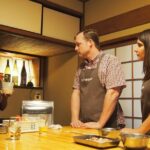
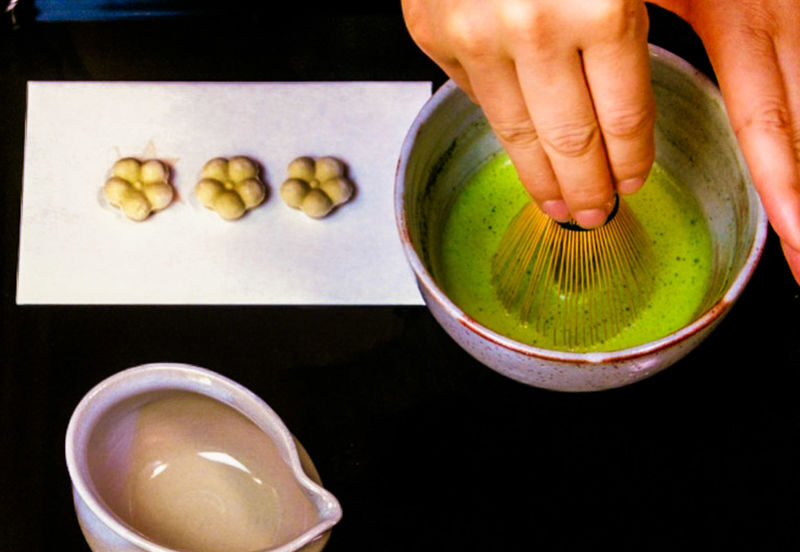
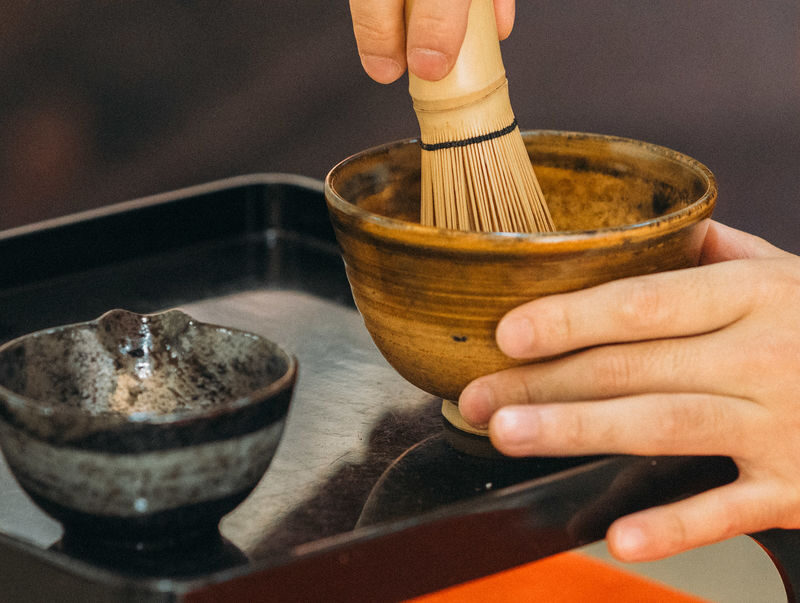
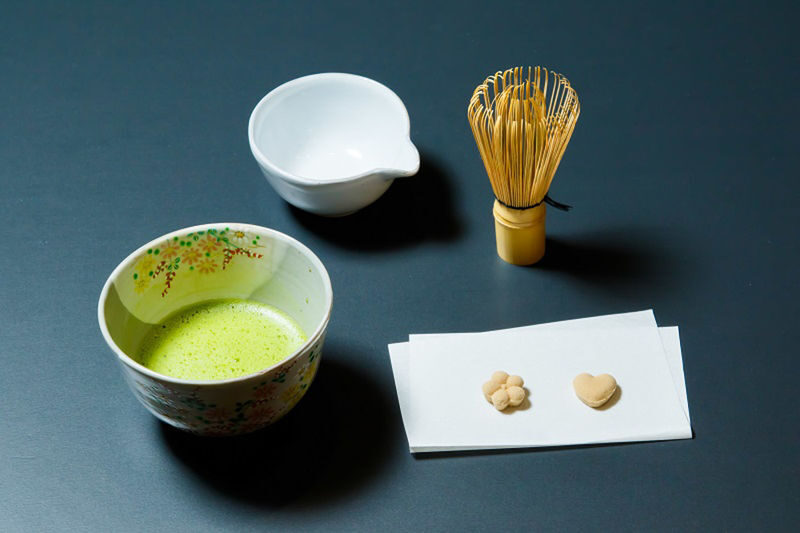
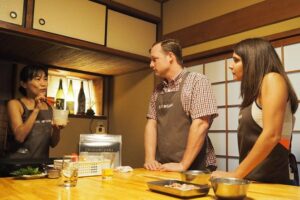
This class is built around doing, not simply observing. After a brief introduction to tea, the instructor shows how matcha is prepared and demonstrates grinding the tea leaves. You then get a chance to make your own matcha and enjoy it at the end.
That hands-on step gives the short class its value. You see the tools in use, follow the sequence, and get a feel for the care involved in preparing a bowl. The class is not presented as a full study of tea ceremony etiquette, but it offers a useful first look at a familiar part of Japanese culture.
The instructor’s demonstration matters, especially if you have never prepared matcha. You can watch each movement before trying it yourself, which helps make the process clear even when spoken explanations are hard to follow. Some sessions include English and Japanese instruction, but the amount of English may vary.
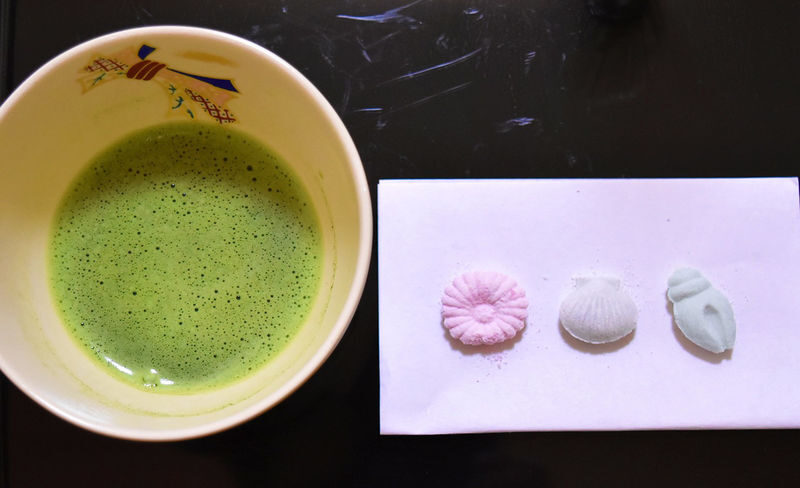
The matcha itself is described as premium grade. Expect the taste to be stronger and more bitter than a sweetened café drink. The purpose is to learn about preparation and ceremony, not to order a mild, sugary matcha latte.
👉 See our pick of the 24 Best Workshops And Classes In Osaka
A Brief Class, Not a Formal Tea-House Ceremony
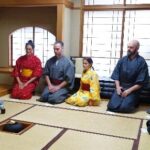
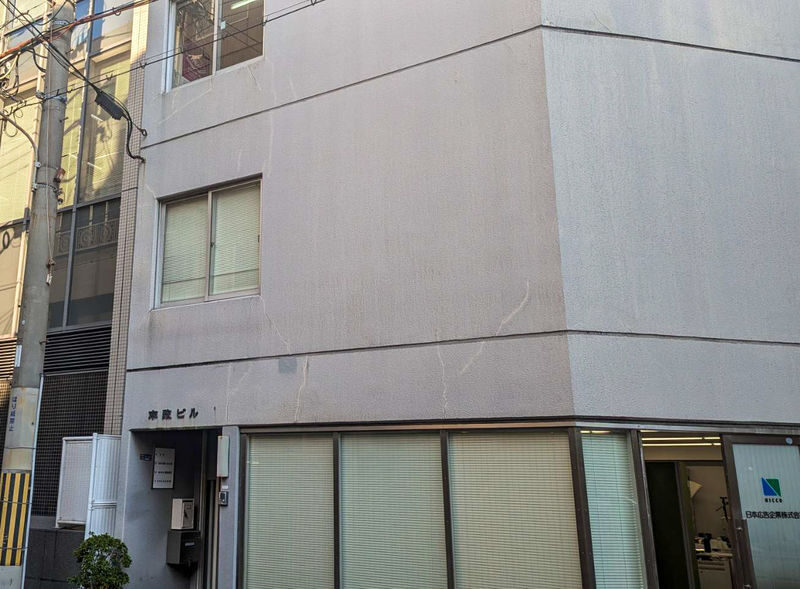
Set your expectations before booking. The room is described as a functional classroom with desks and tea sets, rather than a traditional tea room. You should not expect to wear a kimono or sit through an extended formal ceremony.
That simpler setup has a practical upside: you can fit the session into a sightseeing day without giving up half an afternoon. The scheduled tea activity is about 20 minutes, followed by a listed 10-minute break. Some participants describe the class as lasting roughly 20 to 30 minutes overall.
The trade-off is atmosphere. If you want the hushed setting, formal gestures, and long ritual of a traditional tea-house visit, this may feel more like a short workshop. If your goal is to learn a little, try the tools, and taste the result, the classroom format is an efficient introduction.
A few class details may vary. Some sessions are lively and humorous, while others focus more closely on the steps. The instructor may allow photographs, but it is sensible to ask before taking them rather than assume.
You can also read our reviews of more tours and experiences in Osaka.


What Happens During the Visit
The listed schedule begins with departure at the time selected when you book, then moves to AN Osaka Japanese Culture Experience at Suemasa Building 3F. The activity itself is organized as an introduction, a matcha-grinding demonstration, a tea-ceremony experience, photo time, and a short break.
The tea explanation gives you a starting point for the activity. You learn about tea and the process before handling the equipment. This is the part where language matters most: if you understand the instructor, you can take in more context; if not, watching closely will still help you follow the basic actions.
Next comes the grinding demonstration. Seeing how the tea is prepared offers a useful link between the ingredient and the finished bowl. The description promises a demonstration, not necessarily a chance for every participant to use the grinder, so do not count on operating it yourself.
Then you take part in the tea-ceremony experience. The instructor guides you through making matcha, and you get to drink what you prepare. This is the most active portion, and the reason I would choose this class over a simple tea tasting. You leave with a basic sense of how matcha is made, rather than only a memory of its flavor.
The schedule includes photo time before the break. It is a small but handy feature if you want a picture of the activity or your tea-making setup. The itinerary also lists a 10-minute break, though the whole visit remains short.
The timing shown for departures is 09:05, 11:35, 14:05, 16:35, and 19:05. Return times are listed 30 minutes later, with options depending on the departure and the itinerary duration. Confirm your selected time and the meeting details in your booking, since the activity is marked as a meet-up at the venue.
How Much You Get for the Price
With prices from $8.05, this is an inexpensive way to add an activity to a day in Osaka. The fee covers the traditional tea ceremony experience. Personal expenses are not included, and the sweets-making class is a separate package option.
The value depends on what you want. If you hope for a long, formal ceremony, a traditional room, or an in-depth course on tea varieties, this short session will likely feel limited. If you want an affordable introduction with a chance to make and taste matcha, the price is easier to justify.
The short duration can be a benefit, too. You do not need to build a large part of your day around it, and the listed return options make it possible to plan around a sightseeing schedule. Just remember that the class is an activity in its own right, not a guided tour of Osaka or a tea tasting with several grades to compare.
Some people find the matcha-making segment brief. The class is best understood as a first encounter: you learn the basic sequence and get to try it, rather than study the subject in depth.
Add Nerikiri for a Longer, More Hands-On Visit
A second package combines the tea ceremony with making nerikiri, a Japanese sweet. This gives you another activity alongside matcha and may suit you if you want a fuller workshop or are visiting with family. The sweet-making steps are described as easy to follow, though shaping the sweets can be more challenging than expected.
The combined option is distinct from the tea-only package, so check that you have selected the right one when booking. It is not simply an extra sweet included with the $8.05 starting price. If you are curious about Japanese confectionery as well as tea, the added activity may make better use of your time.
Some combined sessions have been led by an instructor called Nakata-san, who has been described as humorous and helpful. Instructor and language arrangements can vary, so do not assume a particular host or level of English for your date.
Language, Families, and Who Will Enjoy It
You can join alone or with a group, and the activity has no age limit. The practical question is not age but whether you are comfortable learning by watching and following a demonstration. Families with children can take part, and the combined sweets class may give younger participants an extra hands-on task.
If you speak Japanese or English, you are more likely to catch the explanations as well as the steps. English instruction has been available, but some sessions rely more heavily on Japanese or use limited English. If neither language works for you, you may still be able to follow the instructor’s actions, but you could miss the cultural background.
I would recommend this for curious first-timers, solo visitors looking for a brief activity, and families who want something beyond sightseeing. It is also a sensible choice if you want to try preparing matcha without committing to a longer class.
I would look elsewhere if your priority is a formal tea-house setting, traditional dress, a long ceremony, or detailed instruction in English. For those aims, the short classroom format may not provide the atmosphere or depth you have in mind.

Finding the Venue and Planning Your Session
The venue is listed as 庵an 大阪, AN Osaka Japanese Culture Experience, on the third floor of Suemasa Building, 1-12-18 Edobori, Nishi-ku, Osaka. The activity meets at the venue rather than describing a hotel pick-up. Use the address and map details supplied with your booking to find the entrance.
Choose your departure time carefully. The available times are 09:05, 11:35, 14:05, 16:35, and 19:05, though return options can depend on the slot and activity duration. Booking confirmation is issued within minutes, and the voucher is valid only for the date and time selected.
You can book as late as the day before, subject to availability. Changes are allowed up to 24 hours before the activity, with some booking types excluded. Cancel at least 24 hours before the activity date for a full refund; if severe weather or another unforeseen event leads the operator to cancel, you can reschedule or request a refund.
Should You Book This Osaka Tea Class?
Book it if you want a low-cost, short introduction to matcha that lets you prepare and taste your own bowl. The demonstration, practical steps, and compact timing make it a useful break between Osaka sights.
Skip it if you are seeking a formal tea-house ceremony or a long lesson with extensive English-language history. If you want more to do, choose the package that adds nerikiri making. For a quick cultural activity at a modest price, the tea-only class is a straightforward choice.
Traditional Tea Ceremony Experience in Osaka
“Matcha Tea Ceremony & Japanese Wagashi (Confectionery) Making (+ Eating) It was extremely fun! However, for those who don't speak Japanese, the tea…”
FAQ
How long does the tea ceremony experience take?
The tea activity is listed as 20 minutes, followed by a 10-minute break. The full visit is short, and the exact schedule may vary.
What is included in the tea-only package?
It includes the traditional tea ceremony experience. Other personal expenses are not included.
Can I make matcha myself?
Yes. After a brief explanation and a matcha-grinding demonstration, you can prepare matcha and enjoy it.
Is the class taught in English?
English is used in some sessions alongside Japanese, but the amount of English can vary. You may need to follow demonstrations closely if you have trouble understanding the explanations.
Where does the activity take place?
It takes place at 庵an 大阪, Suemasa Building 3F, 1-12-18 Edobori, Nishi-ku, Osaka.
Is there an age limit?
No. The activity has no age limit.
Can I add Japanese sweets making?
Yes. A separate package combines the tea ceremony with making Japanese nerikiri sweets.