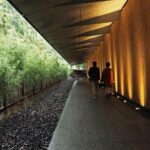
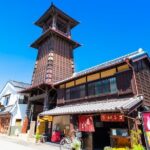
Japan rewards a trip that moves between big-city bustle, mountain temples and quiet island shrines. This 14-day route links Tokyo, Nikko, Hakone, Hiroshima, Kyoto, Nara, Koya-san and Osaka, with guided outings alongside free days to shape as your own. I like the range of places and the chance to try a kimono walk and Buddhist vegetarian lunch, not just tick off famous sights.
I also like that rail travel and many major excursions are arranged, while two free days in Kyoto and one in Osaka give you breathing room. The trade-off is that this is not a continuously escorted group tour: you’ll often travel to meeting points or back to your hotel independently, and some trip instructions need careful checking.
- The quick take
- From Tokyo’s temples to Nikko’s mountain air
- Hakone, Lake Ashi and the train west
- Miyajima and Hiroshima’s difficult history
- Kyoto’s temples, with time to choose your own route
- Osaka and the quiet of Koya-san
- What the price buys, and what it leaves to you
- Should you book this Japan route?
- FAQ
- Are international flights included?
- What accommodation is included?
- Is a JR Pass included?
- Is there a tour leader with the group throughout the trip?
- Which meals are included?
- Does the Koya-san visit include an overnight temple stay?
- The Best Of Tokyo!
- More Tours in Tokyo
- More Tour Reviews in Tokyo
- Not for you? Here's more nearby things to do in Tokyo we have reviewed
The quick take
 1 / 8
 2 / 8
 3 / 8
 4 / 8
 5 / 8
 6 / 8
 7 / 8
 8 / 8
- Tokyo sets the pace: A city tour pairs the Imperial Palace area, Senso-ji, Tokyo Tower and Ginza, then a separate long day reaches Nikko’s Toshogu Shrine, Lake Chuzenji and Kegon Falls.
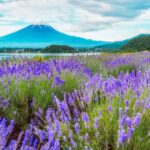
- Hakone adds variety: A Lake Ashi cruise and cableway ride complement the Mt. Fuji outing, though visibility and mountain weather can affect the views.
- Kyoto gets room to breathe: Two free days sit alongside a kimono evening in Gion and a guided Kyoto and Nara day.
- Hiroshima combines memory and island culture: The day trip includes Miyajima’s Itsukushima Shrine and Hiroshima’s Peace Memorial Park, museum and Atomic Bomb Dome.
- Expect independent connections: A rail pass and intercity transport are included, but you’ll make some hotel-to-station and hotel-to-meeting-point trips on your own.
- Check the fine print on lodging: The price starts at $4,283, with accommodation described as hostel, three-star or four-star options. The exact room category matters to value.

👉 See our pick of the 25 Best Guided Tours In Tokyo
From Tokyo’s temples to Nikko’s mountain air
The first day is deliberately light. A shared shuttle takes you from Narita Airport to your hotel, then Tokyo is yours to explore nearby. Narita is well outside central Tokyo, so the included transfer is useful after a long flight. Still, it is shared, and your arrival time and other passengers can affect how quickly you reach your room.
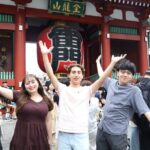
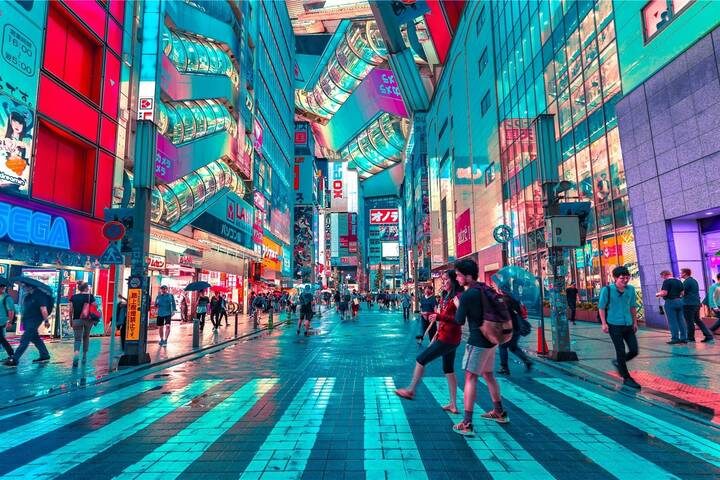
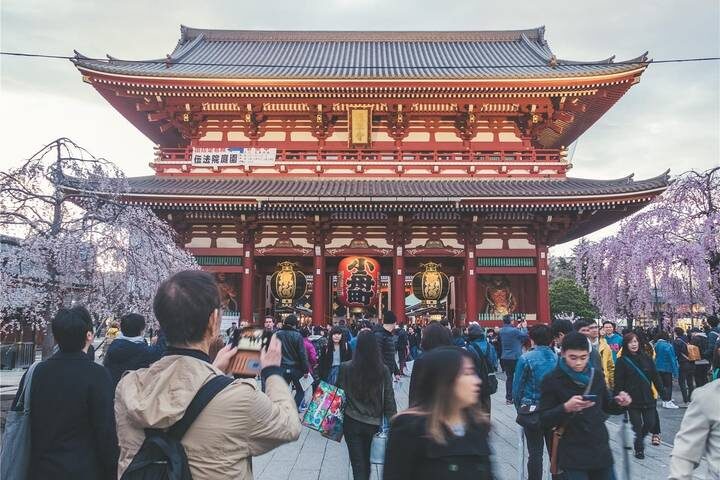
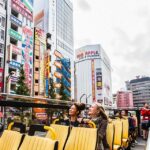
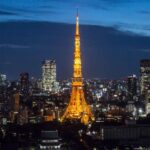
Day two is a long, guided introduction to the capital, running from a 9 a.m. meeting to about 6:30 p.m. You’ll see the Imperial Palace, Senso-ji Temple, Tokyo Tower and Ginza. The combination works well: Senso-ji gives you a feel for an older temple district, while Ginza shows a more polished, commercial side of Tokyo. The schedule also includes time for walking and shopping, but don’t expect a slow, in-depth visit at every stop.
You return to your hotel independently, by public transport or taxi. That pattern repeats throughout the trip. Keep your meeting point, end point and hotel address handy, and make sure you know how you’ll get between them before the day begins.
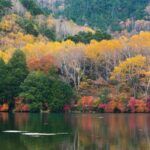
Nikko is a full-day outing, with an 8 a.m. start and a return to Shinjuku Station around 7 p.m. Toshogu Shrine is the star: an ornate shrine complex that feels very different from Tokyo’s city temples. Lake Chuzenji and Kegon Falls add a change of scenery, and a Japanese-style lunch is included. It’s a rewarding day, but a full one, so take the advice to eat a substantial breakfast seriously.
You can also read our reviews of more tours and experiences in Tokyo.


Hakone, Lake Ashi and the train west
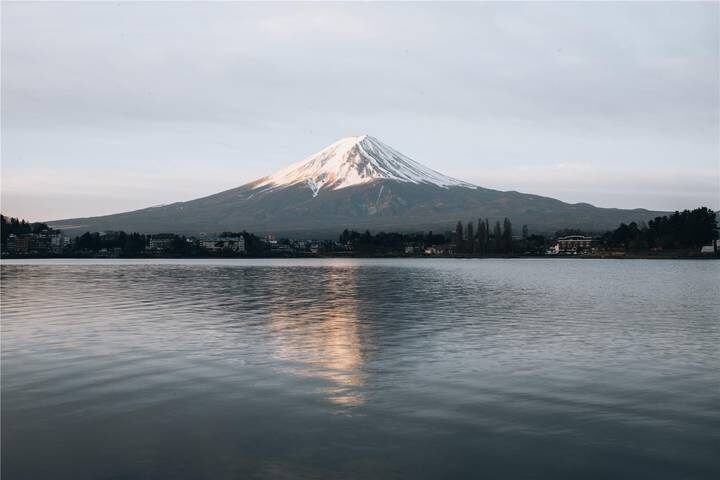
The Mt. Fuji and Hakone excursion starts at 8 a.m. and combines a Japanese-style meal, a short cruise on Lake Ashi and a cableway ride toward Hakone Shrine Mototsumiya. Those varied modes of transport make the day more than a simple bus tour. The Mt. Fuji views, however, depend on weather and visibility; don’t book this day expecting a guaranteed clear view.
The itinerary says you’ll need to find your own way back to your hotel by taxi or public transport. It also lists an overnight in Hakone, followed by a relaxed morning before a 1:30 p.m. bullet train to Hiroshima. Confirm the precise hotel location and station arrangements before departure, since the plan includes several self-managed connections.
The train journey is one of the trip’s big practical advantages. A 7-day JR Pass is specified in the trip information, and rail transport between cities is included. The pass is activated during the trip, so check its start date and which journeys it covers. Local trains, taxis and trips to meeting points may still need separate planning or payment.
You reach Hiroshima at about 4 p.m. on day five, leaving the evening free. This is a good chance to settle in before the next day’s emotionally weighty visit, though meals that are not listed as included are your responsibility.
Miyajima and Hiroshima’s difficult history
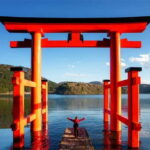
The Hiroshima and Miyajima day takes you by bus to Miyajimaguchi, then by ferry to Miyajima Island and Itsukushima Shrine. The island visit brings a different mood from the city, with a celebrated shrine setting and time to take in the place at your own pace. The schedule then returns to Hiroshima for Peace Memorial Park, the Peace Memorial Museum and the Atomic Bomb Dome.
This is an important, potentially moving day, not just a collection of landmarks. The museum and memorial sites ask for attention and time. Because several major stops are included in one outing, the pace may feel brisk if you want to linger. You finish at JR Hiroshima Station and make your own way back to your accommodation.
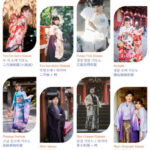
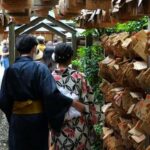
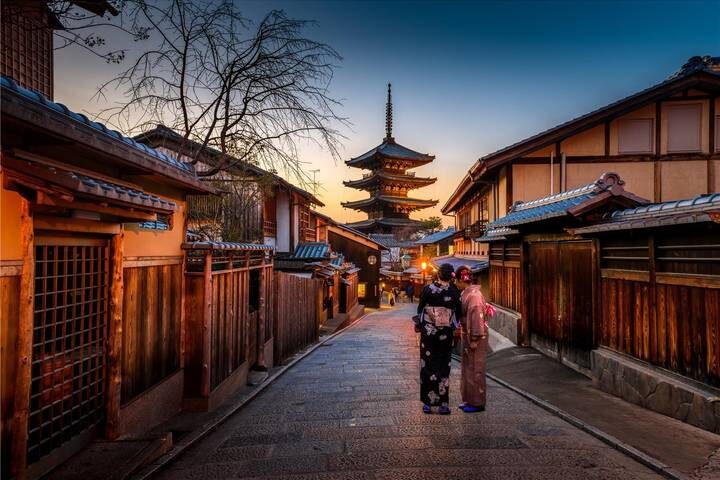
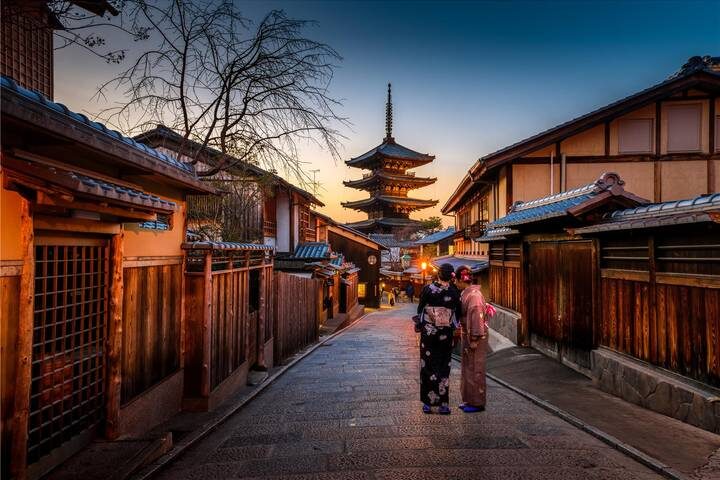
On day seven, you travel independently to Hiroshima Station, take the Nozomi Shinkansen to Kyoto, then arrange a taxi to your hotel. In Kyoto, the 3:30 p.m. kimono night tour offers one of the trip’s more distinctive cultural experiences. You dress in an authentic kimono, walk through Nene no Michi and Gion, visit Yasaka Shrine, and finish with a tea ceremony and dinner at Gion Yoshi-ima.
The kimono outing is a special evening, but it has a fixed meeting time after a travel morning. Allow enough time to reach the meeting point and check where your belongings will be held during the walk. The tour description says your regular clothes and unnecessary items are taken to the dinner venue, where you change back before making your own way to the hotel.
Kyoto’s temples, with time to choose your own route
Two full free days in Kyoto are a real strength. The scheduled tour introduces several headline sights, but Kyoto is too large and varied to absorb in a single day. Free time lets you choose a slower pace, revisit an area or add activities that fit your interests. Extra guided tours can be arranged, but they are not part of the listed inclusions.
Day ten is a combined Kyoto and Nara tour, starting at 8:30 a.m. In Kyoto, the planned stops include Nijo Castle, Kinkaku-ji, the Kyoto Imperial Palace and Kitano Tenmangu Shrine. Then you continue to Nara Park, Todai-ji Temple and its Great Buddha, and Kasuga Taisha Shrine, with a stop at Nara Nagomikan.
That is a lot of ground in one day. Kinkaku-ji’s golden exterior is an immediate visual highlight, while Todai-ji gives you the scale of one of Japan’s best-known Buddhist buildings and its enormous Buddha figure. Nara Park’s deer are part of the experience, but the main value lies in pairing the park with the temple and shrine visits. You return to Kyoto by train and make your own way back to your hotel.
The itinerary lists a Kyoto Tour among the included services as well as the Kyoto and Nara tour, but the day-by-day plan does not clearly spell out a separate Kyoto-only guided outing. Ask Bamba to confirm exactly what the additional Kyoto Tour includes before you book.
Osaka and the quiet of Koya-san
You travel from Kyoto to Osaka by JR Special Rapid train on day eleven, then have a city outing that includes the Floating Garden Observatory and Osaka Castle, reached via a local train and Aqua Liner boat. The planned activities end around 5 p.m. at Higashi-Umeda Station. Osaka’s feel is different from Kyoto’s: more modern city sights and transport connections, with free time to find your own corners afterward.
Day twelve heads from Nankai Namba Station toward Koya-san, with visits to Okuno-in and Danjogaran and a Buddhist vegetarian lunch. The meal is a valuable part of the visit: it connects the temple setting with a tradition of plant-based Buddhist cooking. The rail journey involves a change at Gokurakubashi and a further connection to Koyasan Station, so keep your route details close.
There is a notable point to clarify before paying: the trip details describe a temple lodging on Koya-san, but the day-by-day plan also shows the return journey to Osaka that day and lists an Osaka overnight. The summary mentions returning the next morning. Ask Bamba whether you’ll actually sleep at a temple lodging or return to Osaka, and what accommodation and transport are included. That changes the feel of this part of the trip considerably.
Day thirteen is free in Osaka, followed by a transfer to Kansai International Airport after breakfast on day fourteen. The itinerary also lists a Kobe Walking Tour as included, but no day or description is provided for it. Confirm whether it is part of your departure version and how it fits into the schedule.

What the price buys, and what it leaves to you
At a starting price of $4,283, this is best judged as a packaged independent trip, not a fully escorted tour. The stated inclusions are 13 nights of accommodation, airport transfers, 13 breakfasts, rail transport and a substantial set of guided excursions. International flights, insurance, most other meals, tips, personal spending and some hotel-to-station or meeting-point transfers are excluded.
The accommodation category deserves close attention. The options are described as hostels, three-star hotels or four-star hotels, and the price is based on the cheapest room. Four-star accommodation can be quoted, but it may increase the total. Ask for the hotel names, room type and location for your dates, since a well-placed hotel can save time and taxi costs on days with early starts.
Food is partly covered rather than all-inclusive. Breakfast is provided every day, with Japanese-style meals on the Nikko and Hakone excursions, dinner during the Kyoto kimono evening, and Buddhist vegetarian lunch on Koya-san. You’ll pay for the remaining meals and drinks, so leave space in your budget for several days of eating independently.
The best praise for the trip’s human side has been directed at the guides on the excursions. They were described as courteous, organized and conscientious, and the guide category received the strongest score in the available ratings. That is encouraging, but it does not solve the main logistical weakness: preparation and communication can be uneven. One October trip had confusing or conflicting directions, a late-arriving rail-pass voucher, a missed kimono walk and a gluten-free meal request that was not passed along.
Treat special requests as something to reconfirm directly, especially dietary needs, and check each meeting location and time as soon as you receive the final documents. The operator’s response rate is listed as 100 percent, with a response time within one day, but a quick reply is not the same as clear instructions on the ground. Build in a little buffer rather than planning a tight connection to a tour departure.
The advertised group size is 1 to 10, yet this trip is not a conventional group tour with one leader accompanying you from city to city. The activities have English-speaking guides, while many transfers and hotel connections are independent. That setup can suit confident travelers who want support for key visits without being shepherded all day. It is less suitable if you want one guide to manage every handoff, or if you need close assistance throughout.
Should you book this Japan route?
Book it if you want a broad first visit to Japan, value having major excursions and rail travel arranged, and are comfortable navigating stations and meeting points on your own. The route gives you a strong mix of city icons, historic sites, island travel and mountain temples, with enough free time to make Kyoto and Osaka your own.
Before booking, get written confirmation of the accommodation level, Koya-san overnight arrangements, the separate Kyoto and Kobe tour details, and the JR Pass activation and coverage. If those answers are clear and the independent logistics suit you, the price can make sense for a trip that links so many regions. If you want continuous guiding or fully hands-off transfers, choose a tour with a leader traveling alongside you.
Spirit of Japan 14D/13N by Bamba Travel – Tokyo to Osaka Tour
“The overall experience was very good. The preparation and communications on the specific arrangements, transportation, lodging and tour coordinatio…”
FAQ
Are international flights included?
No. International airfare is not included. Travel insurance, personal expenses, tips, most other meals and drinks are also excluded.
What accommodation is included?
The package includes 13 nights, with options described as hostels, three-star hotels or four-star hotels. The listed price is based on the cheapest room, and four-star options can be quoted.
Is a JR Pass included?
Yes. A 7-day JR Pass is included and is activated during the trip. Confirm the activation date and coverage for your particular itinerary.
Is there a tour leader with the group throughout the trip?
No. The trip is described as an independent trip rather than a group tour with a continuous tour leader. English-speaking guides are provided for some activities, and you’ll handle some connections yourself.
Which meals are included?
Thirteen breakfasts are included, along with a Japanese-style lunch on the Nikko tour, meals listed for the Hakone outing, dinner during the Kyoto kimono evening and a Buddhist vegetarian lunch on Koya-san. Other meals and drinks are not included.
Does the Koya-san visit include an overnight temple stay?
The trip details are inconsistent. One description mentions a temple lodging, while the day-by-day schedule shows a return to Osaka and an Osaka overnight. Confirm the arrangement with Bamba before booking.