Seoul’s borderland observatories, a night in a Buddhist monastery, snow-country macaques and Mount Fuji all fit into this 16-day trip. Europamundo links South Korea and Japan by coach, ferry and one included flight, giving you a broad introduction without asking you to plan every transfer yourself.
I like two things in particular: the itinerary reaches well beyond the capitals, and its cultural experiences are more than photo stops, from making gochujang in Sunchang to sleeping on tatami at Mount Koya. The route also folds in memorable contrasts: a war memorial in Seoul, a moving peace museum in Hiroshima, then a quiet walk among Jizo statues in Nikko.
The trade-off is pace. You change cities often, and long coach journeys are part of the deal. Guide and group arrangements can change along the way, too. If you prefer several unplanned days in each city, this tour may feel more like a well-organized sampler than a slow stay.
- Five things to know before you book
- A two-country route with a lot of ground to cover
- Seoul: palaces, street life and the border
- Jeonju, Sunchang and Busan: food, bamboo and scripture
- Miyajima and Hiroshima: a beautiful shrine, a sobering history
- Shikoku and Mount Koya: steps, gardens and a temple night
- Kyoto, Tsumago and Matsumoto: temples and old roads
- Nagano, hot springs and Nikko: the trip’s strongest nature day
- Tokyo and Mount Fuji: city views, then the final outing
- Practical details and who will enjoy it
- FAQ
- What is included in the tour price?
- Do I need my passport for the DMZ visit?
- Is the tour guided in English?
- How physically demanding is the tour?
- What is the Mount Koya accommodation like?
- Are meals suitable for someone who does not like Japanese food?
- Does the tour include an airport transfer at the end?
- The Best Of Seoul!
- More Tours in Seoul
- More Tour Reviews in Seoul
- Not for you? Here's more nearby things to do in Seoul we have reviewed
Five things to know before you book
 1 / 10
 2 / 10
 3 / 10
 4 / 10
 5 / 10
 6 / 10
 7 / 10
 8 / 10
 9 / 10
 10 / 10
- The DMZ day includes a border observatory and cable car: Bring your passport. Military access can be restricted, and the route may change.
- Sunchang offers a hands-on food experience: You learn how gochujang is made, then continue to Damyang’s bamboo paths and bamboo-cooked rice.
- Mount Koya means a simple temple stay: Expect tatami, shared bathrooms, a vegetarian dinner and, when available, monk-led meditation.
- Japan’s island crossings are part of the trip: Ferries connect Hiroshima with Matsuyama and the mainland route includes a crossing to Miyajima.
- Mount Fuji is the grand finale, but not a climb: The tour goes to the Fifth Station when conditions permit, then returns to Tokyo.
👉 See our pick of the 25 Best Guided Tours In Seoul
A two-country route with a lot of ground to cover
At a starting price of $5,685, this is a substantial guided trip, not a budget city break. The price includes accommodation, buffet breakfasts, coach transport, an internal flight from Busan to Fukuoka, several lunches and dinners, and many named admissions and activities. That bundling can be useful if you want one booking to handle the complicated links between cities and islands.
The value depends on what you want from the trip. You get a wide sweep of major sights, historic towns and religious sites, along with local experiences that would take careful planning to arrange independently. In return, you give up some flexibility. Days are structured, coach time adds up, and free time is limited in several stops.
Group size is listed as 2 to 72. That is a wide range, so the feel of your departure may vary. The operator also notes that groups and guides can change during the tour, and that some services may be bilingual depending on group numbers.
You can also read our reviews of more tours and experiences in Seoul.
Seoul: palaces, street life and the border
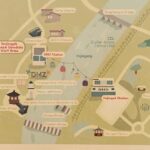
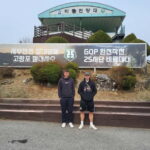
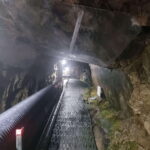
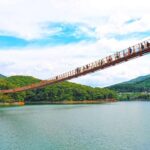
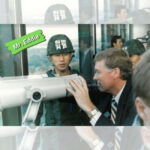
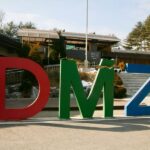
The trip opens with a transfer to your Seoul hotel and a short orientation. The first full day heads toward Gimpo and Paju, where Aegibong Observatory looks across the border and the DMZ visit includes Imjingak, the Freedom Bridge and a cable car ride near the Military Demarcation Line. A local lunch and an evening visit to City Hall, Deoksugung Palace and Myeongdong round out a long day. You return by subway with your guide.
Bring your passport: it is required for the DMZ. Access can close without notice, so an alternative visit may replace it. There is also a detail worth checking before departure: the tour materials refer both to Paju’s DMZ and to Cheorwon’s Second Tunnel and Peace Observatory. The daily schedule describes Paju, so confirm which border sites are planned for your date rather than assuming you will see both areas.
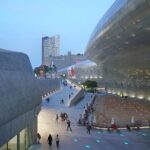
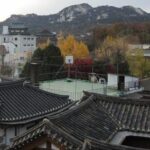
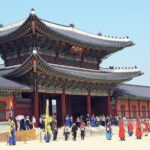
Seoul’s next day brings Changdeokgung Palace, Bukchon Hanok Village and the War Memorial of Korea, followed by Gangnam and Lotte World Tower. The observation deck at Lotte World Tower costs extra, so you can choose between the view and time for shopping. On the way south, Gyeongbokgung Palace and Suwon’s UNESCO-listed walls give you another dose of royal and military history before you reach Jeonju’s hanok quarter.
Jeonju, Sunchang and Busan: food, bamboo and scripture
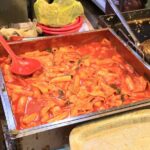
Jeonju’s traditional houses and small shops make a pleasant contrast with Seoul’s scale. The following day is one of the tour’s most distinctive: in Sunchang, local artisans show you how to make gochujang, the fermented chili paste central to Korean cooking. In Damyang, you walk through Juknokwon Bamboo Forest and visit the Bamboo Museum. Lunch includes rice cooked and served inside a bamboo stalk, a local specialty rather than a standard hotel buffet.
The final stop before Busan is Haeinsa, a major Buddhist temple and UNESCO site. Its Tripitaka Koreana consists of around 80,000 carved wooden scripture blocks. This is a valuable stop for anyone interested in Korean Buddhism, though the day strings together several destinations, so expect a fair amount of time on the road.
Busan’s morning begins at Haedong Yonggungsa, a temple beside the sea, then continues to the United Nations Memorial Cemetery and Nampo Port’s fish market. After lunch, you fly to Fukuoka. That flight saves a long overland transfer, though airport time still makes this a travel day rather than a leisurely city visit.
Miyajima and Hiroshima: a beautiful shrine, a sobering history
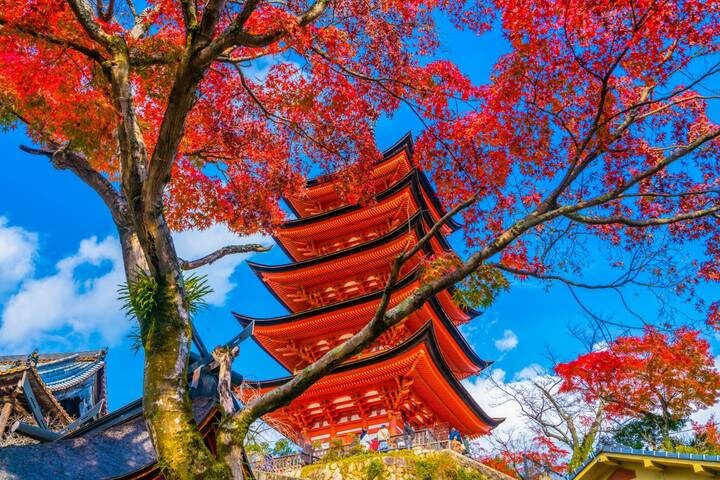
From Fukuoka, the coach takes you to Iwakuni’s Kintai-kyo Bridge, then on to Miyajima by ferry. Itsukushima Shrine, partly built over the water, is among Japan’s most memorable sacred sites. You have time for the shrine and town, but the visit shares the day with the drive to Hiroshima.
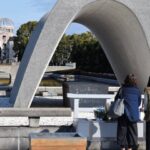
Hiroshima’s Peace Memorial Park, Atomic Bomb Dome and Peace Memorial Museum put the 1945 bombing in human context. This is a serious, emotionally demanding visit, and the museum deserves your attention rather than a rushed glance. Dinner is included after the visit.
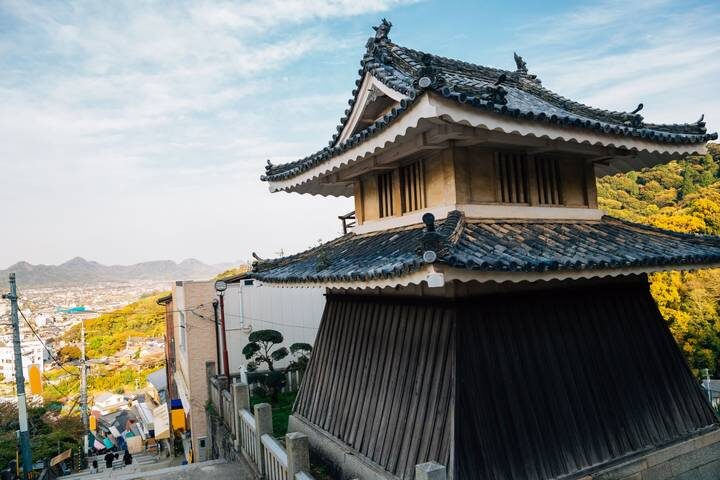
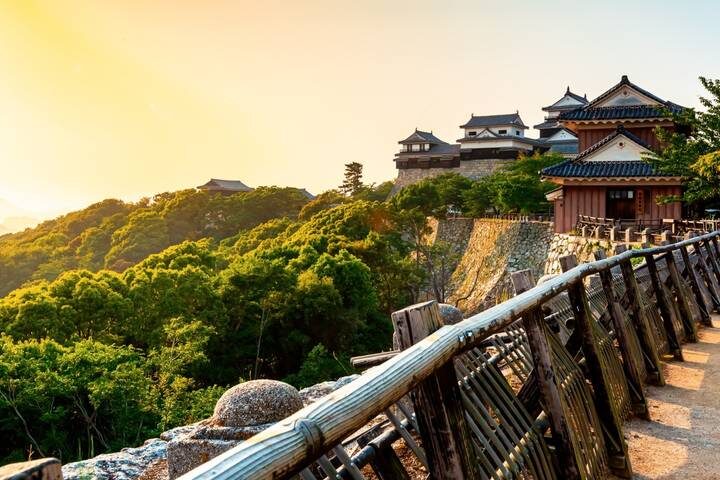
The next day’s ferry to Shikoku takes about two and a half hours. In Matsuyama, you ride a cable car to the castle, visit Ishiteji Temple and enter Dogo Onsen, a traditional bathhouse dating to the 19th century. It is a welcome change of pace after the museum, though the bathing experience is not the same as simply looking around a historic building: bring an open mind about local bathing customs.
Shikoku and Mount Koya: steps, gardens and a temple night
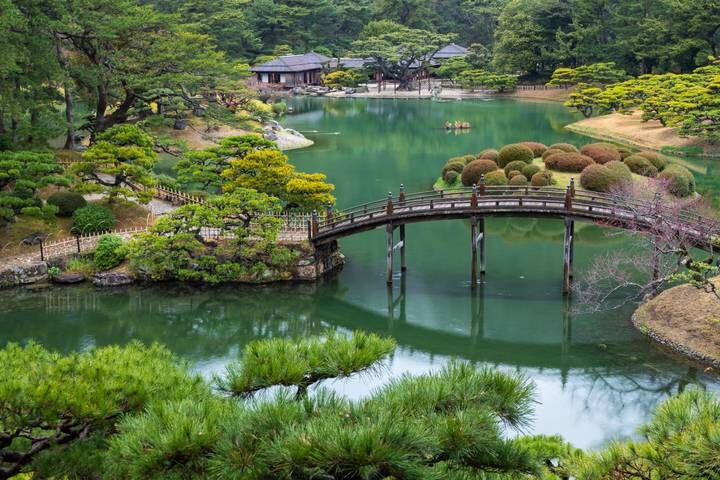
At Kotohira, reaching the Shinto shrine means climbing 785 steps. That is the trip’s clearest physical challenge, despite its low-intensity rating. If stairs are difficult for you, ask the operator what alternatives are available before booking. In Takamatsu, Ritsurin Garden offers a gentler visit, with a local lunch included.
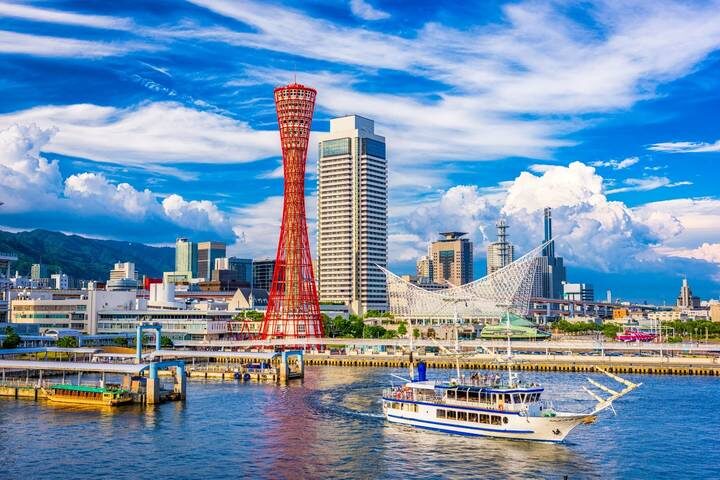
Near Naruto, the route includes a bridge over the sea and a viewpoint for the whirlpools. The glass-floor walk is listed as optional, so check whether it is included in your departure’s arrangements. Scenic bridges continue toward Kobe, where the Earthquake Memorial Museum recalls the 1995 disaster and the city’s rebuilding. On some dates, the museum may be replaced by a sake museum or Kobe Tower.
Mount Koya is a highlight for people curious about Buddhist practice. You visit Okuno Mausoleum, a vast wooded cemetery, and Kongobuji Temple before staying at a monastery. Rooms are simple, with tatami flooring and shared bathrooms. Dinner is vegetarian, and monks may lead an Ajikan meditation session, although meditation cannot be guaranteed on peak dates. Temple accommodation is limited, so a nearby hotel may be used instead. A traditional breakfast is included the next morning; an early religious ceremony is optional.


Kyoto, Tsumago and Matsumoto: temples and old roads
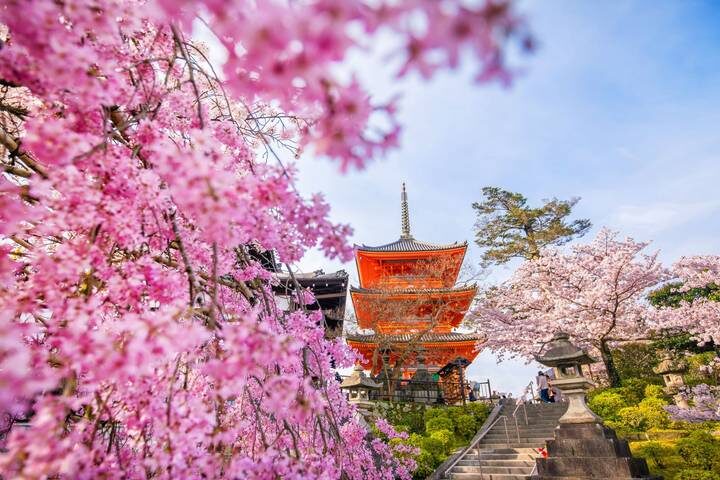
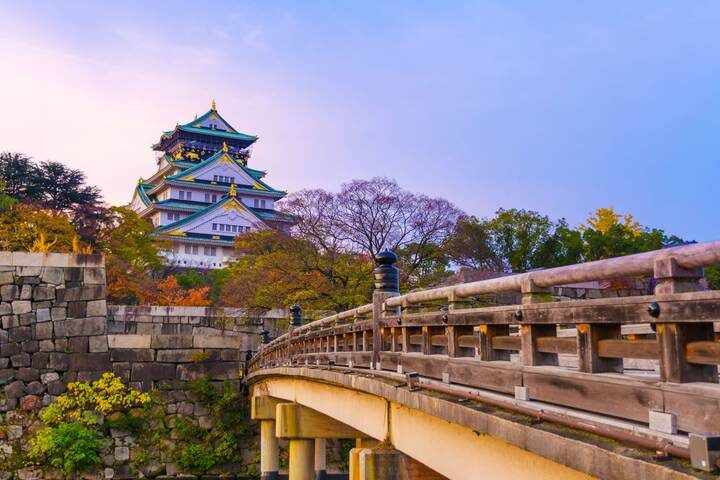
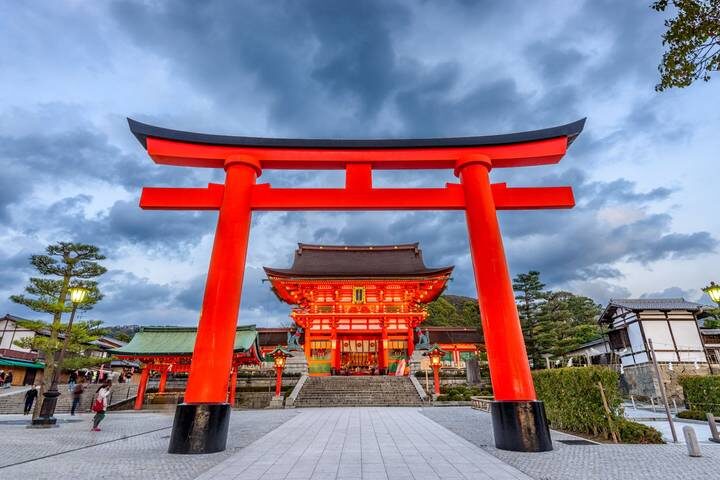
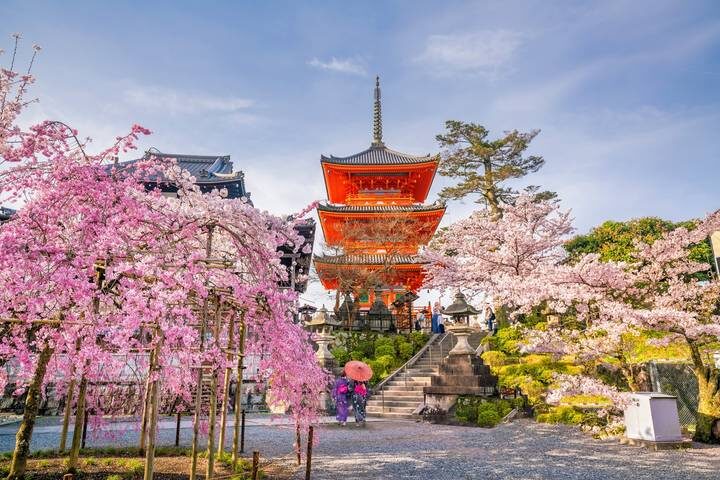
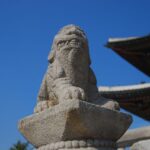
Kyoto’s day combines Fushimi Inari Shrine, the Imperial Palace, Kinkaku-ji’s Golden Pavilion and the Gion district. It is an ambitious list for a city where each site could absorb more time. The benefit is a useful first survey; the drawback is that you may want to return independently if one temple or neighborhood catches your interest.
The next day shifts to Tsumago, a small village known for wooden houses, then Matsumoto Castle, a striking 16th-century fortress nicknamed the Crow. Both stops offer free time, but they sit within a longer transfer to Nagano. Pack patience for the coach miles, and treat the scenery between towns as part of the day rather than expecting a long stay at each stop.
Nagano, hot springs and Nikko: the trip’s strongest nature day
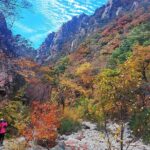
In Nagano, Zenko-ji Temple and the Gomakuyo good-fortune ceremony introduce a different side of Japanese religious practice. Then comes Jigokudani Monkey Park, reached by a walk along forest trails beside rivers and hot springs. Japanese macaques sometimes bathe in the warm water, but wildlife is unpredictable. In autumn, food availability can affect whether the monkeys come down; in winter, Kusatsu visits may be canceled due to weather.
The route continues through high mountain country to Kusatsu, where you stroll through a park with open-air hot springs, then on to Ikaho’s stone stairways. Your ryokan stay includes access to hot-spring baths and a traditional Japanese dinner. If you have never stayed in a ryokan, this is a good chance to try tatami and futon bedding, though comfort preferences vary and rooms are not hotel-style.
Nikko brings ornate Toshogu Shrine, Taiyuinbyo Mausoleum and the Kanmangafuchi Abyss, where lines of Jizo statues stand beside the river. The group returns to Tokyo at about 6:30 p.m. This is another full day, but the mix of grand architecture and a quiet riverside walk gives it a satisfying close.
Tokyo and Mount Fuji: city views, then the final outing
Tokyo’s guided sightseeing day includes Zojoji Temple, Meiji Shrine, Shibuya Crossing viewed from the bus, Tokyo Skytree’s 350-meter Tembo Deck, Sensoji Temple and Nakamise Street. The coach also passes Akihabara and Ginza. In the evening, you take the subway with your guide to Shinjuku for a walk and included dinner. Skytree access depends on weather and operating conditions; an alternative viewpoint may be offered if access is limited.
The last day heads to the Fuji area: Arakurayama Sengen Park, Fuji Sengen Shrine, a boat ride on Lake Kawaguchiko and the road to Mount Fuji’s Fifth Station at 2,305 meters. This is not a summit climb. Snow or adverse weather can prevent the ascent, in which case the bus goes as far as conditions allow. The tour returns to Tokyo by day’s end, and the departure airport transfer is not included, so do not book a flight that assumes you will be dropped at the airport after the excursion.
Practical details and who will enjoy it
Hotels are generally listed as three- or four-star properties with private bathrooms, though exact hotels can vary. They are not described as luxury stays, and some may be outside central areas, with public transport nearby. The Mount Koya temple is the exception, with simpler rooms and shared facilities.
Breakfast is included, along with selected lunches and dinners. Included meals are arranged as part of the cultural program, but the operator says venues can often offer alternatives and guides can help with simpler food choices when possible. You also have free meals in several places, where international food is available in cities.
English-language guiding is specified for Seoul, Busan, Kyoto and Tokyo. Guides may change during the trip, and some departures may use bilingual explanations. Past departures have included guides named Ken, also known as Rei, David and Kiko, but you should not count on a particular guide being assigned to your dates.
I would recommend this tour if you want a broad, guided introduction to Korea and Japan, value logistics handled for you, and are comfortable moving on most days. It is especially appealing if you like temples, museums, regional food and varied scenery more than extended free time. Choose a slower itinerary if you want to linger in Seoul, Kyoto or Tokyo, or if long coach days and frequent hotel changes sound tiring.
Lights Korea and Japan with Mount Fuji (from Seoul to Mount Fuji) by Europamundo
“The tour was very thorough and covered a lot of areas. The tour guides were very knowledgeable. I had a great time!”
FAQ
What is included in the tour price?
Accommodation, breakfast buffet, coach transport, an included flight from Busan to Fukuoka, basic travel insurance, listed admissions and selected meals are included. The Lotte World Tower observation deck is not included.
Do I need my passport for the DMZ visit?
Yes. A passport is mandatory for the DMZ visit. The area can close without notice, in which case an alternative tour is provided.
Is the tour guided in English?
English-language guiding is listed in Seoul, Busan, Kyoto and Tokyo. Guides may change during the trip, and some departures may use bilingual guiding depending on group size.
How physically demanding is the tour?
The tour is rated low intensity, but you should expect walking, forest trails and a climb of 785 steps at the Kotohira shrine. The Monkey Park also requires a walk along forest paths.
What is the Mount Koya accommodation like?
The monastery rooms are simple and traditional, with tatami mats and shared bathrooms. A vegetarian dinner is included. Meditation may not be available on peak dates, and a nearby hotel may be used if temple space is limited.
Are meals suitable for someone who does not like Japanese food?
The operator says most included meals have options, and guides can help request simpler or non-Japanese dishes where possible. Several meals are not included, leaving time to choose other cuisines in the cities.
Does the tour include an airport transfer at the end?
No departure airport transfer is included. The Mount Fuji day returns to Tokyo, and the guide can recommend public transport options for your onward journey.