Japan’s sakura season is a moving target, and this trip gives you several chances to catch it: Tokyo parks, a Fuji-viewing day at Lake Kawaguchi, Kyoto’s temple gardens and Osaka Castle Park. I like that the route pairs headline sights with different moods, from Shibuya Crossing to the quiet grounds of Meiji Jingu. I also like that the group is capped at 16, small enough to keep the days manageable.
The main consideration is the pace. You cover a lot in nine days, and several stops involve walking, stairs or time on a coach. Blossoms depend on the season’s timing and conditions, too, so a tour scheduled for peak bloom cannot guarantee flowers at every stop. The starting price is $4,708, before flights, insurance and airport transfers.
- The details that matter at a glance
- Tokyo starts with temples, park paths and city energy
- A long Fuji day, with a view that depends on the sky
- Kyoto by bullet train, then time to find your own rhythm
- Nara’s deer and Osaka’s food streets
- What the price covers, and what it does not
- Who should book this Japan spring tour?
- FAQ
- When does the tour run?
- Where does the tour start and end?
- How large is the group?
- What meals are included?
- Which hotels are planned?
- Is the Tokyo to Kyoto bullet train included?
- Are airport transfers included?
- Is the Mount Fuji view guaranteed?
- Is there a single supplement?
- The Best Of Tokyo!
- More Tours in Tokyo
- More Tour Reviews in Tokyo
- Not for you? Here's more nearby things to do in Tokyo we have reviewed
The details that matter at a glance
 1 / 7
 2 / 7
 3 / 7
 4 / 7
 5 / 7
 6 / 7
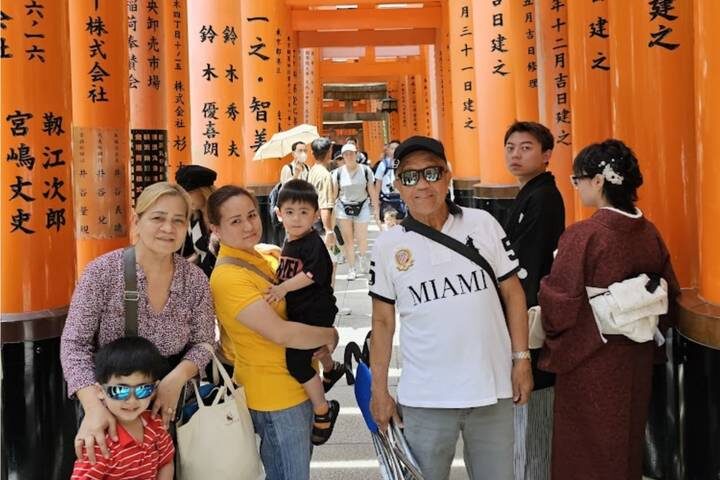 7 / 7
- Eight breakfasts and eight hotel nights are included, with three nights in Tokyo, three in Kyoto and two in Osaka.
- The Shinkansen takes you from Tokyo to Kyoto, while a coach handles most sightseeing and the Kyoto to Nara to Osaka route.
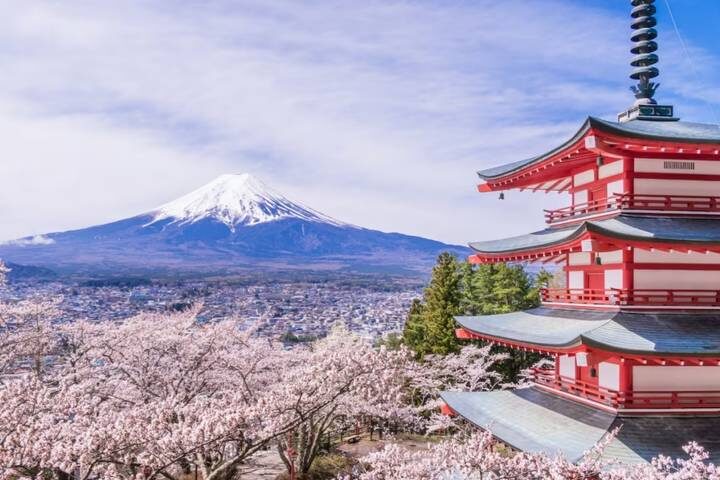
- Arakurayama Sengen Park delivers the classic Fuji view, with a pagoda in the foreground and Mount Fuji behind it, weather permitting.
- Kyoto gets three full sightseeing days, including Kiyomizudera, Kinkakuji, Nijo Castle, Gion and Arashiyama.
- The group size is limited to 16, and the tour is guided in English.
- Airport transfers are extra, and you make your own way to the first hotel and from the last one.

👉 See our pick of the 25 Best Guided Tours In Tokyo
Tokyo starts with temples, park paths and city energy
Day 1 is deliberately light. You arrive in Tokyo, make your own way to the hotel and have time to recover before meeting the group. Airport pickup can be arranged for an extra charge, but it is not part of the package. The planned hotel is Shibuya Excel Hotel Tokyu, or a hotel of the same standard if it is unavailable.
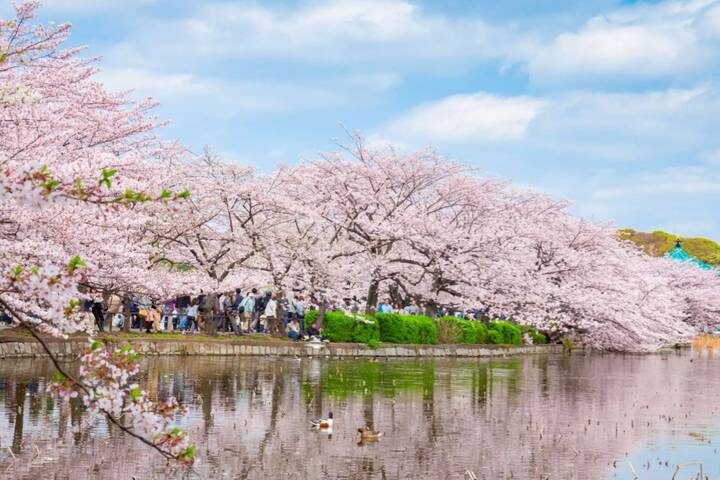
On Day 2, the city tour moves from Ueno Park to Senso-ji, Meiji Jingu and Shibuya Crossing. Ueno is a major spring viewing spot, with more than 1,300 cherry trees. It is also a large cultural precinct, so you can make a note of the Tokyo National Museum or National Museum of Western Art if you want to return during free time. Both require separate admission, and the Tokyo National Museum is closed on Mondays.
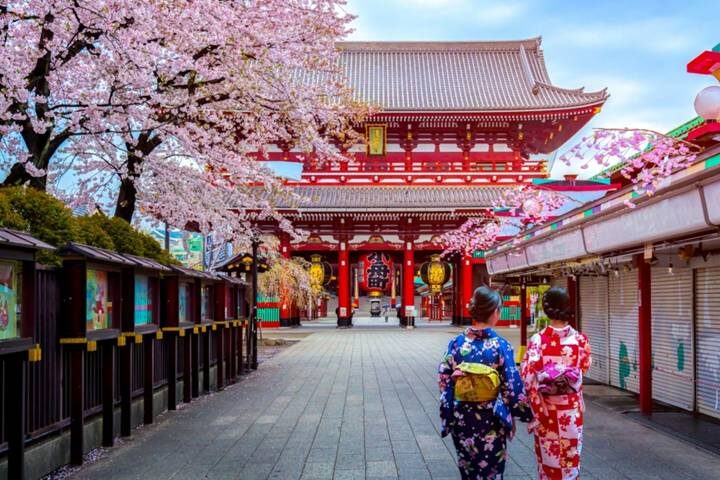
Senso-ji offers a different sort of scene. Enter through Kaminarimon, the Thunder Gate, beneath its huge red lantern, then walk along Nakamise Street toward the main hall and five-story pagoda. The shopping lane is part of the experience, but it can be busy, so keep your group in sight and allow time to browse without expecting a quiet temple visit.
Meiji Jingu feels calmer. Its broad wooded grounds and large torii gate make a useful contrast to the dense streets outside. Look for the sake barrels and Burgundy wine barrels along the approach. The day ends at Shibuya Crossing, where the spectacle is the moving crowd itself. Hachiko’s statue is near the station if you want to add a quick stop.
You can also read our reviews of more tours and experiences in Tokyo.



A long Fuji day, with a view that depends on the sky
Day 3 is a full excursion from Tokyo to Arakurayama Sengen Park and Lake Kawaguchi, then back to the city. At Arakurayama, expect about a 20-minute walk to the shrine, followed by stairs to the observation deck. The familiar view of Mount Fuji framed by the five-story pagoda is the reward, but cloud cover can hide the mountain. The tour notes that Fuji visibility is weather dependent, so keep your expectations flexible.
At Lake Kawaguchi, a scenic boat cruise is included. If you would rather stay on land, you can walk along the shore instead; the tour also mentions nearby galleries and museums as possible stops. The coach ride makes this day easier than arranging the excursion yourself, though it is still a long outing of more than eight hours. Ask in advance about any possible extra charges if the day runs long.
Kyoto by bullet train, then time to find your own rhythm
On Day 4, you travel by Shinkansen from Tokyo to Kyoto. The bullet train is a practical highlight, not just a novelty: it makes the long city-to-city transfer quick and comfortable. Once in Kyoto, the time is yours. The suggested Philosopher’s Path is about two kilometres, lined with cherry trees along a stream. The Kamo River is another easy option, with cafes and restaurants along its banks.
The plan gives you three nights at Kyoto Tokyu Hotel, described as a five-star property in the trip details. The operator says it may substitute a hotel of the same standard if the named hotel is full. This stretch has the most time for the city’s historic districts, but the schedule still keeps you moving from one major sight to another.
Day 5 begins at Kiyomizudera, founded in 778 and known for its wooden stage. The temple’s spring is divided into three streams, associated with longevity, wisdom and health. A complimentary sakura-flavoured ice cream is included, a small seasonal treat amid a day of temples and walking.
From there, the route passes through Ninenzaka and Sannenzaka, sloping streets lined with shops and tea houses. These are good places to pause for a snack or browse local goods, though they are popular routes and can feel crowded. Maruyama Park is known for its cherry trees, including a weeping variety, before the group continues into Gion. Its wooden townhouses and lantern-lit lanes offer a glimpse of Kyoto’s traditional side. A tea ceremony closes the day, adding a cultural activity rather than one more photo stop.
Day 6 packs in a different set of Kyoto landmarks. Kinkakuji, the Golden Pavilion, is best known for its gold-covered upper floors reflected in the pond. Nijo Castle shifts the focus to the political history of the Tokugawa shogunate, with moats, defensive walls, Edo-period rooms and the well-known nightingale floors, designed to chirp underfoot.
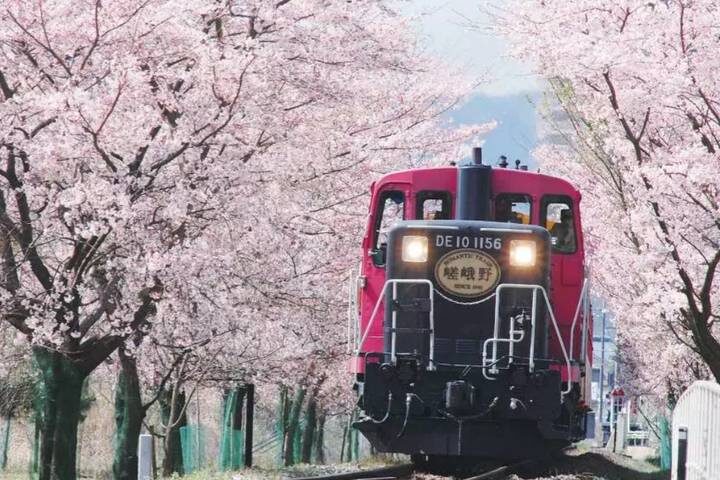
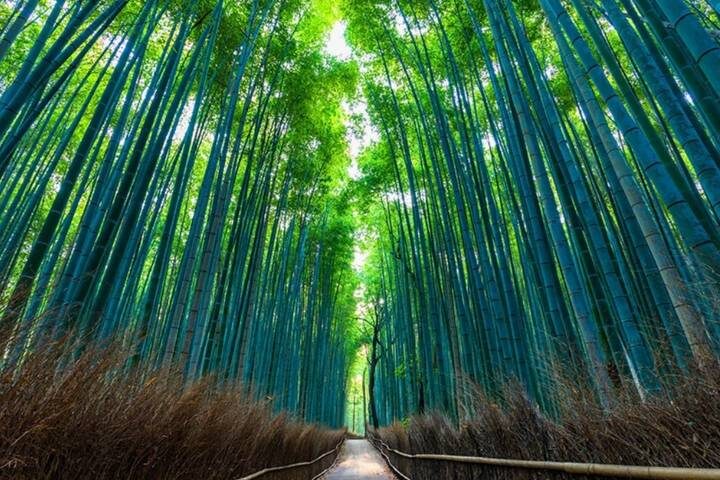
The afternoon is devoted to Arashiyama. You ride the Sagano Scenic Railway through Hozugawa Canyon, then visit Tenryuji Temple and Togetsukyo Bridge. The bamboo grove is named in the day’s program, but it is not listed among the included activities, so check the final schedule if walking through it is a priority. Arashiyama can be a crowded stop, and this day has several components, so expect a structured visit rather than hours to wander.
Nara’s deer and Osaka’s food streets
Day 7 starts at Fushimi Inari Taisha, famous for its rows of vermilion gates leading up Mount Inari. The full round trip to the summit takes two to three hours, more than the group visit is likely to allow. A shorter walk to the Yotsutsuji intersection takes about 30 to 40 minutes and offers a view over Kyoto, but treat it as an optional extension and follow your guide’s timing.
A coach ride of about 1.5 hours brings you to Nara. At Todaiji, you see the Great Buddha Hall and its large bronze Buddha. Then comes Nara Park, where deer roam freely. Deer crackers are available to feed them, but keep your belongings close and do not tease or crowd the animals. Kasuga Taisha, set amid greenery and known for its lanterns, rounds out the visit before the roughly one-hour ride to Osaka.
Day 8 opens at Osaka Castle Park. Nishinomaru Garden has more than 600 cherry trees, making it one of the route’s most promising spring stops. The castle grounds also show the practical side of a Japanese fortress, with moats, gates and stone walls. The day continues at the Kamigata Ukiyoe Museum, focused on woodblock prints depicting kabuki actors, then shifts to Shinsaibashi-suji and Dotonbori for shopping and food.
Use this free time to try Osaka dishes such as takoyaki or okonomiyaki, both named as local favourites. The itinerary also visits Namba Yasaka Shrine, known for its enormous lion-head structure. Shinsekai and Tsutenkaku Tower are suggested for extra free time, not listed as included stops, so check the day’s timing before adding them.
Day 9 is departure day. Breakfast is included, but you arrange your own ride to the airport unless you book a private drop-off for an extra fee.
What the price covers, and what it does not
At $4,708 and up, the price covers eight hotel nights, eight breakfasts, listed admissions, the guided program and transport between the cities, including the Tokyo to Kyoto Shinkansen. The hotels are in central areas with access to transport and restaurants, according to the tour details. Past departures have been praised for hotel choices, itinerary planning, transport and food, which are important strengths on a route with this many stops.
The price is based on two people sharing a room. Solo travelers pay a single supplement; the amount varies by date, and previous quoted figures are not a reliable 2027 price. International flights, travel insurance, airport transfers, optional activities and most lunches and dinners are not included. Budget for meals beyond breakfast, personal purchases and any extra admission during free time.
Dietary needs deserve a little planning. The operator warns that options can be limited in Japan, particularly for vegans, and that strict requirements may mean arranging some meals yourself. Contact the company before booking if your diet is restrictive.




Who should book this Japan spring tour?
This tour suits you if you want a guided introduction to Japan’s major sights without planning each transfer, and if cherry blossoms are a central reason for your trip. It also works well if you like a compact group, hotel stays and a balance of famous landmarks with a few cultural experiences, such as the tea ceremony and ukiyo-e museum.
The pace is best for someone comfortable with full sightseeing days, coach travel and walking, including stairs at Arakurayama and possible extra walking at Fushimi Inari. It may be less suitable if you want long, unscheduled stretches in each city, need every meal planned, or expect a guaranteed peak-bloom view. The tour is listed as low intensity, but it still asks you to be on the move.
Past departures have featured guides Anusha and Phoebe. One guide helped create a warm group atmosphere and arranged sushi and rice balls for a picnic in a park; another traveler wanted more explanation from local guides, especially as a first-time visitor to Japan. Guide assignments can change, so treat those names as examples, not promises. If detailed cultural commentary matters most to you, ask UME Travel what guiding arrangements are planned for your departure.
I would book this if you value smooth transport, a full first look at Tokyo, Kyoto and Osaka, and repeated chances to see sakura across different settings. Before paying, confirm your exact 2027 date, the solo supplement if relevant, hotel details, and how much free time each day allows. That quick check will tell you whether this fast-moving route fits your idea of spring in Japan.
9 Day Best of Japan Cherry Blossom Tour 2027 by UME Travel – Tokyo to Osaka
“The trip went very well. Hotels have been well selected. The programm was catefully designed. The group was compact. We' ve been expecting a bit mo…”
FAQ
When does the tour run?
The tour is offered in March and April. The listed regional bloom windows vary: Kanto is generally late March to early April, while Kansai is generally late March to early April. Actual flowering dates are not guaranteed.
Where does the tour start and end?
It starts in Tokyo and ends in Osaka. You make your own way to the first hotel and from the final hotel to the airport unless you arrange a paid transfer.
How large is the group?
The stated group size is 1 to 16 people.
What meals are included?
Eight breakfasts are included. Other meals are not specified as included.
Which hotels are planned?
The named hotels are Shibuya Excel Hotel Tokyu for the Tokyo nights, Kyoto Tokyu Hotel for the Kyoto nights, and Osaka Excel Hotel Tokyu for the Osaka nights. If a named hotel is unavailable, a hotel of the same standard may be arranged.
Is the Tokyo to Kyoto bullet train included?
Yes. The Shinkansen from Tokyo to Kyoto is included, along with the tour’s other city-to-city transportation.
Are airport transfers included?
No. Airport pickup and drop-off are optional services at extra cost.
Is the Mount Fuji view guaranteed?
No. Mount Fuji may not be visible on cloudy or rainy days. The route visits Arakurayama Sengen Park and Lake Kawaguchi, both described as viewing spots.
Is there a single supplement?
Yes. A single supplement applies when you do not share a room. The amount depends on the departure date, so confirm the price for your chosen 2027 departure.