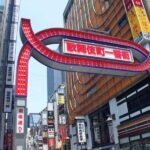
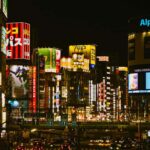
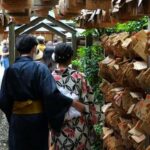
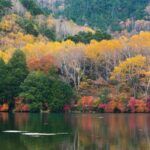
This trip puts a family-sized mix of Japan within reach: one day you’re browsing Pokémon and Nintendo shops in Tokyo, the next you’re looking for Mount Fuji above country villages, and later you’re feeding Nara’s deer or riding the Shinkansen to Osaka. The strongest appeal is the variety, with pop culture, temples, scenery and major theme parks all in ten days.
I like two things in particular: many sightseeing days come with a private guide and transport, so you spend less time solving train routes with tired children; and the plan makes room for both memorable headline stops and small discoveries, from Oshino’s clear springs to Uji’s tea shops. The parks also give kids a welcome change of pace from shrines and museums.
The main consideration is the price and the busy schedule. The starting rate is about $4,780 per person, and not every day is guided: Disney and Universal are self-guided, while some transfers have only a driver. Confirm the exact inclusions, room setup and pace for your family before paying.
The details worth knowing
- Tokyo combines shrine calm and pop culture: Meiji Shrine, Harajuku, Akihabara, Nintendo Tokyo and Shibuya Sky share the first sightseeing days.
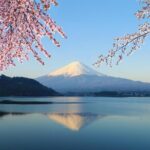
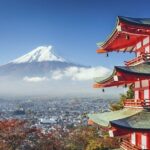
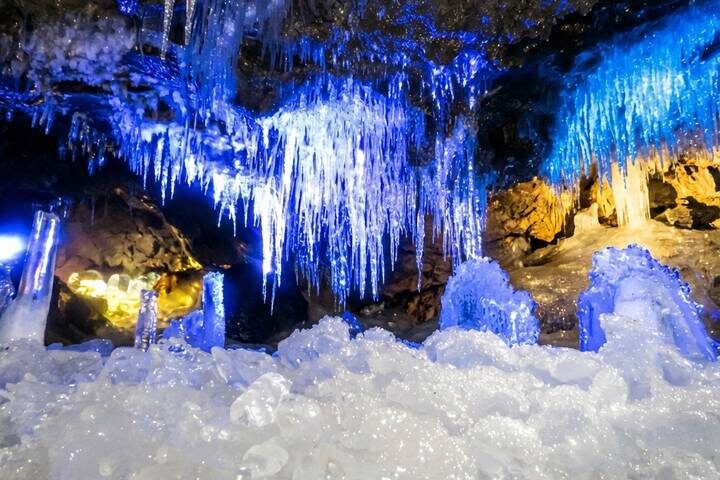
- Mount Fuji gets a full countryside day: West Lake Village, Oshino Hakkai, Narusawa Ice Cave and Arakurayama Sengen Park are visited by private vehicle.
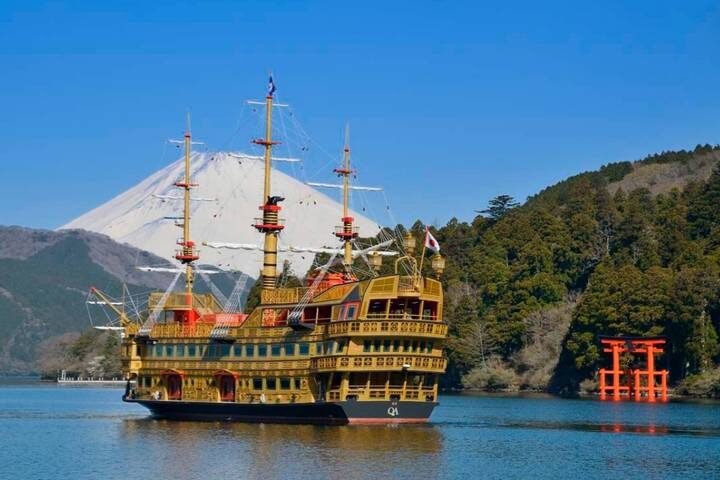
- Hakone adds a boat, ropeway and bullet train: Cruise Lake Ashi, visit the Owakudani volcanic area, then ride the Shinkansen from Odawara to Osaka.
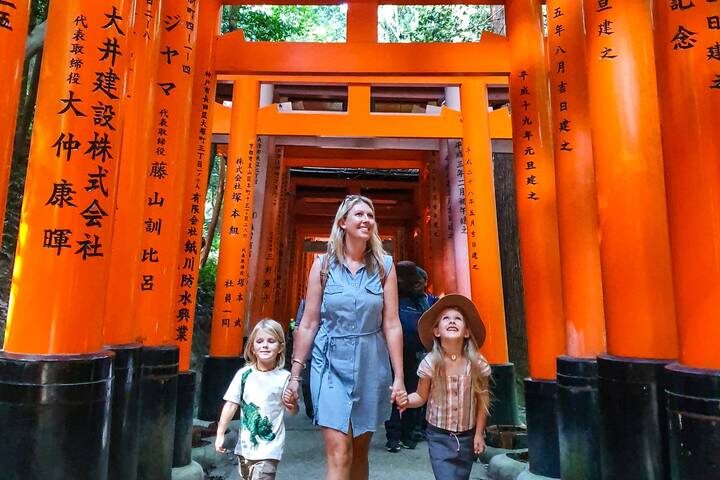
- The Kansai day is a three-stop sampler: Fushimi Inari, Uji and Nara Park make for a full day out from Osaka.
- Both major theme parks are included: Tokyo Disneyland and Universal Studios Japan each get a day, but you explore them without a tour guide.
- The tour is adaptable, but details need checking: Child pricing, extra beds, guide language and some optional activities can change the final cost.

👉 See our pick of the 25 Best Guided Tours In Tokyo
- The details worth knowing
- Tokyo’s best family mix: shrine, Harajuku and Ghibli
- Akihabara, Nintendo and Tokyo from above
- Tokyo Disneyland: a full day, on your own
- Mount Fuji’s villages, springs and ice cave
- Hakone’s lake cruise and volcanic slopes
- Fushimi Inari, Uji tea and Nara’s deer
- Universal Studios Japan: big rides, big crowds
- Osaka Castle and Dotonbori after the parks
- What the price covers, and what it does not
- Who should book this family route?
- FAQ
- Is this a private tour or a group tour?
- Where does the tour start and end?
- Which hotels are listed?
- Are Tokyo Disneyland and Universal Studios Japan included?
- Is an English-speaking guide with us every day?
- How does luggage work on the Shinkansen?
- Can the tour provide a Spanish-speaking guide?
- Are meals included, and can dietary needs be accommodated?
- The Best Of Tokyo!
- More Private Tours in Tokyo
- More Tours in Tokyo
- More Tour Reviews in Tokyo
- Not for you? Here's more nearby things to do in Tokyo we have reviewed
Tokyo’s best family mix: shrine, Harajuku and Ghibli
 1 / 10
 2 / 10
 3 / 10
 4 / 10
 5 / 10
 6 / 10
 7 / 10
 8 / 10
 9 / 10
 10 / 10
Your first day is deliberately simple. A local driver meets you at the airport and takes you to the Mitsui Garden Hotel Shiodome Italia-gai. The airport driver has basic English, and an English-speaking guide and driver can be arranged for an extra charge. After a long flight, a direct transfer is a useful start, especially with children and luggage.
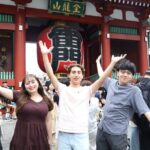
The first guided day begins at Meiji Shrine, a peaceful forested sanctuary beside busy Harajuku Station. Its broad paths and wooded setting give you a gentle introduction to Tokyo’s Shinto traditions without immediately throwing the family into another crowded shopping street. Yoyogi Park is nearby, adding open green space to the walk.
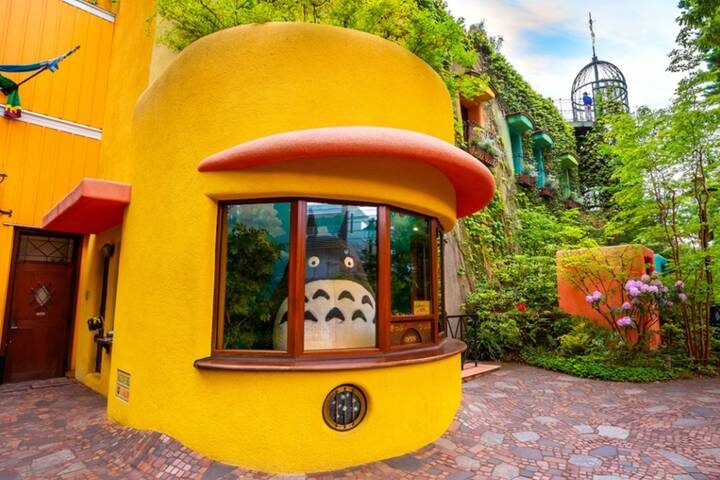
Then comes Harajuku, known for youth fashion, boutiques and unusual shops. It is an easy place to let kids browse and see a more playful side of Japanese city life. The day ends at the Ghibli Museum, dedicated to Studio Ghibli’s animation and creative work. That stop is a strong fit for families who know the films, though it is less compelling if no one in your group has an interest in animation.
Private transport is listed for this day, which can make the shifts between neighborhoods easier. Breakfast is included at the hotel; other meals are not generally included unless specified.
You can also read our reviews of more private tours in Tokyo
Akihabara, Nintendo and Tokyo from above
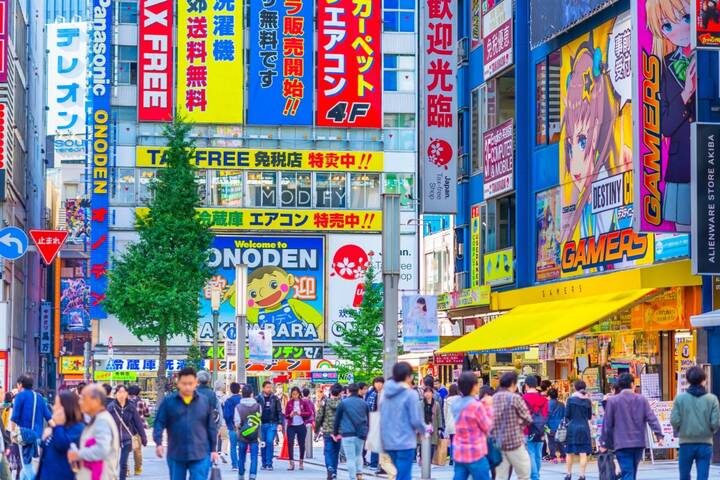
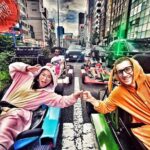
Day three changes gears. With a guide, you use public transport to reach Akihabara, Tokyo’s electronics and anime district. Its shops range from computer parts to character goods, so it can interest older children and adults even if the family’s anime knowledge begins and ends with Pokémon.
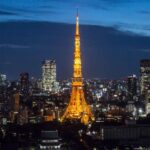
The schedule then includes a Pokémon Center and Nintendo Tokyo, where you can browse character merchandise, games and related products. These are shopping stops rather than rides or hands-on attractions, so set expectations if your children are eager to play rather than shop. Shibuya Sky closes the day with a rooftop view over the city, a useful way to grasp Tokyo’s scale after spending hours at street level.
Public transport fares for the guided tour are included. That gives you a taste of Tokyo’s excellent transit system with someone helping navigate it, rather than asking you to work out every connection alone. It is one of the more practical uses of a guide on this trip.
Tokyo Disneyland: a full day, on your own
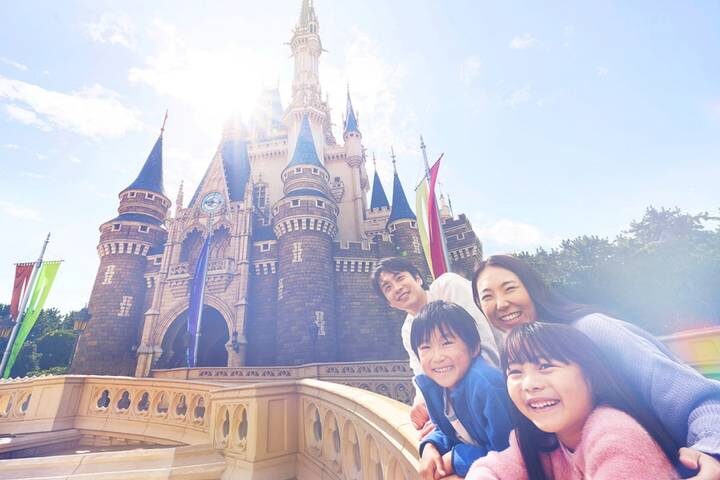
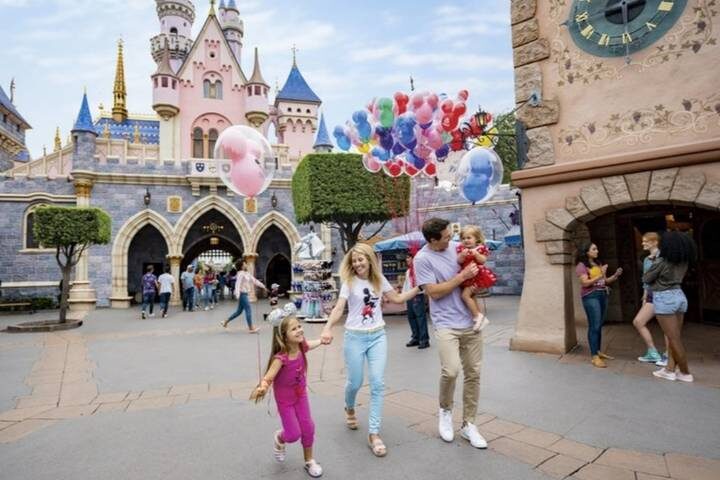
The fourth day is reserved for Tokyo Disneyland. Admission is included, but the day is self-guided, and an English-speaking guide or driver costs extra. That gives you the freedom to set your own pace, but you will need to handle park navigation, meals and timing yourselves.
The park has family-oriented rides and shows, with enough variety to suit different ages. It opened in 1983 and remains one of the region’s major family attractions. The supplied details mention a Saturday afternoon parade, but parade schedules can vary, so check the park calendar for your visit rather than building the day around that feature.
Plan for crowds and decide in advance which rides matter most to your family. The tour information advises eating lunch early, a sensible move when queues build. Also confirm that your ticket is specifically for Tokyo Disneyland, since Tokyo Disney Resort includes more than one park and the schedule names Disneyland.
Mount Fuji’s villages, springs and ice cave
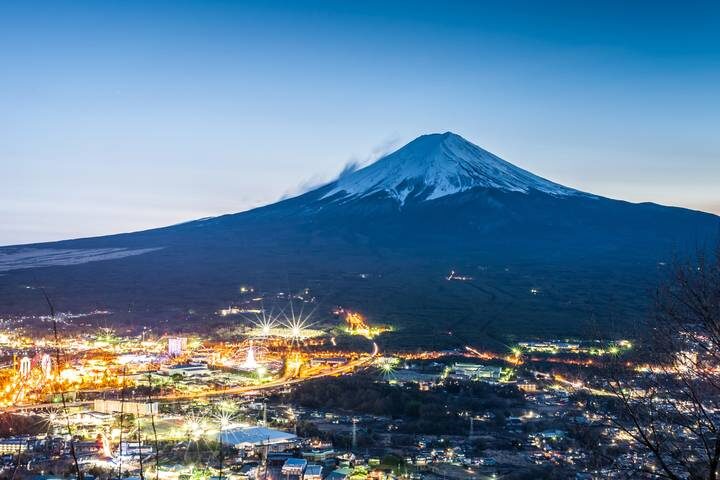
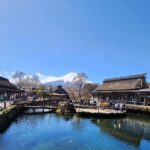
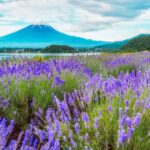
On day five, a private vehicle takes you from Tokyo to the Mount Fuji region. The day moves through a string of distinct stops rather than staying at one viewpoint. West Lake Village offers thatched-roof cottages and a quieter rural setting; on a clear day, you may see Fuji beyond the village.
Oshino Hakkai is a cluster of eight springs fed by water filtered through volcanic rock. The clear pools and traditional village setting make it a pleasant contrast with Tokyo. The Narusawa Ice Cave adds a more unusual stop: it formed from lava flow and is open year-round. Expect a cave visit, not a long underground trek.
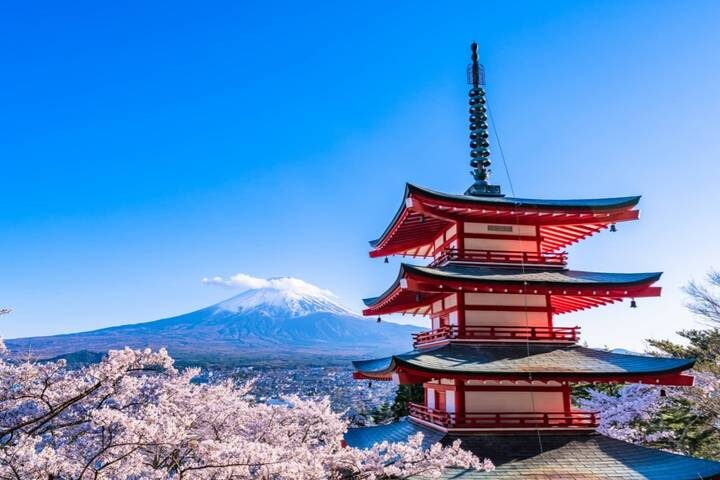
The final stop is Arakurayama Sengen Park, one of the region’s familiar Fuji viewpoints. In spring, cherry blossoms can frame the pagoda and mountain, but the view depends on weather and visibility. Fuji is not obliged to appear on cue, so treat a clear view as a bonus, not a guarantee.
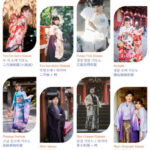
The day includes a guide, private transport, listed admissions and breakfast. Fuji View Hotel is the planned overnight stay. A samurai dress-up activity at West Lake Village may be arranged at your own expense, according to the tour provider’s answer to a family inquiry.
Hakone’s lake cruise and volcanic slopes
Day six starts around Hakone, with a cruise on Lake Ashi aboard the Hakone Pirate Ship. The lake and surrounding mountains make the boat ride a scenic break from road travel; Mount Fuji may be visible in the distance when conditions are clear.
Next comes the Hakone Ropeway to Owakudani, an active volcanic area where you can see steam and sulfurous fumes. The local black eggs, cooked in the area’s sulfuric waters, are a memorable snack for curious kids. This is one of the trip’s strongest nature stops, though anyone sensitive to sulfur smells may find the area less pleasant.
A guide is included for the Hakone portion, with private transport and listed admissions. From Odawara, you take the Shinkansen to Osaka, a ride of about two hours and twenty minutes. The hotel for the next four nights is Miyako City Osaka Hommachi.
Luggage is worth planning for. The operator recommends taking suitcases on the bullet train and says it can try to secure seats with large-luggage space, though these cannot be guaranteed. A luggage delivery service can be arranged through the hotel, but delivery usually takes one to two days, so you would need a small bag with essentials for the first night.

Fushimi Inari, Uji tea and Nara’s deer
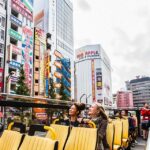
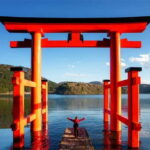
Day seven is a full excursion from Osaka into Kyoto, Uji and Nara. Fushimi Inari Taisha is the head shrine for thousands of Inari shrines across Japan. Its famous paths through rows of red torii gates are visually striking, but you do not need to walk the entire route to appreciate the setting. The shrine has roots going back to the eighth century.
Uji brings a quieter change of scene. The town is known for tea cultivation, and the plan includes time to explore its tea area. This is a good chance to taste or buy matcha, though food and shopping purchases are at your own expense.
At Nara Park, about 1,200 deer roam freely, and Todai-ji Temple houses a monumental bronze Buddha. The deer are the obvious hit with many children, but they are still animals, so keep snacks and hands under control. Private transport and a guide are included, which helps make this three-stop day more manageable than trying to connect each place independently.
Universal Studios Japan: big rides, big crowds
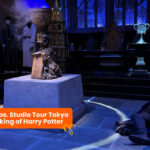
Day eight is another park day, this time at Universal Studios Japan. Admission is included, and you go on your own. The park’s major draws include Super Nintendo World, Mario Kart: Koopa’s Challenge, The Wizarding World of Harry Potter, Minions and The Flying Dinosaur.
The day is designed for both children and adults, but the most thrilling rides will not suit every age or height. The schedule names more than 60 attractions and mentions the Universal Spectacle Night Parade, but attraction access and show times can depend on operating schedules. Check current park information before you go.
No guide or driver is included for this day. You will manage your own transport, meals and queue strategy. The description promises access to the named themed areas and rides, but it does not specify an express pass, so do not assume one is included. If your family has a must-do attraction, plan around it early.
Osaka Castle and Dotonbori after the parks
The ninth day trades theme-park scale for local history and street life. Osaka Castle dates to 1583, and the surrounding grounds offer a change from the commercial energy of the city. A Ninja-do experience is also included, where children can dress as ninjas and try traditional techniques.
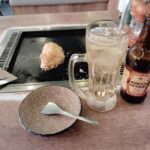
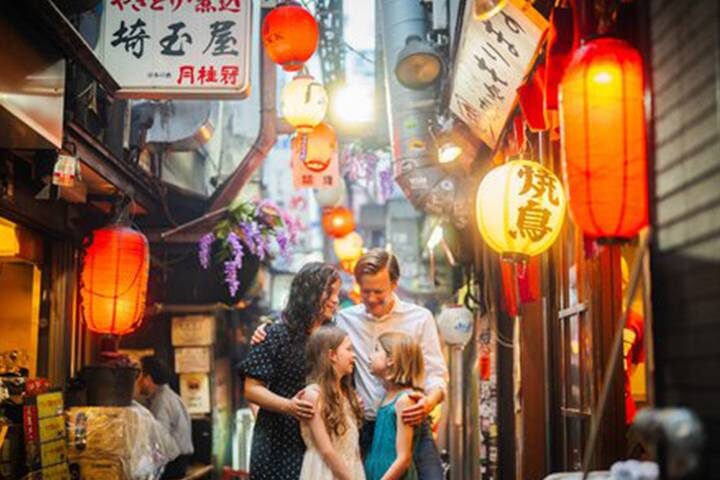
Later, the guide takes you to Dotonbori, a neon-lit entertainment district known for food and shopping. The schedule includes a ride on the oval Ferris wheel outside the Don Quixote store, plus a look at the famous Kani Doraku crab sign. Takoyaki and okonomiyaki are classic local choices, while Kobe beef is another featured option, but tastings and restaurant meals are listed as optional rather than included.
Public transport fares are included for the guided day. Carry some cash for smaller snack stalls, which may not accept cards. This is a lively finish to the tour, though the combination of castle, ninja activity, Ferris wheel and food stops is a lot to pack into one day.
What the price covers, and what it does not
The tour starts at about $4,780 per person. A separate adult quote in the supplied pricing information is $4,866, so use the final family quote rather than treating the advertised starting figure as a fixed price. Children may receive discounts, and the amount depends on age and arrangements: examples provided range from $2,562 for a child around two years old to $3,957 for children aged five and eight. Children under two were quoted as free in one family example. These are examples, not a universal rate card.
The price covers four-star hotel accommodation with breakfast, selected admissions, transport described for the relevant days, guides on many sightseeing days, and the Shinkansen. International flights are not included. Most lunches and dinners are also not included, and the park days are unguided. The overall value is strongest if you want hotel, transport and major sightseeing arrangements handled in advance; it is weaker if you prefer to book independently or want a guide beside you every day.
Room details matter in Japan. A double room may be only about 16 to 19 square metres, while a twin room is generally larger, around 20 to 25 square metres. A triple room or extra bed may be possible, but confirm the exact hotel, bed arrangement and child pricing before booking. Vegetarian, vegan and halal meals can be requested.
Who should book this family route?
I would consider this trip if you want to cover Japan’s big family attractions without organizing every transfer yourself. Its best features are the variety, the private transport on several sightseeing days, and guides who can help with cultural context and practical questions. The overall rating is 4.7 out of 5 across 12 ratings, with particularly strong marks for the schedule, transport and guides.
The main risk is that the word private can sound more all-inclusive than the daily details support. The tour is described as private in the family questions, though the general information also gives a group size of two to ten. Confirm whether your booking is exclusively for your party. Also pin down which days have a guide, what the park tickets include, the hotel room arrangement and how much free time you will have.
A small number of supplied comments describe serious problems with schedules and hotel reservations, despite the many positive accounts of smooth transport and helpful guides. That makes clear written confirmation worthwhile. If UME Travel confirms the details your family needs, this is a convenient, high-coverage way to see Tokyo, Fuji, Hakone and Kansai in ten days. If you prefer slower travel, more unscheduled time or full-time guiding, ask for changes before you commit.
10-Day Private Japan Family Tour with Kids by UME Travel – Tokyo to Osaka
“I can highly recommend this private tour package for anyone with children or teenagers. It is amazing how much they are able to pack into a 10 day…”
FAQ
Is this a private tour or a group tour?
The tour is presented as private in family booking answers, which say no other party joins your group. The general tour information also lists a group size of two to ten, so confirm that your specific booking is private for your party.
Where does the tour start and end?
It starts in Tokyo and ends in Osaka. Airport transfers are included at the beginning and end, with local drivers who have basic English.
Which hotels are listed?
The planned hotels are Mitsui Garden Hotel Shiodome Italia-gai in Tokyo, Fuji View Hotel in the Mount Fuji region, and Miyako City Osaka Hommachi in Osaka. The tour includes standard four-star hotels, but confirm the exact room and bed setup for your family.
Are Tokyo Disneyland and Universal Studios Japan included?
Admission to Tokyo Disneyland and Universal Studios Japan is included. Both park days are self-guided, and the tour information does not specify an express pass.
Is an English-speaking guide with us every day?
No. English-speaking guides are included on several sightseeing days, but not on the Tokyo Disneyland or Universal Studios Japan days. Airport transfers use local drivers with basic English, and an English-speaking guide and driver can be arranged for some services at extra cost.
How does luggage work on the Shinkansen?
The operator recommends taking your suitcases on the train and can try to reserve seats with large-luggage space, but those seats are not guaranteed. You can also arrange luggage delivery through the hotel, which usually takes one to two days, so pack essentials for the first night.
Can the tour provide a Spanish-speaking guide?
Yes. A Spanish-speaking guide can be arranged for an additional $210 per tour date per group.
Are meals included, and can dietary needs be accommodated?
Hotel breakfasts and the meals specifically named in the daily plan are included. Vegetarian, vegan and halal food options can be requested. Other meals and the optional food tastings in Osaka are not included.