Shirakawa-go’s steep-roofed farmhouses are the main event, but this day trip also gives you time in Takayama, where dark wooden townhouses, canals, breweries, sweets shops, and handicrafts make a good counterpoint to the mountain village. It is a long day from Nagoya, yet the two stops show different sides of old Gifu.
I like the two distinct settings and the freedom to explore each on your own. I also like that round-trip transport saves you from piecing together rural connections, and the tour includes lunch. The trade-off is limited time: traffic or weather can shorten stops, and the guide-language arrangements need checking before you book.
- At a glance
- Two old Gifu towns in one long day
- Takayama: dark wood, canals, and market snacks
- Shirakawa-go: farmhouses beneath the mountains
- The pace, transport, and guide arrangements
- Is the price good value?
- Who should take this tour?
- FAQ
- Where does the tour depart from?
- What time does the tour return?
- Is an English-speaking guide guaranteed?
- Is lunch included?
- How much time is spent in Takayama and Shirakawa-go?
- Can I bring luggage or a child under three?
- Can I cancel for a refund?
- The Best Of Shirakawa!
- More Historical Tours in Shirakawa
- More Tours in Shirakawa
- More Tour Reviews in Shirakawa
- Not for you? Here's more nearby things to do in Shirakawa we have reviewed
At a glance
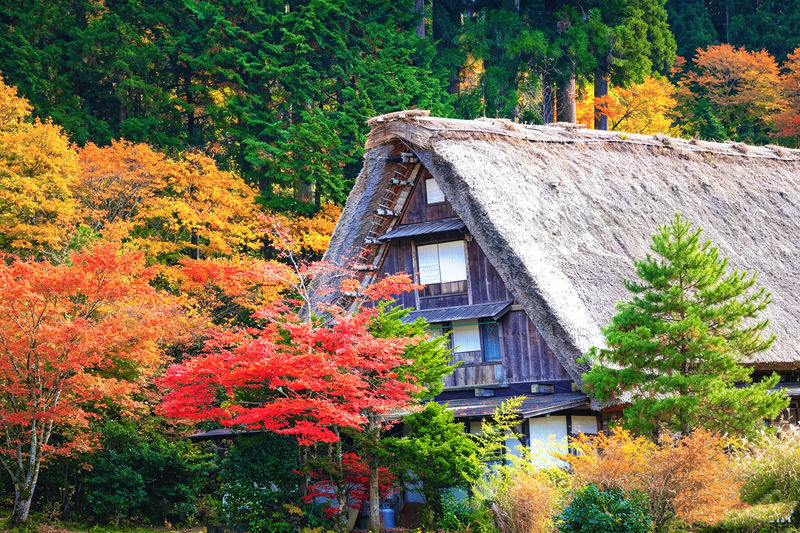
- Two historic stops: Explore Takayama’s old town and Shirakawa-go’s UNESCO-listed gassho-zukuri village in one day.
- Free time on foot: Both main visits are self-guided, so you can choose your own pace and priorities.
- Local flavors: Look for Hida beef in Takayama, and handmade sweets and regional snacks around the market.
- Nagoya return transport: The day starts at 08:30 and is scheduled to return at 18:30.
- Winter can transform the village: A February outing encountered heavy snow, making the farmhouses especially striking.
- Check language and price carefully: English service must be requested and is not guaranteed; package prices vary.

👉 See our pick of the 3 Best Historical Tours In Shirakawa
Two old Gifu towns in one long day
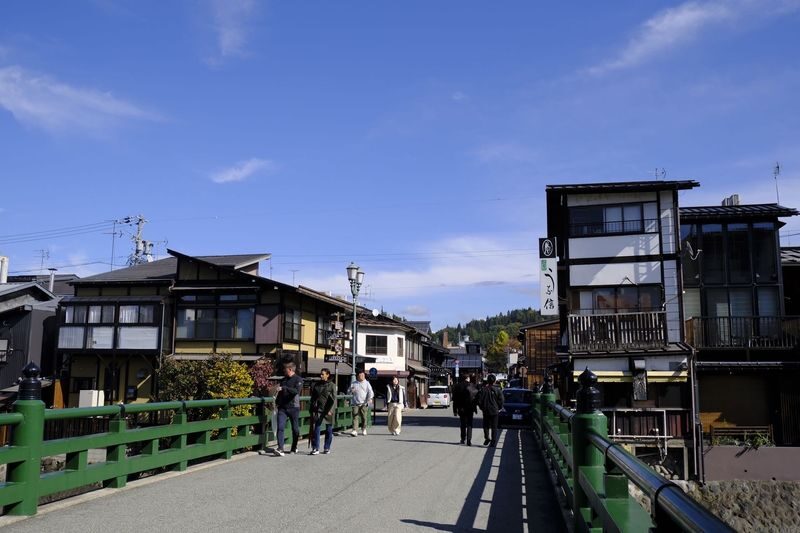
The appeal here is contrast. Takayama is an old town you can read at street level: timber-fronted houses, small shops, and water channels draw you through its historic center. Shirakawa-go feels more rural, with traditional farmhouses gathered in a mountain setting. Seeing both lets you compare a former town center with a village shaped by its surroundings.
The tour leaves Nagoya at 08:30 and is due back around 18:30. That is roughly ten hours, including the road journey, a short lunch break, and two self-guided visits. You get a full day away from the city without arranging separate transport, but the schedule leaves little slack if roads are slow.
Round-trip transfers are included from the designated meeting point at Nagoya Station’s Shinkansen North Exit. The package also includes lunch and a guide, though guide-language arrangements deserve attention before you pay. This is best treated as a transportation-and-orientation service with free time at the sights, not a detailed guided walk through every stop.
You can also read our reviews of more historical tours in Shirakawa
Takayama: dark wood, canals, and market snacks
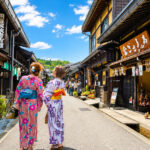
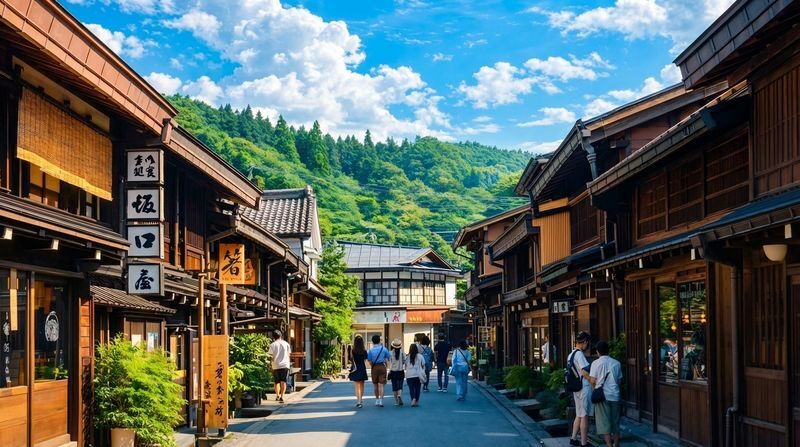
Takayama’s old town is the first major stop, scheduled for around 11:00 with two hours to explore independently. The streets preserve an Edo-period feel, with black wooden lattice fronts set in neat rows and clear canals running along the lanes. Koi swim in the water, adding a small, unhurried detail to a walk that is otherwise about looking closely at the buildings and shopfronts.
Traditional breweries, wagashi shops, and handicraft stores give the area more to do than simply stroll and take pictures. You can browse at your own pace, pause for a sweet, or focus on the streets and architecture. If you are curious about local food, Hida beef is a well-known option highlighted for this stop, though it is not included in the tour price.
Miyagawa Morning Market is another draw, with handmade desserts, local snacks, and regional specialties. The tour presents it as part of the Takayama experience, but the available schedule does not give it a separate time slot. Keep your plans flexible: spend the first part of your two-hour window exploring the market area, then use the remaining time for the old-town lanes, or reverse that order depending on what interests you most.
Two hours is enough for a pleasant first look, not a deep visit to every shop or attraction. The stop includes a 30-minute lunch break, so do not assume that all your Takayama time is available for sightseeing. If you have a particular food or shop in mind, decide early rather than wandering until the clock forces you back to the vehicle.
Shirakawa-go: farmhouses beneath the mountains
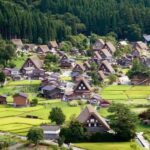
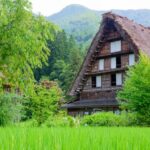
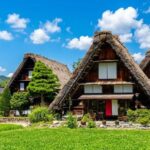
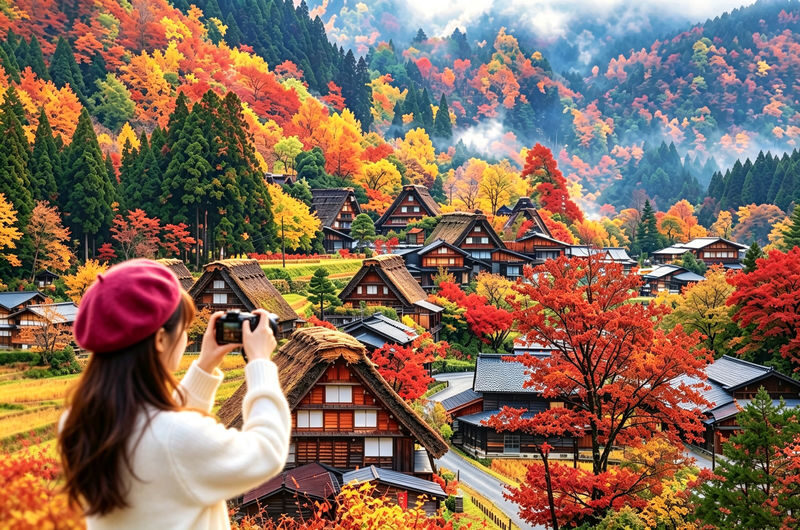
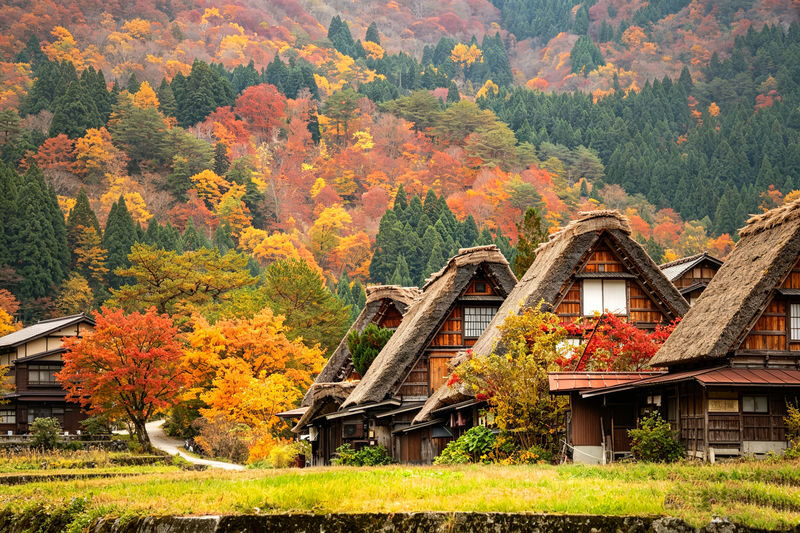
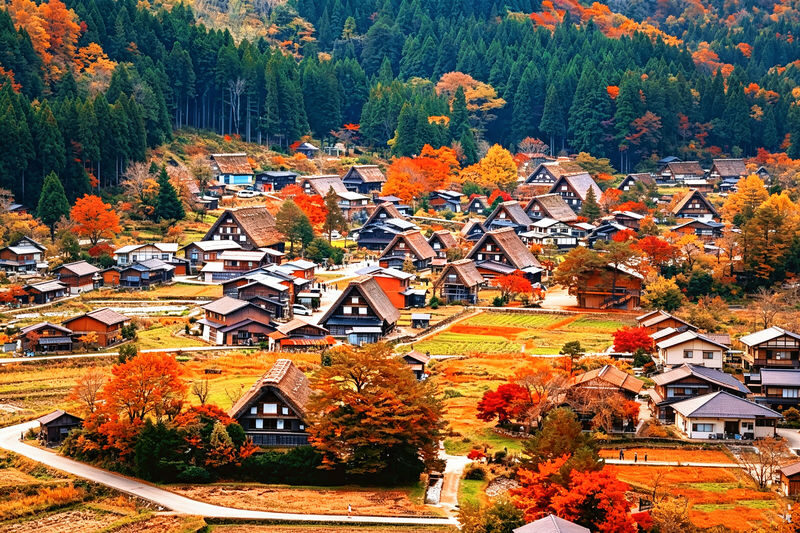
The afternoon visit to Shirakawa-go is scheduled for 15:00, with two hours to explore independently. The village is known for its gassho-zukuri farmhouses, whose steep roofs are a defining part of its traditional architecture. Their form gives the village its distinctive appearance, especially when set against the surrounding peaks.
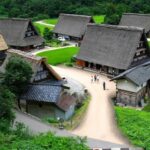
The village is a World Cultural Heritage site, but the value of the stop is not only its formal status. You can walk among traditional buildings and take in the scale of a rural settlement, rather than viewing a single reconstructed house or museum display. The tour highlights a walk to the Shirakawa-go Observation Deck, which offers a broader view of the village. Allow time for the walk if the viewpoint is a priority, and remember that the two-hour visit has to cover both the village and any uphill detour.
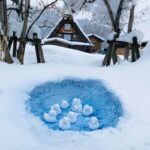
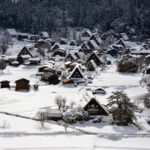
Season changes the feel of the visit. A February outing encountered heavy snowfall, which made the setting particularly beautiful and showed the farmhouses in a very different light from a clear-weather visit. Snow and mountain roads also bring uncertainty: bad weather can change or shorten the schedule, and conditions may affect what you can comfortably do on foot.
The village has not been described as heavily developed, which is part of its appeal for visitors interested in traditional architecture. Still, this is a popular destination and you have only a set window. Focus on the village’s buildings and overall setting rather than trying to fit every possible stop into the afternoon.
The pace, transport, and guide arrangements
The main practical advantage is that you do not have to work out how to connect Nagoya with Takayama and Shirakawa-go on your own. The bus transfers handle the long-distance legs, and the guide or accompanying staff help manage the group. On smaller departures, a driver and staff member may provide the service without a separate tour leader, so do not assume there will be a dedicated guide narrating every stretch of the day.
Guide language is worth confirming. The tour information gives mixed signals: English and Chinese service are described, while the detailed note says Chinese is the default and English should be requested when booking. English may be arranged depending on availability, but it is not guaranteed. If language support matters to you, make the request when placing the order and seek confirmation rather than assuming it is settled.
The schedule is compact by design. Takayama and Shirakawa-go each get about two hours of self-guided time, and lunch is allotted 30 minutes. Road conditions can change the plan, so avoid arranging a tight connection, dinner reservation, or other fixed commitment immediately after the stated 18:30 return. Bring a snack and a power bank; both are specifically sensible for a full day when the return time can shift.
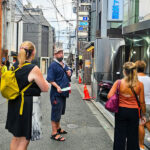
The tour recommends arriving ten minutes early at the Nagoya Station Shinkansen North Exit and looking for the JRT tour guide flag if you have not received departure details. Departure information is sent the evening before, between 17:00 and 21:00, by the contact method you provided. Check your email and spam folder if you are waiting for it.
Is the price good value?
The experience is advertised from $49.19, while the displayed Nagoya round-trip package options range from $59.90 to $81.99. Since the package names are the same and the differences are not explained here, compare the exact option shown at checkout rather than assuming the lowest starting price applies to your date or includes identical terms.
The value comes mainly from putting two distant rural stops into one day and handling the transport for you. Lunch is included, and the two visits offer a satisfying contrast: Takayama for its old streets and local shops, Shirakawa-go for its farmhouses and mountain setting. If you would otherwise need to arrange separate connections, the bundled trip may be worth the cost and the early start.
There are limits. You are paying for access and convenience, not a long, specialist-led history tour. The free-time format suits people who like to wander on their own, but it may feel rushed if you want to browse every shop, linger over lunch, or spend a long time at the observation deck. Check the selected package’s price and inclusions before booking, as the available options show different prices.




Who should take this tour?
I would consider this trip if you are based in Nagoya, want to see both Takayama and Shirakawa-go, and would rather let someone else handle the transport. It is also a good fit if you enjoy self-guided walks and can make quick choices about where to spend a short window.
It is less suited to anyone who wants an unhurried visit or needs a highly accessible outing. The activity is not recommended for people with impaired physical mobility, and the schedule includes walking in historic areas and a possible walk to the observation deck. Participants must be under 70. Infants and children must be included in the passenger count, and a child under three who needs a seat must buy a ticket at the adult price and be noted with the booking.
Luggage storage and delivery are not provided, so travel light. Personal expenses and insurance are also not included. The operator recommends buying your own travel and accident insurance, particularly because weather, road closures, or other force majeure events can alter the plan.
The tour offers a full day of contrasts for a reasonable starting price, but only if you are comfortable with a firm schedule and weather-related uncertainty. Book it for convenient access and a first look at two historic places, not for hours of unscheduled exploration. If that balance suits you, it is a practical way to reach Gifu’s countryside from Nagoya.
Nagoya, Shirakawa-go, and Takayama One-Day Cultural Tour
“The itinerary was great, and our guide, Mengmeng, was very attentive. We were lucky to encounter heavy snowfall in Shirakawa-go, it was very beauti…”
FAQ
Where does the tour depart from?
The meeting point is Nagoya Station’s Shinkansen North Exit. Departure is scheduled for 08:30, and you should arrive ten minutes early.
What time does the tour return?
The scheduled return is 18:30 at Nagoya Station’s Shinkansen North Exit. Traffic and weather may change the timing, so avoid making a tight onward reservation.
Is an English-speaking guide guaranteed?
No. English service must be requested when you book and may depend on availability. If you do not make a request, Chinese is the default according to the tour information.
Is lunch included?
Yes. Lunch is included, with a 30-minute lunch break in the schedule. Personal expenses, including other food or purchases, are not included.
How much time is spent in Takayama and Shirakawa-go?
The schedule allows about two hours of self-guided time in Takayama and two hours in Shirakawa-go. Traffic or weather may shorten or change the visits.
Can I bring luggage or a child under three?
Luggage storage and delivery are not provided. Infants and children must be included in the passenger count; a child under three who needs a seat must buy a ticket at the adult price, and you must note this when booking.
Can I cancel for a refund?
A full refund is available if you cancel at least 24 hours before the activity date, using the destination’s local time. Different conditions apply if weather or another force majeure event affects the tour.