Shirakawa-go’s steep-roofed farmhouses are the main event, but this day trip adds two very different stops: Takayama’s old streets and Gujo Hachiman’s canals. I like that the route gives you 2.5 hours in Shirakawa-go, enough to see the village and make time for lunch. I also like that coach transport takes the strain out of linking three places that are difficult to combine by public transport in one day.
The trade-off is a packed schedule. Takayama gets one hour and Gujo Hachiman just 40 minutes, so you’ll need to choose what matters most at each stop. Road conditions and weather can also change the order or length of visits.
- What to know before you book
- Three Gifu towns, one long day from Nagoya
- The 8:00 a.m. start and the drive into Gifu
- Shirakawa-go: 2.5 hours among steep-roofed farmhouses
- Takayama: a fast walk through the old streets
- Gujo Hachiman: canals, old lanes and a possible castle climb
- Guides, group pace and what the day feels like
- Price, practical details and possible changes
- Should you book this Nagoya day tour?
- FAQ
- Where does the tour depart from?
- When does the tour return?
- How much time do I get in Shirakawa-go?
- Are meals and attraction admissions included?
- What language does the guide speak?
- Can I bring luggage or a stroller?
- What happens if severe weather affects the tour?
- The Best Of Shirakawa!
- More Tours in Shirakawa
- More Tour Reviews in Shirakawa
- Not for you? Here's more nearby things to do in Shirakawa we have reviewed
What to know before you book
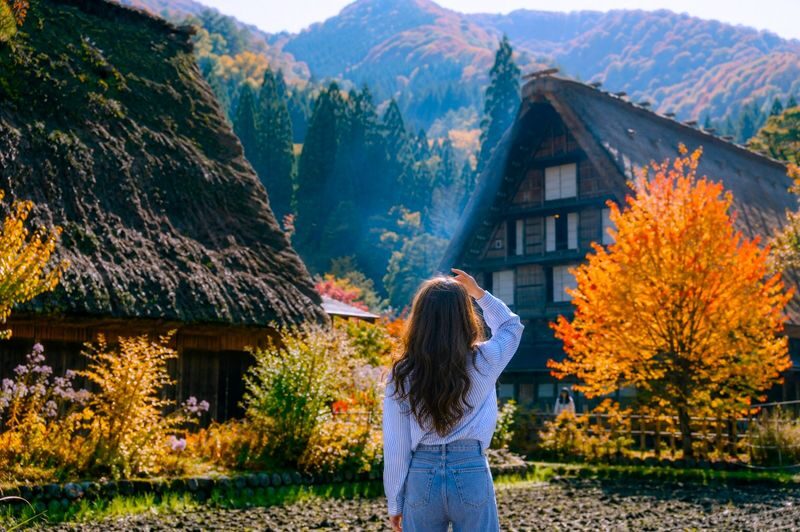
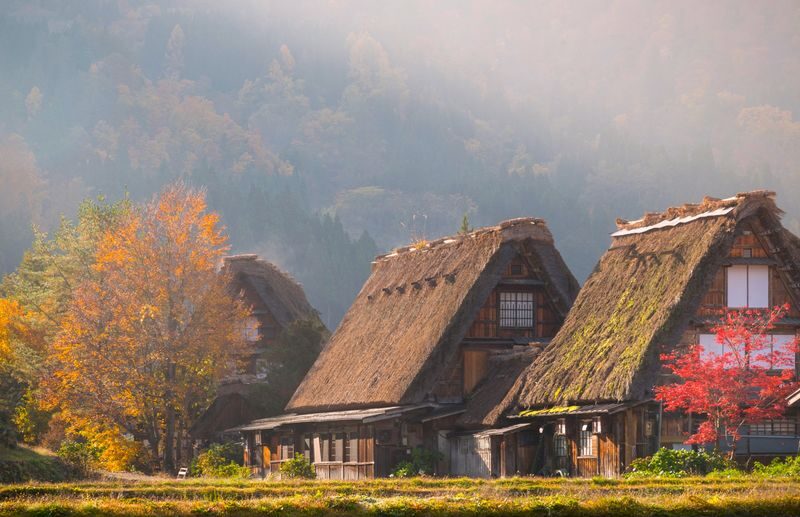
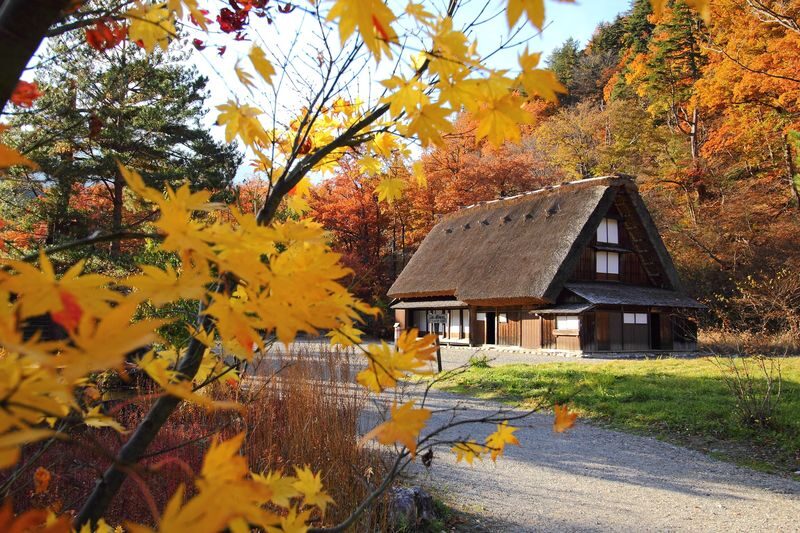


- Shirakawa-go gets the longest visit: You have 2.5 hours for the village, a meal and, if time and conditions allow, the observatory.
- Three distinct stops: See Shirakawa-go’s gassho-style houses, Takayama’s Sanmachi-dori streets and Gujo Hachiman’s old town and canals.
- Takayama is a quick taste: One hour allows a short walk and a snack, not a leisurely visit to every museum or shop.
- Gujo is brief but atmospheric: The 40-minute stop is best for a compact stroll. The castle walk may not fit.
- Guides add useful context: Guides named Maxwell and Ritsuki have been praised for clear explanations and practical help, though your guide may differ.
- Plan for a long day: The tour runs about 10.5 hours, with an 8:00 a.m. departure from Nagoya and a scheduled return at 6:30 p.m.

👉 See our pick of the 3 Best Historical Tours In Shirakawa
Three Gifu towns, one long day from Nagoya
This tour is built around a simple idea: trade freedom to linger for the convenience of reaching three places in one day. Shirakawa-go, Takayama and Gujo Hachiman are spread across Gifu Prefecture, and working out the connections yourself can take time and careful planning. Here, round-trip transport and an English- or Korean-speaking guide are included.
The route also gives you a varied day. Shirakawa-go is a mountain village with traditional farmhouses. Takayama offers old-town streets, food stalls and local shops. Gujo Hachiman is quieter, known for its waterways and traditional streets. You get three different impressions of the region rather than three versions of the same stop.
The price starts at $49.29, which can be good value for a full day of transport and guiding. Meals, drinks, attraction admission and personal spending are extra, so bring cash for food, snacks and any paid sights. The cost is easiest to justify if you want the three-stop route and would otherwise need to arrange transport yourself.
This is a group tour, with capacity for up to 48 people. Some departures may feel much smaller, but you should be prepared for the possibility of a full coach. In a large group, listening to explanations and keeping pace can be harder. Stay close to the guide when walking together, and pay careful attention to meeting times.
You can also read our reviews of more tours and experiences in Shirakawa.


The 8:00 a.m. start and the drive into Gifu
Meet at the designated Nagoya location and look for the TOURSTORY flag. Arrive at least 10 minutes early. The bus leaves on time, and late arrivals or no-shows are not refunded. The scheduled return is at Chubu Electric Power MIRAI TOWER, but traffic and weather can delay the arrival.
At about 9:30, the bus stops at Hirugano Kogen Service Area for 20 minutes. Use the break for the restroom and a snack, rather than assuming you’ll have another convenient stop during a long drive. Bring water and a little food if you like having something on hand between meals.
The drive is part of the day’s trade-off. You spend a good deal of time on the road, but that is what makes the three-stop plan possible without arranging several separate connections. Guides may share background and practical suggestions along the way. Some have also offered restaurant tips for Nagoya after the tour, but that is not a promised feature.
Shirakawa-go: 2.5 hours among steep-roofed farmhouses
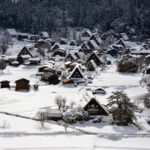
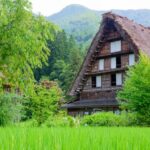
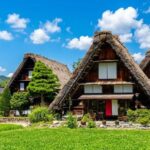
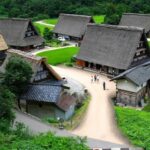
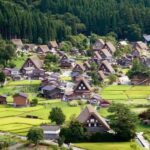
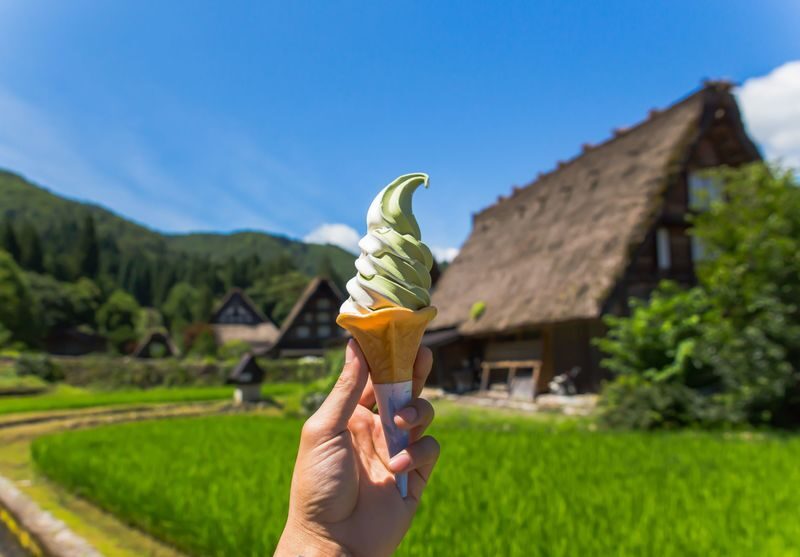
You arrive in Shirakawa-go at about 10:50 and have a planned stay of 2.5 hours. This is the most generous stop, and rightly so. The village of Ogimachi is known for gassho-style farmhouses, whose sharply pitched roofs were designed to cope with heavy snowfall. The houses and surrounding mountain setting give the village its distinctive character.
Use your time with a little purpose. Walk through the village first, then decide whether to go to the Ogimachi Castle Observation Deck for a panoramic view. The higher viewpoint is one of the best ways to understand how the settlement sits in the valley, but the walk takes time and may not suit every pace. If you want the view, make that choice early rather than leaving it until the end.
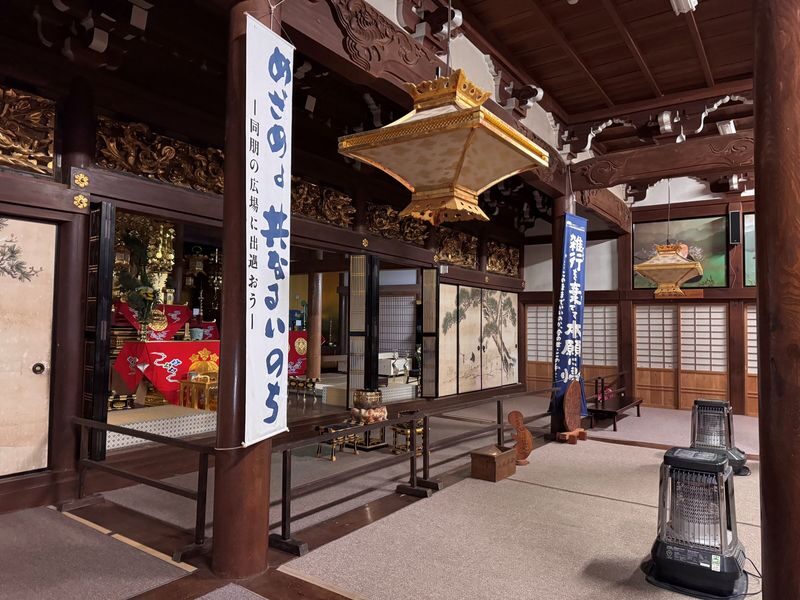
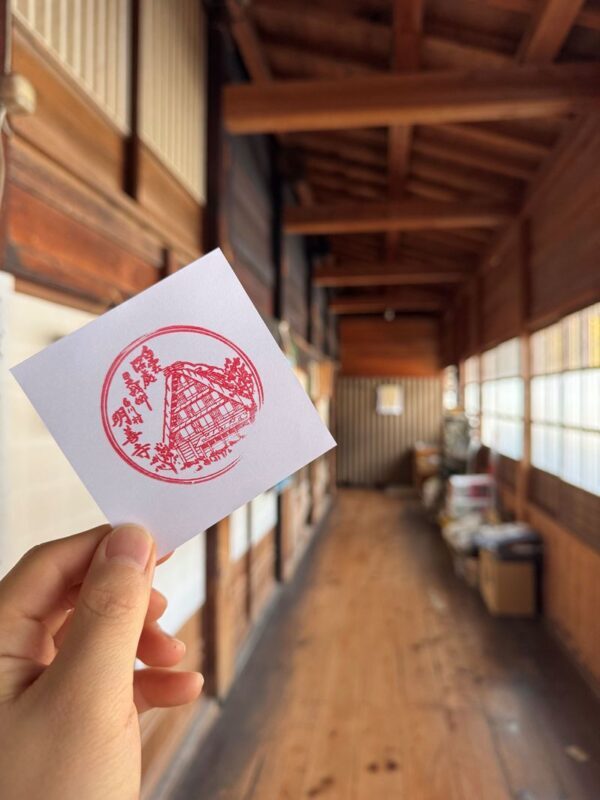
The tour also lists Myozenji Museum among the area’s attractions. Admission is not included, and a visit will take a bite out of your free time. You’ll also want to leave room for lunch. Food and drinks are at your own expense, so the practical choice is to decide between a sit-down meal, a quick bite or more time on the village paths.
The 2.5-hour allowance is a real strength, but it is not endless. If you try to see every attraction, eat slowly and reach the observation deck, the visit can feel tight. Your guide may point out places of interest and help with photos; still, keep track of the time and know where the group’s meeting point is.
Weather changes the experience. Rain can soften the mountain views and make paths less pleasant, while seasonal conditions may affect which sights are practical. Attractions may be skipped because of weather or capacity, and the tour can adjust the schedule to match conditions.
Takayama: a fast walk through the old streets
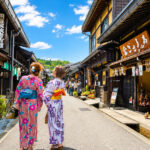
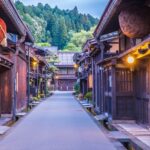
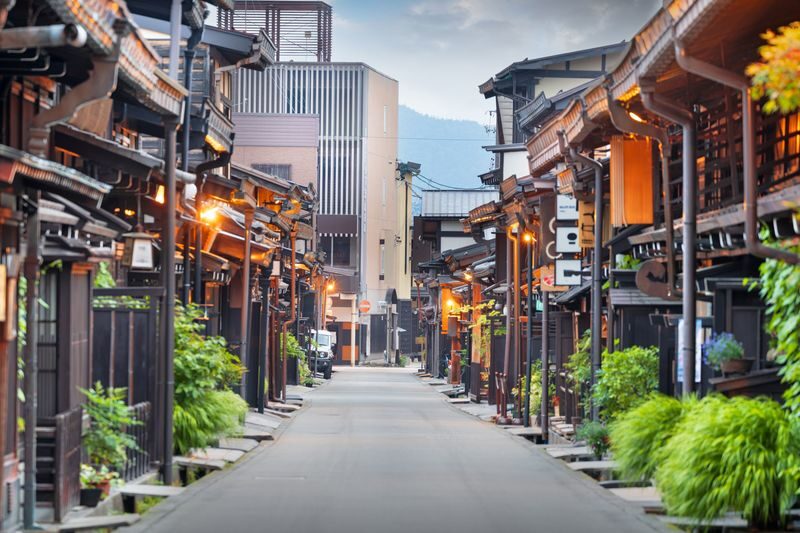
The planned stop in Takayama begins around 2:20 p.m. and lasts one hour. The focus is Sanmachi-dori, part of the old town’s preserved streetscape, where wooden shopfronts and narrow lanes make for a pleasing contrast with Shirakawa-go’s rural setting. You can take a short walk, browse a few shops and try a local snack.
Hida beef is a popular street-food choice here, and the hour gives you a chance to sample it without turning lunch into a long restaurant stop. If you would rather visit the Takayama Showa-kan Museum, it is listed among the area’s attractions, but admission costs extra and the limited stop means you’ll have to prioritize. You probably cannot do a full museum visit, browse at length and eat at a relaxed pace in the same hour.
This is the stop most likely to leave you wanting more. Takayama has enough to fill a much longer visit, and the short pause here is designed as an introduction, not a complete tour. If its old town is your main interest, look at a two-stop tour or plan an overnight stay instead.
Gujo Hachiman: canals, old lanes and a possible castle climb
At about 4:40 p.m., the tour reaches Gujo Hachiman, with 40 minutes planned for the stop. The town is known as the City of Water, with canals and waterways woven into its traditional streets. After two larger-name destinations, the quieter atmosphere makes a welcome change of pace.
A short walk through the old town is the sensible plan. You can enjoy the streets and water features, take photos and get a feel for the place without trying to cover too much. The Craftsman Town Old Townscape and Gujo Hachiman Castle are listed sights, but the castle requires an uphill walk and the tour information specifically warns that reaching it takes time. With only 40 minutes, getting to the castle may not be realistic.
This is the most vulnerable stop when the day runs late or the weather turns. Heavy rain has led some groups to cut a visit short, and changes in traffic or road access can also affect the schedule. Treat Gujo as a bonus stroll, not a guaranteed castle visit. If it becomes your favorite place, that is a good reason to return for longer another time.




Guides, group pace and what the day feels like
A guide can make a long bus day more rewarding by adding context to the places you see and keeping the transitions clear. Guides named Maxwell and Ritsuki have been associated with lively explanations, photo help and practical recommendations. The quality of the day can depend on how well the guide communicates meeting times and manages the group, so listen closely to instructions and do not wander far from the agreed point.
There is some variation in how guided the walks feel. You may get explanations as you move through a site, followed by time to explore independently. In a larger group, not everyone will hear every comment, especially if the guide starts speaking before the group has gathered. Keep near the guide when history or directions matter, and ask for clarification if you miss something.
The walking is spread across three stops, and the castle approach at Gujo adds an uphill option. The tour is stroller-friendly, but that does not mean every path or uphill walk will be effortless. If you are bringing a stroller, tell the operator in advance. There is no age limit, and children aged 0 to 2 travel free if they do not need a separate seat.
Price, practical details and possible changes
At a starting price of $49.29, the tour can be a strong transport value, especially if you want all three stops and prefer not to coordinate the route yourself. The guide is included, but food, drinks, personal expenses, insurance and attraction admissions are not. Factor those extras into your budget, particularly if you plan to enter museums or other paid attractions.
The stated duration is 10.5 hours, from 8:00 a.m. to a scheduled 6:30 p.m. return. That timing is an estimate, not a guarantee. Traffic, weather, road closures and local conditions can alter the order of visits, shorten a stop or delay the return. Japanese vehicle rules limit operating time, so the guide may adjust the plan as the day unfolds.
Use the restroom whenever the bus stops at a service area or tourist site. The operator warns that restrooms may not be available during longer stretches of driving. Bring cash, dress for the day’s weather and keep a little flexibility in your plans for the evening in Nagoya.
The tour can be cancelled before departure for severe weather, with a full refund if the operator cancels. If bad weather or road conditions change the plan after the tour has started, a refund may not be available. You can cancel for a full refund with at least 24 hours’ notice, and booking changes are allowed until 24 hours before the activity, subject to the stated exceptions.
Should you book this Nagoya day tour?
Book it if you want to see Shirakawa-go, Takayama and Gujo Hachiman in one day without arranging the transport yourself. It suits first-time visitors, solo travelers and anyone with limited time in Nagoya who values variety and guided logistics over a slow, independent visit. The extra stop in Gujo is a particular draw if you like quieter old streets and waterways.
Think twice if you want a long meal, extended shopping time or a thorough visit to Takayama’s museums and sights. The 40-minute Gujo stop is also too short to count on a castle visit. If Shirakawa-go is your sole priority, a tour with fewer stops may give you more time there. For a broad, efficient introduction to three corners of Gifu, this is a practical choice, as long as you accept the pace and keep expectations realistic.
Shirakawa-go, Takayama and Gujo Hachiman Day Tour from Nagoya
“Everything was great! Our tour guide (Ritsuki) was incredible! He provided us with historical context to each location, took us to the popular spot…”
FAQ
Where does the tour depart from?
It departs from a meeting point in Nagoya. Look for the TOURSTORY flag and arrive at least 10 minutes before the 8:00 a.m. departure.
When does the tour return?
The scheduled return is 6:30 p.m. at Chubu Electric Power MIRAI TOWER. Traffic and weather can delay the drop-off.
How much time do I get in Shirakawa-go?
The planned stay is 2.5 hours. You can use that time for village sightseeing, lunch and, if time allows, the observatory.
Are meals and attraction admissions included?
No. Meals, drinks, personal expenses, insurance and attraction admissions are not included.
What language does the guide speak?
The English package includes an English-speaking guide. A Korean-speaking package is also offered.
Can I bring luggage or a stroller?
Contact the operator about luggage, since it depends on the bus size for your tour date. The activity is stroller-friendly, and you should tell the operator if you plan to bring a stroller.
What happens if severe weather affects the tour?
The operator may adjust or cancel the tour for safety. If it is cancelled before departure, you receive a full refund. After the tour has started, weather-related changes may not be refundable.