Nikko’s appeal is the sharp change of scene: leave Tokyo early, climb Irohazaka’s famous switchbacks, then spend time beside a high mountain lake and one of Japan’s best-known waterfalls. The day also includes Toshogu Shrine, a lavish memorial to Tokugawa Ieyasu, whose carved gates and bright colors contrast with the spare style found at many Japanese shrines.
I like that the route brings together mountain scenery and Edo-period craftsmanship, and that a small van group of up to nine avoids the feel of a large coach tour. The trade-off is a full day shaped by traffic: shrine entry costs extra, the stops are self-guided, and time at each one is fixed.
- At a glance: Nikko in one long day
- The day starts early in Tokyo
- Toshogu Shrine: detail before scenery
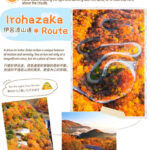
- Irohazaka: the road is part of the attraction
- Lake Chuzenji: room to pause
- Kegon Falls: a powerful finish to the mountain stops
- What the price includes, and what it does not
- Who should choose this Nikko day trip?
- Should you book it?
- FAQ
- Where does the tour depart from?
- What time does the tour leave Tokyo?
- What time does the tour return?
- How large is the group?
- Is a guide included?
- Is admission to Toshogu Shrine included?
- Are meals included?
- Is the Akechidaira Ropeway part of the tour?
- What is the cancellation policy?
- The Best Of Nikko!
- More Tours in Nikko
- More Tour Reviews in Nikko
- Not for you? Here's more nearby things to do in Nikko we have reviewed
At a glance: Nikko in one long day
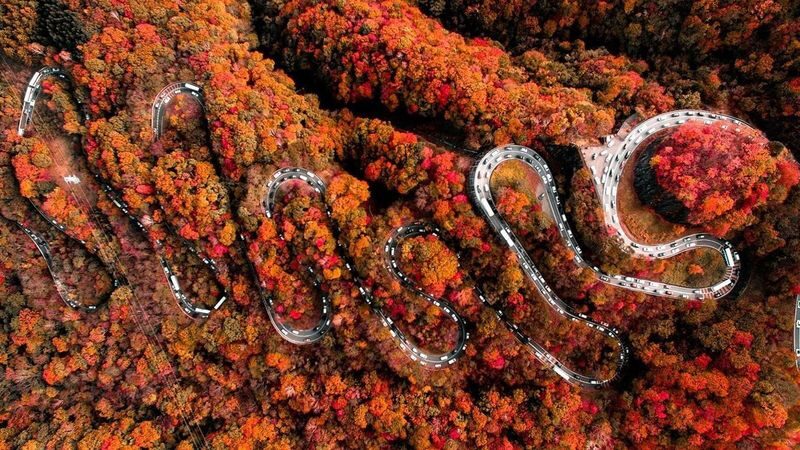
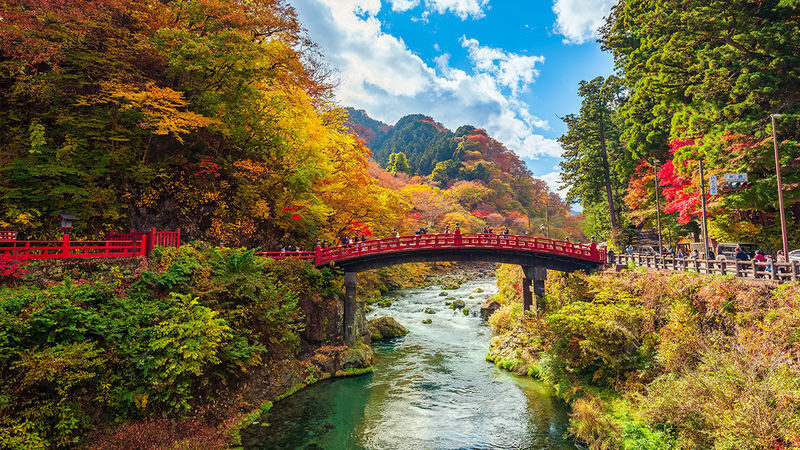
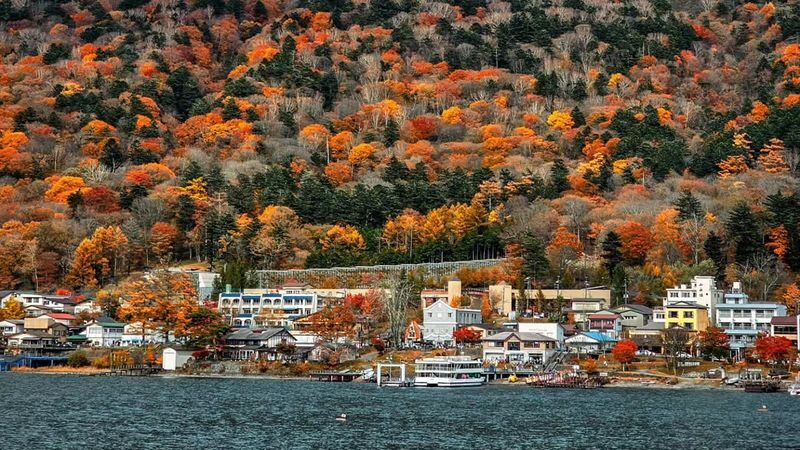
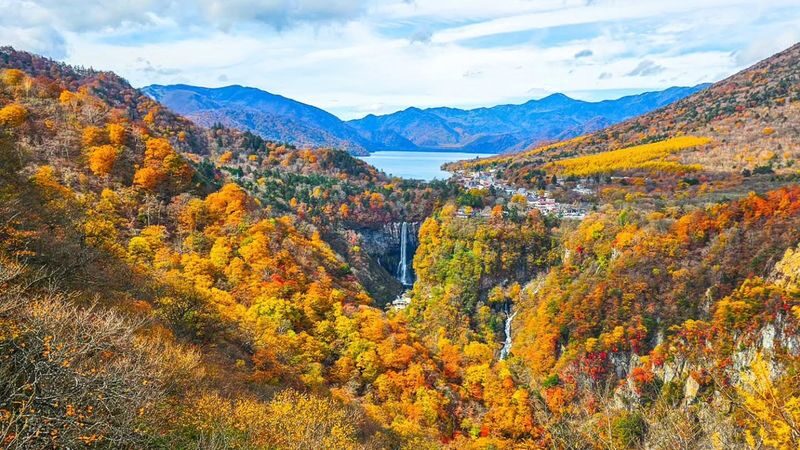
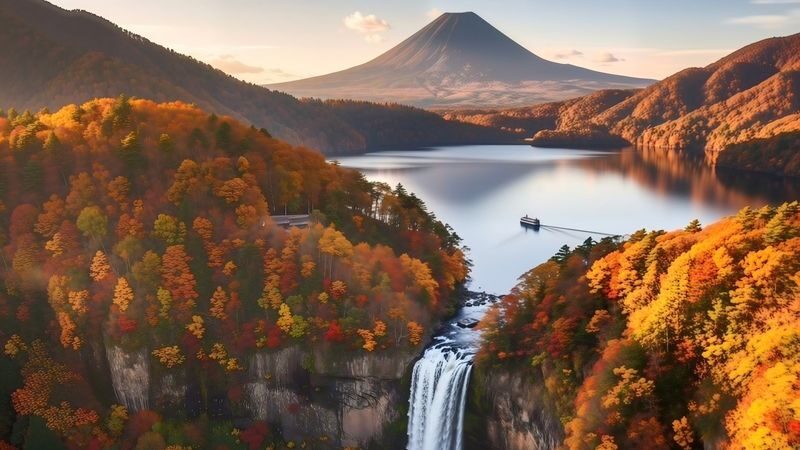
- Irohazaka’s 48 sharp turns make the drive up the mountain a major part of the outing, especially in autumn.
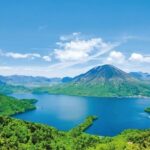
- Lake Chuzenji sits about 1,269 meters above sea level, with time set aside to enjoy the water and mountain views.
- Kegon Falls drops about 97 meters from the lake, a dramatic change of pace after the quiet shoreline.
- Toshogu Shrine gets about two and a half hours, but admission is not included.
- A Chinese-speaking driver-guide and round-trip transport are included; hotel pickup costs more than meeting at Tokyo Station.
- Traffic can alter the plan, so keep your evening schedule flexible and bring a light meal.

👉 See our pick of the 3 Best Historical Tours In Nikko
The day starts early in Tokyo
The scheduled departure window is 6:30 to 7:30 a.m. The exact pickup sequence and time depend on the route, so check your confirmed details and arrive five minutes early. If you choose the independent meeting option, the listed point is Tokyo Station’s Marunouchi North Exit. Hotel pickup is also offered, at a higher starting price.
The early start is practical, not glamorous. Nikko is far enough from Tokyo that the drive is listed at about two and a half hours each way, before accounting for traffic. Departing early gives the group a chance to reach the sights and return the same day, but it also means you should plan for a long day on the road.
Transport is by van for a group of up to nine. That is a useful middle ground: more personal than a large coach, but still a shared tour, not a private car. The listed vehicle allowance is 30 standard-size suitcases, though anyone bringing bulky luggage should confirm the arrangement before booking rather than assume the van has unlimited room.
The driver-guide speaks Chinese. The service information also distinguishes a driver-guide from a separate tour guide, which is listed as not included. If you need guided explanations in a particular language or want someone to accompany you inside each site, clarify exactly what is provided before paying. The sightseeing stops are described as self-guided.
You can also read our reviews of more tours and experiences in Nikko.

Toshogu Shrine: detail before scenery
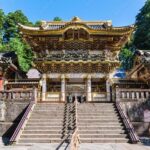
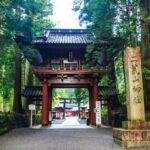
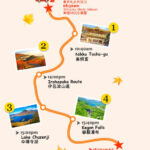
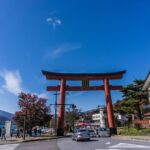
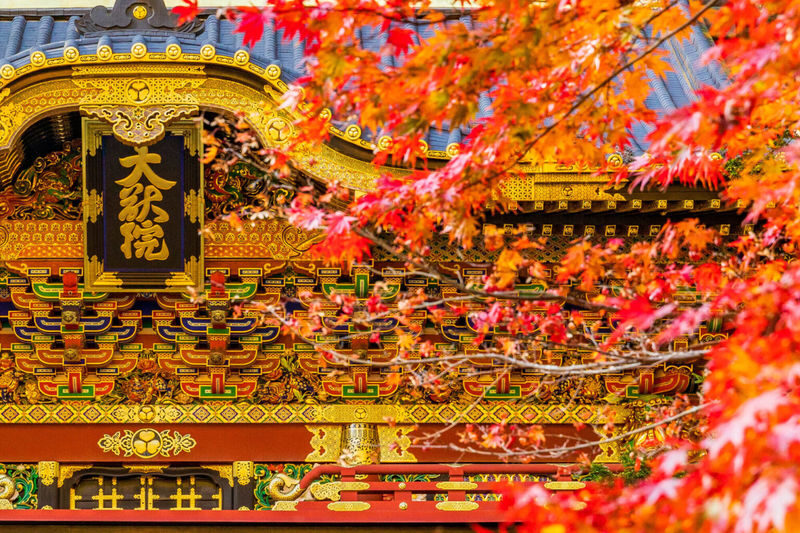
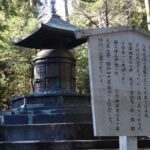
The schedule places Nikko Toshogu first, with about two and a half hours there. The shrine honors Tokugawa Ieyasu, the military leader associated with the beginning of the Tokugawa shogunate and the Edo period. It is known for unusually elaborate decoration, including the richly carved Yomeimon Gate and the famous Sleeping Cat carving.
That ornate style is part of the visit’s appeal. Instead of the restrained woodwork and simple lines many people associate with Japanese religious buildings, Toshogu presents a more colorful, intricate face of shrine architecture. Look closely: the carvings and painted details reward a slower pace more than a quick walk through.
You have time to explore independently, but the entrance ticket is extra. Build that cost into your budget rather than treating the advertised starting price as the full price of the day. The Akechidaira Ropeway ticket is also excluded, although a ropeway stop is not part of the stated schedule. Ask the operator if you are considering it, since fitting in an extra attraction may depend on the day’s timing.
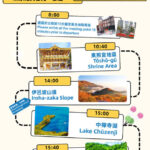
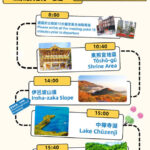
There is a small scheduling wrinkle worth knowing. The written schedule gives Toshogu the morning slot, from roughly 10:00 to 12:30, even though the promotional description places the shrine in the afternoon. Use the timed itinerary as the practical guide, while allowing that traffic or weather may change the order or duration.
Irohazaka: the road is part of the attraction
After the shrine, the route climbs via the Second Iroha Slope, the uphill road known for its succession of tight turns. The listed drive on this section is about 15 minutes. The promotional description refers to 48 sharp turns, a number that helps explain why the climb itself is treated as a highlight rather than mere transit.
In autumn, the road is especially associated with changing leaf color. The view can shift with the season and conditions, so do not book on the assumption that peak foliage is guaranteed on a particular date. Even without autumn color, the winding ascent is a distinct part of the journey and gives you a sense of how quickly the terrain changes beyond Tokyo.
If you are prone to motion sickness, a road with repeated curves may be worth considering carefully. The tour information does not promise a specific seating arrangement or provide motion-sickness support, so bring whatever you normally use and let the operator know about relevant health needs. The same practical advice applies to anyone who finds long drives tiring.
Lake Chuzenji: room to pause
The group reaches Lake Chuzenji at about 1 p.m., with around an hour and a half allotted. At roughly 1,269 meters above sea level, it is a high mountain lake within Nikko National Park. The water and surrounding mountains offer a quieter interlude after the shrine’s dense carving and the road’s tight bends.
This is self-guided free time, not a scheduled boat ride or guided lakeside walk. You can use the stop to take in the view, stretch your legs and have something to eat, but the tour does not include meals or drinks. A light packed lunch or snack is sensible, especially since the schedule is compact and traffic can affect the return.
The lake stop is long enough for a relaxed look around, but not a whole afternoon. Keep an eye on the agreed meeting time and follow the driver-guide’s instructions. On a shared fixed-route tour, a late return from one person can affect everyone’s day.
Kegon Falls: a powerful finish to the mountain stops
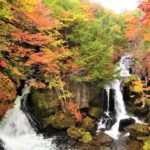
Kegon Falls is scheduled for about 2:50 p.m., with roughly 30 minutes at the site. The falls flow from Lake Chuzenji and drop about 97 meters. That short distance from lake to cascade makes the pair a natural combination: one stop is calm and open, the other concentrates the water into a forceful plunge.
Thirty minutes is a brief visit, so set your expectations accordingly. It is enough for a focused look, but the tour does not promise a long hike or extended time at the falls. The information also lists an Akechidaira Ropeway ticket as excluded, but does not show the ropeway as a regular stop. If it is important to you, ask whether it can be fitted into the day rather than counting on it.
After the waterfall, the return drive to Tokyo is scheduled at about two and a half hours, with arrival listed around 6 p.m. The return window is given as 6 to 7 p.m. Those times are estimates, not a guarantee. Weekend and holiday congestion can stretch the journey, and the operator warns that the itinerary may be adjusted or shortened because of traffic, weather or early attraction closures.

What the price includes, and what it does not
The independent meeting option starts at $63.09, while hotel pickup starts at $70.99. The lower-priced option makes sense if Tokyo Station is convenient and you are comfortable getting there early. Paying more for hotel pickup may be worthwhile if it saves you a complicated start, but the pickup order and timing are arranged by the driver.
The price includes round-trip transport from the selected pickup or meeting arrangement, tolls, parking and a Chinese-speaking professional driver-guide. Those are meaningful costs on a long day trip, particularly when you would otherwise need to organize transport between several stops yourself.
Budget separately for Toshogu admission, food and drinks, and personal expenses. The Akechidaira Ropeway ticket is also excluded. Since no admission amount is supplied here, check the current ticket price before you book so the total cost is clear. One five-star account from November 2025 described the outing simply as a great experience, but that single brief comment is not enough to establish how every departure runs.
The value comes from combining four distinct stops and transport in one day, not from a long stay at any one attraction. If you want unhurried time at the shrine, an extended lakeside break or extra activities, a self-planned overnight visit may suit you better. If your priority is to see Nikko’s signature sights without sorting out each connection, the shared van offers a practical shortcut.
Who should choose this Nikko day trip?
This works best for you if you have one day available, want a mix of cultural and natural sights, and are happy to follow a shared schedule. It is also a reasonable fit if you value transport over long independent visits and do not mind an early start or a lengthy return drive.
It may be a poor match if you need an English-speaking guide, want to set your own pace, or cannot tolerate a day whose return time may shift. The listed group is small, but it is not private. You must keep to the driver-guide’s stop times, and leaving the group or missing a meeting point can mean paying your own way onward, with no refund.
The eligibility details need attention. Participants must be under 75, and anyone under 18 must be accompanied by a guardian. Infants and children count in the passenger headcount. The information says the activity is stroller and wheelchair accessible, but also advises that people using mobility equipment be accompanied and does not recommend the tour for people with impaired mobility. If access is essential, confirm the vehicle and each stop’s practical arrangements before booking.
The tour is not recommended for pregnant people. The operator also says to disclose relevant health conditions, and people who appear intoxicated may be refused service without a refund. Carry your passport and valuables, dress in comfortable travel clothes and shoes, and bring a power bank and light food. These are small preparations that matter on a long, fixed-route day.
Should you book it?
Book this tour if you want Toshogu, Lake Chuzenji and Kegon Falls in one outing, and the Irohazaka drive sounds like part of the fun rather than a delay between sights. The small van and included transport make the day easier to organize, while the independent meeting option keeps the starting price relatively low.
Skip it if you need a guaranteed return time, want detailed guiding in a language other than Chinese, or prefer to linger. Nikko rewards a slower visit, but this tour is built to cover ground. Keep your evening clear, allow for extra admission and food costs, and treat the posted schedule as a plan that traffic can revise.
9-person small group Nikko Toshogu Shrine & Irohazaka & Lake Chuzenji One-Day Tour (Hotel pickup and drop-off available)
FAQ
Where does the tour depart from?
You can choose the independent meeting option at Tokyo Station’s Marunouchi North Exit or book the hotel pickup option. Pickup order and time are arranged by the driver.
What time does the tour leave Tokyo?
The departure window is listed as 6:30 to 7:30 a.m. You should arrive at your assigned location five minutes before the departure time.
What time does the tour return?
The return is listed for about 6 p.m., with a return window of 6 to 7 p.m. Traffic, weather, holidays and crowds may cause delays or changes.
How large is the group?
The tour is described as a small group of up to nine people, using a van.
Is a guide included?
A Chinese-speaking professional driver-guide is included. A separate tour guide is listed as not included, so confirm what level of guiding you need before booking.
Is admission to Toshogu Shrine included?
No. Admission to Nikko Toshogu Shrine is not included in the tour price.
Are meals included?
No. Meals and beverages are not included. Bringing a light meal or snack is recommended.
Is the Akechidaira Ropeway part of the tour?
The ropeway ticket is listed as not included, and it is not shown as a scheduled stop. Contact the operator if you want to know whether it can be added.
What is the cancellation policy?
A full refund is available if you cancel at least 24 hours before the activity date, using the destination’s local time.