The best part of this Nara workshop is that you turn cedar more than a century old into something you can use every day. In a machiya in Naramachi, you learn about the wood, watch your host work, then shape a pair to fit your own hand.
I like two things in particular: the craft lesson comes with useful context about Nara’s cedar and Japanese chopstick customs, and the finished pair is wrapped for you to take home with a pottery deer rest. Hosts including Masaki-san and Mike-san are also known for sharing local food and sightseeing tips, which can help you plan the rest of your day.
One consideration: the session lasts just one hour, so it is a compact introduction rather than a long craft course. You’ll need to make your selected start time, and the salon is a 17-minute walk from Kintetsu Nara Station.
At a glance
- Shape century-old Nara cedar: Shave the wood gradually until the chopsticks feel right in your hand.
- Learn by watching, then doing: Your host demonstrates the work before you make your own pair.
- Hear the story behind the craft: The session covers Japanese chopstick use, shape and care, as well as the importance of Nara’s cedar.
- Enjoy hojicha in a Naramachi machiya: Tea and refreshments give the workshop a relaxed start.
- Leave with a personal souvenir: Your wrapped chopsticks come with a Nara pottery deer rest.
- Ask a local what to do next: Your Nara-born host can offer recommendations for places to eat and visit.

👉 See our pick of the 5 Best Historical Tours In Nara
- At a glance
- Cedar, craft, and a pair made for your hand
- A machiya welcome with hojicha
- From demonstration to your own chopsticks
- The souvenir, and the small details that make it yours
- An hour that can fit into a day in Nara
- What the .99 starting price buys
- Who will enjoy shaping a pair
- Should you book this Nara workshop?
- FAQ
- How long does the chopstick-making workshop last?
- How much does the workshop cost?
- Where does the workshop take place?
- How far is kurabi salon from Kintetsu Nara Station?
- What start times can I choose?
- What is included in the price?
- Do I get to take my chopsticks home?
- Can children take part?
- Can I change or cancel my booking?
- The Best Of Nara!
- More Workshops & Classes in Nara
- More Tours in Nara
- More Tour Reviews in Nara
- Not for you? Here's more nearby things to do in Nara we have reviewed
Cedar, craft, and a pair made for your hand
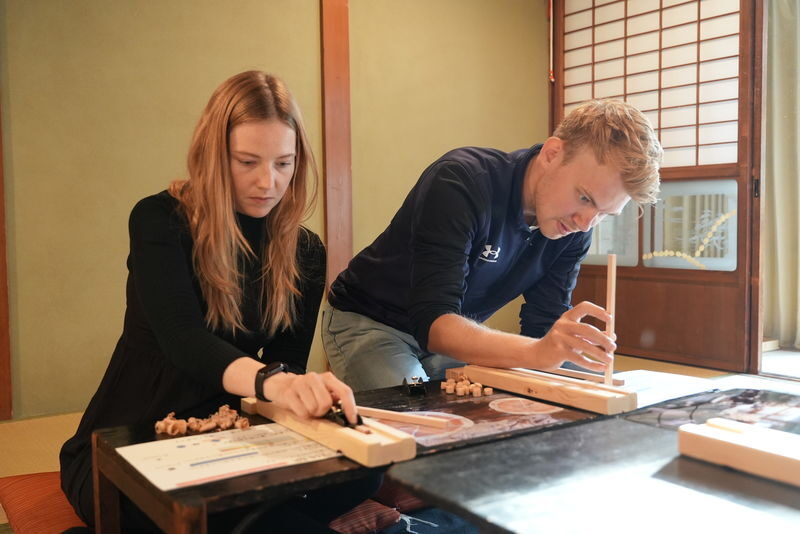
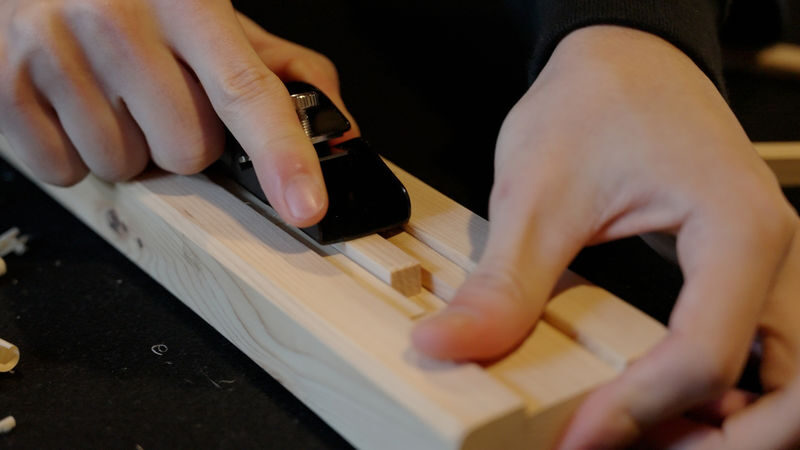
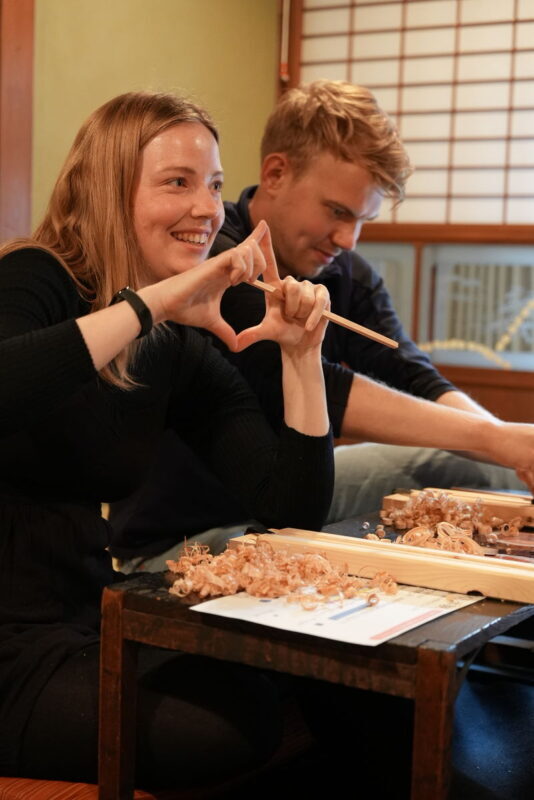
Chopsticks are easy to treat as everyday tools. This workshop slows down that familiar gesture and gives it a local story. You begin with Nara cedar that is more than a hundred years old, then work it into a pair of chopsticks by shaving the wood a little at a time.
The age of the cedar is part of the appeal, but the hands-on work is what makes the experience personal. You are not choosing a finished souvenir from a shelf. You shape the pair yourself, with your own hand in mind, so the result carries a small record of your time in Nara.
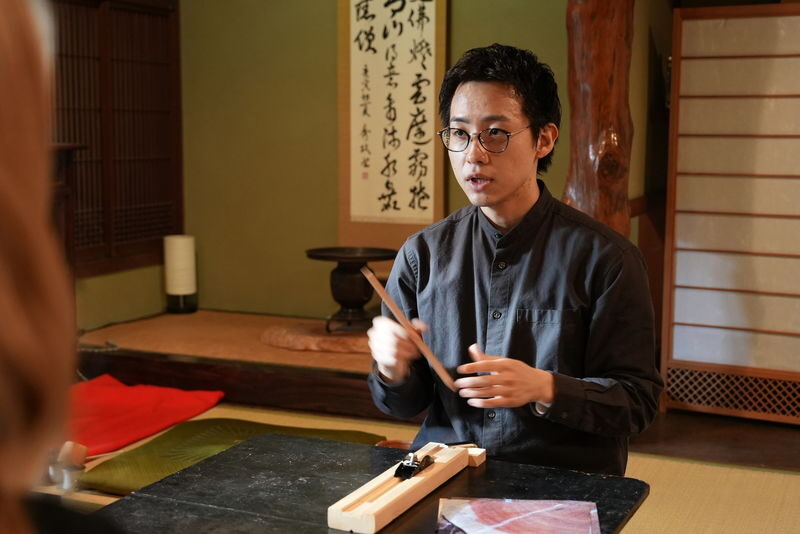
Before you start, your host explains where the wood comes from and why Nara’s cedar forests matter in Japan. That background gives the material more meaning than a quick craft activity alone. You come away with a better sense of how a local resource connects to an object used at meals every day.
There is no need to arrive with woodworking experience. The format is simple: first watch a skilled host, then follow along at your own pace. The work is done one pass at a time, so the focus is on steady shaping rather than rushing to finish.
You can also read our reviews of more tours and experiences in Nara


A machiya welcome with hojicha
The workshop takes place at kurabi salon, at 奈良市元興寺39 in Naramachi. The setting is a machiya, a traditional townhouse, and the session begins with a cup of hojicha while your host explains what you’ll do.
That quiet start is useful. You can get comfortable, hear how the hour will unfold, and ask questions before handling the wood. The tea and refreshments also make this feel more like time spent with a local craftsperson than a quick stop at a production line.
The welcome is one of the experience’s strongest features. Hosts including Masaki-san and Mike-san have been noted for their warmth, humor, and enthusiasm for Nara. Their stories and practical recommendations add a human side to the lesson, especially if this is your first visit and you are still deciding where to eat or what to see.
Keep expectations grounded: this is a small, focused workshop, not a broad tour of Naramachi. The historic setting and conversation help frame the activity, but most of your hour is devoted to learning and making.
From demonstration to your own chopsticks
Once you have heard about the wood and the craft, your host demonstrates how to shape a pair. Then it is your turn to shave the cedar, working gradually until the chopsticks feel suited to your hand.
The personal fit is a practical detail, not just a nice idea. Chopsticks differ in shape and size, and the session explains how those differences relate to their use in Japan. You also learn how to hold and care for your finished pair, with the aim of making them last for years.
The pace should suit people who like a calm, tactile activity. You can concentrate on the feel of the wood and the changes you make with each pass. It is also an easy way to spend time together: couples, friends, families, and solo visitors are all welcome.
Families may find the activity especially satisfying because the result is tangible. A 12-year-old was engaged in the process and proud of the finished chopsticks, a useful indication for parents considering an activity that asks children to focus and work with their hands. Children and infants must be included in the passenger headcount when booking. No minimum age is specified, so if you have a very young child, check directly before reserving.
The souvenir, and the small details that make it yours
At the end, your pair is wrapped in cloth for you to take home. You also receive a deer chopstick rest made from Nara pottery. The rest adds a local touch, while the chopsticks themselves remain the main keepsake: made from Nara cedar and shaped by you.
That combination offers better value than a generic souvenir because the object has a clear connection to both place and activity. It is practical, compact, and easy to remember when you use it at home. The workshop also covers care, so you leave with guidance on looking after the pair rather than just a finished item.
The deer motif makes sense in Nara, where deer are a familiar part of the city’s identity. Still, the value here is not simply the themed accessory. It is the satisfaction of taking home something you made, alongside a small pottery piece that ties it back to Nara.
An hour that can fit into a day in Nara
The scheduled workshop lasts one hour. Available start times are 10:30, 12:30, 14:30, and 16:30, with the corresponding return times listed as 11:30, 13:30, 15:30, and 17:30. Options can vary with the start time you choose, so select carefully when booking.
The short duration makes this easy to add to a day trip, but do not mistake the one-hour session for the full time you’ll need to get there and back. Kurabi salon is a 17-minute walk from Kintetsu Nara Station. Allow extra time to find the address and arrive before your chosen start.
The meeting point is kurabi salon at 奈良市元興寺39, also given as Japan, 〒630-8332 Nara, Gangojicho, 39 尚庵 2号. The departure time is confirmed after booking, and your voucher is valid only for the date and time specified. Since the schedule may change with traffic or weather, keep an eye on any booking updates.


What the $40.99 starting price buys
At a starting price of $40.99, you are paying for more than an hour of instruction. The price includes the guided workshop, admission, an English- or Japanese-speaking guide, and refreshments. You also take home the chopsticks you shaped and a Nara pottery deer rest.
That is fair value if you want an activity that is both cultural and hands-on. The lesson links the craft to Nara’s cedar, Japanese chopstick customs, and the care of the finished pair. The local conversation can be useful too, especially when your host has suggestions for eating and sightseeing nearby or elsewhere in Japan.
It is less compelling if you want a lengthy woodworking course or a full afternoon of activities. This is a short introduction with a finished object, not a technical program in woodcraft. The best way to judge the cost is to ask whether you value the making process and the local context as much as the souvenir. If you do, the price covers a pleasant, practical experience rather than just a small take-home item.
Who will enjoy shaping a pair
I’d recommend this to couples, friends, families with children who can take part in a guided craft, and solo visitors who like making things. It is also a good choice if you want a break from sightseeing that still connects you to Nara’s local materials and traditions.
The personal nature of the work suits people who enjoy a relaxed pace and conversation. You do not need to know anything about chopsticks beforehand; the host explains how they are used and how their shapes differ. If you have questions about Nara, you can also use the time to ask for recommendations.
If your main aim is to see Nara’s major sights, this workshop will not replace them. It works best as a planned stop alongside sightseeing, with enough time set aside for the walk to and from the salon. Those looking for a quick activity with a lasting, useful souvenir have a stronger reason to book than visitors trying to pack every minute with landmarks.
Should you book this Nara workshop?
Book it if you want a small-scale craft experience with a clear local connection. Shaping century-old cedar, learning why the wood matters, and taking home a pair made to fit your hand give the hour a purpose beyond simply filling time. The Nara-born host’s tips can be a welcome bonus when you are planning the rest of your stay.
Skip it if you want a long class, a broad guided tour, or an activity that requires no walking. For most curious visitors, though, the mix of craft, tea, cultural context, and a useful handmade souvenir makes this a thoughtful addition to a Nara day.
Nara: Chopstick-Making Workshop with Artisan
“we had an excellent time – very informative on the history of cedar in the Nara prefecture, chopstick making techniques, and cultural insights. we…”
FAQ
How long does the chopstick-making workshop last?
The guided workshop lasts one hour.
How much does the workshop cost?
The Chopstick-Making Workshop starts at US$40.99. The final price may depend on the package and booking details.
Where does the workshop take place?
It takes place at kurabi salon in Naramachi, at 奈良市元興寺39. The address is also listed as Japan, 〒630-8332 Nara, Gangojicho, 39 尚庵 2号.
How far is kurabi salon from Kintetsu Nara Station?
The salon is a 17-minute walk from Kintetsu Nara Station.
What start times can I choose?
The available start times are 10:30, 12:30, 14:30, and 16:30. Options can vary depending on the selected time and itinerary.
What is included in the price?
The package includes admission, an English- or Japanese-speaking guide, and refreshments. You also make a pair of chopsticks and receive a Nara pottery deer chopstick rest.
Do I get to take my chopsticks home?
Yes. Your finished pair is wrapped in cloth and handed to you to take home.
Can children take part?
Families are welcome, and a 12-year-old has taken part successfully. Infants and children must be included in the passenger headcount when booking. No minimum age is specified.
Can I change or cancel my booking?
Changes are allowed until 24 hours before the activity starts, with some booking-method exceptions. You can receive a full refund if you cancel at least 24 hours before the activity date, destination local time.