Nagasaki’s story as a meeting point between Japan and the wider world is told inside a museum that includes a historic building restored to its original location. The permanent galleries trace about 400 years of overseas exchange, with art and historical materials that help explain why Nagasaki’s past differs from that of many other Japanese cities.
I like that the museum pairs its history galleries with the Nagasaki Magistrate’s Office Zone, where you can see materials related to the magistrate’s work and Christian history. I also like the mix of exhibits, video, hands-on displays, and Sunday historical plays: the variety gives you more ways to connect with the subject than a row of labels alone.
One drawback is that English information may be limited. If you rely on English text, download the museum’s app before you arrive, and give yourself time to use it. The ticket covers the permanent exhibition only, so a special exhibition may require a separate admission fee.
- What to know before you go
- A museum built around Nagasaki’s outward-looking past
- The galleries: objects, video, and hands-on displays
- At the magistrate’s office: authority and Christian history
- How much time to allow
- Getting there from Nagasaki Station
- Is the .15 starting price good value?
- A few practical details that can save trouble
- Who should make time for this museum?
- FAQ
- What does the permanent exhibition ticket include?
- Are special exhibitions included?
- When is the museum open?
- Which days is the museum closed?
- How do I get to the museum by public transport?
- How do I use the mobile voucher?
- Is admission free for young children?
- The Best Of Nagasaki!
- More Tickets in Nagasaki
- More Tours in Nagasaki
- More Tour Reviews in Nagasaki
- Not for you? Here's more nearby things to do in Nagasaki we have reviewed
What to know before you go
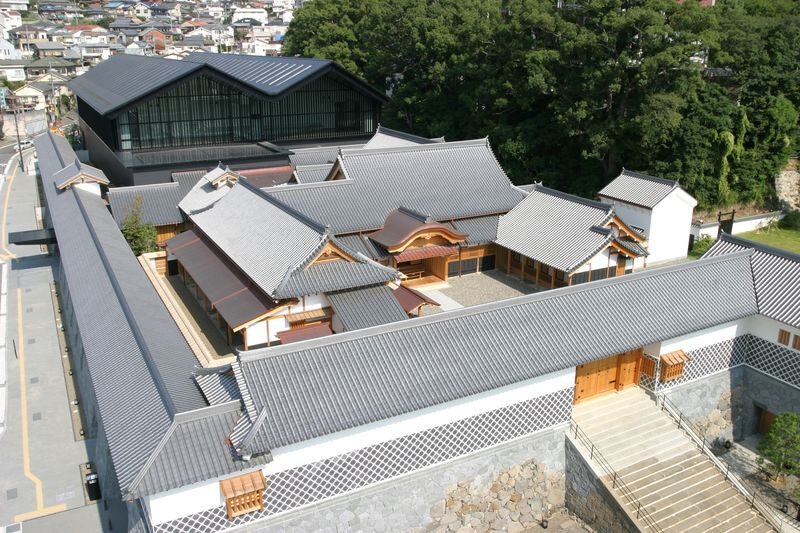
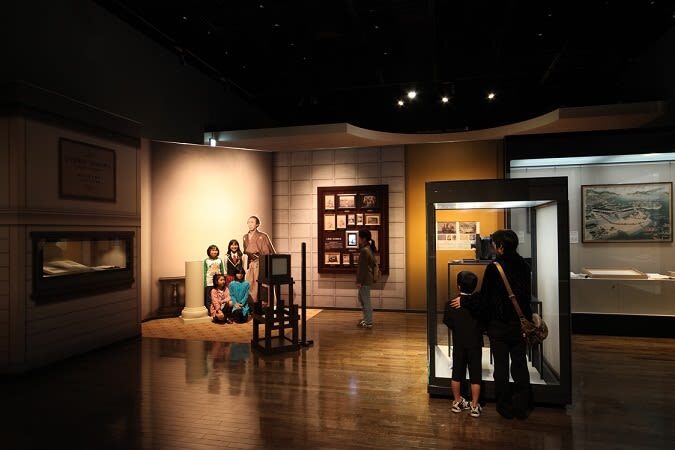
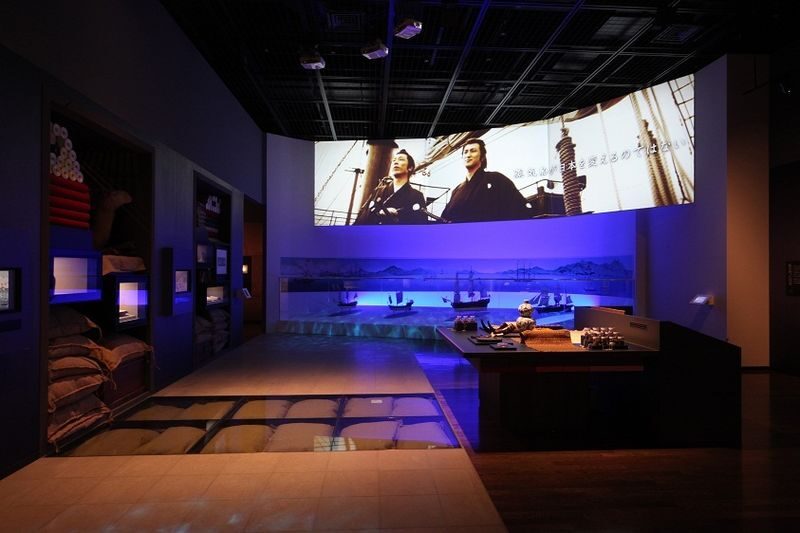
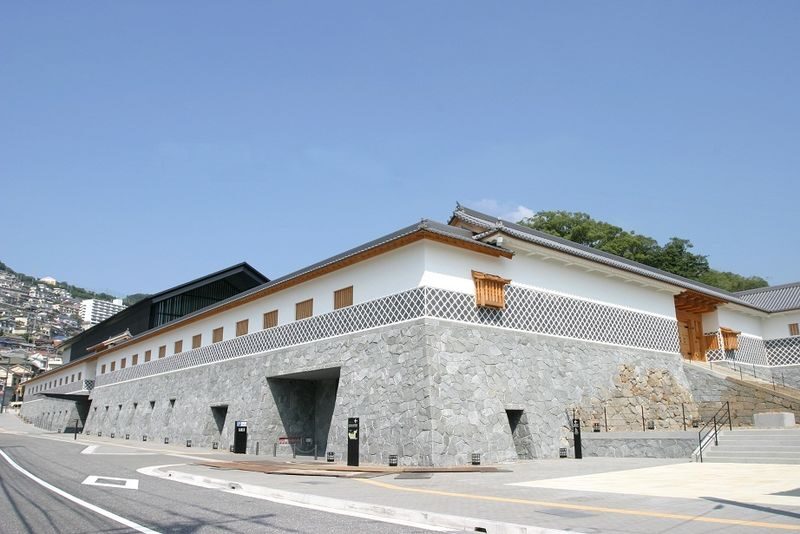
- A restored historic building is part of the setting: The museum has returned a historic building to its original location, adding a tangible link to the past.
- The permanent galleries cover centuries of exchange: Expect historical materials and fine art objects tied to Nagasaki’s overseas connections.
- The magistrate’s office has its own zone: Displays explain the office’s role and include materials related to Christians.
- Sunday brings short historical plays: These introduce past events through performances that recreate scenes from old trials.
- The ticket is inexpensive, but limited in scope: Permanent exhibition admission starts at $3.15. Special exhibitions are extra.
- Plan for a mobile voucher and possible language gaps: Staff must operate the electronic voucher, and English may be sparse in the galleries.
👉 See our pick of the 6 Best Guided Tours In Nagasaki
A museum built around Nagasaki’s outward-looking past
Nagasaki has a long story of contact with other countries, and this museum puts that story at its center. Its focus is early modern Nagasaki and its overseas exchange, presented through historical materials, artworks, hands-on exhibits, and video. That mix matters: objects can show what was made or kept, while moving images and interactive displays can help you place them in a wider account.
The museum’s stated span is about 400 years. Rather than treating Nagasaki’s international links as a side note, the exhibits use them as the main route into the city’s past. If you are trying to understand how the city’s history connects to Japan’s relationship with the outside world, this is a useful place to start.
The building itself adds another layer. A historic building has been restored to its original location, making the museum more than a set of display rooms. The exact experience will depend on which galleries are open, but the restored structure gives you a physical point of reference as you move through the exhibits.
You can also read our reviews of more tours and experiences in Nagasaki


The galleries: objects, video, and hands-on displays
The permanent exhibition ticket covers two main areas: the History and Culture Exhibition Zone and the Nagasaki Magistrate’s Office Zone. That gives you a broad introduction, from the city’s overseas connections to the work of local authority and the history of Christians in Nagasaki.
In the History and Culture Exhibition Zone, expect a collection of historical materials and fine art objects. The exhibits aim to tell the story of Nagasaki’s overseas exchange across several centuries. The available information does not specify every object or gallery sequence, so it is best to think of this as an overview rather than a tightly scripted tour.
Video and hands-on corners make the visit less dependent on reading wall text. That is helpful if you are traveling with children or simply learn better by seeing and doing. Still, these features do not guarantee that every subject will be easy to follow without Japanese. One practical tip: download the museum’s app ahead of time if you want more help with interpretation in English.
The collection includes plenty to look at, but this is not a guided experience with a named guide or a fixed route. You set your own pace. That freedom is useful if you want to linger over a particular object, though it also means you should arrive with enough time to explore both zones without rushing.
At the magistrate’s office: authority and Christian history
The Nagasaki Magistrate’s Office Zone gives the museum a more focused chapter. It covers the role of the magistrate’s office and displays materials related to Christians. One visitor described the permanent exhibition as two parts, one on Nagasaki’s history and the other on Christian persecution. This makes the zone a good reason to visit if you want to understand more than the city’s trade and cultural exchange.
The subject matter also gives the museum a useful balance. Nagasaki’s overseas connections were not only about objects and ideas moving between places. The magistrate’s office brings in the institutions and decisions that shaped life in the city, while the Christian materials point to a difficult chapter in its past.
On Sundays, short plays introduce historical events, including scenes that recreate old trials. The performances offer a change of pace from looking at displays, but they are scheduled for Sundays, not a regular feature you should count on every day. If seeing one matters to you, check the museum’s official site before setting your visit date.
How much time to allow
No fixed visit duration is provided, and the best length depends on how closely you like to read and watch. You can move through the two permanent zones at your own pace, with extra time for the hands-on and video corners. Add time if you hope to catch a Sunday play or want to study the displays in detail.
A visitor who went during the Nagasaki Kunchi festival found the museum quiet enough to look closely. That does not guarantee a quiet visit on other dates, but it suggests the museum can offer a calmer break from festival activity. Another visitor found it spacious and said the exhibits were well preserved and accurately explained. If you prefer to take your time, avoid squeezing the museum into a narrow gap between other plans.
Opening hours vary by season. From April through November, the museum is open from 8:30 a.m. to 7 p.m. From December through March, it closes at 6 p.m. Last entry is 30 minutes before closing, so plan to arrive earlier if you want time for both exhibition zones.
The museum closes on the first and third Monday of each month. If one of those Mondays is a public holiday, closure moves to the following day. Exhibition rooms may also close for display changes or other reasons, so check the official website before you go.
Getting there from Nagasaki Station
The museum is at 1-1-1 Tateyama in Nagasaki City, in Nagasaki Prefecture. From JR Nagasaki Station, one option is to take the prefectural bus on the Kazagashira-machi to Yumemiyako Line and get off at the Museum of History and Culture stop. You can also get off at Sakuramachi Koen-mae and walk about three minutes.
By tram, it is about a five-minute walk from Sakuramachi stop. Another route is to get off at Nagasaki Ekimae and walk roughly 10 minutes toward Sakuramachi. From the City Hall streetcar stop, allow about 10 minutes on foot toward Sakuracho Elementary School. The directions also give about a 10-minute walk from JR Nagasaki Station to the Sakuramachi area.
Driving from Nagasaki Expressway’s Nagasaki Mangazuka IC takes about 10 minutes toward Suwa Shrine, but parking is limited. Public transport is the more sensible choice if it fits your plans.
You can also read our reviews of more historical tours in Nagasaki




Is the $3.15 starting price good value?
At a starting price of $3.15, the permanent exhibition is a low-cost way to add context to a Nagasaki visit. You get access to both the History and Culture Exhibition Zone and the Nagasaki Magistrate’s Office Zone, along with the museum’s video and hands-on areas. For a modest admission fee, that is a worthwhile use of time if you are interested in the city’s past.
Keep the ticket’s limits in mind. Special exhibitions are not included and require a separate fee. The available ticket options are both for the permanent exhibition, including a promotional option when offered. Prices and promotions can change, so check the amount shown when you book.
The ticket is valid for 180 days from booking confirmation, which gives you flexibility about when to use it. It expires at 11:59 p.m. on the final day of validity, and the booking is non-refundable. If your schedule is uncertain, that no-cancellation rule is worth weighing before you buy.
A few practical details that can save trouble
The voucher is digital, but it is not a ticket you should try to operate yourself. Open it in the Klook app or website by going to Account, then Bookings, then View Voucher. Show it on a smartphone or another internet-connected device. Museum staff must operate the electronic voucher at entry. If you activate it yourself by mistake, it may become invalid.
Make sure you can access the voucher on the day. The link may not work where there is no Wi-Fi, so load the booking while you have a reliable connection and keep your phone charged. The admission is free for children aged 0 to 5.
Language is the main planning concern for many English-speaking visitors. The displays may offer little English, so download the museum’s app before you arrive rather than counting on getting online inside. That small bit of preparation can make the exhibits easier to follow and help you get more from the visit.
Who should make time for this museum?
I would put this museum high on the list if you want more context for Nagasaki’s history beyond the city’s best-known landmarks. It suits anyone interested in overseas exchange, art and historical objects, the magistrate’s role, or Christian history. The hands-on and video features also make it a reasonable choice for families, though how much children enjoy the displays will depend on their interest in museums.
It is less suited to someone looking for an English-led tour or a quick, highly structured account. There is no named guide or set itinerary, and English text may be scarce. The Sunday plays add a distinctive element, but you should not plan around them without checking the schedule.
Book the permanent exhibition if you want an affordable, self-paced introduction to Nagasaki’s overseas history and can manage with limited English support. If you want to see a special exhibition, check its separate admission details. And if Sunday’s trial scenes appeal, confirm the performance schedule before you go.
Nagasaki Museum of History and Culture Ticket in Nagasaki
“Definitely worth a visit. 2 permanent exhibitions, 1 on the history of Nagasaki and the other on Christian persecution.”
FAQ
What does the permanent exhibition ticket include?
It includes admission to the History and Culture Exhibition Zone and the Nagasaki Magistrate’s Office Zone at the Nagasaki Museum of History and Culture.
Are special exhibitions included?
No. Special exhibitions require a separate fee.
When is the museum open?
From April through November, it is open from 8:30 a.m. to 7 p.m. From December through March, it is open from 8:30 a.m. to 6 p.m. Last entry is 30 minutes before closing.
Which days is the museum closed?
It is closed on the first and third Monday of each month. If a closure falls on a public holiday, the museum closes the following day instead. Exhibition rooms may also close for changes or other reasons, so check the official website before visiting.
How do I get to the museum by public transport?
You can take a prefectural bus from JR Nagasaki Station to the Museum of History and Culture stop, or get off at Sakuramachi Koen-mae and walk about three minutes. By tram, it is about a five-minute walk from Sakuramachi stop.
How do I use the mobile voucher?
Open the voucher in the Klook app or website and show it on a smartphone or another internet-connected device. Museum staff must operate the electronic voucher at entry, so do not activate it yourself.
Is admission free for young children?
Yes. Children aged 0 to 5 can enter free.