Kyoto’s best introduction may be a conversation with someone who can help you choose what to see, not a mad dash to collect temple photos. On this private tour, you set priorities with a local guide, then build a route around places such as Kinkakuji, Fushimi Inari, Nishiki Market, or Gion. The key is choosing a tour length that fits your ambitions.
I like two things especially: the itinerary can follow your interests, and a good guide can make a market snack or a side-street stop part of the day’s story. Hosts including Miki, Austen, Kenta, Alex, and Toga have been praised for adapting routes, explaining local culture, and offering useful suggestions for the rest of a Kyoto stay.
One important catch: the two-hour option starts at $40.99, but it cannot sensibly cover six to eight major sights spread across Kyoto. The longer options cost more, and transport, admission, food, and drinks are not included. Think of two hours as a focused introduction, not a citywide tour.
- At a glance
- A personal route, not a fixed checklist
- What two hours can really cover
- Kinkakuji, Fushimi Inari, and Nishiki Market
- The value of having a local beside you
- Food and breaks belong in the plan
- Walking, transit, and meeting arrangements
- Is the starting price good value?
- Who should book this Kyoto walk?
- FAQ
- How long is the tour?
- What attractions might I visit?
- Is the tour private?
- Is transportation included?
- Are attraction admission fees included?
- Are meals and drinks included?
- Can I request a hotel or apartment meeting point?
- Is the activity listed as wheelchair- and stroller-accessible?
- What should I tell the guide before the tour?
- The Best Of Kyoto!
- More City Tours in Kyoto
- More Tours in Kyoto
- More Tour Reviews in Kyoto
- Not for you? Here's more nearby things to do in Kyoto we have reviewed
At a glance
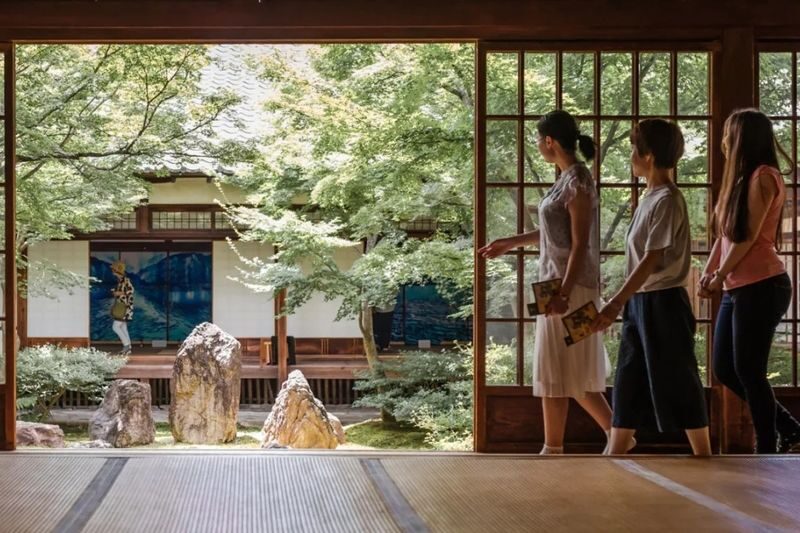
- Choose your own Kyoto: Share your must-sees and interests before the tour, then work with your host on a personal route.
- A short tour needs a narrow focus: The two-hour walk is best for one area or a small set of nearby stops.
- Food can be part of the route: Your host can point you toward street food or a local eatery, but you pay for what you order.
- Transit costs extra: This is a walking tour. Public transport or taxis may connect distant stops, at your expense.
- Local advice has lasting value: Use the guide’s recommendations to plan the rest of your stay, from restaurants to places worth prioritizing.
- Longer options cost more: Tours run from two to eight hours, with listed prices from $40.99 to $381.09.

👉 See our pick of the 25 Best Workshops And Classes In Kyoto
A personal route, not a fixed checklist
Kyoto has thousands of temples and shrines. No short tour can do justice to all of them, and this one is more useful when you decide what matters most. Before the tour, you receive a questionnaire about your interests, preferences, and must-sees. Your host then contacts you to plan a route that might lean toward history, food, local culture, or a mix.
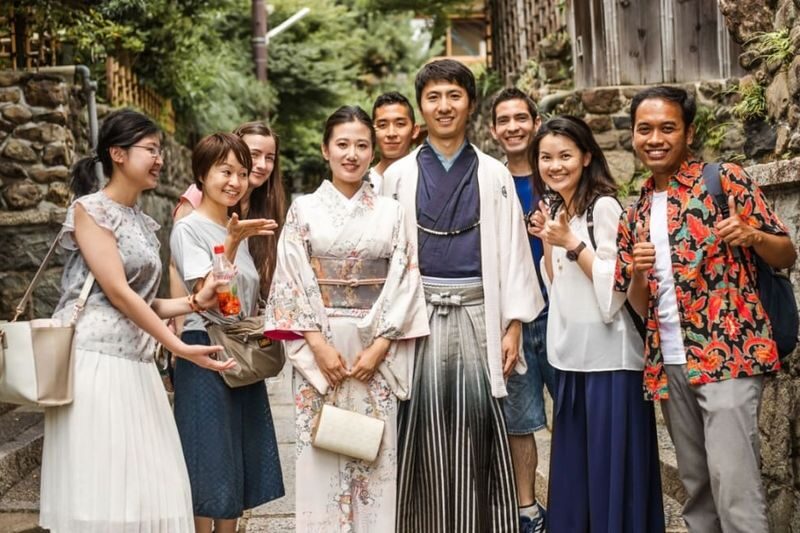
That flexibility is the tour’s central advantage. If you have already seen the famous sights, you can ask for lesser-known places nearby. If this is your first day in town, you can focus on a few major stops and ask questions that help make the rest of Kyoto easier to navigate. Families can flag children’s interests and pace; one guide, Alvin, even found common ground with a guest over anime and video games.
The host matters more than a rigid route. Past guides named include Miki, Austen, Kenta, Alex, Toga, and others. The strongest descriptions of the experience point to more than facts about temples: guides have helped with IC cards, Japanese phrases, shopping, restaurant choices, and photos. Those practical touches can save you time and help you feel more at ease in a city where small details can be hard to work out alone.
You can also read our reviews of more city tours in Kyoto
What two hours can really cover
The tour description sets a broad ambition: six to eight attractions in a day. But the bookable options range from two to eight hours, and the shorter package is a different proposition from a full-day outing. Kyoto’s main sights are spread out. Kinkakuji in the north, Fushimi Inari in the south, and Nishiki Market near the center are not a compact walking circuit.
For two hours, choose one area or a short list of nearby priorities. You might spend the time getting oriented around central Kyoto, combining a market stop with a walk through surrounding streets, or focusing on one major site and its nearby surroundings. Your host can suggest public transport or a taxi if you want to connect separate areas, but the fare is extra and travel time eats into the tour.
The three- and four-hour options give you more room to mix a major attraction with a neighborhood, food stop, or quieter place. Six or eight hours make a more ambitious itinerary possible, though even a full day cannot cover every famous place at a relaxed pace. Tell your host what you care about most and let the route reflect that, rather than treating the headline number of stops as a promise.
Kinkakuji, Fushimi Inari, and Nishiki Market
Kinkakuji, the Golden Pavilion, is among Kyoto’s most recognizable sights. Its fame is also a drawback: it is a popular stop, and time spent getting there and seeing the grounds may limit what else fits into a short tour. If it is a must-see, say so early and build the route around it rather than hoping to squeeze it in between distant stops.
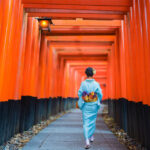
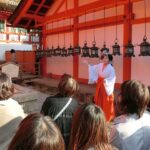
Fushimi Inari is known for its rows of red gates and draws many people. A guide can explain the site and help you decide how much time to spend there, rather than leaving you to guess how far to walk. The tour information does not promise a particular route through the grounds, so be clear if you want time for a longer walk or only a brief visit.
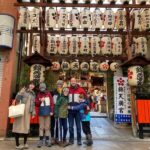
Nishiki Market offers a different kind of Kyoto experience. It is a place to look at local food and shops, and a natural setting for asking your host what to try. You can pick up street food recommended by your guide or stop at a local eatery. Food is not included, so budget separately, and mention any preferences or dietary needs when planning; the supplied details do not promise particular dishes or accommodations.
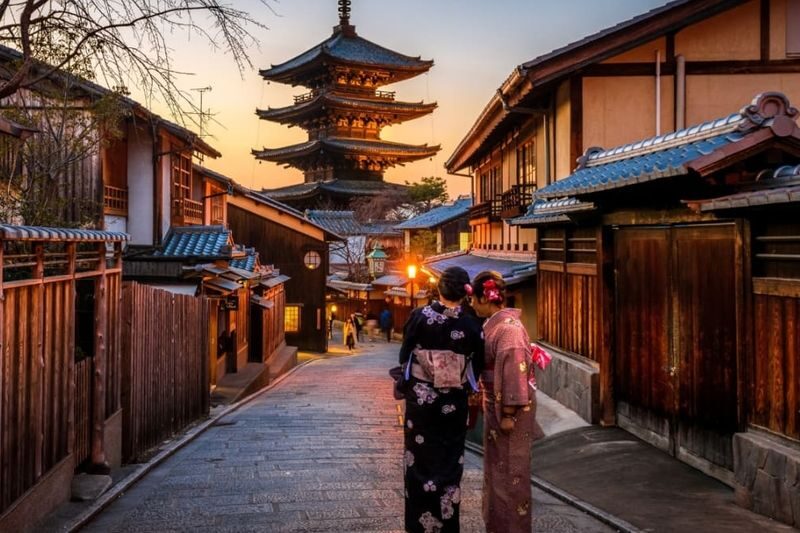
Gion and the city’s shopping districts may also suit a customized route. A market or neighborhood walk gives you a change of pace from temple visits, while a guide can explain what you are seeing and help with purchases. The exact stops are not fixed, so ask what is realistic for your chosen duration.
The value of having a local beside you
A guide’s value is not simply getting from one attraction to another. Kyoto’s major sites are easy to find on a map; it is harder to know which details matter, how to read a place in context, or what to do next. A good host can answer questions about history, religion, and local customs, then adjust the explanation to your interests.
That give-and-take is a recurring strength of this experience. Kenta has been praised for balancing explanation with time to look around independently, and for helping a group avoid some crowds. Miki has been described as flexible and cheerful, with useful advice about food and culture. Austen has guided guests through iconic sights and offered recommendations beyond the tour. These are examples, not a guarantee of who will lead your booking, but they show the kind of personal help the format can provide.
You can also ask for practical assistance. Guides have helped guests use an IC card, shop for Japanese knives, take photos, learn a few Japanese phrases, and choose restaurants. These small services can be especially useful on a first day, when you are still learning how transport and shopping work. They are not separate booked activities, though, so explain your priorities in advance.
Food and breaks belong in the plan
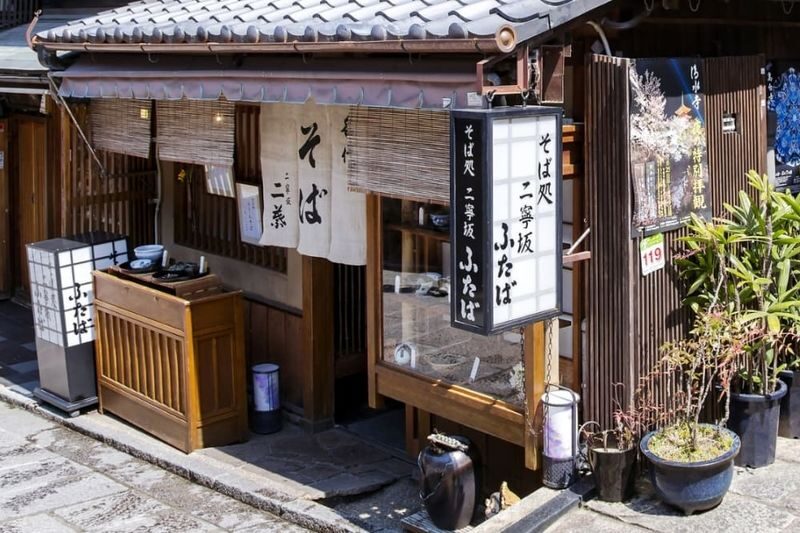
A food stop can turn a sightseeing walk into a more grounded introduction to Kyoto. Rather than treating lunch as an afterthought, you can ask your host to recommend street food or a local eatery. One guest described a lunch stop in the market as a highlight; another praised a guide’s restaurant suggestion. The appeal is simple: a local can help you choose, while you avoid having to make every decision from a phone screen.
Keep expectations practical. Meals and drinks are not part of the tour price, and a stop takes time away from sightseeing. For a two-hour walk, you may prefer a quick snack rather than a sit-down meal. With a longer booking, you have more room to pause without feeling that every minute is being spent rushing between sites.
If you have particular food interests, mention them in the pre-tour questionnaire or when your host reaches out. The experience is customizable, but there is no fixed menu or included tasting. You decide whether food is a central part of the outing or simply a pleasant break.
You can also read our reviews of more private tours in Kyoto



Walking, transit, and meeting arrangements
This is a private walking experience, not a private-vehicle tour. Your host may suggest public transport or a local taxi between areas, but those costs are not included. That distinction matters in Kyoto: a route linking far-apart attractions can involve more transit than walking, especially in a short booking. Agree on the broad plan and transport approach before setting off.
A hotel, apartment, or other central meeting place may be available on request. The details also give a meeting point near Nishiki Market and a return address at 103-2 Hashimotocho in Shimogyo Ward. Because the meeting point is flexible and the exact time is confirmed after booking, settle the location with your host rather than assuming the start and finish are the same place.
Arrive five minutes early and look for the guide holding or wearing a company logo sign. You receive a photo of your host before the tour. Departure slots run from 8 a.m. to 7 p.m., while return times depend on your selected duration and departure. Weather and traffic can change the schedule.
The activity is listed as stroller- and wheelchair-accessible. Since the tour involves walking and may use public transit or taxis, discuss your needs and proposed route with your host before the day. Infants and children must be included in the passenger count.
Is the starting price good value?
The two-hour tour starts at $40.99. Longer options are listed at $155.15 for three hours, $199.85 for four hours, $290.45 for six hours, and $381.09 for eight hours. These are starting prices, and the price alone does not include admission, transport, meals, drinks, or personal expenses. Check the final booking details for the price that applies to your group and date.
The best value depends on what you need. If you want a local to help you understand one part of Kyoto, choose a focused short outing. If you want to connect major sites across town, the longer booking is more realistic, but remember to add transport and entry costs. A private guide can be worthwhile when the alternative is spending precious time planning every stop and transfer yourself, especially if you have a short stay or specific must-sees.
The provider is City Unscripted Asia. The supplied figures show a 5.0 rating from 27 tour ratings and a 93 percent good-review rate across 445 provider reviews. Those numbers are encouraging, but they do not guarantee a particular guide or route. Treat them as a reason to consider the format, then make your own decision based on the itinerary and price you receive.
Who should book this Kyoto walk?
I would consider this tour if you want a personal introduction, value conversation as much as sightseeing, or have a short list of places you want to connect. It also suits families and small groups who want a guide to adjust the pace and explain things in a way that fits their interests. The private format makes it easier to ask questions than it would be in a large group.
It is less suited to anyone expecting a two-hour tour to cover all of Kyoto’s headline sights. It is also not an all-inclusive sightseeing package: transport, admission, and food cost extra. If you want a tightly scheduled list of attractions with a vehicle and tickets bundled in, compare other options before booking.
Book the two-hour version for a focused neighborhood introduction. Choose four hours or more if you want several distinct stops, food, and time to linger. Before confirming, send your must-sees, ask what the route can realistically include, and clarify where you will meet. That small bit of planning is the difference between a pleasant local walk and an overstuffed checklist.
Kyoto City Highlights & Hidden Gems Private Custom Tour with a Local
“Miki was wonderful! Designed a great itinerary for the day. Tailored to our needs and requests. Very knowledgeable. Also, very curious about our cu…”
FAQ
How long is the tour?
The walking tour is available in two-, three-, four-, six-, and eight-hour options. The listed starting prices vary by duration.
What attractions might I visit?
Possible highlights include Kinkakuji Temple, Fushimi Inari, Nishiki Market, and Gion. Your route is customized, so specific stops are not guaranteed.
Is the tour private?
Yes. It is described as a private walking experience with a local host.
Is transportation included?
No. A private vehicle is not included. Public transport or local taxis may be used between sites, and those fees are extra.
Are attraction admission fees included?
No. Admission to attractions is not included in the tour price.
Are meals and drinks included?
No. You pay separately for meals and beverages. Your host can recommend street food or a local eatery.
Can I request a hotel or apartment meeting point?
A hotel, apartment, or other central meeting point may be available on request. Share your preferred location with your host or ask them to recommend a convenient place.
Is the activity listed as wheelchair- and stroller-accessible?
Yes. It is listed as stroller- and wheelchair-accessible. Since it is a walking tour and may use local transport, discuss your route and requirements with your host.
What should I tell the guide before the tour?
After booking, you receive a short questionnaire about your interests, preferences, and must-sees. Share the places you most want to visit and whether you are interested in history, food, local culture, or quieter stops.