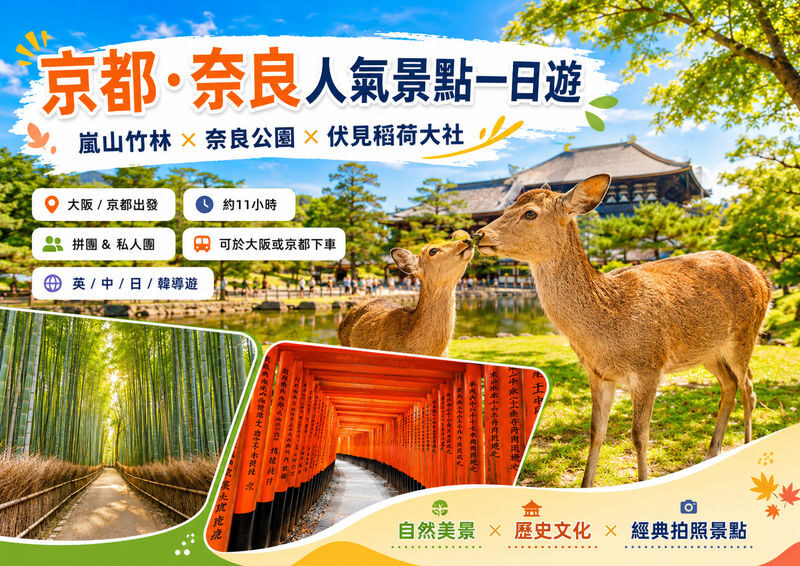
This day trip links three of Kansai’s best-known sights: Arashiyama’s bamboo grove, Nara’s deer and Fushimi Inari’s red torii gates. I like that one bus ride replaces several train connections, and that the stops leave you time to wander on your own rather than follow a guide from place to place.
The trade-off is a full day with fixed stop times. You’ll have about 70 minutes in Nara, 150 in Arashiyama and 90 at Fushimi Inari, but traffic can change the schedule. The tour is a better fit if you want convenient transport than if you want a guide to walk with you and explain each site.
- At a glance
- A bus day linking three very different places
- Meeting early and keeping the day flexible
- Nara Park: meet the deer, then mind your crackers
- Arashiyama: the longest stop, with room for lunch
- Fushimi Inari: red gates, steep choices and a firm return time
- What the guide does, and what the guide may not do
- Is the starting price good value?
- Practical details that can save you a headache
- Who should book this day trip?
- Should you book it?
- FAQ
- How long do you spend at each stop?
- Is the tour guided inside the attractions?
- Can I choose the guide language?
- Where does the tour return?
- Is lunch included?
- Can I bring luggage on the bus?
- Can children join the tour?
- What is the cancellation policy?
- The Best Of Kyoto!
- More Tours in Kyoto
- More Tour Reviews in Kyoto
- Not for you? Here's more nearby things to do in Kyoto we have reviewed
At a glance
 1 / 10
 2 / 10
 3 / 10
 4 / 10
 5 / 10
 6 / 10
 7 / 10
 8 / 10
 9 / 10
 10 / 10
- Three signature stops: See Arashiyama, Nara Park and Fushimi Inari in one day.
- Free time at each attraction: The stops are self-guided, so you choose how to spend your time.
- Arashiyama gets the longest visit: About 150 minutes, with time for lunch.
- Nara’s deer are close at hand: You can buy deer crackers and try the local bowing greeting.
- Guide language is not guaranteed: It is assigned according to the group and arrangements that day.
- A practical shared ride: Toll, parking and fuel costs are included, while meals and personal expenses are not.

👉 See our pick of the 25 Best Workshops And Classes In Kyoto
A bus day linking three very different places
The appeal of this tour is its simple idea: use one shared vehicle to reach three major sights in Kyoto and Nara, then explore each on your own. That saves you from working out several train routes and transfers, a useful advantage if you are new to Japan, traveling with family, or would rather spend your attention on the places than the timetable.
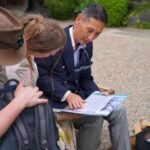
This is not a guided walking tour. The driver or tour leader handles the transport and gives instructions, but at the attractions you set your own pace. Some guides provide practical tips and commentary, and names including Huahua, Joe, Chacha and Yujin have been warmly praised. The level of explanation can vary, so book for the convenient ride and free time, not for a detailed history lesson at every stop.
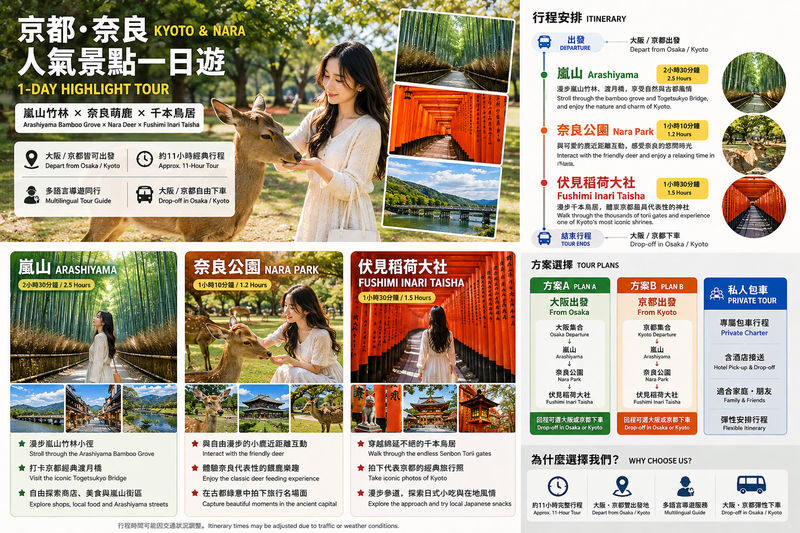
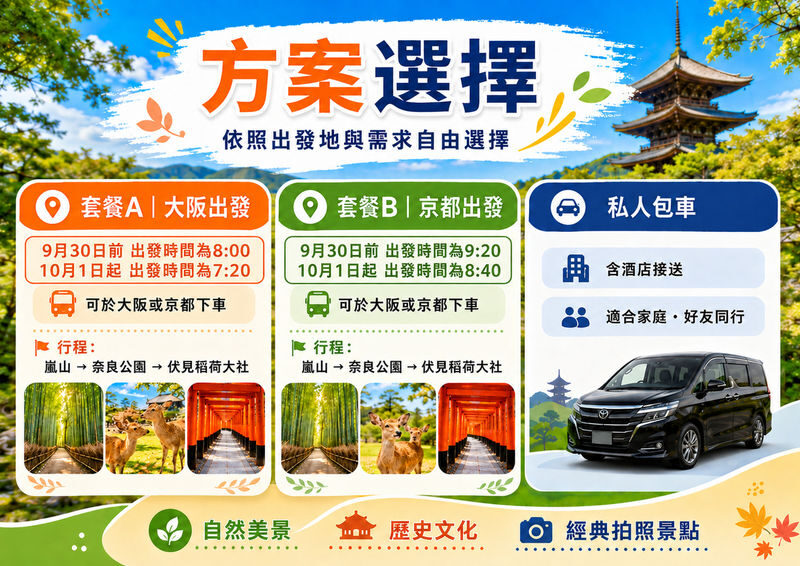
The order is Nara Park, Arashiyama and then Fushimi Inari. You can expect roughly 70 minutes, 150 minutes and 90 minutes at those stops, respectively. Traffic and weather may shift the timings or order, and staff may adjust the plan on the day.
You can also read our reviews of more tours and experiences in Kyoto.
Meeting early and keeping the day flexible
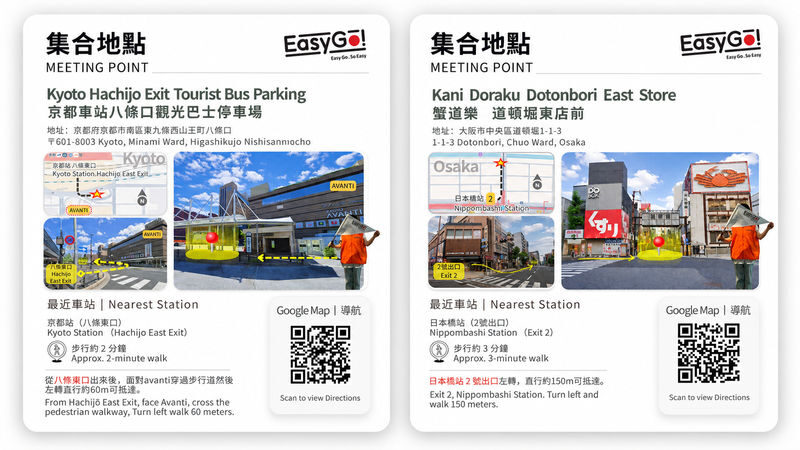
The tour has departure options listed for 07:20 and 08:40, depending on the departure arrangement you choose. The exact meeting point and guide details are sent by email before 21:00 Japan time on the day before departure. Check your inbox and spam folder, and use the latest message if you receive more than one.
Arrive 15 minutes early and look for staff wearing an EASY GO vest or carrying an EASY GO sign. The vehicle leaves on time, and late arrivals or no-shows are not refunded. The group shares the ride, so do not change your meeting point at the last minute.
The return is listed for 17:05 at Kyoto Station’s Hachijo Exit sightseeing bus parking area, or 18:20 near Kani Doraku Dotonbori East Branch in Osaka. These are estimates, not promises. Traffic can delay the return, so avoid booking a tight dinner reservation or another timed activity that evening.
Nara Park: meet the deer, then mind your crackers
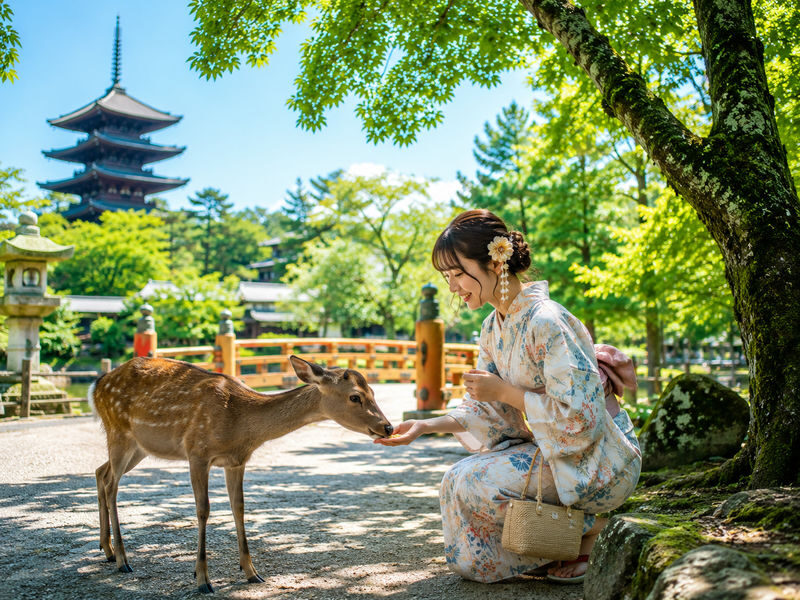
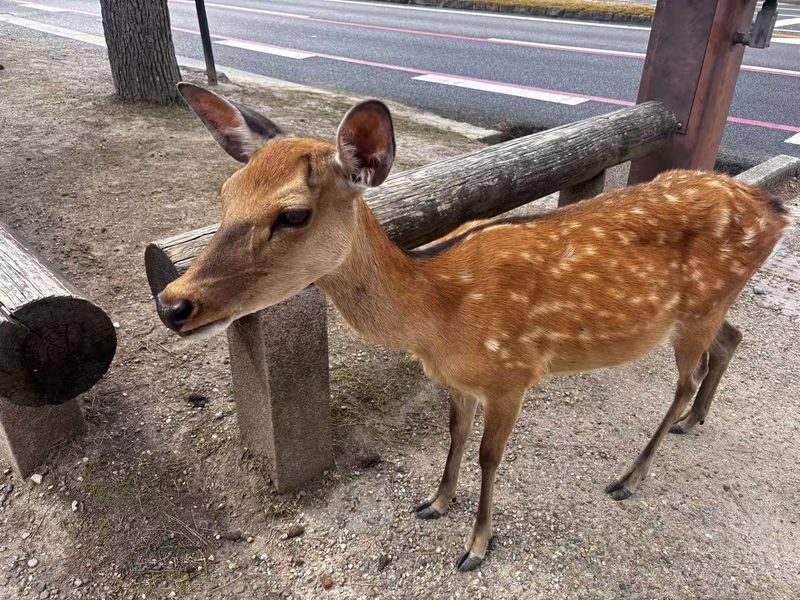
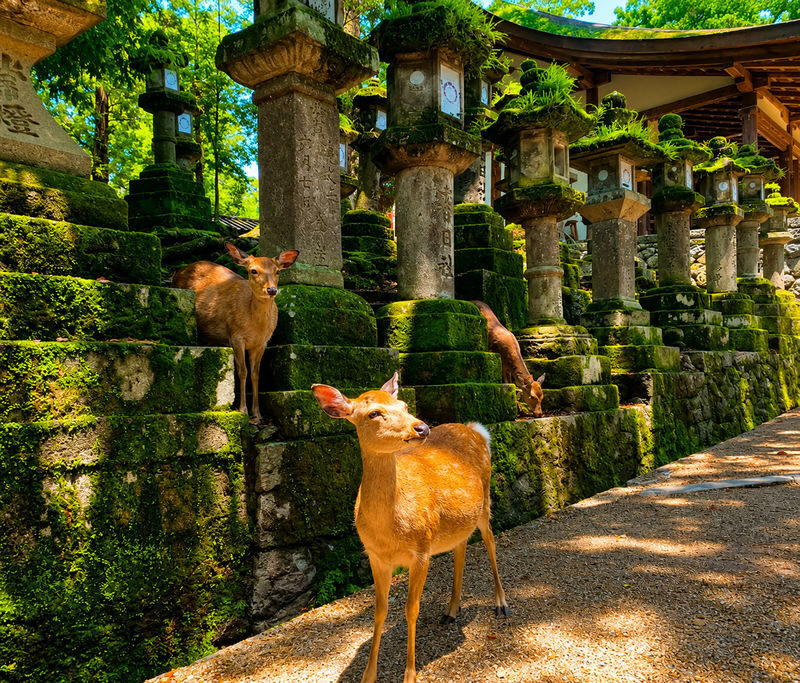
Nara Park gives you about 70 minutes to see the deer and explore part of the park. The deer roam freely, and you can buy special crackers to feed them. The traditional greeting is a small bow, which some deer appear to return. It is an easy, memorable encounter, especially for families and first-time visitors.
Treat the crackers as a reason to pay attention, not as a guaranteed photo opportunity. Deer may crowd around when they see food, and you may find them persistent even when your hands are empty. If that feels uncomfortable, skip the crackers and enjoy watching them from a little distance.
Seventy minutes is enough for a focused visit, but not a leisurely tour of all the nearby sights. Todai-ji Temple and Mount Wakakusa are mentioned as possible additions if time allows, but do not assume you can fit them in. Choose one clear priority before leaving the bus, and keep an eye on the agreed meeting time.
Arashiyama: the longest stop, with room for lunch
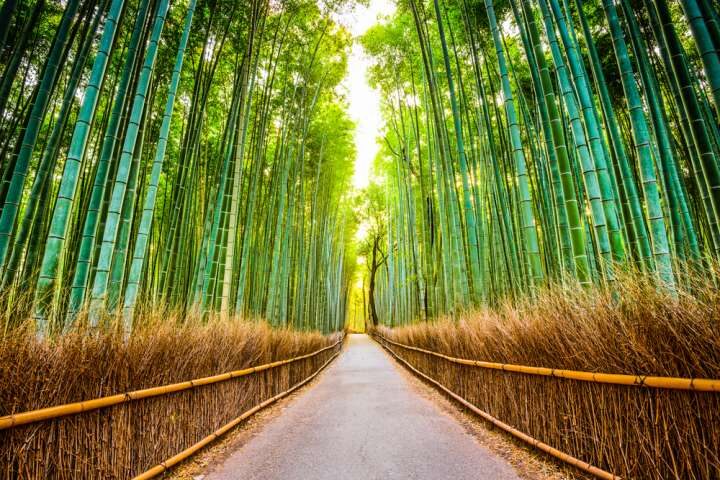
Arashiyama gets about two and a half hours, the most generous stop of the day. That gives you time to walk through the famous bamboo grove, pause for photos and find lunch. The tall bamboo and shifting light make this the stop to slow down, though the area can be crowded, especially during popular seasonal periods.
The bamboo path is the main draw, but the experience is not guaranteed to be quiet. The rustle of leaves and filtered light can make for a calm walk when the pace allows, while crowds may thin the sense of solitude. The description also notes that you might encounter a street performer playing a handpan. Treat that as a possibility, not a scheduled part of the tour.
The long stop is a practical plus: you are less likely to feel rushed here than at the other two sites. It is also where you can take a meal break, since lunch is not included. Decide whether you want to eat first or walk first, and leave enough time to return to the meeting point. One limitation is that weather or capacity can affect what is possible, and some attractions may be skipped.
Fushimi Inari: red gates, steep choices and a firm return time
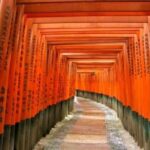
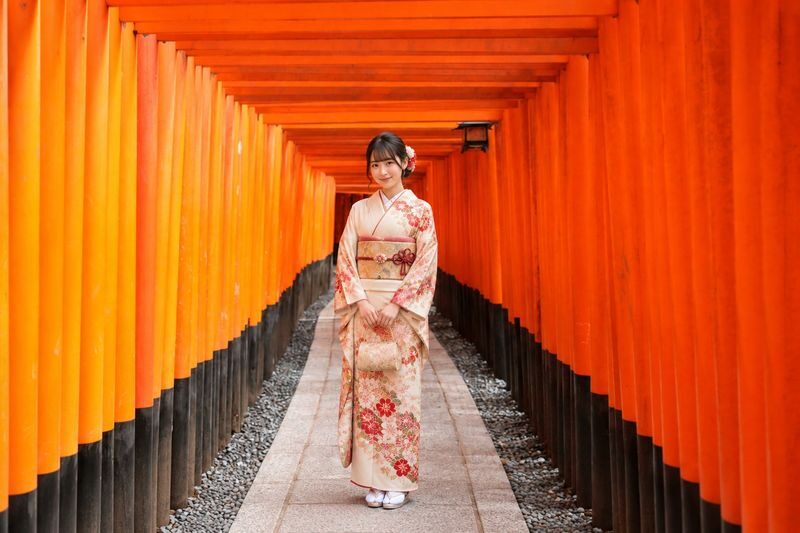
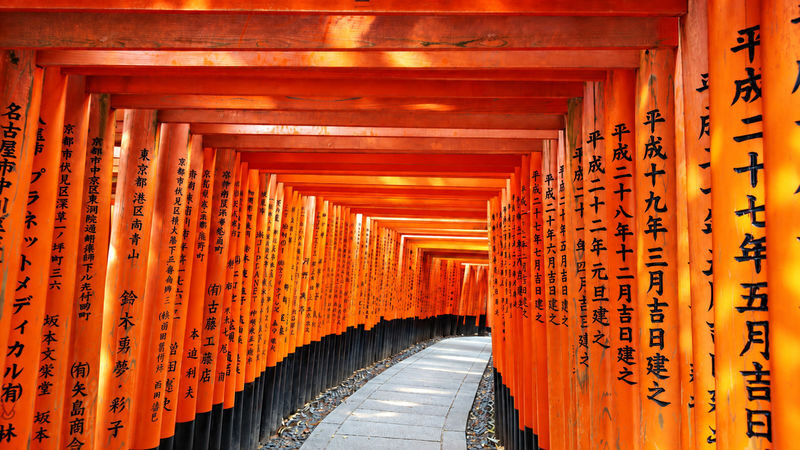
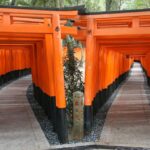
Fushimi Inari Taisha is known for its long passages of vermilion torii gates. You have about 90 minutes to walk among them, take photos and get a feel for the shrine. The gates form the striking tunnel that makes this one of Kyoto’s most recognizable sights.
That time is enough to see the famous lower sections, but you should not expect to complete every path. The shrine grounds continue uphill, and how far you go depends on your pace and how long you stop for photos. The schedule describes a late-day visit, when low sun may cast warm light through the gates, but the actual arrival time depends on traffic and tour adjustments.
Crowds can make a quiet photo difficult, so patience helps. Keep the return time in view, especially if you walk farther uphill than planned. The self-guided format gives you freedom, but it also makes you responsible for being back on time.


What the guide does, and what the guide may not do
The tour includes an English, Chinese or Japanese-speaking guide, but you cannot choose the language. It is assigned according to the group and the day’s arrangements. Although some package information has referred to Korean, the detailed guidance says English, Chinese or Japanese and does not guarantee Korean. If Korean commentary is essential, confirm directly before booking rather than relying on a language selection shown elsewhere.
Guide styles vary. The service may be a driver-guide for a small group of 4 to 13 people, or a driver plus guide for a larger bus group of 14 to 45. A driver-guide’s main job is driving, with commentary secondary. Several named guides, including Huahua, Joe, Chacha and Yujin, have been praised for being kind, helpful or entertaining, but you cannot request a particular person.
At each stop, expect directions and a meeting time more than an escorted visit. That arrangement suits independent explorers and lets you choose what interests you. If you want detailed explanations throughout, or assistance navigating every site, this is not the strongest format.
Is the starting price good value?
The advertised starting price is $44.89, while the listed October 1 departure option starts at $56.09. Prices depend on the selected package and date, so check the amount for your actual booking. A private charter with hotel pickup and a flexible itinerary is listed from $474.05, a different proposition for people who want a private vehicle and more control.
For a shared tour, the value comes mainly from transport and convenience. Round-trip transfers, tolls, parking and fuel are included. You still pay for meals, drinks, deer crackers and other personal spending. You also give up flexibility: each stop has a limited window, and you cannot leave the group partway through and expect a refund for unused portions.
Compare the cost with what it would take to plan and pay for your own transport between the three sites. The tour is most compelling if you want to visit all three in one day without arranging the connections yourself. If you prefer long visits, a slower pace or guided walks, paying for transport alone may feel less worthwhile.
Practical details that can save you a headache
Each person may bring one standard-sized piece of luggage for free. Additional pieces cost JPY 2,000 each on site, and you are asked to note extra luggage when booking. The operator may refuse boarding if you have not declared it, so do not treat the luggage allowance as flexible.
Children aged 3 and older pay the adult rate. Children aged 0 to 2 can join free only if they do not occupy a separate seat, and the supplier must be informed in advance. The infant must sit on a guardian’s lap. The activity is not stroller-friendly, which matters if you are planning the day with a small child.
Dress for the season and the day’s forecast. The tour runs in changing weather, and outdoor activities may be paused or altered for safety. Shared bus rules prohibit strong-smelling food and ice cream on board. Keep valuables with you, and remember the operator may shorten or adjust the schedule because of traffic, weather, crowding or the bus’s daily time limit.
Who should book this day trip?
I’d choose this tour if I had one day for the three major stops and valued simple transport over a fully guided experience. It is especially useful for first-time visitors who would rather not change trains, and for families or groups who want to travel together. A family of seven has enjoyed the format, and one pregnant participant found the pacing manageable, though comfort and stamina are personal.
Independent explorers will also appreciate the free time. You can focus on the bamboo grove, deer or torii gates without keeping step with a walking group. Just remember that the freedom is bounded by the bus schedule.
I would look for another option if you need a guaranteed Korean-speaking guide, want long visits at every site, or expect in-depth commentary while walking. This is a convenient sampler, not a slow study of Kyoto and Nara.
Should you book it?
Book it if your priority is seeing Arashiyama, Nara Park and Fushimi Inari in a single day with transport arranged. The strongest reasons are the practical bus ride, the generous Arashiyama stop and the chance to explore independently. The main compromises are fixed time limits, variable traffic and an unconfirmed guide language.
Before paying, confirm your departure location, the language terms for your date and the correct return point. Arrive early, travel light, and leave the evening open. With those expectations, the tour offers a straightforward way to sample three very different places without turning the day into a transport puzzle.
Kyoto & Nara tour – Arashiyama & Fushimi Inari Shrine & Nara Park
“I thought this tour was great for people who like to wander on their own and need a ride to popular tourist places. This fit my party of five! The…”
FAQ
How long do you spend at each stop?
The planned visits are about 70 minutes at Nara Park, 150 minutes at Arashiyama and 90 minutes at Fushimi Inari. Traffic, weather and other conditions can change the timing.
Is the tour guided inside the attractions?
The stops are self-guided. The driver or tour leader gives instructions and may offer practical tips, but you explore each place on your own.
Can I choose the guide language?
No. The language is assigned according to the group and arrangements on the day. The detailed tour information lists English, Chinese and Japanese, and says a specific language cannot be guaranteed.
Where does the tour return?
The listed return points are Kyoto Station’s Hachijo Exit sightseeing bus parking area, expected around 17:05, or near Kani Doraku Dotonbori East Branch in Osaka, expected around 18:20. Both times can change with traffic.
Is lunch included?
No. Meals and drinks are not included. Arashiyama is the planned lunch stop, with about 150 minutes available there.
Can I bring luggage on the bus?
One standard-sized piece of luggage per person is included. Each additional piece costs JPY 2,000 on site, and you should declare extra luggage when booking.
Can children join the tour?
Yes. Children aged 3 and older pay the adult rate. Children aged 0 to 2 can join free without a separate seat, but the supplier must be told in advance and the child must sit on a guardian’s lap.
What is the cancellation policy?
A full refund is available if you cancel at least 24 hours before the activity date in local time. Late arrivals and no-shows are not refunded. If the operator cancels because of extreme weather or an unforeseen event, you can reschedule or request a full refund.