Sanzen-in’s mossy temple grounds, Kifune Shrine’s mountain approach, and Arashiyama’s bamboo path make an unusually varied day out from Osaka or Kyoto. I like that this route trades tricky transfers for a shared vehicle, and that you get time to explore each stop rather than follow a guide in a tight line. The main catch is the pace: three far-flung places in one day leave little room to linger.
I also like the small-group format, which can mean a van and more direct help with meeting points, timing, and local suggestions. Guides such as Hide, Kangfu, and Mr. Zhao have been praised for clear updates and patient explanations, though the guide and language can vary. Pack comfortable shoes and water for Kifune’s uphill climb, and don’t count on an unhurried afternoon in Arashiyama.
- Three very different stops: A quiet Tendai temple, a mountain shrine, and a popular riverside district.
- Transport without route planning: Round-trip transfers, tolls, parking, and fuel are included.
- A real uphill approach: Allow about 20 minutes of continuous climbing to reach Kifune Shrine from the bottom.
- Free time, not a guided walking tour: The stops are self-guided, with set departure times.
- Extra costs to budget: Sanzen-in admission is ¥700 for adults, and food and the Sagano Romantic Train are not included.
- Three Kyoto stops, one long day
- Sanzen-in: a quiet start in Ohara
- Kifune Shrine: mountain air and a steep climb
- Arashiyama: bamboo, bridge, and a crowded finish
- What the guide adds, and what remains self-guided
- The price and the trade-off
- Practical details before you book
- Should you book this Kyoto day trip?
- FAQ
- How long is the tour?
- How much time is spent at each stop?
- Is Sanzen-in admission included?
- How strenuous is the walk to Kifune Shrine?
- Is the Sagano Romantic Train included?
- Where does the tour depart and return?
- What is included in the tour price?
- The Best Of Kyoto!
- More 1-Day Tours in Kyoto
- More Tours in Kyoto
- More Tour Reviews in Kyoto
- Not for you? Here's more nearby things to do in Kyoto we have reviewed
Three Kyoto stops, one long day
 1 / 7
 2 / 7
 3 / 7
 4 / 7
 5 / 7
 6 / 7
 7 / 7
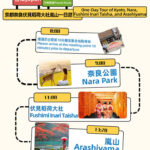
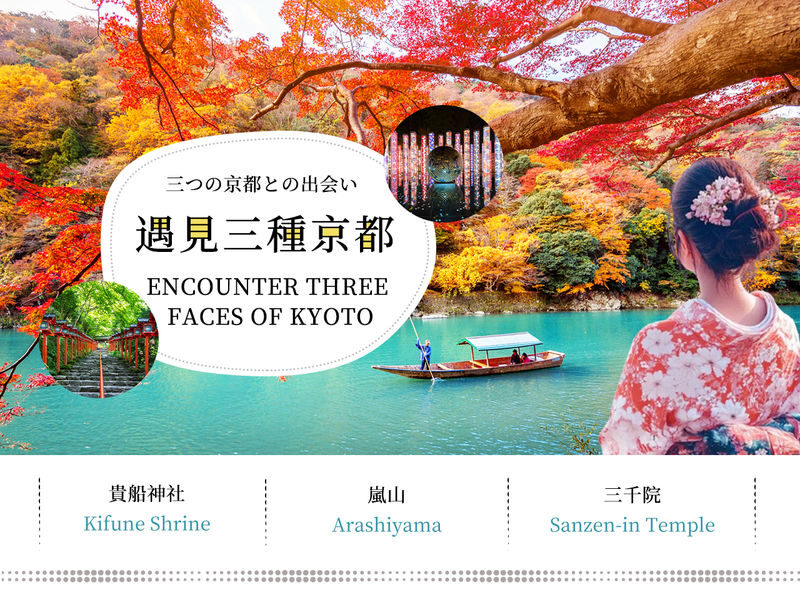
This day trip is built around contrast. You begin among temple gardens in Ohara, head into the wooded hills to Kifune Shrine, then finish amid the bridges, shops, and bamboo of Arashiyama.
That variety is the appeal, and also the challenge. The sites lie in different parts of Kyoto, so a do-it-yourself version can involve several transport legs and careful timing. The shared vehicle takes that planning off your hands, but the day still runs to a schedule. You’ll need to keep an eye on the clock at every stop.
The tour lasts about 8.5 hours, with a morning departure and an evening return. The exact meeting time and return point depend on the package you book. The listed departure schedule includes 8:40 and 9:50 options, while return points include Kyoto Station and Kintetsu Nipponbashi in Osaka. Check your booking details closely, then arrive at your assigned meeting spot at least 10 minutes early.
The group size is listed as one to nine people, and the vehicle may be a small car or van depending on how many people book. That can make the ride feel more personal than a large coach, but don’t assume you’ll have a private vehicle. The tour is shared, and the driver-guide may keep commentary brief when also managing the road.

👉 See our pick of the 25 Best Workshops And Classes In Kyoto
Sanzen-in: a quiet start in Ohara
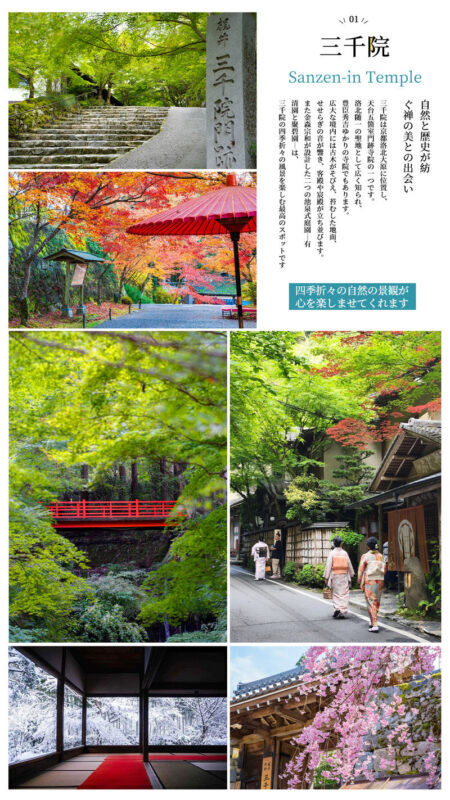
The first stop is Sanzen-in, a Tendai Buddhist temple in Ohara with more than a thousand years of history. Its grounds are known for ponds, trees, and gardens, offering a calm opening before the day’s more active and crowded stops.
You have about an hour to explore on your own. That is enough for a focused visit, but not necessarily a slow one if you like to read every sign, take your time in the gardens, or pause often for photos. The temple’s admission is not included: budget ¥700 for adults, ¥400 for junior high and high school students, and ¥150 for elementary school students.
I’d use this first stop to set a gentle pace without losing track of time. Take in the garden and temple atmosphere, but note the vehicle’s departure point and return time before wandering. A missed departure can affect the rest of the fixed-route day, and late arrivals or no-shows are not refundable.
You can also read our reviews of more tours and experiences in Kyoto

Kifune Shrine: mountain air and a steep climb
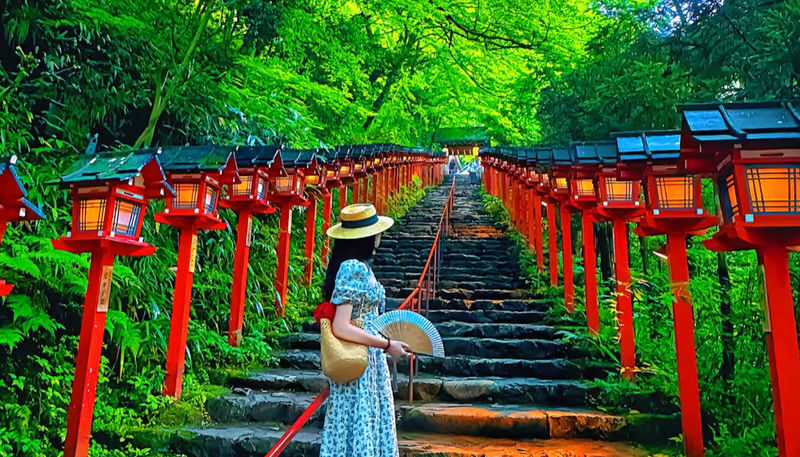
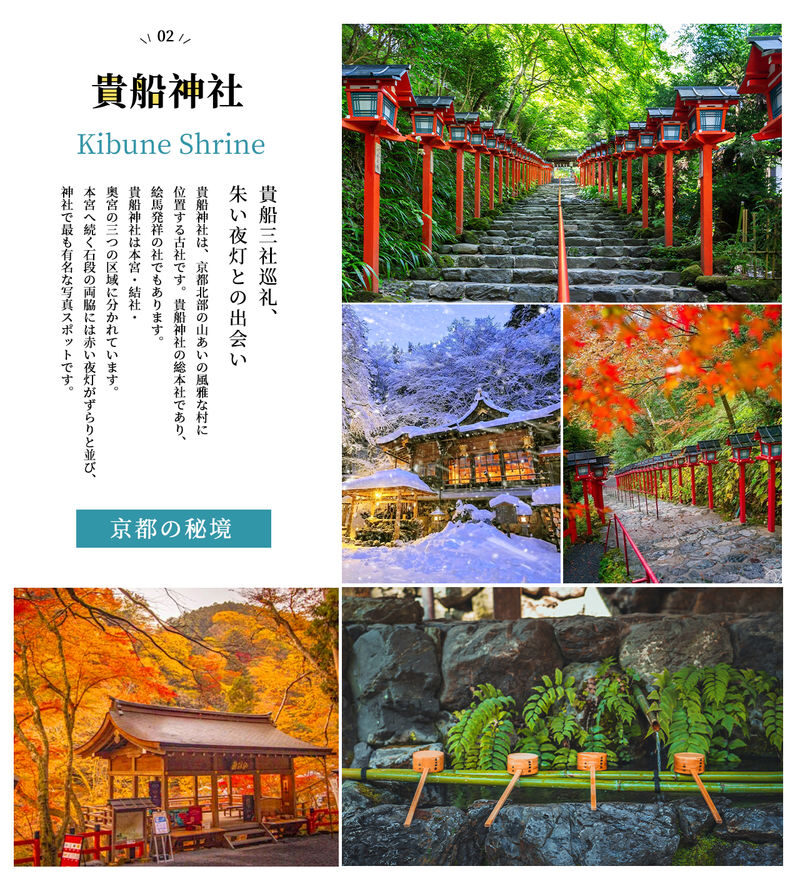
Kifune Shrine is the most physically demanding stop. The shrine is associated with Takaokami no Kami, a dragon deity linked with rainfall, and its setting in the wooded hills gives it a very different feel from central Kyoto’s urban temples.
The tour allows about one hour and 40 minutes here, including time to eat. Reaching the shrine from the bottom involves roughly 20 minutes of continuous uphill walking and climbing. The path is described as scenic, but don’t mistake scenic for effortless. Wear sneakers or hiking shoes, carry water, and be realistic about your pace if hills are difficult for you.
Food is at your own expense, and Kifune is a natural place to use some of this stop for a meal. But a leisurely lunch can cut into shrine time. One guide has been noted for allowing a little extra time when a group was running behind at lunch, but you should not plan on schedule extensions. The day’s timing can shift with traffic, crowds, or weather.
If you want to make a wish or spend a few quiet minutes at the shrine, decide what matters most before you arrive. The combination of a meal, uphill walk, and shrine visit can make this stop feel short, even with more time than the other locations.
Arashiyama: bamboo, bridge, and a crowded finish
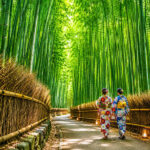
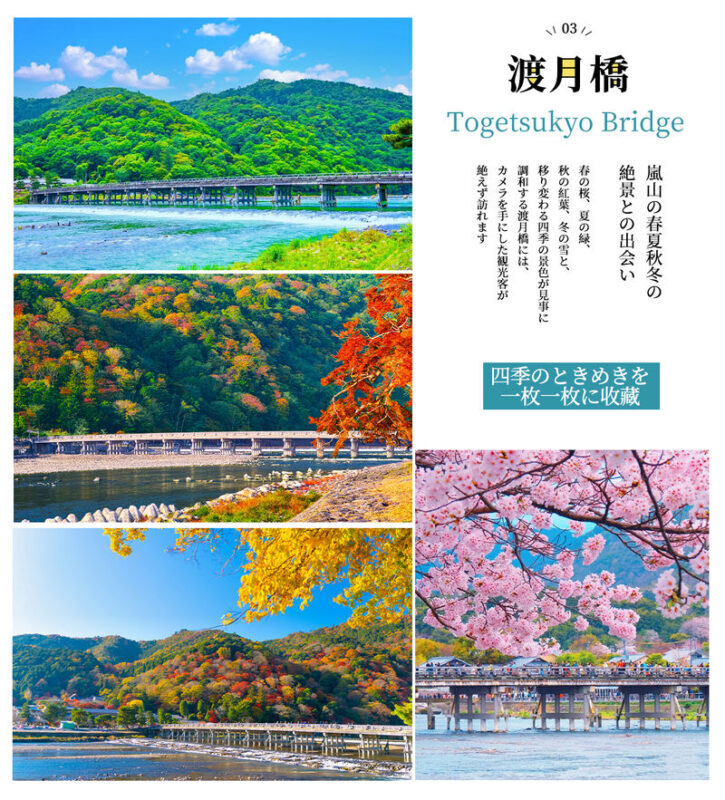
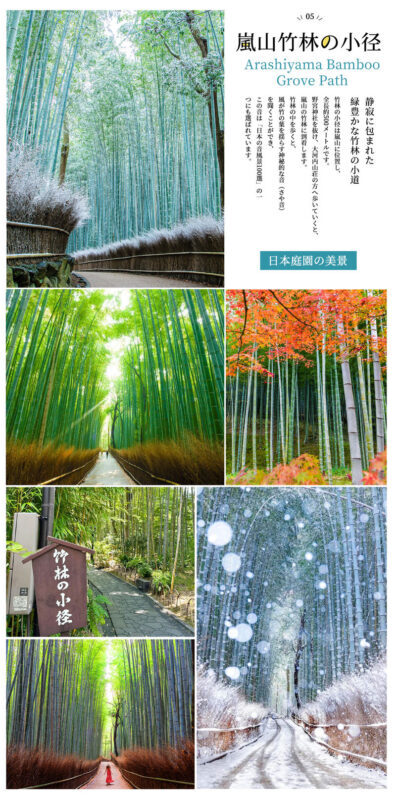
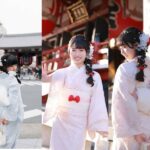
Arashiyama gets about two hours, with suggested stops including Togetsukyo Bridge, Kimono Forest, and the Bamboo Forest Path. The bridge gives you views of the river and surrounding hills; the bamboo path offers the familiar corridor of tall green stalks; Kimono Forest adds a more decorative stop near the transport area.
This final stretch is the tour’s busiest stop and often the one that feels most rushed. Arashiyama draws plenty of people, and crowds can slow you down just when you’re trying to fit in several sights. Some people would prefer more time at Kifune; others are happy to spend the longest free-time block among shops, scenery, and food.
The Sagano Romantic Train is not included. If you want to ride it, you need to buy your own ticket, and the suggested departures are 15:02 outbound and 15:30 return. Those times leave little margin within the scheduled Arashiyama visit, so check the day’s actual timing and ticket availability before making the train your priority. The tour may adjust or skip attractions because of capacity or weather.
My practical approach would be to choose two Arashiyama priorities, not try to tick off everything. If the bamboo path matters most, head there first. If you’d rather sit down for a meal or see the bridge, keep that in mind when you leave the vehicle.
What the guide adds, and what remains self-guided
This is not a fully escorted walking tour. At each attraction, you explore independently, then meet the vehicle again at the agreed time and place. The guide’s most important job is getting you between distant sites, keeping the schedule clear, and helping the day run smoothly.
Guides named in recent trip accounts include Hide, Kangfu, Mr. Zhao, and Mr. Nakazato, among others. Their approach varies: some provide detailed explanations in more than one language, while others give briefer commentary. The service is advertised with Chinese-, English-, and Japanese-speaking driver-guides, but your particular guide and the languages used may depend on the departure.
The most useful touches described include clear meeting instructions, digital maps for Arashiyama, reminders before disembarking, and local food suggestions. One guide helped a small group find its way after they had trouble locating the meeting point; another adjusted the plan around holiday traffic. Those kinds of practical updates matter more on a fixed-route day than a long lecture.
Still, book this for transport and a helpful guide, not a guarantee of extensive historical commentary. Because the driver may also be guiding, the amount of explanation can vary. If you like exploring at your own pace, the self-guided format is a plus. If you want a guide beside you at every shrine and temple, this is not that kind of tour.
The price and the trade-off
At a starting price of $50.55, the tour can be good value if you want to visit all three areas in one day without piecing together transport. Round-trip transfers, tolls, parking, and fuel are covered, and the route removes much of the work of connecting distant stops.
The price does not cover Sanzen-in admission, meals, personal spending, or a Sagano Romantic Train ticket. Add those costs before comparing this with other options. The starting price may also differ by package, so check whether you’re selecting a designated meeting point or an Osaka hotel pickup and drop-off.
The biggest cost is not money but flexibility. You follow a group schedule, cannot stop wherever you like, and may need to shorten a visit if traffic or crowds disrupt the plan. If you want a slow day in one or two places, booking your own transport and staying overnight in Kyoto may suit you better. If you want to see three distinct areas with less transport stress, the shared ride has real value.




Practical details before you book
Check the day-before email between 16:00 and 22:00 Japan time for the vehicle and guide details. The guide does not usually contact you in advance, so keep an eye on your inbox and use the latest email if more than one arrives. The exact meeting location and time depend on your selected departure.
One piece of luggage per person is allowed at no extra charge. Extra pieces cost ¥2,000 each, and you’re expected to declare them when booking. Eating or drinking in the vehicle is prohibited, and child seats are not available. Infants and children count toward the passenger headcount and pay the same rate as adults.
The walk to Kifune is worth taking seriously. The activity is not recommended for people with epilepsy, heart disease, or other serious medical conditions. Participants aged 70 and older need to present a medical certificate, and people over 70 and pregnant participants must request and return a signed disclaimer no later than the day before departure.
Traffic and weather can change the schedule, and attractions may be skipped because of capacity or conditions. During peak dates, build no evening plans that depend on arriving exactly on time. Kyoto’s roads can turn a tidy timetable into a hopeful suggestion.
Should you book this Kyoto day trip?
I’d book it if you’re based in Osaka or Kyoto, want to combine Sanzen-in, Kifune, and Arashiyama in one day, and value straightforward transport more than lingering at every stop. It is especially useful if managing multiple transfers sounds like a poor use of holiday time.
I’d skip it if you want a slow temple visit, dislike uphill walks, or have a must-do Arashiyama activity that needs a precise schedule. Go in with good shoes, water, a short priority list, and enough flexibility for road delays. The tour’s strength is the range it covers; its limitation is that each place gets only a slice of your day.
Kyoto Day Trip | Kifune Shrine & Arashiyama Bamboo Grove & Sanzen-in Temple | Stroll Through Kyoto | Guaranteed Departure for Groups of 4 (Departing from Osaka/Kyoto)
“Not enough time for activities, too rushed. Driver-guide was very nice and polite. excellent guy!”
FAQ
How long is the tour?
The tour lasts about 8.5 hours. The listed schedule runs from a morning departure to an evening return, with timing subject to traffic and weather.
How much time is spent at each stop?
The schedule allows about one hour at Sanzen-in, one hour and 40 minutes at Kifune Shrine, and two hours in Arashiyama. These are self-guided visits.
Is Sanzen-in admission included?
No. Admission costs ¥700 for adults, ¥400 for junior high and high school students, and ¥150 for elementary school students.
How strenuous is the walk to Kifune Shrine?
The walk from the bottom takes about 20 minutes of continuous uphill walking and climbing. Comfortable sneakers or hiking shoes and drinking water are recommended.
Is the Sagano Romantic Train included?
No. Train tickets are not included and must be purchased separately. Suggested train times are 15:02 outbound and 15:30 return, but check the day’s schedule before planning around them.
Where does the tour depart and return?
Departure options include designated meeting points in Osaka or Kyoto, with an Osaka city hotel pickup and drop-off option also listed. Return points include a convenience store beside Kyoto Station and Kintetsu Nipponbashi in Osaka. Check your selected package for the exact details.
What is included in the tour price?
Round-trip transfers, tolls, parking, and fuel are included. Sanzen-in admission, meals, the Sagano Romantic Train, and other personal expenses are not.