In Toyota, autumn brings an unusual pairing: red maple leaves and shikizakura cherry blossoms in the same outing. I like that this tour combines two different kinds of seasonal color, and I like that a bus takes you to places that can be awkward to reach without arranging transport yourself.
The trade-off is that the best colors depend on nature, not the tour operator. Timing can also feel tight at some stops, and guide commentary varies: some guides have spoken several languages, while others have been harder to follow in English.
- The highlights at a glance
- Why pair cherry blossoms with autumn leaves?
- What to expect at Kokeizan Eiho Temple
- Obara’s shikizakura: a short stop with a rare payoff
- Korankei Gorge: give the main event room
- The bus makes an awkward route manageable
- Guide language and the pace of the day
- Is .99 good value?
- Who should book this tour?
- FAQ
- How much does the tour cost?
- Where does the tour take place?
- Which places are included?
- Is this a half-day tour?
- How long do you get at Obara and Korankei?
- Can I see cherry blossoms and autumn leaves on the same tour?
- Does the tour include evening illumination?
- What languages do the guides speak?
- What is the cancellation policy?
- The Best Of Nagoya!
- More Half-Day in Nagoya
- More Tours in Nagoya
- More Tour Reviews in Nagoya
- Not for you? Here's more nearby things to do in Nagoya we have reviewed
The highlights at a glance
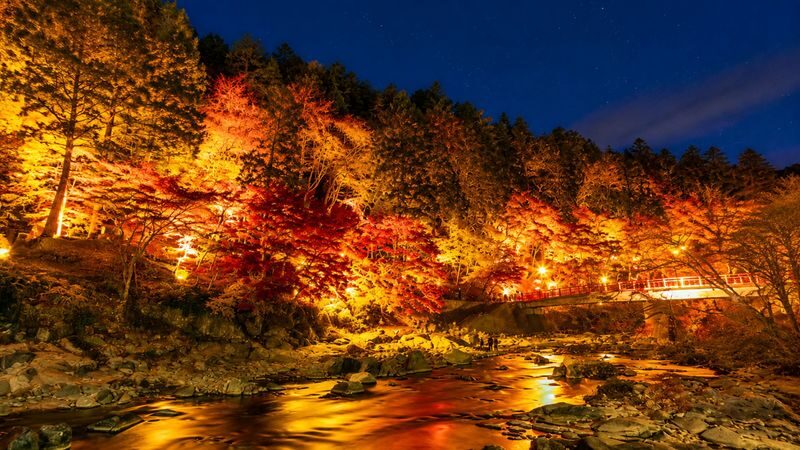
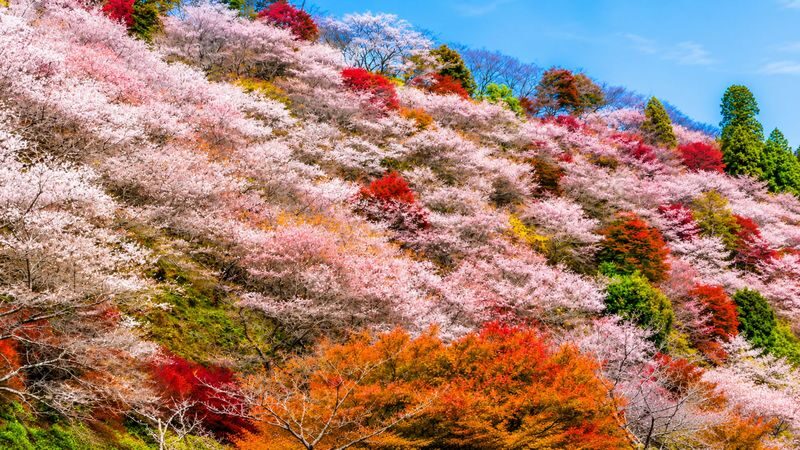
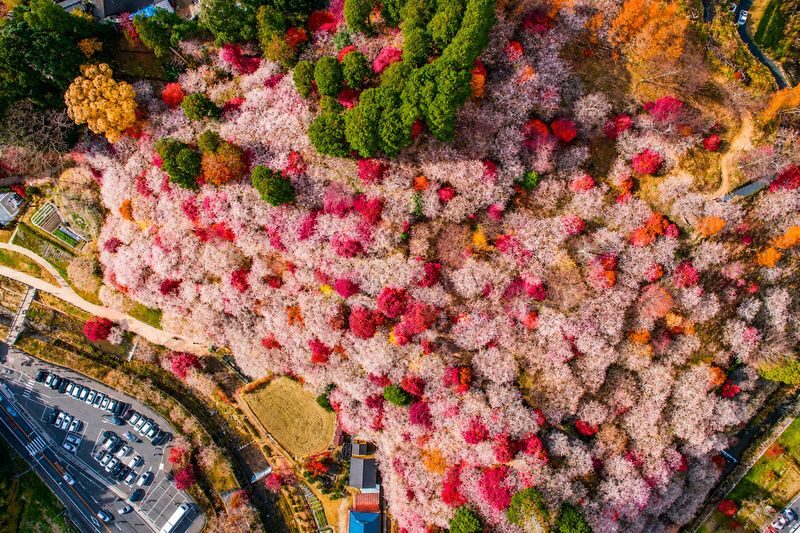
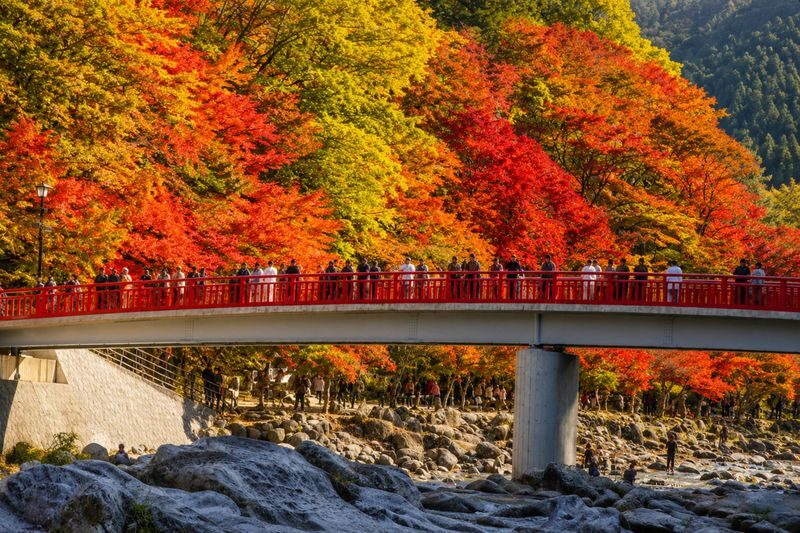
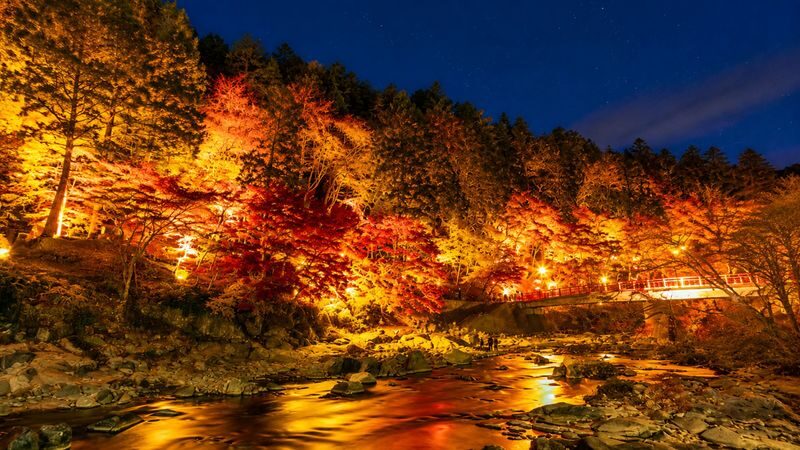
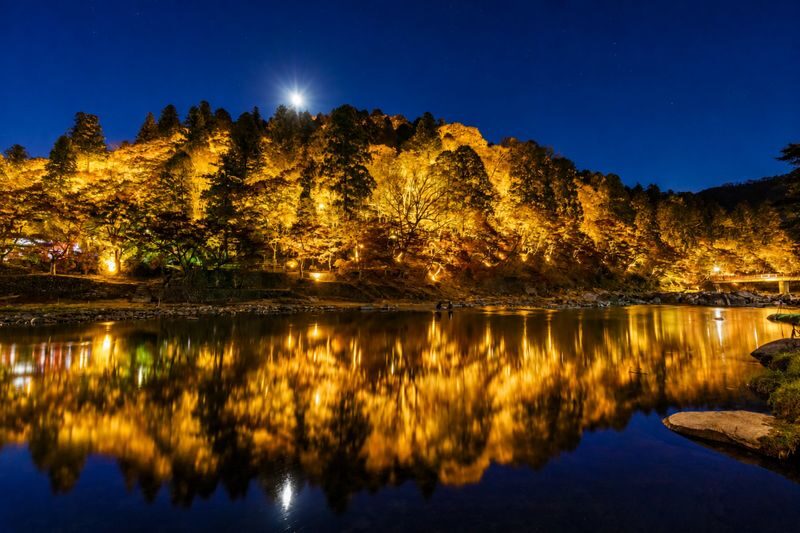
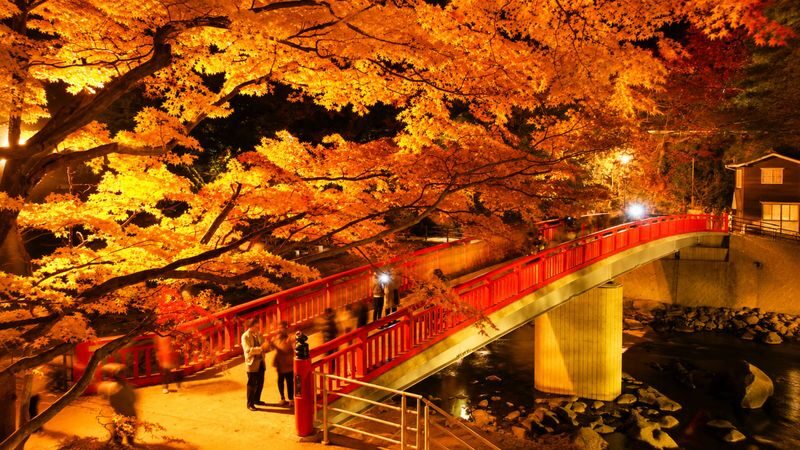
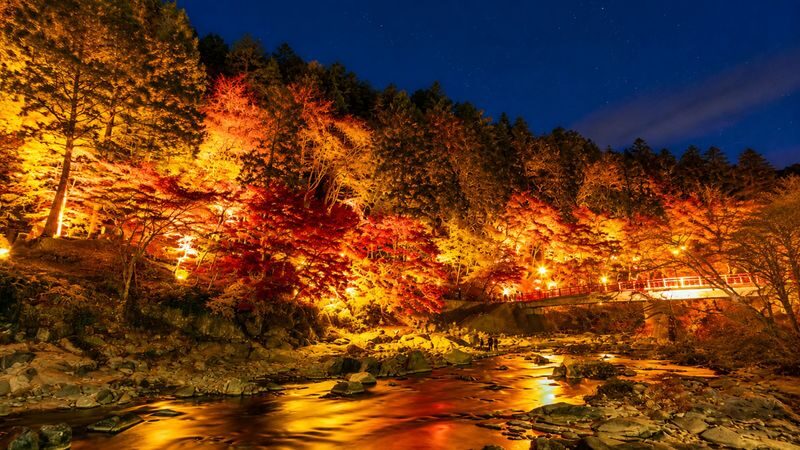
- Korankei’s autumn color: The gorge is the main event for many visitors, with maple scenery, riverside paths, food stalls, and, on some schedules, evening lights.
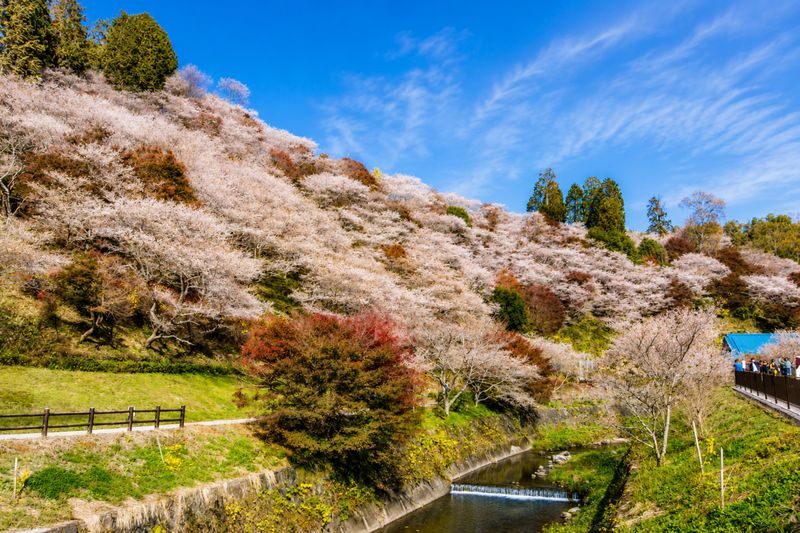
- Shikizakura in Obara: This stop offers the rare chance to see cherry blossoms during the autumn leaf season. Bloom conditions vary from year to year.
- Useful time at the main sights: A recent itinerary allowed about 50 minutes in Obara and 2.5 hours at Korankei. Treat these as examples, not fixed promises.
- A temple stop on the route: Kokeizan Eiho Temple adds a quieter, more traditional pause to a day centered on seasonal scenery.
- Less transport planning: The bus connects the sights, which saves you from working out how to reach each stop independently.
- A sensible price for a guided outing: Fares start at $71.99. The value depends on the schedule, guide language, and how much time you want at each site.

👉 See our pick of the 8 Best Workshops And Classes In Nagoya
Why pair cherry blossoms with autumn leaves?
Most visitors think of cherry blossoms as a spring sight. Obara’s shikizakura make the season less predictable in a pleasant way: you may find pale blossoms and fall color sharing the same visit. That contrast is the tour’s special reason to go, not simply an extra stop on a maple-leaf circuit.
The pairing is not guaranteed to look equally strong every year. Warm weather can delay the red leaves, and the cherry blossoms may not be at full bloom when you arrive. I’d book this for the chance to see two seasonal displays together, while keeping expectations flexible about how vivid either one will be.
That flexibility matters most if you have a particular photo in mind. A clear day can bring out more color, but cloudy weather and rain do not automatically spoil the outing. The trees are still there; the show just changes with the conditions.
You can also read our reviews of more tours and experiences in Nagoya


What to expect at Kokeizan Eiho Temple
Kokeizan Eiho Temple brings a change of pace from the parks and viewing paths. It is a chance to take in a temple setting and, depending on the visit, see an old ginkgo tree described as about 700 years old. That age gives the stop a sense of continuity in a day focused on a brief burst of seasonal color.
Think of this as a quieter interlude rather than the main attraction. The tour information does not specify how long you stay, so I would not plan on an extended temple visit. If temple architecture, old trees, or collecting goshuin stamps matters to you, bring your stamp book and check how much time is available once the day’s schedule is confirmed.
Obara’s shikizakura: a short stop with a rare payoff
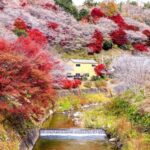
At Obara, the draw is the unusual mix of autumn leaves and shikizakura. A recent schedule gave this stop about 50 minutes, enough for a walk and photos if you keep moving, but not a leisurely visit if you like to pause often. The exact allocation can change.
I’d use the time to look beyond the first obvious photo spot. The appeal is the contrast between blossoms and fall color, and the way the two seasons seem to overlap. Still, go in knowing the blossoms may be sparse or past their best. This is a natural event, and no bus schedule can guarantee peak bloom.
For visitors who want to see both kinds of color in one trip, Obara makes the outing distinct from a standard maple-viewing tour. If your priority is a full cherry-blossom display, though, spring is the more dependable season for that experience.
Korankei Gorge: give the main event room
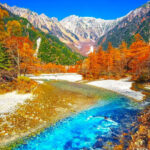
Korankei is the stop I would most want time for. A recent itinerary allowed about 2.5 hours here, considerably longer than the Obara visit. That gives you a better chance to walk, take photographs, browse the food stalls, and enjoy the place without treating it as a quick roadside stop.
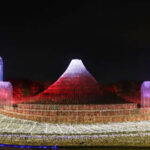
The gorge is known for its maple color, and the sight can change as the day moves toward evening. Some schedules include illumination after dark, which gives the trees a different look from daylight. Do not assume every departure includes the same lighting plan; confirm the current date and schedule before booking if evening views are a priority.
There is plenty to do at your own pace, but the time still has a limit. If you want to eat, take a longer walk, and visit several viewpoints, choose your priorities early. Food stalls make a convenient snack or meal stop, and you may find local treats worth trying rather than spending the whole break searching for a sit-down meal.
If you collect goshuin, keep your book handy in case temple or shrine opportunities are available along the way. The tour’s main value is scenery, but small personal interests like this can make the stops feel less like a checklist.
The bus makes an awkward route manageable
These sights are spread out, and the drive between attractions can take a little over an hour. A bus tour removes the need to coordinate separate transport legs, and it gives you a place to rest between walks. Comfort matters on a seasonal outing, especially when you are moving between several stops in one day.
The bus has been described as comfortable, and drivers have been praised for steady, careful driving. That does not mean there is no travel time: you should expect stretches on the road, not a string of attractions packed side by side. If you get motion-sensitive or simply prefer not to spend time in transit, that is worth weighing against the convenience.
The tour is marketed as a half-day experience, while seasonal outings and illumination schedules may run into the evening. Check the exact departure and return times for your chosen date rather than relying on the label alone. The supplied information does not give a fixed timetable.
Guide language and the pace of the day
Guides have included people named Lily and Xiao Liu. Lily has been noted for practical help with routes, photo spots, and food stalls; other guides have been described as friendly and helpful. These names are not a guarantee of who will lead your departure, so treat them as examples rather than a promised assignment.
Language is a more important question than guide personality. Some departures have had explanations in Japanese, English, and Mandarin, while English commentary has not always been equally clear or detailed. If you need a particular language, check what is offered for your date before booking. Clear instructions about meeting times and bus location matter even when the historical commentary is brief.
The tour suits people who value an organized route and direct guidance over complete independence. If you prefer to linger wherever you like, or want detailed interpretation at every stop, a private vehicle or self-planned visit may fit better. The group format gives you less control, but it also takes much of the transport puzzle off your hands.
Is $71.99 good value?
The listed starting price is $71.99. For that amount, the main value is not luxury or a private guide; it is the convenience of connecting several sights by bus, with a guide managing the group and timing. That can be worthwhile when you would otherwise need to piece together transport to destinations outside central Nagoya.
Value also depends on the season you catch. In strong bloom, you can see the reason for the trip in both Obara and Korankei. In a warm year, a rainy afternoon, or a late-season visit, one display may be less impressive than you hoped. The bus still saves planning time, but scenery is the part no operator can promise.
Check the current package details for the stops, time allocations, language, and whether evening illumination is included. The free-cancellation terms allow a full refund if you cancel at least 72 hours before the activity date, using the destination’s local time. In extreme weather or other unforeseen events, the operator may cancel, with a full refund available as an option.
Who should book this tour?
I’d consider this tour if you are staying around Nagoya, want to see both autumn foliage and shikizakura, and would rather not arrange transport to each stop yourself. It is also a good fit if you like having a guide handle meeting instructions and keep the day moving.
I’d hesitate if you need guaranteed peak color, want a long unhurried visit at every site, or require detailed English commentary without checking the language arrangements first. The outing is strongest when you treat it as a convenient seasonal sampler: Korankei gets the most time, Obara offers the unusual blossom-and-maple combination, and the temple adds a quieter stop.
Nagoya Korankei & Shikizakura Autumn Maple Leaf Half-Day Tour
“We shortlisted this tour amongst others as more time was allocated at Obara Park (50 mins) and Korankei Gorge (2.5 hours). The shikizakura and autu…”
FAQ
How much does the tour cost?
Prices start at $71.99. The final price may depend on the option and date you select.
Where does the tour take place?
The listed location is Toyota, Japan. The tour is named for Nagoya, Korankei, and shikizakura viewing.
Which places are included?
The named stops include Kokeizan Eiho Temple, Obara Shinki-Zakura, and Korankei Gorge. Check the schedule for your date for the exact route.
Is this a half-day tour?
It is marketed as a half-day tour. Exact start and finish times are not provided here, so check the date-specific timetable before booking.
How long do you get at Obara and Korankei?
One recent schedule allowed about 50 minutes at Obara Park and 2.5 hours at Korankei Gorge. These timings may vary by departure.
Can I see cherry blossoms and autumn leaves on the same tour?
That is the tour’s unusual seasonal draw. Shikizakura and autumn maples can be seen in the same outing, but bloom and leaf color vary with the season.
Does the tour include evening illumination?
Some schedules have included Korankei’s evening illumination. Confirm that it is part of the date you plan to book.
What languages do the guides speak?
Guide language arrangements vary. Some departures have included Japanese, English, and Mandarin, but English commentary has not always been equally clear. Check the language for your chosen date.
What is the cancellation policy?
You can receive a full refund if you cancel at least 72 hours before the activity date, using local destination time. If extreme weather or another unforeseen event causes the operator to cancel, you can request a full refund.