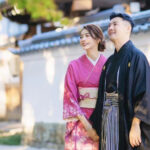
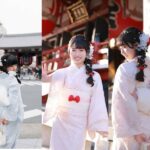
A kimono can change the feel of a Kyoto day: temple gates, stone lanes, and shrine paths become part of the occasion, not just the backdrop. I like this shop’s location by Kyoto Station and its large range of kimono styles, plus the option to add a licensed beautician’s hair set and unlimited hair ornaments.
The main trade-off is comfort. A kimono is more formal and restrictive than everyday clothes, and summer heat can make a long walk harder. You’ll also need to plan your day around returning to the shop by 5:30 pm.
- At a glance
- A quick start from Kyoto Station
- Choosing a kimono and getting dressed
- What the starting price does and does not cover
- Pick a route that suits the outfit
- Fushimi Inari’s red gates
- Kiyomizu-dera and the old lanes
- Yasaka Shrine and Gion
- Arashiyama’s Kimono Forest
- The comfort question
- Service, language, and the feel of the appointment
- Should you book Aiwafuku?
- FAQ
- How long does getting dressed take?
- Is hair styling included in every plan?
- What comes with the kimono rental?
- Can I store a large suitcase?
- When must I return the kimono?
- Can I return the kimono to a different Aiwafuku shop?
- Are yukata available?
- What languages can staff assist in?
- Is there an age or height rule for children?
- What happens if I arrive late?
- The Best Of Kyoto!
- More Shopping Tours in Kyoto
- More Tours in Kyoto
- More Tour Reviews in Kyoto
- Not for you? Here's more nearby things to do in Kyoto we have reviewed
At a glance
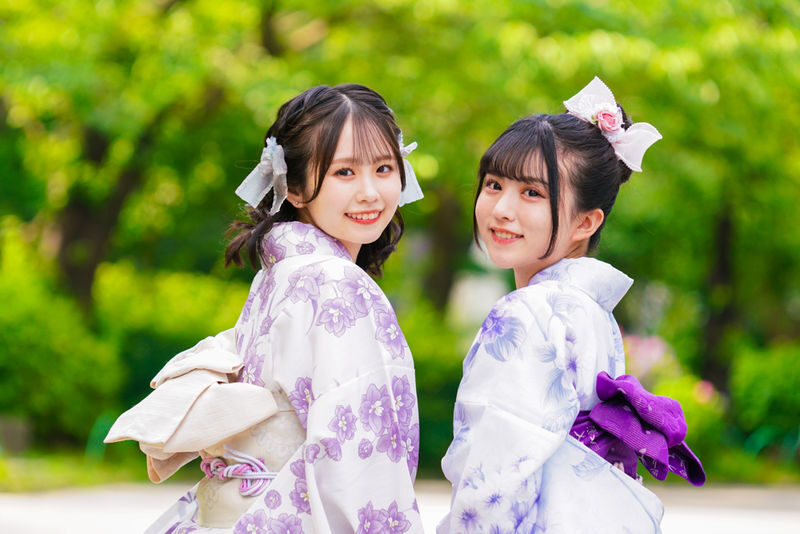 1 / 8
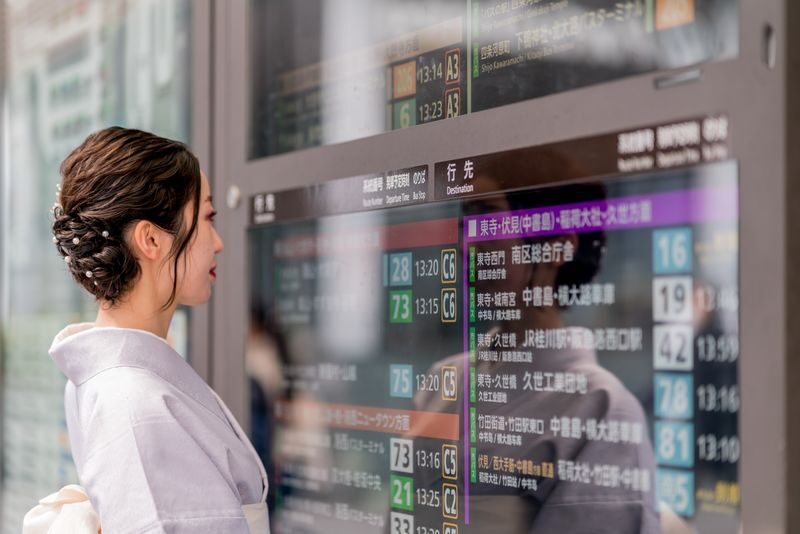 2 / 8
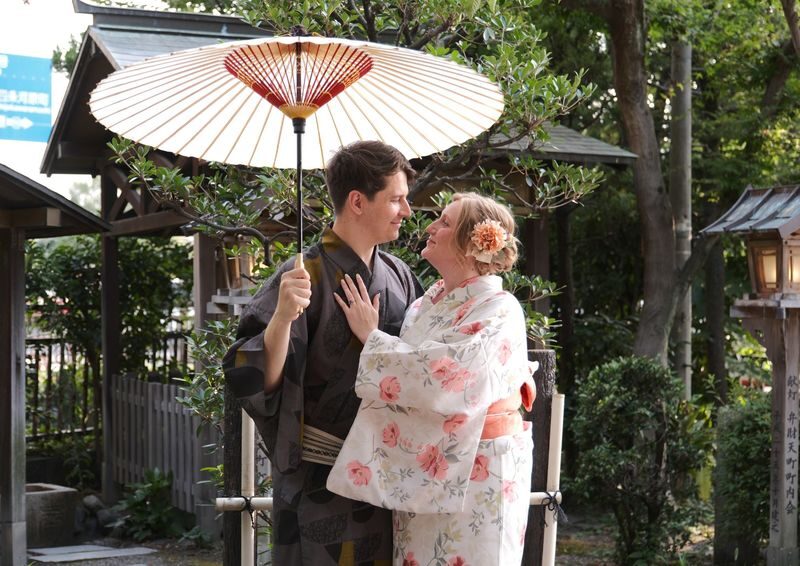 3 / 8
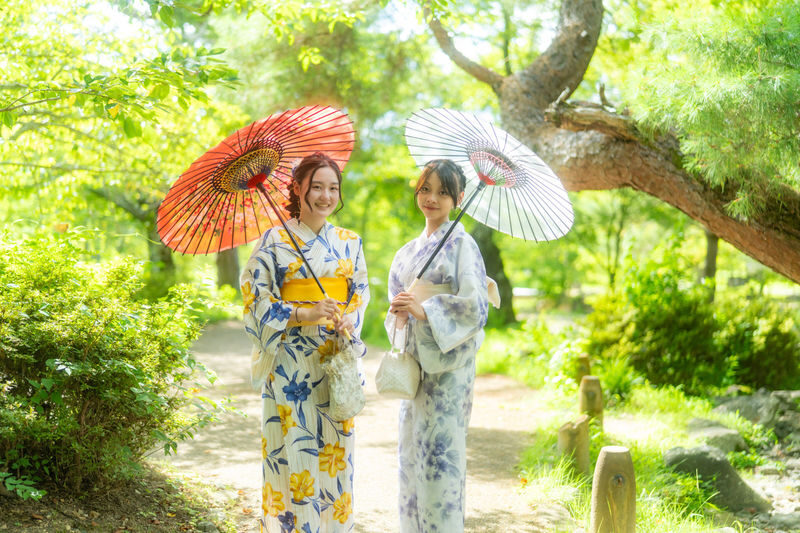 4 / 8
 5 / 8
 6 / 8
 7 / 8
 8 / 8
- Near Kyoto Station: The shop is on the sixth floor of the ON Building, across from the station area and close to the Kyoto Bus Terminal.
- About 40 minutes to get dressed: The usual breakdown is around 10 minutes to choose, 15 minutes to dress, and 15 minutes for hair styling when included.
- More than 600 kimono styles: The range includes classic, cute, and dressier options, with separate choices for men, children, and couples.
- You can go straight sightseeing: A bag, socks, and zori sandals are included, and the shop stores luggage, including large suitcases.
- Hair, makeup, and photography cost extra: Check your selected package carefully, as hair styling is not part of every plan.

👉 See our pick of the 25 Best Workshops And Classes In Kyoto
A quick start from Kyoto Station
Aiwafuku’s Kyoto Station Front Store is a practical choice if you arrive in Kyoto by train or bus and want to start sightseeing without crossing town first. The shop is at ON Building, 544-2 Higashishiokojicho, on the sixth floor. Look for the TOKAI ticket shop on the first floor to identify the building.
The location is described as a short walk from Kyoto Station and about a minute from the bus terminal. That matters once you’re dressed: buses from the terminal can take you toward Kiyomizu-dera and Gion, while JR trains offer a quick route to Fushimi Inari. Arashiyama is also reachable by train from the station.
This is a rental and dressing appointment, not a guided tour that escorts you between sights. You choose where to go and how long to stay, then bring the kimono back to the shop by 5:30 pm. The shop closes at 6:00 pm, so don’t leave the return until the last minute.
You can also read our reviews of more shopping tours in Kyoto


Choosing a kimono and getting dressed
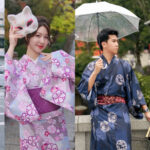
The basic process takes about 40 minutes: around 10 minutes to choose your outfit, 15 minutes to dress, and another 15 minutes for hair styling if your package includes it. Staff help with selection and matching the kimono with an obi, the sash that completes the look. The dressing is done professionally, with the aim of keeping the outfit secure through a day of walking.
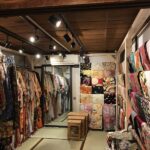
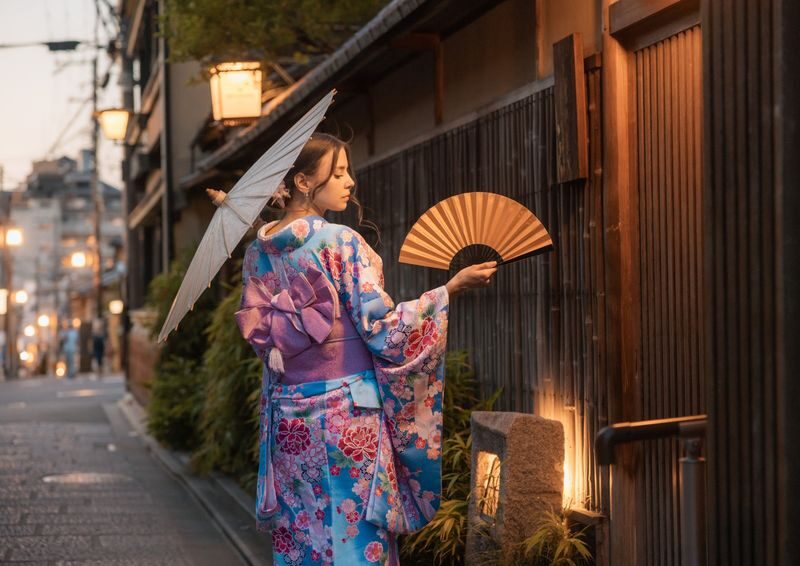
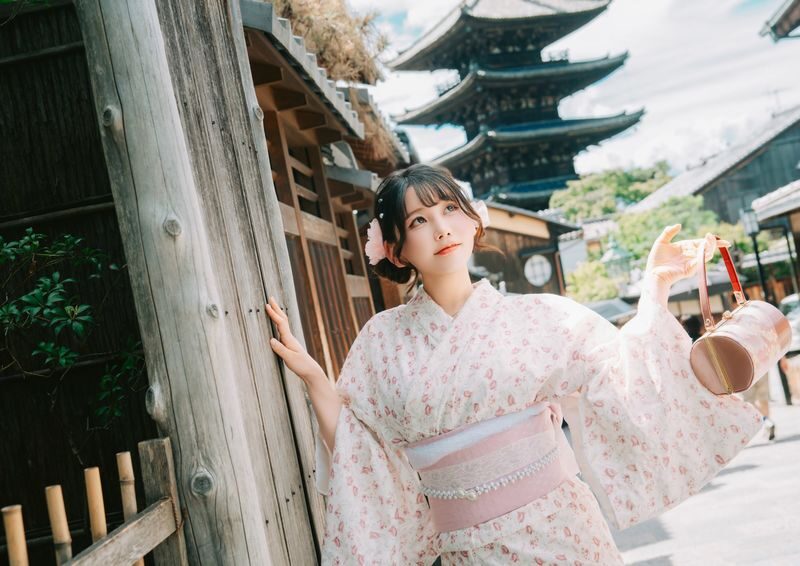
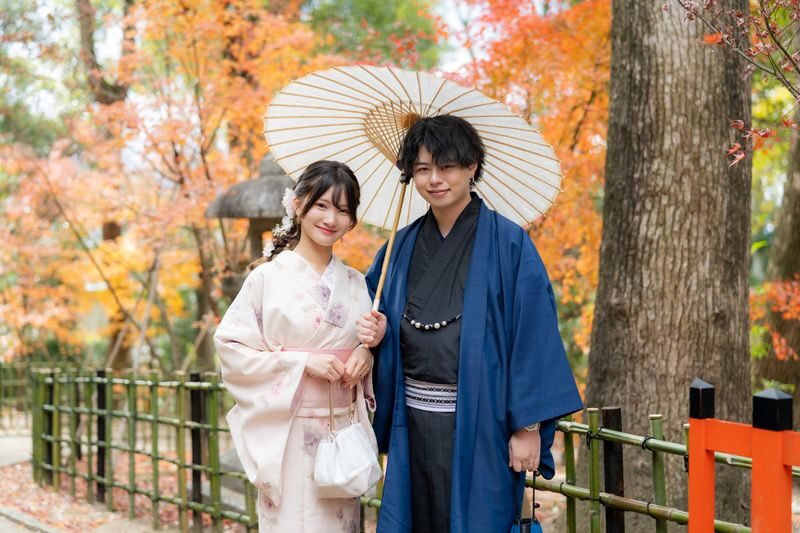
The shop describes its collection as more than 600 styles, from traditional designs to brighter, more playful looks. Men’s options include a range of sizes, and you can book women’s, men’s, children’s, couple, lace kimono, furisode, homongi, or men’s hakama packages. Yukata are available from mid-June through August.
A large overall collection does not guarantee that every design or size will be available when you arrive. A few customers found the choice more limited in person than they expected, particularly for children. If you have a specific look in mind, keep an open mind and ask staff for suggestions rather than counting on one exact design.
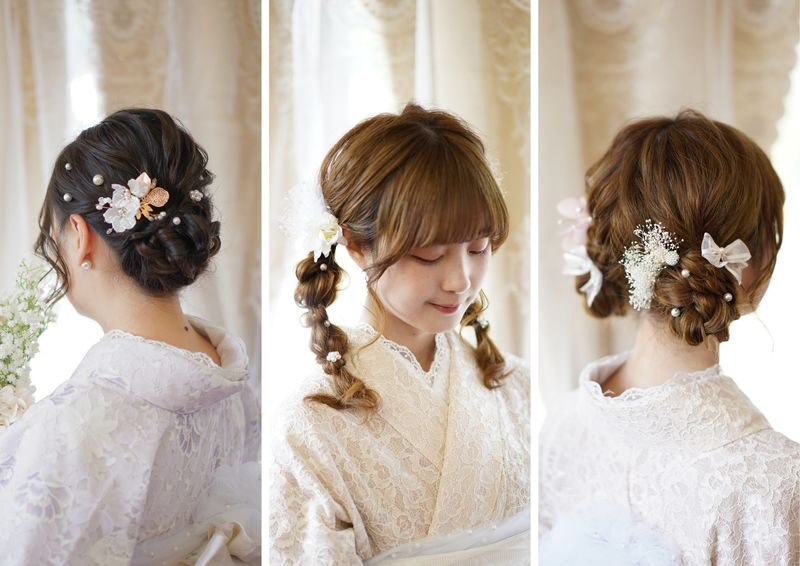
Hair styling is an important detail to check at booking. The plan is offered with or without it, and the no-hair option does not include either styling or hair ornaments. With the hair plan, a beautician with national qualifications handles the styling, and ornaments are available without a per-item limit.
What the starting price does and does not cover
Women’s kimono or yukata rental starts at US$15.80. Other listed starting prices include US$31.60 for men, US$25.29 for children, and US$51.95 for a couple. Prices vary by package, and the lowest starting rate should not be read as the cost of every option or combination.
The base rental includes the kimono, undergarment, obi and accessories, bag, socks, and sandals. Luggage storage is included, which is useful if you arrive with a suitcase or want to leave everyday clothes and bags behind. Keep valuables with you, as the shop asks customers not to leave them on its storage shelves.
Add-ons give you room to shape the outing, but they change the total. Japanese makeup starts at US$27.85, a professional location photo shoot at US$85.45, and return to another Aiwafuku shop at US$6.10. The photography plan includes a 30-minute shoot; the shop also promotes a 15-minute makeup plan. Confirm which services are bundled with your chosen package before booking.
For the price, I see the strongest value in the basics: a dressed outfit, accessories, sandals, luggage storage, and a convenient starting point. Hair styling can make the experience feel more complete, especially if you want polished photos, but it is an extra cost on some plans. If you’re comparing packages, check the hair option first so you know what you’re paying for.
Pick a route that suits the outfit
The suggested stops are independent sightseeing ideas, not a fixed sequence or a guided itinerary. You can choose one main area or link a couple of nearby sights, but remember that every bus ride, train connection, and photo stop takes time. A full day in a kimono can be memorable; it can also be tiring.
Fushimi Inari’s red gates
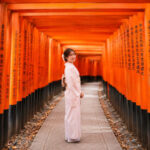
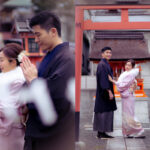
Fushimi Inari is about five minutes from Kyoto Station by JR train. Its rows of red torii gates make a vivid contrast with many kimono colors, and the shrine approach gives you an atmospheric place for photographs. It is a convenient first stop if you want to head out soon after dressing.
The shrine grounds are extensive, so decide how far you want to walk before setting off. The rental does not include a guide or transport, and the listed travel time is only the train ride, not your visit.
You can also read our reviews of more photography tours in Kyoto




Kiyomizu-dera and the old lanes
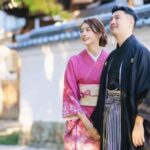
The bus terminal near the shop makes Kiyomizu-dera an appealing choice. The trip is described as about 15 minutes by bus, and the temple’s elevated stage is a major draw. The lanes of Ninenzaka and Sannenzaka, with stone paving, shops, and cafes, suit a slower walk and offer plenty of places to pause.
This is also a route where footwear and pace matter. Zori sandals are supplied, but you’ll be on your feet, and the approach includes walking between sights. Give yourself time rather than trying to squeeze the temple, the lanes, and another distant district into a rushed schedule.
Yasaka Shrine and Gion
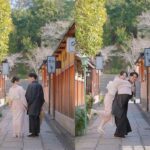
Yasaka Shrine and Gion offer a change of mood, with traditional townhouses, stone-paved streets, and the Hanamikoji area. The bus ride is listed at around 20 minutes from the terminal. A kimono fits naturally into this kind of street stroll, where the setting is as much a part of the day as the destination.
The appeal here is taking your time, not racing through a checklist. If your plan includes Kiyomizu-dera as well, check the bus routes and leave enough time to return to Kyoto Station before the deadline.
Arashiyama’s Kimono Forest
Arashiyama offers the bamboo grove, Togetsukyo Bridge, and the Kimono Forest, a display of colorful dyed panels. The train journey from JR Kyoto Station is given as about 15 minutes. The panels make a particularly fitting photo stop, while the bamboo path gives you a different setting from central Kyoto’s temple lanes.
Arashiyama is a separate area, so it may work best as the focus of your day rather than one stop among many. The route timings do not include time spent changing trains, walking, or taking photos. Keep the 5:30 pm return deadline in view when you choose how much to cover.
The comfort question
A kimono is not just a costume to put on for a quick picture. The layered outfit and tied sash create a more formal way of moving, and the experience is best when you’re comfortable walking at a measured pace. Staff dress customers professionally, but even a well-fitted outfit may feel warm or restrictive over a long day.
Summer calls for extra thought. Yukata rentals are offered from mid-June to August, and one family found the heat difficult for a child. If you’re visiting in hot weather, consider a shorter outing, take breaks, and choose a route that doesn’t demand hours of walking.
The shop can accommodate people with physical disabilities if they can stand for two to three minutes while the kimono is put on. Tell staff if you are pregnant, and take responsibility for monitoring your comfort. Children 140 centimeters tall and above are charged the adult rate.
Service, language, and the feel of the appointment
The business is run by a Japanese owner with four decades of experience in the kimono industry. Staff support is offered in Japanese, Chinese, and English, though the level of English communication may vary by person or shift. If you have a detailed request, showing a reference image or keeping your preferences simple may help.
The most consistently praised parts of the service are the friendly assistance, outfit-matching advice, and careful dressing and hairstyling. Customers describe staff helping them choose a kimono and coordinating it with an obi, then checking that they’re comfortable as the outfit goes on. The professional photographer option also includes posing guidance, which can help if you’re not used to being photographed in formal clothing.
The shop itself can feel small, especially if several appointments overlap. Arriving on time is wise, and arriving early does not guarantee an immediate start if the team is busy. If you’re more than 30 minutes late, the stated fee is ¥500 per person.
Aiwafuku operates six Kyoto shops, including locations near Kiyomizu, Arashiyama, Gion, and Fushimi Inari. You can pay extra to return the outfit to a different shop, or choose a next-day return option where available. That can be handy if your final stop is far from Kyoto Station, but check the fee and return arrangement before setting out.
Should you book Aiwafuku?
I’d consider this rental if you want a convenient Kyoto Station start, help getting dressed, and the freedom to choose your own sightseeing route. It makes particular sense for couples, first-time kimono wearers, and anyone arriving with luggage who would rather not carry it around. The option to add hair styling, makeup, or a photo shoot lets you decide how much of the day should center on the outfit.
I’d think twice if you dislike restrictive clothing, plan to walk long distances in hot weather, or want a fully guided tour with transport included. The rental is a good-value way to add a traditional look to a Kyoto day, but the day itself is yours to plan. Book the hair option you actually want, choose a manageable route, and leave time to return before 5:30 pm.
Kyoto Aiwafuku Kyoto Station Front Store | Perfect for free sightseeing – Kimono rental + Japanese-style hair set, makeup, and professional photography available as optional add-ons
“Great service! I got to wear the style I love, and it's great for taking photos. The location is excellent, right next to Kyoto Station, just acros…”
FAQ
How long does getting dressed take?
Allow about 40 minutes. The usual sequence is roughly 10 minutes to choose a kimono, 15 minutes for dressing, and 15 minutes for hair styling when that service is included.
Is hair styling included in every plan?
No. You can choose a plan with or without hair styling. The no-hair plan excludes both styling and hair ornaments, so check your selection before booking.
What comes with the kimono rental?
The rental includes a kimono, undergarment, obi and obi accessories, bag, socks, and sandals. Luggage storage is also available.
Can I store a large suitcase?
Yes. The shop offers free storage for large suitcases. Keep valuables with you.
When must I return the kimono?
Return it to the Kyoto Station shop by 5:30 pm. The shop closes at 6:00 pm.
Can I return the kimono to a different Aiwafuku shop?
Yes. Return to another Aiwafuku location is available as an optional service for an additional fee.
Are yukata available?
Yes. Yukata rentals are available from mid-June through August.
What languages can staff assist in?
Japanese, Chinese, and English support are listed. The shop notes that Chinese and English-speaking staff are on duty.
Is there an age or height rule for children?
Children who are 140 centimeters tall or above are charged the same rate as adults. The available children’s selection may depend on height.
What happens if I arrive late?
If you are more than 30 minutes late for your reservation, the stated change fee is ¥500 per person, payable at the shop.