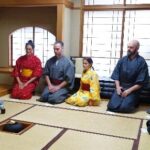
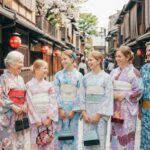
A kimono changes the pace of an Osaka day. At Wargo’s Shinsaibashi shop, a professional dresser gets you into traditional dress, then you can head out toward Dotonbori, Namba, or other city sights. The rental includes the main pieces, so you do not need to arrive with special clothing or footwear.
I like two things in particular: the professional dressing means you do not have to figure out the layers and sash alone, and the central location puts you within a five-minute walk of Dotonbori. You can also use Osaka as a base for a longer rail outing, with Kyoto and Nara reachable in about an hour by train.
The main catch is the price of extras. The starting rate is for the Standard plan, and some decorative items and services cost more. Depending on the time and season, you may also wait 30 to 90 minutes before dressing.
- The quick take
- Getting dressed at the Shinsaibashi shop
- What the Standard price covers
- Taking the kimono out into Osaka
- Choosing a kimono and setting expectations
- Who will get the most from this rental
- Should you book Wargo Shinsaibashi?
- FAQ
- What is included in the Standard plan?
- Where is the Wargo Shinsaibashi shop?
- How far is the shop from Dotonbori?
- How do I get to the shop by train?
- What time must I return the kimono?
- What optional items can I add?
- Who can take part?
- Can the shop dress customers who use wheelchairs?
- The Best Of Osaka!
- More Shopping Tours in Osaka
- More Tours in Osaka
- More Tour Reviews in Osaka
- Not for you? Here's more nearby things to do in Osaka we have reviewed
The quick take
 1 / 7
 2 / 7
 3 / 7
 4 / 7
 5 / 7
 6 / 7
 7 / 7
- Dotonbori is close: The shop is about a five-minute walk from this famous Osaka area.
- The basic outfit is supplied: Kimono, obi sash, bag, sandals, undergarments, tabi socks, accessories, and a hairpin are included.
- A dresser handles the layers: A professional staff member helps you wear the kimono properly.
- Extras can raise the bill: Hair styling, a haori jacket, a stole, and other options have separate prices.
- Plan around the return deadline: Return the rental by 6:00 pm, or by 3:00 pm the next day if you select next-day return.
- Expect a wait at busy times: The wait can reach 30 to 90 minutes, so avoid scheduling a tight follow-up plan.

👉 See our pick of the 24 Best Workshops And Classes In Osaka
Getting dressed at the Shinsaibashi shop
The meeting point is Wargo’s Shinsaibashi store on the third floor of the Shinoh Building, at 2-3-27 Shinsaibashisuji, Chuo-ku. It is a seven-minute walk from Shinsaibashi Station and six minutes from Namba Station. From there, Dotonbori is about five minutes away on foot, so you can get into costume without making a special trip across town.
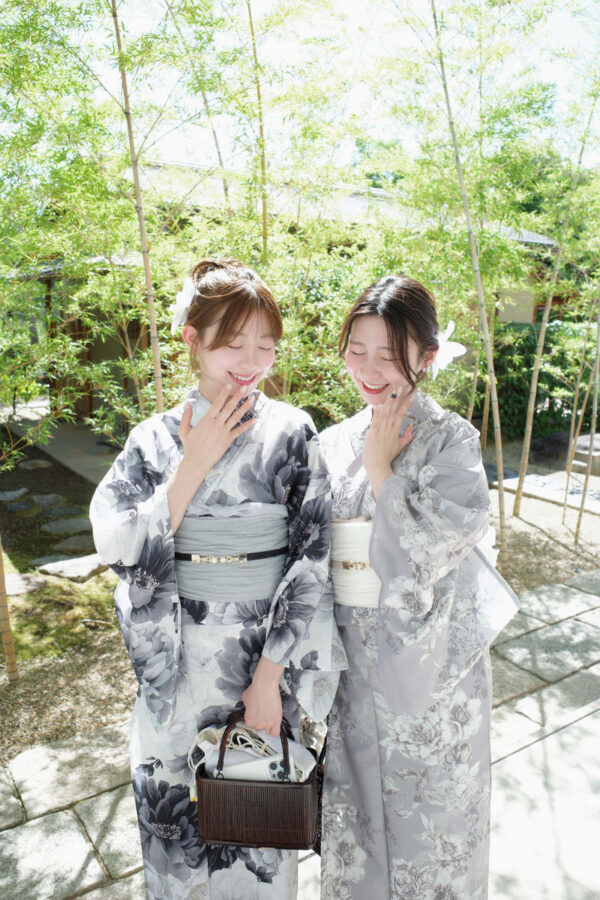
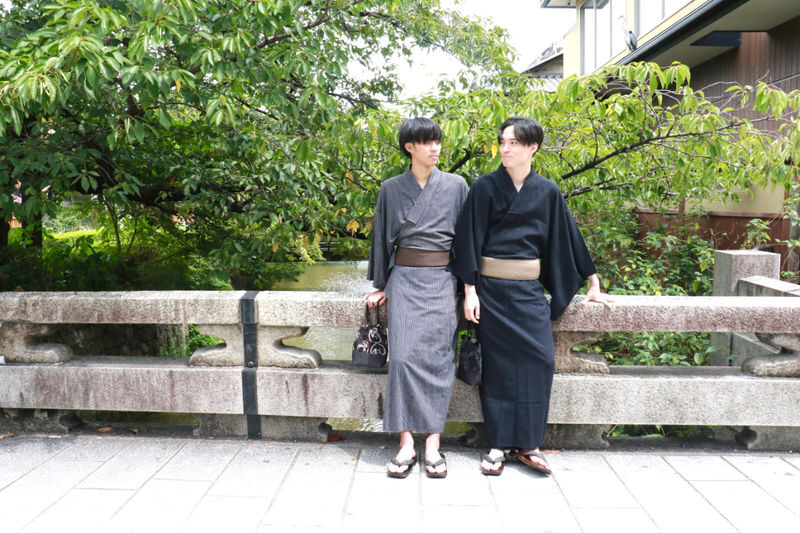
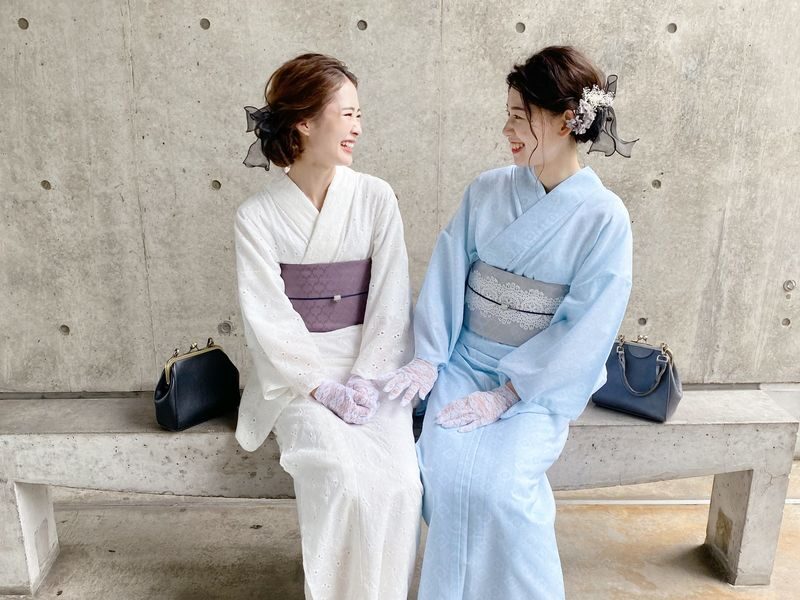
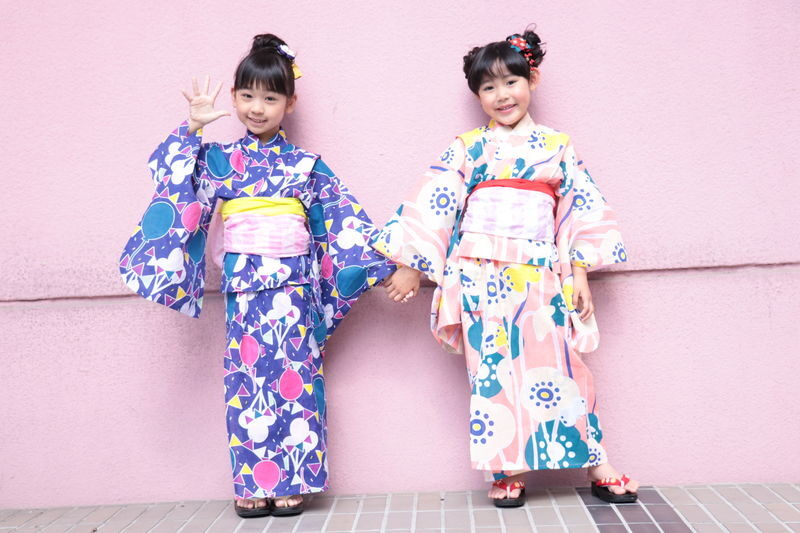
The Standard plan includes the kimono, obi sash, Japanese-style bag, zori sandals, undergarment, long undergarment, tabi socks, accessories, a hairpin, and the dressing fee. The useful part is not just having the clothes supplied. A professional dresser helps put everything on correctly, which can be difficult to manage by yourself if you have never worn a kimono.
You can expect to choose from the available kimono selection at the shop. Staff can offer advice on matching the kimono, obi, and accessories, though the range of choices and service languages may vary. Some staff members speak Chinese, but you should not count on English or Chinese being available throughout your visit. A few customers have described communicating mainly through gestures.
Arrive with time to spare. The shop warns that waits can run from 30 to 90 minutes, depending on the hour and season. That matters if you have a restaurant booking, timed attraction, or train to catch. An early appointment may also give you more choice among the available garments.
You can also read our reviews of more shopping tours in Osaka


What the Standard price covers
The Standard plan starts at US$27.85. That is a useful entry price for a full kimono rental with dressing, but it is important to understand what the price does and does not buy. The listed outfit covers the essentials. It does not guarantee that every decorative option or beauty service is included.
Optional extras include a Standard Hair Set for ¥1,100 per person, a Standard Haori for ¥550, a stole for ¥550, and an obidome with sanbu himo for ¥550. These additions can change the look of the outfit, but they can also add up. Ask the staff to confirm the cost of any item you choose before dressing begins, especially if you are trying to stay close to the advertised starting price.
A Deluxe plan is also available, starting at US$118.55. The supplied details do not spell out exactly how its contents differ from the Standard plan, so check the package inclusions before booking rather than assuming it covers particular accessories or services. If you want to control spending, the Standard plan gives you the basic outfit and lets you decide in person whether an extra is worth the cost.
The value is strongest if you want the full dressing experience and a convenient outfit for photos and sightseeing, not if you expect a low-cost rental to include every styling detail. The listed price includes tax, the rental items, accessories, the experience fee, and the kimono dressing fee. Personal expenses and tips are not included.
Taking the kimono out into Osaka
Once dressed, you can make the nearby sights part of the outing. Dotonbori is the easiest first stop, just a short walk away. Its canalside setting and busy streets make it a natural place for photos, while Namba is also close to the shop. Namba Parks, Tsutenkaku, and Osaka Castle are among the named sights associated with this rental, though the shop is not beside all of them. Plan transport and timing separately for any stop beyond the immediate Shinsaibashi and Dotonbori area.
The rental is a practical fit for a day built around walking and taking pictures. You have a Japanese-style bag for small personal items, along with the sandals and socks needed for the outfit. Still, a kimono is not the best choice for every activity. The shop cautions against getting the clothing dirty or going to dangerous places, so think twice before mixing the rental with activities that involve rough ground or a risk of stains.
You do not have to make the whole day about sightseeing. One useful feature is a photo backdrop in a corner of the shop, which lets you take pictures indoors before heading outside. That can be especially handy on a very hot summer day, or if you want a few posed photos without immediately entering crowded streets.
If you are planning to go beyond Osaka, Kyoto and Nara are both reachable within about an hour by train. That makes the rental a possible addition to a wider Kansai itinerary, but keep the return deadline in mind. You must return the kimono by 6:00 pm unless you select the next-day return service, which has a 3:00 pm deadline the following day.
Choosing a kimono and setting expectations
The look you get depends partly on what is included in your chosen plan and partly on the options you add. A few customers have found the Standard selection less appealing than expected and felt that accessories cost extra. That is a fair reason to inspect the available choices and ask about charges before committing to add-ons.
Other customers have valued the range of kimonos and the staff’s help with matching an outfit. The practical lesson is to arrive with an open mind, but not a blank budget. If a specific look matters to you, ask what the Standard plan includes and what the displayed garment or decoration would cost. The total may increase depending on your kimono choice and optional items, with extra charges payable in cash or by credit card at the shop.
The staff’s dressing help is one of the strongest reasons to rent here rather than try to assemble a look yourself. The process involves layers and a carefully tied obi, and proper dressing makes a difference to how the outfit sits. Be patient if you do not share a language with the staff. The service can still work through demonstration and gestures, but do not assume that detailed English explanations will be available.
The shop is on the third floor, and one practical detail is easy to overlook: there is no separate restroom in the shop. You will need to use facilities in a department store. It is sensible to take care of that before getting dressed, since using a restroom in a kimono may take more effort than it does in ordinary clothes.
Who will get the most from this rental
This is a good choice if you want a straightforward way to wear a kimono in Osaka and appreciate having a professional dresser handle the outfit. It suits couples, friends, and families looking for a shared activity, as long as everyone is comfortable with the added walking and the rental return time. Children aged 3 to 15 must come with a paying adult.
It is less suitable if you need wheelchair access or are pregnant, injured, or planning activities that could damage the clothes. The shop says it cannot provide dressing services to pregnant customers, people with injuries, or people using wheelchairs. Participants must be at least 3 and under 100 years old.
For a relaxed day, give yourself enough time for choosing, dressing, photos, and walking around. If you are visiting during a busy season or at a popular time of day, allow for the possible 30-to-90-minute wait. Also keep your voucher available on a phone or another internet-connected device. The shop needs to see it, and it may not load somewhere without Wi-Fi or mobile internet.
Cancellation is flexible up to a point: cancel at least 24 hours before the activity date, using local time, for a full refund. Late arrivals and no-shows are not eligible for a refund or amendment. Your voucher is valid only for the date and time specified.





Should you book Wargo Shinsaibashi?
Book this rental if you want a professionally dressed kimono, a central starting point near Dotonbori, and the freedom to shape the rest of your day yourself. Its best value is the convenience of having the outfit and dressing supplied together. Before you go, confirm what your selected plan includes, set a limit for optional extras, and leave room in your schedule for a wait.
Skip it if you need a wheelchair-accessible dressing service, cannot return by the deadline, or expect the starting price to cover every styling detail. For most visitors who want to add a traditional look to an Osaka day, the Standard plan is a sensible place to start, as long as you treat paid extras as choices rather than surprises.
Kimono Rental (Provided by Wargo Osaka Shinsaibashi Store)
“very accomodating and the place clean and easy to find the place”
FAQ
What is included in the Standard plan?
It includes the kimono, obi sash, sandals, Japanese-style bag, undergarment, long undergarment, tabi socks, accessories, a hairpin, tax, the experience fee, and the dressing fee.
Where is the Wargo Shinsaibashi shop?
It is on the third floor of the Shinoh Building, 2-3-27 Shinsaibashisuji, Chuo-ku, Osaka-shi, Osaka-fu 542-0085, Japan.
How far is the shop from Dotonbori?
The shop is about a five-minute walk from Dotonbori.
How do I get to the shop by train?
It is a seven-minute walk from Shinsaibashi Station and a six-minute walk from Namba Station.
What time must I return the kimono?
The final return time is 6:00 pm. If you use the next-day return service, you must return it by 3:00 pm the following day.
What optional items can I add?
Options include a Standard Hair Set for ¥1,100 per person, a Standard Haori for ¥550, a stole for ¥550, and an obidome with sanbu himo for ¥550.
Who can take part?
Participants must be aged 3 or older and under 100. Children aged 3 to 15 must be accompanied by a paying adult.
Can the shop dress customers who use wheelchairs?
No. The shop says it cannot provide kimono dressing services to customers using wheelchairs, pregnant customers, or people with injuries.