The surprise here is how much of the Kansai region fits into one day: you can meet Nara’s deer, stand beneath the Great Buddha, follow Kyoto’s red torii gates and finish among the old lanes below Kiyomizu-dera. A bus links the stops, saving you from piecing together several train journeys.
I like two things in particular: the route pairs famous sights with time on foot, and a guide can help you make sense of the temples and plan your limited free time. Guides named by past participants include Lully, Jin, Yuri and Choi In-tak, though you can’t request a particular guide. One caveat: the day is packed, so each stop is an introduction, not a slow visit.
- At a glance: the stops and trade-offs
- One day, three destinations, two route choices
- Nara Park: deer, temple grounds and a giant Buddha
- Uji’s matcha lanes, or Arashiyama’s riverside paths
- Fushimi Inari: a walk beneath the red gates
- Kiyomizu-dera and the lanes of old Kyoto
- What the guide and bus add
- Is .85 good value?
- Practical details that can save your morning
- Should you book this Kyoto and Nara day trip?
- FAQ
- Where does the tour depart from?
- What time does the tour return?
- What is the difference between Package A and Package B?
- Are attraction admission fees included?
- Is lunch provided?
- Which languages are available?
- Can I bring a stroller or luggage?
- The Best Of Kyoto!
- More Tours in Kyoto
- More Tour Reviews in Kyoto
- Not for you? Here's more nearby things to do in Kyoto we have reviewed
At a glance: the stops and trade-offs
 1 / 10
 2 / 10
 3 / 10
 4 / 10
 5 / 10
 6 / 10
 7 / 10
 8 / 10
 9 / 10
 10 / 10
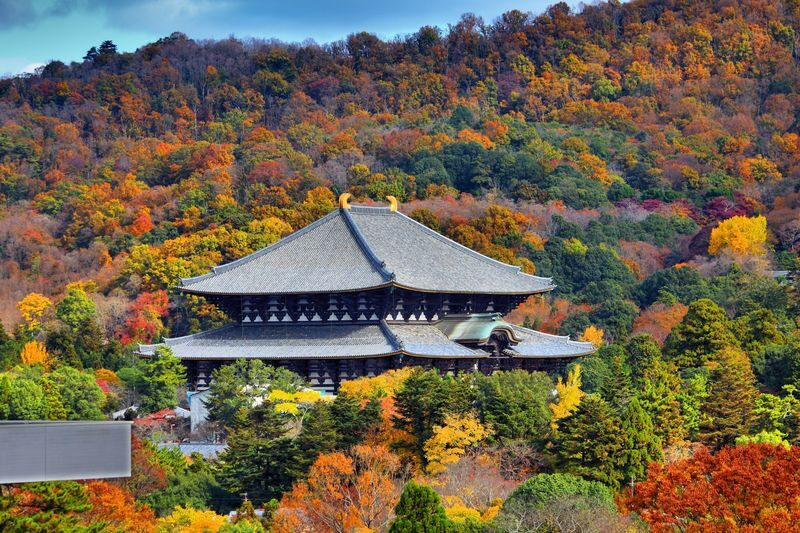
- Nara Park and Todai-ji: See the deer and the Great Buddha during a 90-minute stop, with freedom to choose how you use the time.
- Uji or Arashiyama: Package A includes Byodo-in and Uji’s matcha street. Package B features Arashiyama, with a different market or seasonal stop later.
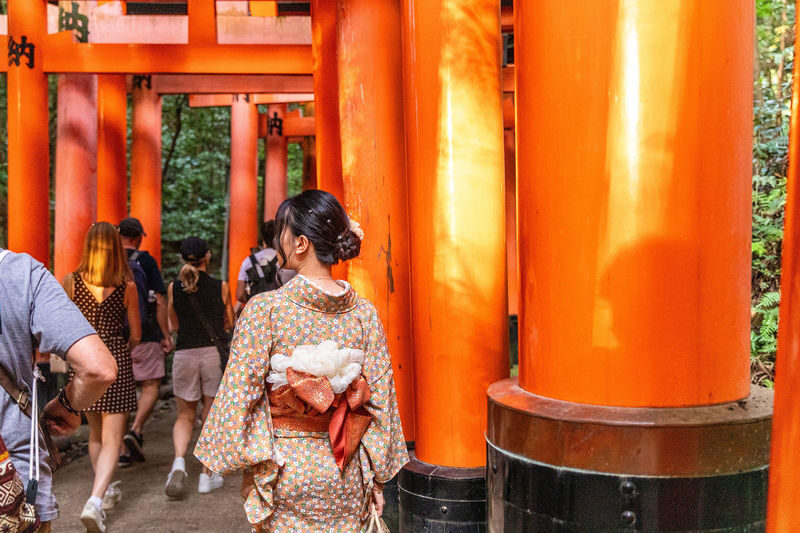
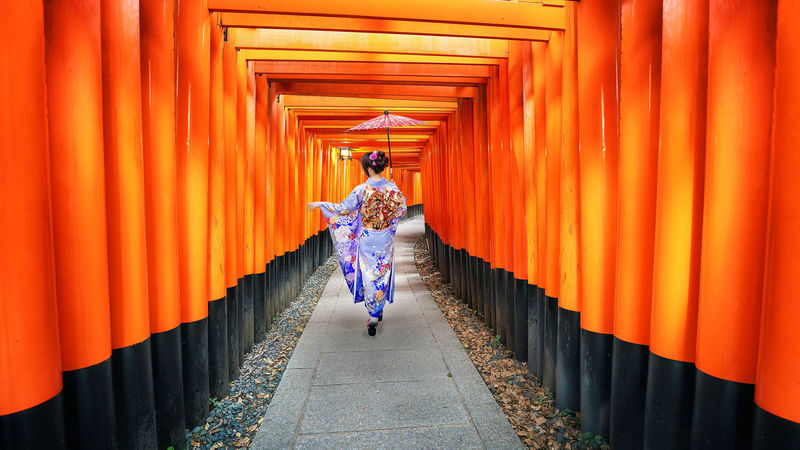
- Fushimi Inari: Walk beneath the shrine’s vermilion torii gates, with about 50 minutes on site.
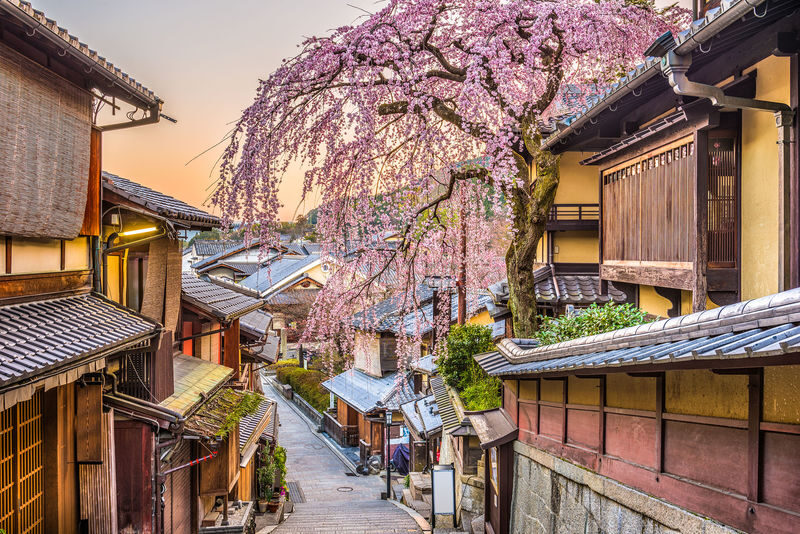
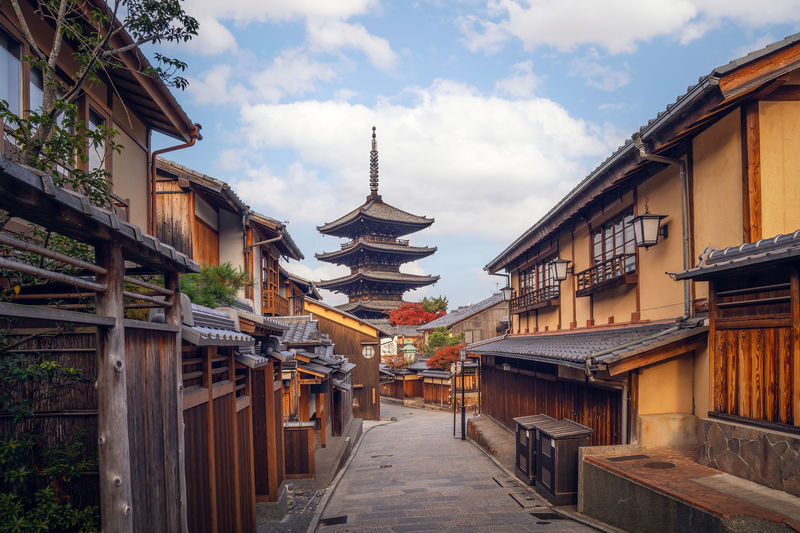
- Kiyomizu-dera and old Kyoto: Spend about 90 minutes at the temple and the Sannenzaka and Ninenzaka lanes.
- A practical Osaka departure: Round-trip transport and a guide are included, while meals, admission fees and personal expenses are extra.
- A full but brisk day: The tour runs about 10 hours. Expect a good deal of walking and less time at each stop than you’d have on your own.

👉 See our pick of the 25 Best Workshops And Classes In Kyoto
One day, three destinations, two route choices
This is a day trip from Osaka, not a tour that begins in central Kyoto. You meet at Tsurutontan Soemoncho at 8:00 a.m., then travel by vehicle between Nara, Uji or Arashiyama, and Kyoto. The listed return time is around 6:00 p.m. Traffic and weather can change the schedule, and the guide may adjust the route to keep within Japan’s 10-hour vehicle limit.
You choose between two packages. Package A follows Nara, Uji, Fushimi Inari and Kiyomizu-dera. At Uji, you visit Byodo-in and its approach street, where matcha shops and sweets make a natural lunch stop. Package B includes Arashiyama instead of Uji, with bamboo paths, Nonomiya Shrine and Togetsukyo Bridge on the described route. Nishiki Market is part of the package description, though the stop order and details may vary.
The seasonal schedule matters. During cherry blossom season, from late March to early April, Package B replaces Nishiki Market with Maruyama Park and changes the order of stops. Check the route for your date before booking, especially if one particular place is the reason you’re going.
Both packages include Nara Park, Todai-ji, Fushimi Inari and Kiyomizu-dera. The tour is offered with English-, Chinese- and Korean-speaking guide options. The listed starting price is $44.85, but admission fees, meals and drinks are not included, so the final cost will be higher if you enter every paid site and buy lunch.
You can also read our reviews of more tours and experiences in Kyoto.

Nara Park: deer, temple grounds and a giant Buddha
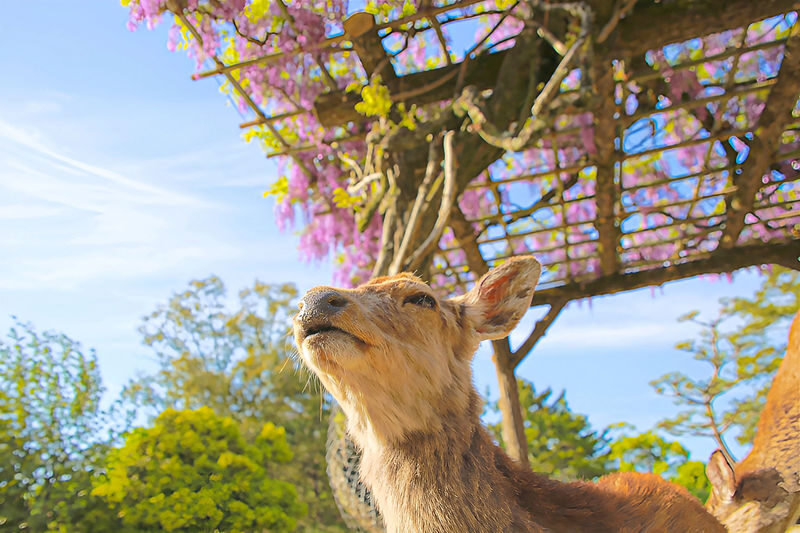
The day begins with about 90 minutes in Nara, where you choose how to spend your time among Nara Park, Kasuga Taisha, Todai-ji and, depending on the schedule, Wakakusayama. The flexibility is useful, but it also means you’ll need to decide quickly. Ask your guide which route best fits your interests and the time available.
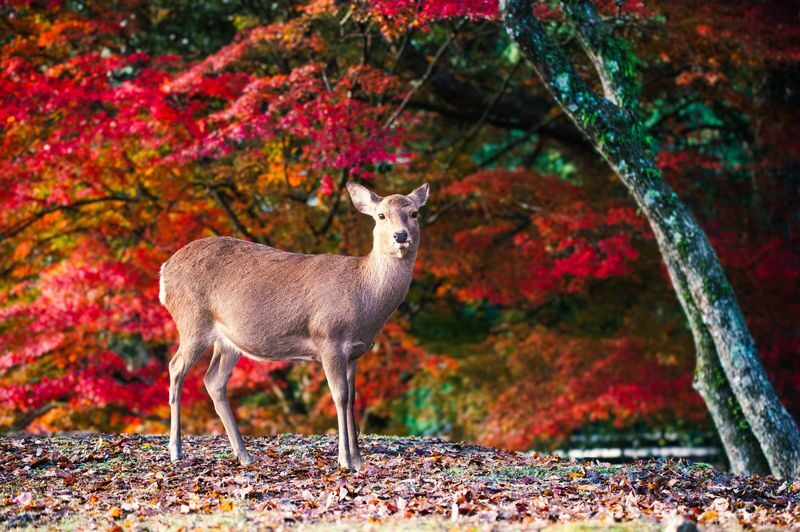
The deer are the lively part of the stop. They roam through the park, and their presence makes the approach to the temples feel very different from a formal shrine visit. Keep your attention on the route and the clock: a short stop can disappear quickly if you linger with the animals.
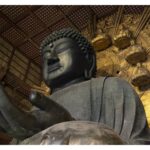
Todai-ji is the main reason many people head to Nara. The Great Buddha is housed in a vast wooden temple building, and its scale makes an impression even if you have seen photographs. Admission is not included, so budget for the entrance fee if you plan to go inside. If you prefer the park and temple surroundings, you can use your free time there instead.
The time limit is real. Some participants have found the Nara stop too brief, while others have used the guide’s route suggestions to fit in the sights they cared about most. If you’re travelling with older relatives, families have found the day manageable, but it involves walking and moving at a group pace. Let the guide know early if you need a gentler route.
Uji’s matcha lanes, or Arashiyama’s riverside paths
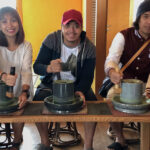
Package A takes you to Uji for about 90 minutes. Byodo-in, a UNESCO-listed temple, is the anchor of the stop, while Byodo-in Omotesando offers a chance to sample Uji’s famous green tea in sweets, drinks or lunch dishes. Meals are at your own expense, and there is no included lunch.
This is a pleasant contrast to the larger temple sites. You can see a landmark, then spend some time browsing and eating rather than moving straight from one shrine to the next. A matcha latte or dessert makes a handy treat, but don’t count on a long, leisurely meal. With only 90 minutes, you’ll want to choose between a temple visit, a proper lunch and a few shop stops rather than try to do everything.
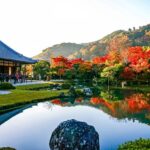
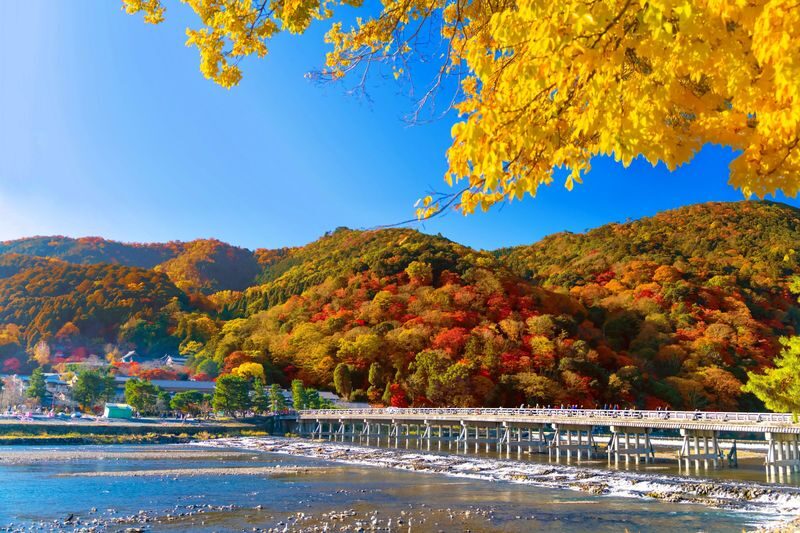
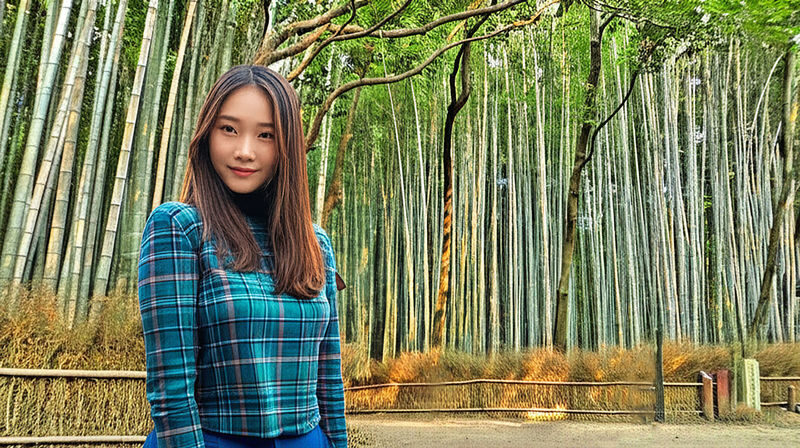
Package B substitutes Arashiyama, where the described route includes the Bamboo Forest, Nonomiya Shrine and Togetsukyo Bridge. It gives you a different kind of Kyoto experience, with paths and river scenery instead of Uji’s tea culture. The stop is also about 90 minutes in the seasonal schedule, which calls for a brisk walk if you want to see more than one area.
There is no single right choice. Pick Uji if matcha, Byodo-in and a compact town stop appeal to you. Pick Arashiyama if bamboo paths and a bridge-side stroll sound more enticing. In either case, treat the stop as a sampler. The tour moves on.
Fushimi Inari: a walk beneath the red gates
Fushimi Inari Taisha gets about 50 minutes. The shrine is famous for its long corridors of vermilion torii gates, which create one of Kyoto’s most striking walks. You can take photographs, follow the path uphill for a short stretch and get a feel for the shrine grounds.
Fifty minutes is enough for a taste, not a full mountain hike. The gates continue far beyond the area you can cover during this stop, so don’t set out expecting to walk the entire route. If you want to climb higher, ask the guide where to turn back and make sure you return to the meeting point on time.
The path can be crowded, particularly during busy travel periods. A quick photo may take patience, and the pace can feel stop-start. Still, this is one of the tour’s most memorable visual stops, and the short visit gives you a clear sense of why the shrine draws so many people.
Kiyomizu-dera and the lanes of old Kyoto
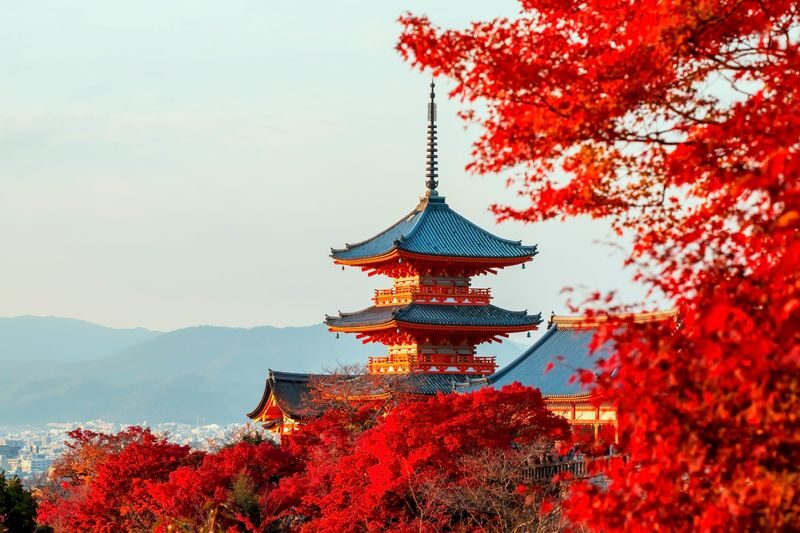
The final major stop lasts about 90 minutes and combines Kiyomizu-dera with the sloping streets of Ninenzaka and Sannenzaka. The temple’s position gives you broad views across Kyoto, while the old lanes below are lined with shops and places to pause for a snack or browse.
This is a satisfying finale, but it is also where the time limit may pinch. There is plenty to look at between the temple and the lanes, and the route includes hills and stone streets. Wear comfortable shoes, keep an eye on the return time and choose what matters most: the temple, shopping, a drink, or simply walking through the historic district.
The famous Starbucks in Ninenzaka is a distinctive stop for a matcha drink, but it is one option among many. If you want to visit, allow for a possible queue and don’t let it crowd out the temple itself. The tour’s appeal is the combination: a major religious site followed by streets where Kyoto’s older scale and texture are easier to appreciate.



What the guide and bus add
A bus tour’s main advantage is logistics. Kyoto and Nara are close enough to combine, but reaching several separate sites by public transport takes planning and eats into the day. Here, round-trip transfers handle the long connections, while a guide helps you understand the stops and find a sensible route during free time.
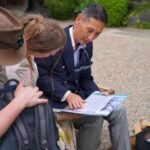
The guide’s role can make a big difference. Past tour dates have had guides including Lully, Jin, Yuri and Choi In-tak, among others; the person assigned to your departure can vary. Participants have particularly valued clear explanations, help with lunch choices, photo assistance and practical care when the weather turns. These are useful extras when you have only a short window at each place, but they are not a guarantee of a specific guide or an individual tour.
Group size also varies. The vehicle can carry up to 42 passengers, excluding the driver, but some departures have been much smaller. You may be with people speaking other languages, and the operator may divide the group by language. Be ready to follow the guide’s instructions and meet back at the bus promptly. Delays by other members of the group can affect everyone’s time.
Is $44.85 good value?
At a starting price of $44.85, the tour can be a strong deal if your priority is reaching several headline sights in one day without arranging transport yourself. The value comes from the route and transfers, plus a guide who can help you use your free time well. For a first visit based in Osaka, that convenience can outweigh the cost of arranging multiple train and local transit connections.
The starting price does not cover everything. Admission fees, meals, drinks, insurance and personal spending are excluded. Add those costs before comparing the tour with an independent day. You also pay with flexibility: you can’t stay longer at a temple or linger over lunch if the group is due to move on.
This is not the best choice if you want deep visits, long meals or time to wander without watching the clock. It is better understood as a guided overview: four distinct areas, a few iconic sights and enough time to decide what deserves a return visit.
Practical details that can save your morning
Arrive at Tsurutontan Soemoncho at least 10 minutes before the 8:00 a.m. departure and look for the TOURSTORY flag. Late arrivals and no-shows are not refundable. The listed return is to Tsurutontan Soemoncho at about 6:00 p.m.; Kiyomizu-dera is an attraction, not the Osaka meeting point.
You’ll receive a mobile voucher, and confirmation is usually issued within minutes. The operator sends a reminder email the day before, between 3:00 and 5:00 p.m., with a link to a group chat. Check your spam folder if it does not arrive. Changes are allowed until 24 hours before departure under the stated conditions, and cancellation at least 24 hours ahead qualifies for a full refund. Severe weather or other unforeseen events may lead the operator to cancel.
The activity is described as stroller-friendly but not wheelchair-accessible. If you need to bring a stroller or luggage, contact the operator in advance because space depends on the vehicle assigned that day. Children aged 0 to 2 can join free if they do not need a separate seat. Bring your own travel insurance if you want it; transport during the tour is covered by damage insurance.
Should you book this Kyoto and Nara day trip?
Book it if you’re staying in Osaka, have one free day and want to see Nara and Kyoto’s headline sights without managing several connections. Package A suits you if Uji’s tea culture and Byodo-in appeal. Package B is the better fit if you’d rather see Arashiyama, and you should check the seasonal route if you’re visiting during cherry blossom time.
Skip it if your ideal day means lingering at temples, climbing far up Fushimi Inari or taking a long lunch. The schedule is efficient, not unhurried. For a first Kansai visit, though, the combination of deer, the Great Buddha, red torii gates and Kyoto’s old lanes makes this a practical way to get your bearings and choose where to return.
Best of Kyoto & Nara: Kiyomizudera, Nara Park, Todaiji & Much More
“The tour guides are very fluent in multiple languages. The bus was divided into a Korean-speaking group and a Chinese/English-speaking group, with…”
FAQ
Where does the tour depart from?
It departs from Tsurutontan Soemoncho in Osaka at 8:00 a.m. Look for the TOURSTORY flag and arrive 10 minutes early.
What time does the tour return?
The scheduled return is around 6:00 p.m. at Tsurutontan Soemoncho. Traffic, weather and on-site conditions can change the timing.
What is the difference between Package A and Package B?
Package A includes Uji, Byodo-in and the matcha street. Package B includes Arashiyama, with bamboo paths, Nonomiya Shrine and Togetsukyo Bridge on the described route. Its market stop can vary by season.
Are attraction admission fees included?
No. Admission fees and activity charges are not included. Meals, drinks, insurance and personal expenses are also at your own cost.
Is lunch provided?
No. Meals are not included. Package A has free time in Uji for lunch at your own expense.
Which languages are available?
The packages are offered with English-, Chinese- and Korean-speaking guide options. The group may include people speaking other languages.
Can I bring a stroller or luggage?
The activity is described as stroller-friendly, but vehicle space varies. Contact the tour operator in advance to ask about bringing a stroller or luggage.