Rice flour takes center stage in this three-hour Osaka-area cooking class: you’ll make gluten-free ramen noodles and gyoza wrappers from scratch, then cook two ramen styles. I like the useful skill set, especially learning a dumpling wrapper that can work for gluten-free cooking at home, and the chance to try tomato ramen, a less familiar take on the Japanese staple.
The class is led by Yuki, who provides hands-on instruction and time for questions about technique and ingredients. One practical consideration: the class is in Higashi-osaka, not central Osaka, and involves a train ride plus a walk from Nukata Station. Also, the class accommodates gluten intolerance, but the details provided do not confirm separate allergy or celiac-safe procedures.
- What makes this class worth your time
- From rice flour to ramen noodles
- Two ramen recipes, one classic and one unusual
- Folding gyoza, then eating the results
- Yuki’s teaching and the pace of the session
- Getting to 4-19 Nukatacho
- What the price covers
- Should you book this cooking class?
- FAQ
- Where does the class take place?
- How long is the cooking class?
- How do I get to the class by train?
- What will I cook?
- Does the class accommodate gluten intolerance?
- Is there a sake option?
- The Best Of Osaka!
- More Cooking Classes in Osaka
- More Tours in Osaka
- More Tour Reviews in Osaka
- Not for you? Here's more nearby things to do in Osaka we have reviewed
What makes this class worth your time
 1 / 8
 2 / 8
 3 / 8
 4 / 8
 5 / 8
 6 / 8
 7 / 8
 8 / 8
- Rice-flour dough from scratch: Make both ramen noodles and gyoza wrappers, rather than simply watching a chef prepare them.
- Two bowls to compare: Learn classic soy sauce ramen and a modern tomato version that is less common in Japan.
- Gyoza made by hand: Shape and fold your own dumplings, then cook them until crisp.
- A small, guided format: Yuki leads the class in English and offers close instruction, with time for practical cooking questions.
- A meal as well as a lesson: Eat the ramen and gyoza you make, with an optional sake-pairing package.
- A clear trip from Osaka: Take the Kintetsu Nara Line to Nukata Station, then walk about 10 minutes to the class.
👉 See our pick of the 24 Best Workshops And Classes In Osaka
From rice flour to ramen noodles
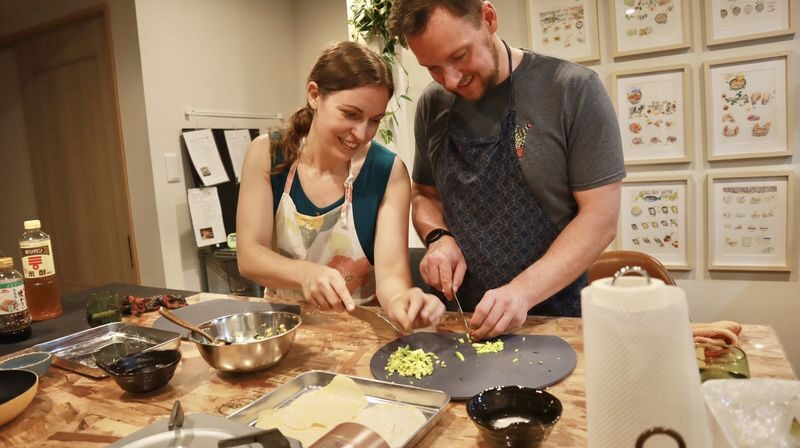
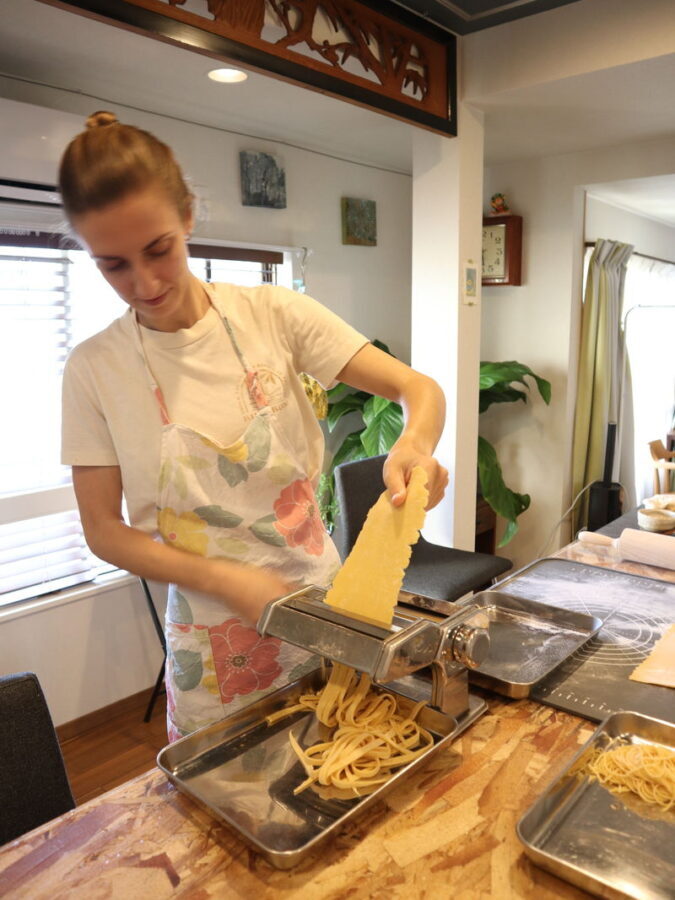
The heart of the class is a hands-on lesson in making noodles with rice flour. That matters if you want to understand gluten-free Japanese cooking beyond a menu label. You work with the dough and turn it into ramen noodles yourself, building a skill you can try again at home.
You’ll also make gyoza wrappers from rice flour. For anyone who has struggled to find dumplings that suit a gluten-free diet, this is a particularly practical part of the session. The class is designed to accommodate gluten intolerance, and the wrapper lesson gives you a way to approach a dish that often depends on wheat flour.
There is a useful distinction to keep in mind: the experience information confirms accommodation for gluten intolerance, but does not spell out procedures for celiac disease, allergies, or preventing cross-contact. If those details affect your safety, ask the provider directly before booking. That is a sensible check for any cooking class involving shared ingredients and kitchen tools.
Making dough is also a good way to learn. You can ask about technique, product types, and general cooking questions as you work, rather than trying to remember instructions from a demonstration. Yuki is described as patient and ready to answer detailed questions, which should suit both confident home cooks and people who rarely make dough from scratch.
You can also read our reviews of more cooking classes in Osaka


Two ramen recipes, one classic and one unusual
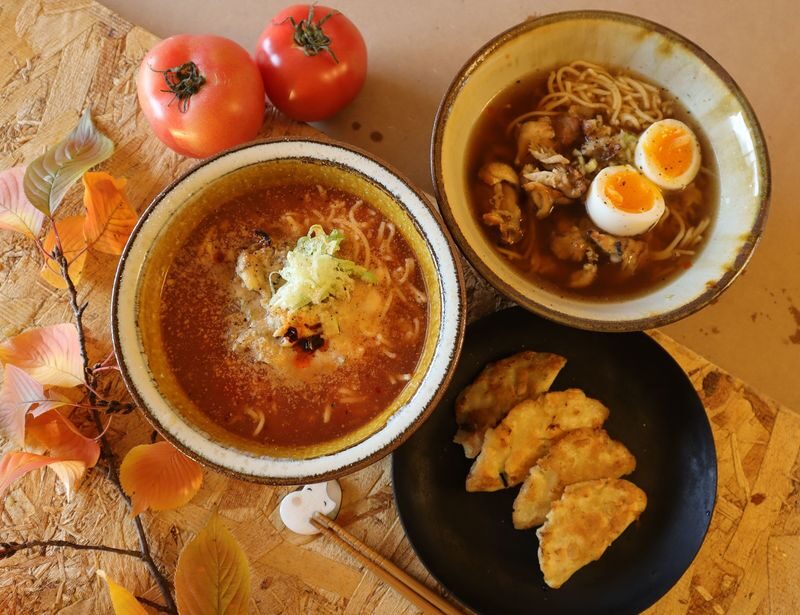
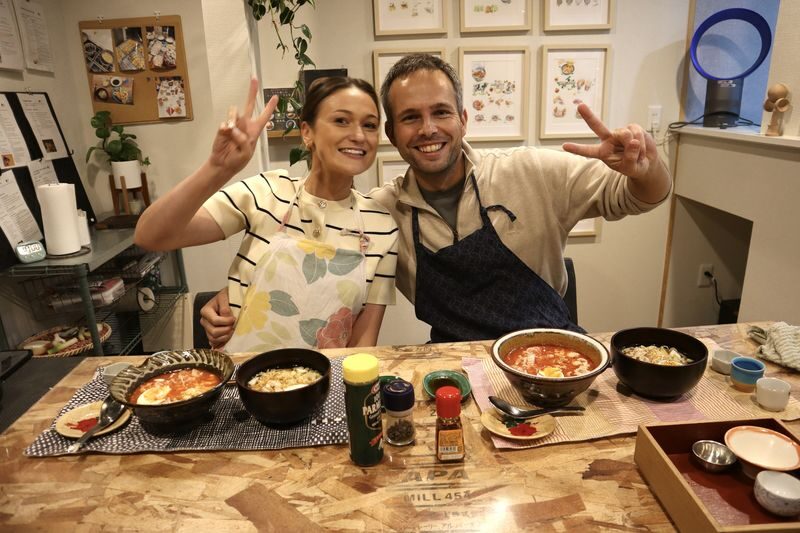
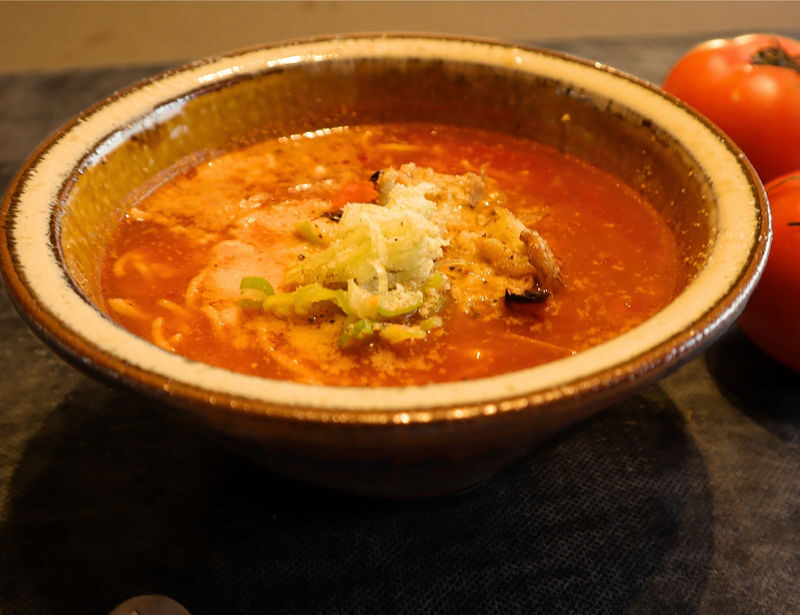
The class includes two ramen recipes: soy sauce ramen and tomato ramen. Soy sauce ramen gives you a familiar starting point, with the appeal of a well-loved Japanese style. The tomato version adds a less common twist. It is described as a rare recipe, so this is more than a standard ramen lesson repeated in a different kitchen.
That contrast makes the meal more interesting. You can learn one style rooted in a familiar ramen tradition, then compare it with a modern, refreshing tomato-based bowl. One participant particularly liked the tomato ramen, so if you are curious about less typical Japanese dishes, keep an open mind and make sure you try both.
The class is about cooking, not just tasting. You’ll prepare the noodles and learn how they fit into each recipe, then sit down to eat the dishes you’ve made. The chance to handle the ingredients yourself helps turn a meal into a lesson you can use later.
Still, the available details do not list every ingredient or explain how the two broths are prepared. If you have dietary restrictions beyond gluten intolerance, ask about the recipes in advance rather than assuming that every ingredient will suit you.
Folding gyoza, then eating the results
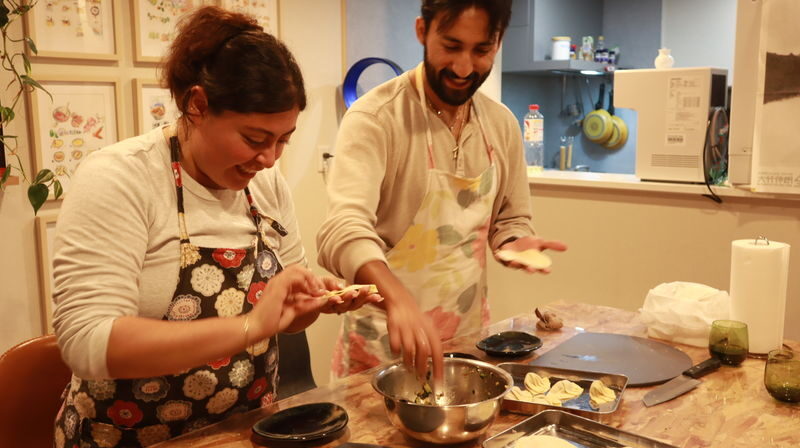
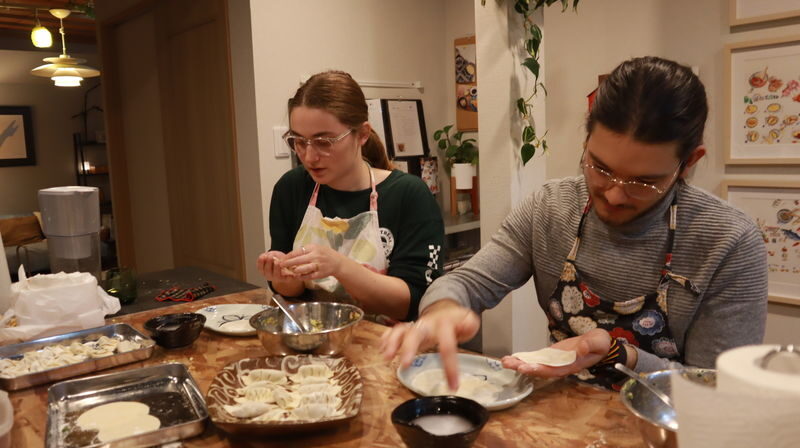
Gyoza-making rounds out the class. You’ll prepare wrappers from rice flour, fill and fold the dumplings, and cook them to a crisp finish. Folding is the sort of task where a little patient guidance can make a big difference. The goal is not just a plate of dumplings, but a technique you can practise again.
This is one of the class’s strongest practical features. Gluten-free dumplings can be hard to find, and learning to make the wrappers yourself gives you more control over the finished dish. You can also take home a new recipe and the memory of how the dough felt to work with, which is often more useful than a page of instructions alone.
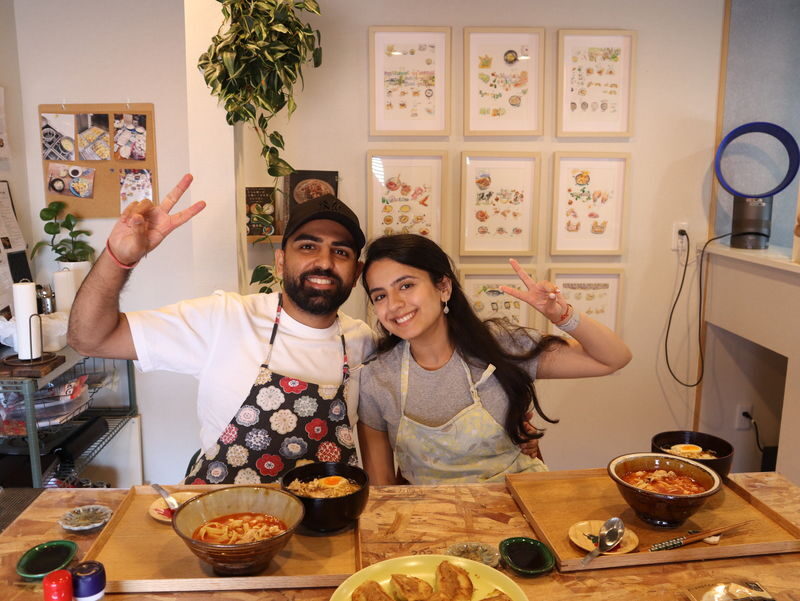
The class pairs the gyoza with the ramen you prepare. It is a full cooking-and-eating experience, so arrive hungry and ready to spend the session working at the counter. The provided information lists lunch, dinner, meals, and beverages as included, but does not specify a separate menu or serving size.
Yuki’s teaching and the pace of the session
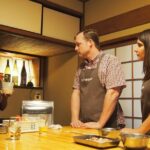
Yuki leads the class in English and gives close instruction in a small, personal setting. You can ask about cooking technique and ingredient choices as you go. The teaching style is described as patient, practical, and conversational, which is useful when dough or folding takes a few tries to get right.
The session lasts three hours, with a morning option from 10:00 to 13:00 or an afternoon option from 16:30 to 19:30. The length gives you time to make several components, learn two ramen recipes, cook gyoza, and eat. It is not a quick demonstration squeezed between sightseeing stops.
One participant noted that the group was running behind schedule but still made a meal and had time for conversation. That suggests the class can stay welcoming when things move slowly, though it is still wise to arrive on time and leave room in your day. The meeting point is at 4-19 Nukatacho, and you are asked to arrive five minutes before your selected start time.
Getting to 4-19 Nukatacho
The cooking class is in Higashi-osaka, at 4-19 Nukatacho. From Kintetsu Namba Station, also called Osaka-Namba Station, take the Kintetsu Nara Line toward Nara and get off at Nukata Station. The train ride is about 30 minutes, followed by a walk of roughly 10 minutes.
That journey is manageable, but it changes the shape of your day. You are not stepping out of a central Osaka hotel and straight into class. Check a transit app for current fares and schedules, allow time for the walk, and plan your onward sightseeing around the three-hour session and the trip back.
The meeting point and return point are the same address. The available class times are 10:00 and 16:30, with corresponding end times of 13:00 and 19:30. The specific options can depend on the departure time you select, so make sure your booking and train plan match.
You can also read our reviews of more tours and experiences in Osaka


What the price covers
The standard Ramen Gyoza class starts at US$100.89. The Ramen Gyoza plus Sake pairing set starts at US$112.25. Both prices are for a three-hour experience that includes an English-speaking guide, the cooking class, and the meal you prepare.
The value comes from the amount of making involved. You are not paying only for lunch: you learn to make rice-flour noodles and wrappers, prepare two kinds of ramen, and cook gyoza. If you enjoy practical food experiences or need gluten-free cooking ideas, those skills add lasting value beyond the meal.
The sake option costs more, but the information provided does not detail the pairing or say how much sake is included. If sake matters to your decision, confirm those specifics before choosing the add-on. The standard package is the straightforward choice if your priority is the cooking lesson.
The class is best suited to gluten-intolerant food lovers, curious home cooks, and visitors who want an activity built around a Japanese meal rather than a general city tour. Children aged 0 to 12 must be accompanied by a paying adult. If you have limited time in Osaka or prefer activities close to the city center, factor in the train ride before booking.
Should you book this cooking class?
I’d choose this class if you want to learn a few concrete skills, enjoy hands-on cooking, or need ideas for gluten-free Japanese meals. The combination of homemade noodles, rice-flour gyoza wrappers, soy sauce ramen, and tomato ramen gives you a more varied lesson than a single-dish workshop.
The main trade-off is location. Higashi-osaka takes a little planning from central Osaka, and the session fills three hours before you count the train journey. If you can spare that time, the class offers a personal way to cook, eat, and learn with Yuki. If you want a quick activity in the middle of a packed sightseeing day, it may be a less convenient fit.
Handmade Gluten-Free Ramen and Gyoza Cooking Class in Osaka
“simply brilliant. Yuki was an amazing host and taught us to cook simply incredible food. Very highly recommend this if you are in Osaka.”
FAQ
Where does the class take place?
It takes place at 4-19 Nukatacho, Higashi-osaka, Osaka 579-8021, Japan.
How long is the cooking class?
The class lasts three hours. The available start times are 10:00 and 16:30, with end times of 13:00 and 19:30.
How do I get to the class by train?
Take the Kintetsu Nara Line from Kintetsu Namba Station toward Nara and get off at Nukata Station. The train ride takes about 30 minutes, followed by a walk of about 10 minutes.
What will I cook?
You’ll make ramen noodles and gyoza wrappers from rice flour, prepare soy sauce and tomato ramen, and make crispy gyoza.
Does the class accommodate gluten intolerance?
Yes. The activity is listed as able to accommodate gluten intolerance. The provided details do not specify separate procedures for celiac disease or preventing cross-contact, so ask the provider about your needs before booking.
Is there a sake option?
Yes. The Ramen Gyoza plus Sake pairing set starts at US$112.25. The standard Ramen Gyoza class starts at US$100.89.