Mount Fuji can vanish behind clouds, but this day trip still gives you a full sampler of the region: a shrine beside Lake Ashi, steaming volcanic ground at Owakudani, swans at Lake Yamanaka and spring-fed ponds at Oshino Hakkai. I like that the route combines very different places in one outing, and that a guide handles the long transfers and keeps the day moving.
I also like the chance to ride the Hakone Ropeway, included in the listed package, and to see the area from both the lake and the air. The trade-off is time: this is a packed schedule, with short stops and a long drive, so you’ll need to keep an eye on the clock rather than wander at your own pace.
- The Lake Ashi torii is a striking photo stop, but the queue can eat into your limited time.
- Owakudani’s vents and sulfur smell make the volcanic setting more than a distant view.
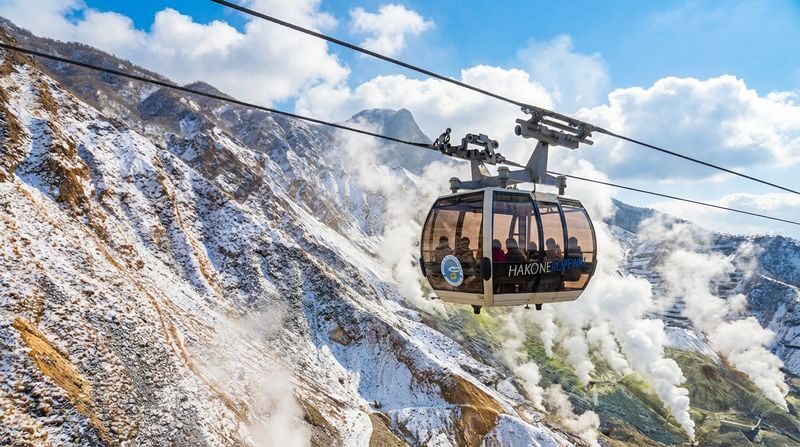
- The ropeway ride offers a high view over the geothermal valley; the pirate ship is a separate, package-dependent cost.
- Lake Yamanaka and Oshino Hakkai bring swans, spring ponds and rural scenery into a day otherwise focused on Hakone.
- Guides such as Yaya, Will, Mandy and Sakuragi have been praised for clear instructions, helpful tips and keeping groups on schedule.
- Weather and traffic matter. Fuji may stay hidden, and delays can shorten stops or change their order.
- One day, four sides of the Fuji region
- Hakone Shrine and the Lake Ashi torii
- Pirate ship and ropeway: two ways to see Hakone
- Owakudani’s steam vents and black eggs
- Lake Yamanaka and Oshino Hakkai
- The guide, the bus and the pace
- What the price covers, and what it does not
- Who should book this day trip?
- FAQ
- Is the Hakone Pirate Ship ticket included?
- Is the Hakone Ropeway included?
- How long is the tour?
- Where does the tour depart from?
- Are food and drinks included?
- What happens if traffic or weather changes the schedule?
- More Tours in Ashigarashimo
- More Tour Reviews in Ashigarashimo
- Not for you? Here's more nearby things to do in Ashigarashimo we have reviewed
One day, four sides of the Fuji region
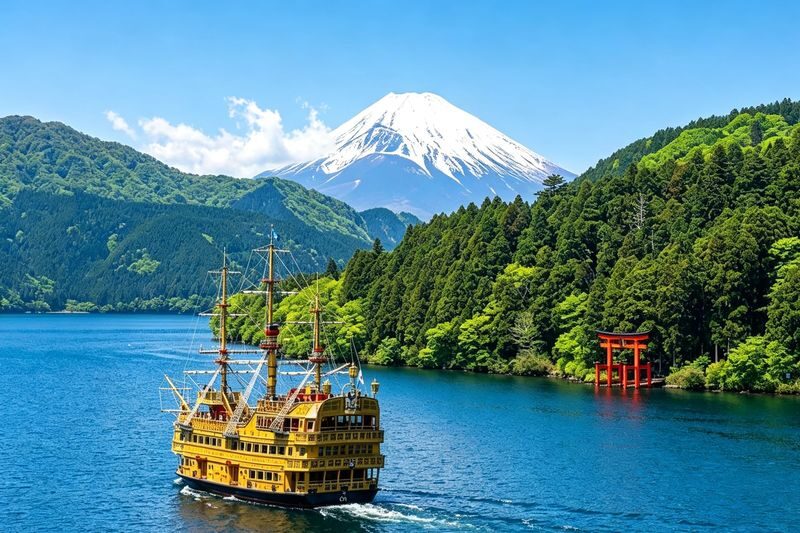
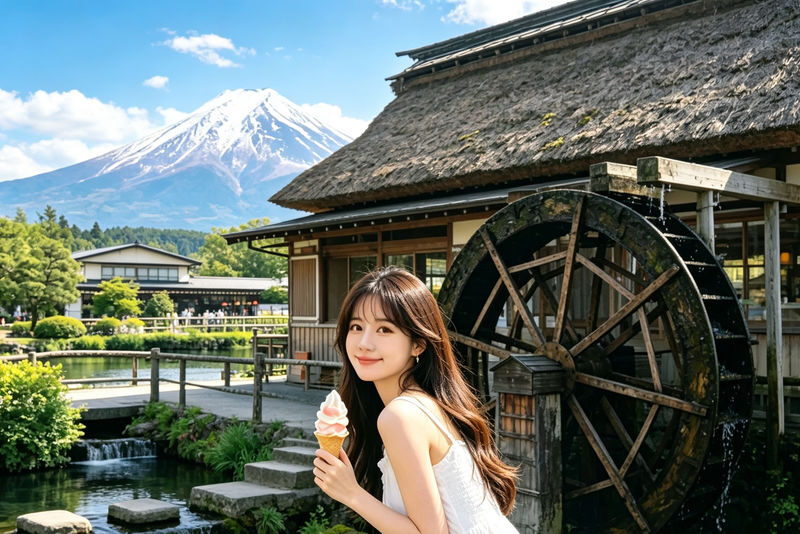
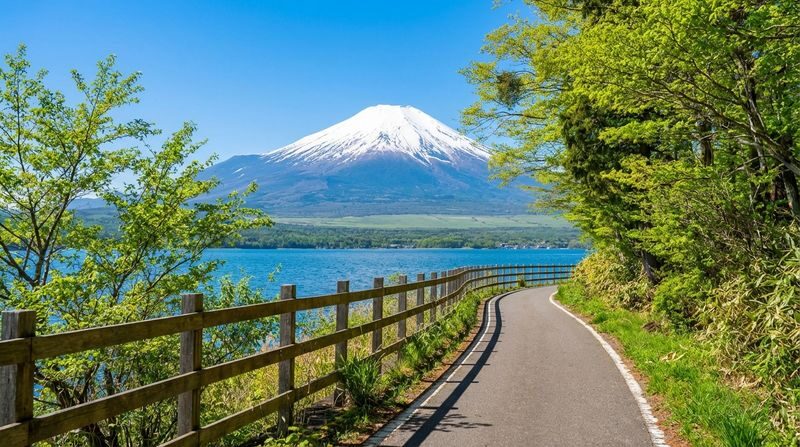
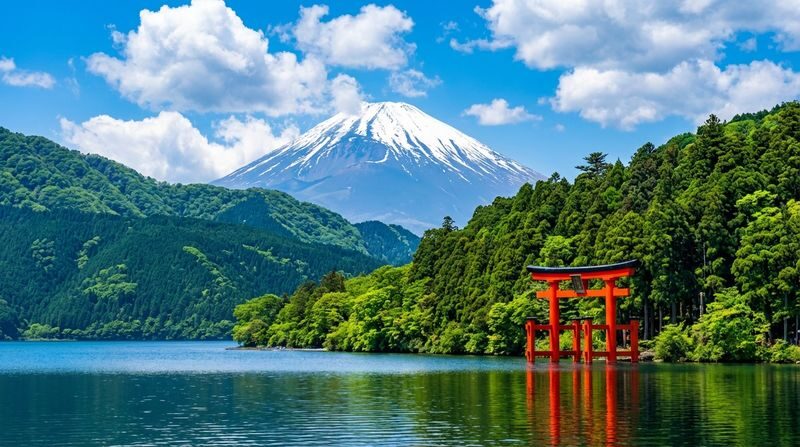
This tour is built for a first look, not a slow study. Starting from Tokyo, you cross a broad sweep of the region and visit a shrine, a lakeside torii, a volcanic valley, a high-altitude lake and a village of spring ponds. The range is the appeal: you get more than one version of the Fuji area without arranging several train connections or deciding which stop to cut.
That variety comes with a clear compromise. The schedule allows roughly 20 to 40 minutes at most stops, and the total outing lasts about 10.5 hours. You’ll get an introduction and time for a quick look, photos or a snack, but not a leisurely visit at every site. If you like having transport and timing handled for you, that can be good value. If you want long walks, quiet corners or an unhurried meal, plan a separate stay in Hakone or around the Fuji Five Lakes.
The bus is the day’s connecting thread. The group can include up to 49 people, and the vehicle may be a van, minibus or coach depending on numbers. One person found the bus seats cramped and the lack of assigned seating confusing. Bring patience for shared transport, board promptly at each stop and expect the guide to prioritize keeping the full group together.
Hakone Shrine and the Lake Ashi torii
The morning begins at Hakone Shrine, founded in 757 and set by Lake Ashi. Its long-standing role as a place of prayer for safe journeys and good fortune gives this stop more meaning than a quick photo break. You have about 40 minutes to explore on your own, so you can take in the shrine’s forested setting and pause before the day’s busier photo stops.
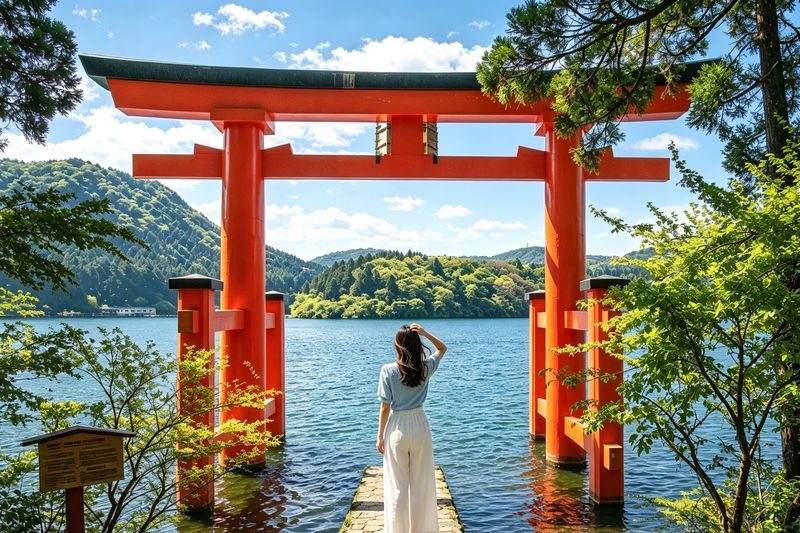
The schedule then gives about 20 minutes for Heiwa no Torii, the vermilion gate standing in the lake. It is one of the day’s signature views, with the water and surrounding mountains framing the shrine’s torii. It is also a popular photo spot. If there is a queue, your time may go quickly, so decide early whether you want to wait for a picture or enjoy the view from nearby.
These are self-guided stops, not extended guided tours. Your guide can explain what to look for and set a return time, but the short visits make it useful to keep your phone or watch handy. The shrine and torii are close enough in theme to make a satisfying introduction, but don’t count on lingering at both.
You can also read our reviews of more tours and experiences in Ashigarashimo.
Pirate ship and ropeway: two ways to see Hakone
The Hakone Pirate Ship sails on Lake Ashi, with a design modeled on European warships of the 18th century. From the water, you get a different angle on the lake and its mountain setting. The listed time at Togendai Port is 30 minutes, and the one-way fare is approximately ¥1,700 when it is not included in your selected package.
Check the package name before booking. One option excludes the pirate ship ticket, while another includes it. The ticket is not simply an activity you can decide to skip on the day without affecting the schedule: the tour is organized around its stops, and one person cautioned that the ship may be treated as part of the group plan even when the fare is paid separately. Confirm exactly what your fare covers and bring cash or another suitable payment method if you select the option without the ticket.
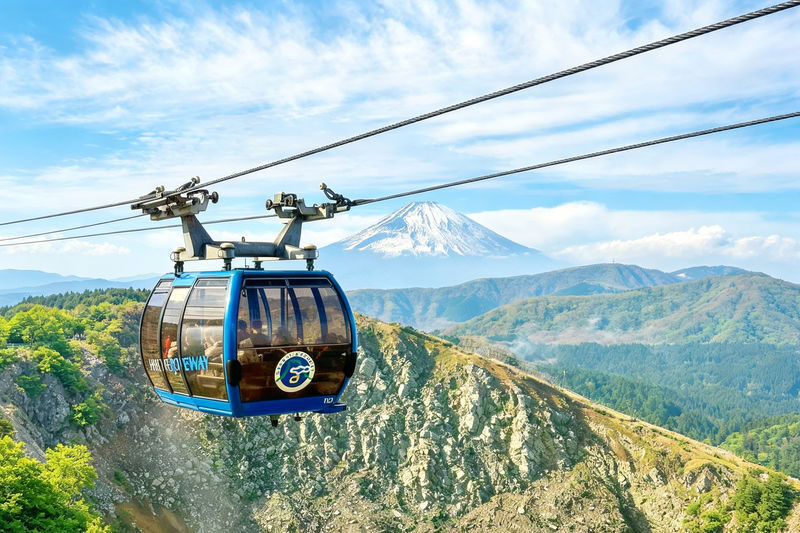
Next comes the Hakone Ropeway, with about 30 minutes scheduled. Its glass-sided cabins provide a view down over Owakudani and, when skies cooperate, Lake Ashi and Mount Fuji. A cable car ticket is included in the package information. The two rides make this section especially worthwhile if you enjoy seeing a place from more than one vantage point, but the short timetable leaves little room for delays or a long stop along the way.
Owakudani’s steam vents and black eggs
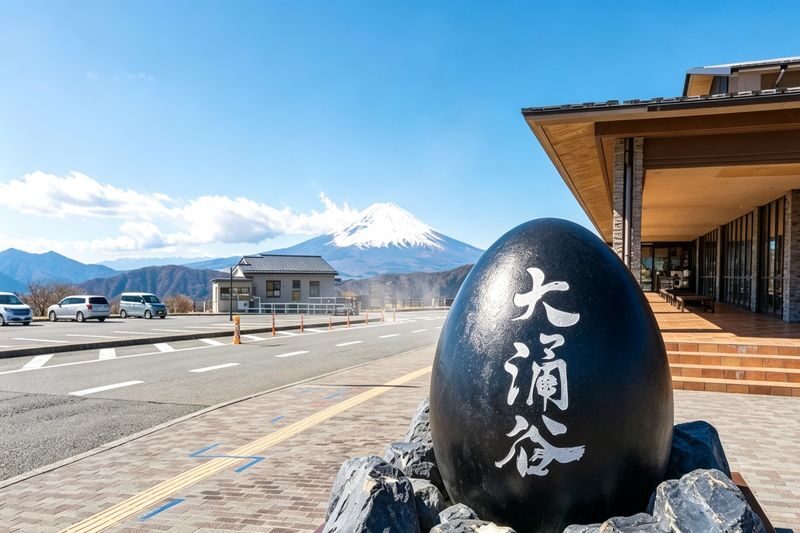
Owakudani is the day’s most elemental stop. Formed by volcanic activity around 3,000 years ago, this valley is marked by exposed rock, geothermal steam and the unmistakable sulfur smell. You have about 40 minutes to see the vents and take in the setting. This is not a polished garden scene; the stark ground and active steam are the point.
Black eggs are the area’s famous snack, said in local lore to add seven years to your life. Treat that as a story, not a health promise, and enjoy them as a regional specialty if you’re curious. Meals and drinks are not included, so the egg stop can also be a useful chance to pick up something small. Still, don’t count on a full sit-down meal during this tightly timed day. Bring a snack if you know you’ll need one.
Weather and conditions can affect the ropeway or the time spent at Owakudani. The operator may change the order or shorten or cancel a stop when traffic, weather or safety requires it. That flexibility matters on a route with several moving parts, though it also means you should treat the printed times as a plan rather than a promise.
Lake Yamanaka and Oshino Hakkai
In the afternoon, the route shifts to Lake Yamanaka, the largest and highest-altitude of the Fuji Five Lakes. The stop is about 20 minutes, with a chance to see swans along the shore and, if conditions are right, Mount Fuji reflected in the water. Feeding or interacting with the swans is promoted as part of the experience, but the short visit means this is a quick encounter, not a long lakeside walk.
The lake’s appeal depends heavily on the day’s visibility. Fuji can be hidden by clouds, and clear views are never guaranteed. If the mountain stays out of sight, the lake and its swans still offer a change of pace after the volcanic scenery, but you should book for the variety of the route rather than a guaranteed Fuji photograph.
Oshino Hakkai gets about 40 minutes. Its eight spring ponds are fed by meltwater from Mount Fuji that filters through the ground over many years. The water stays around 13°C, and you can see the clear ponds alongside the village’s traditional rural setting. The water is described as safe to drink, so you can taste it if you wish. The ponds and village lanes can draw crowds, and forty minutes allows a look around rather than a full visit.
The order of these afternoon stops may change with road and weather conditions. Drivers in Japan are subject to limits on daily working hours, so the guide may adjust the schedule to stay within those limits. If you especially want time at one location, remember that the group itinerary cannot be left midway and that the guide must keep the day moving for everyone.
The guide, the bus and the pace
The guide has a large role in making this route feel manageable. The tour is offered with an English- or Chinese-speaking guide, and guides including Yaya, Will, Mandy, Sakuragi and Xiao Yu have been praised for clear explanations, practical tips, photo help and careful timekeeping. Several have given useful briefings before stops, pointing out what to prioritize when there is not time to do everything.
That kind of guidance is valuable here. A short stop is easier to use well when you know where the main viewpoint is, how long a queue may take and when to be back at the bus. The group may include people from different countries and language backgrounds, so expect a shared tour rather than a private experience. Seating is first-come, first-served, and requests cannot be guaranteed.
The reviews also point to the main comfort risk: a full bus can feel cramped, and seat changes between stops may cause confusion. Arrive on time, follow the guide’s directions and keep your belongings together. A standard piece of luggage is allowed only if you note it in the booking’s special requirements; storage and delivery services are not provided, and unannounced luggage may not fit.
What the price covers, and what it does not
With fares from $49.29, the tour can be a strong deal if you value round-trip transport, a guide and a broad route more than long visits at each stop. Reaching Hakone, Lake Yamanaka and Oshino Hakkai independently in one day would require careful planning and multiple connections. Here, the bus does the hauling and the guide handles the schedule.
Still, the starting price is not the whole budget. Meals, beverages, personal spending and insurance are excluded. The pirate ship fare, about ¥1,700 one way, depends on the package you choose, while the cable car is listed as included. Read the package details closely so you know whether the ship ticket is part of your booking.
The day departs around 7:30 or 8:00 and returns to Tokyo around 18:00 or 18:30, depending on the meeting point and traffic. The return time is approximate. Don’t schedule a flight, Shinkansen, performance or important dinner reservation for that evening; a long drive and road congestion can easily upset a tight plan. Peak summer and Japan’s Obon period can bring heavier traffic, crowds and early closures, making the already brisk pace feel brisker.
Who should book this day trip?
I’d choose this tour if you have limited time in Tokyo, want a guided first look at both Hakone and the Fuji foothills, and are comfortable trading depth for variety. It also suits solo visitors who prefer organized transport, and families who can keep to a firm schedule. Children and infants must be counted as passengers, but child seats are not available.
I’d think twice if you have limited mobility, are pregnant or have a health condition such as high blood pressure or epilepsy, since the activity is not recommended for those situations. The route is not wheelchair- or stroller-accessible, and the day involves several brief stops with transfers between them. Tell the operator about relevant health conditions before setting out.
The biggest uncertainty is the weather. Mount Fuji may appear only briefly or not at all, and heavy rain can make outdoor stops less rewarding. Book for the full mix of shrine, lake, volcano and spring ponds, not just the mountain view. If you can spare another day, staying near Hakone or the Fuji lakes gives you more room to adjust for weather and explore at your own pace.
Mount Fuji & Hakone: Hakone Shrine & Water Torii & Pirate Ship & Owakudani & Lake Yamanaka & Oshino Hakkai Day Trip
“Thanks to our lovely and professional tour guide, Yaya, for the explanations and guided tour. The one-day itinerary was very fulfilling, we visited…”
FAQ
Is the Hakone Pirate Ship ticket included?
It depends on the package. One option excludes the ticket, with a one-way fare of about ¥1,700; another package includes it. Check the selected package details before booking.
Is the Hakone Ropeway included?
The package information lists a cable car ticket as included. Confirm the details for the option you select when booking.
How long is the tour?
The day lasts about 10.5 hours. The stated return to Tokyo is around 18:00 or 18:30, but road conditions can affect the arrival time.
Where does the tour depart from?
The tour operates with meeting points in Tokyo, including Shinjuku West Exit Mitsui Sumitomo Bank and Tokyo Station Marunouchi North Exit. Check your confirmation for the assigned meeting point and departure time.
Are food and drinks included?
No. Meals and beverages are not included, so bring money for food and drinks or pack a snack.
What happens if traffic or weather changes the schedule?
The guide may change the stop order or shorten or cancel time at some attractions for safety or to account for road conditions. The listed times are estimates, and late return is possible.