Hiroshima’s story takes on more shape when you see its places of remembrance alongside the gardens, castle and everyday shopping streets of the city. I like the route’s contrast between quiet Shukkeien and the weight of the Peace Memorial Park, and the chance to hear local context from an English-speaking guide such as Ken, also called Kensuke.
The main consideration is the pace and timing: this is a walking tour with several stops, and its scheduled 9:00 to 13:30 span is four and a half hours, even though it is described as a four-hour experience. The museum visit is allotted one hour, so you may want more time there afterward.
- Begin in Shukkeien Garden: Take in a calm garden setting before the city’s more sobering history.
- See Hiroshima Castle and its reconstructed keep: Learn how the city’s past and postwar renewal meet in one place.
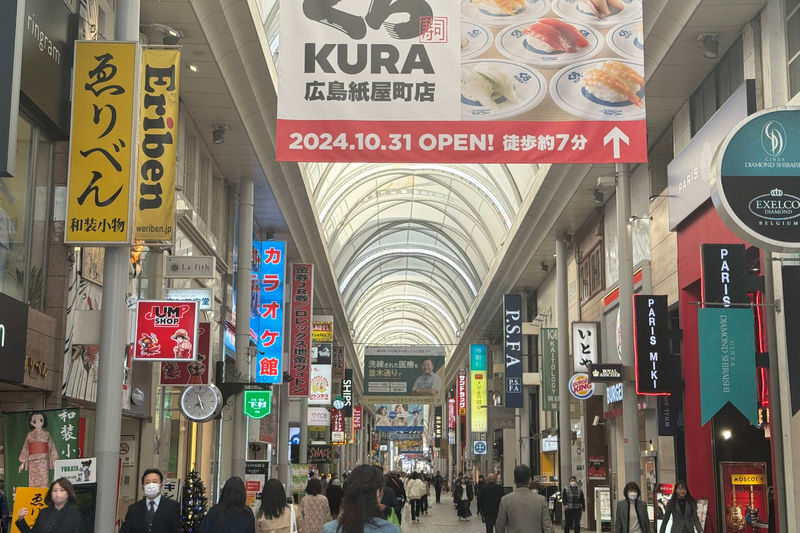
- Walk through local shotengais: Get a glimpse of everyday Hiroshima among shops and eateries.
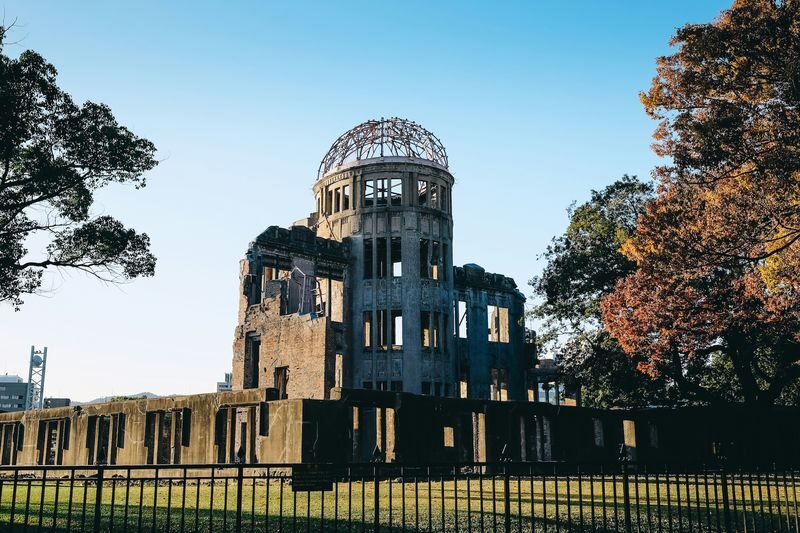
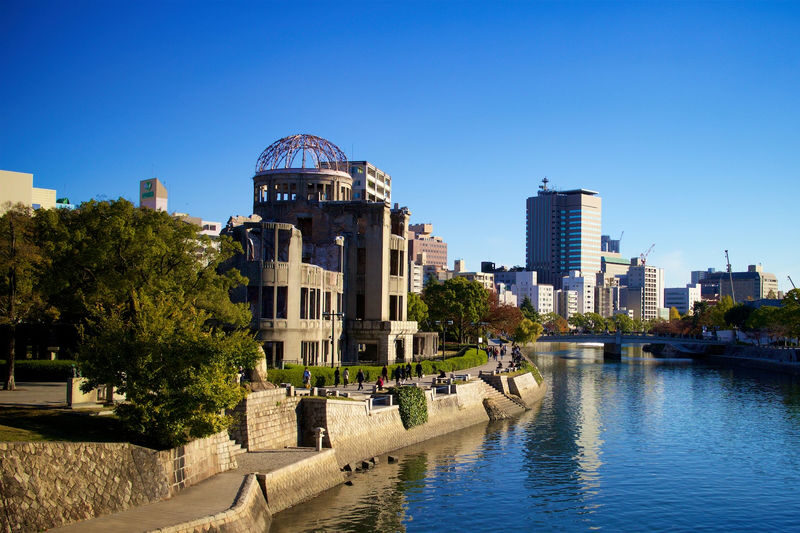
- Visit the Atomic Bomb Dome and Peace Memorial Museum: Make time for the tour’s central historical stop.
- Finish at Peace Memorial Park: You’ll be well placed to continue exploring after the guided walk.
- A city tour that balances remembrance with daily life
- Shukkeien Garden is a thoughtful starting point
- Hiroshima Castle pairs history with reconstruction
- Shotengai streets show the city at street level
- The Peace Memorial Park and museum are the emotional center
- What the guide adds to the walk
- Is the price fair for a half-day walk?
- Who will get the most from this tour
- Practical details before you book
- Should you book the Hiroshima half-day walk?
- FAQ
- Where does the tour begin?
- Where does the tour end?
- How long is the tour?
- What places are included?
- Is an English-speaking guide included?
- Are attraction admissions included?
- What should I bring?
- Can I cancel for a refund?
- The Best Of Hiroshima!
- More Walking Tours in Hiroshima
- More Tours in Hiroshima
- More Tour Reviews in Hiroshima
- Not for you? Here's more nearby things to do in Hiroshima we have reviewed
A city tour that balances remembrance with daily life
 1 / 10
 2 / 10
 3 / 10
 4 / 10
 5 / 10
 6 / 10
 7 / 10
 8 / 10
 9 / 10
 10 / 10
This tour links Hiroshima’s best-known memorial sites with places that can be easy to skip when your visit is focused only on the Atomic Bomb Dome and museum. You start at Shukkeien Garden, walk through the castle grounds and traditional shopping streets, then finish at the Peace Memorial Park. That sequence gives the morning a gradual shift from quiet scenery to the city’s most solemn history.
I like that the walk is not confined to one memorial area. You get several angles on Hiroshima: a garden built for peaceful contemplation, the remains and reconstruction of a castle, the practical rhythm of a shotengai, and the city’s message of peace. The guide’s explanations help join those stops into a story rather than a checklist.
The route is also compact enough to leave part of the day free. Once the tour ends at 13:30, you can stay in the Peace Memorial Park, return to the museum if you want more time, or plan another activity. Miyajima Island is suggested as a possible next stop, though it is not part of this tour.

👉 See our pick of the 3 Best Workshops And Classes In Hiroshima
Shukkeien Garden is a thoughtful starting point
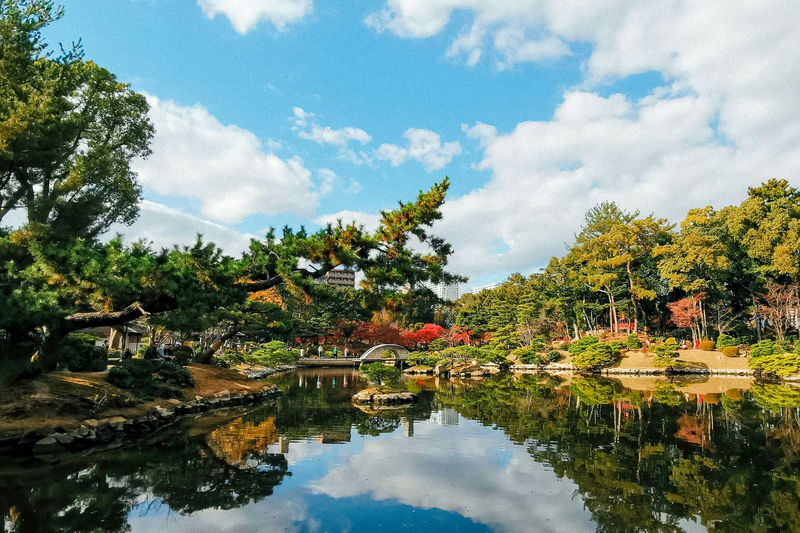
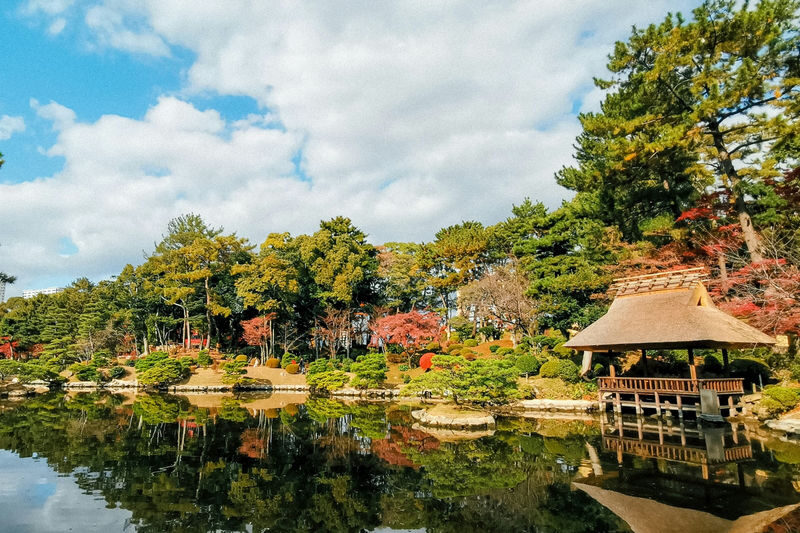
Meet at 9:00 in front of the ticket booth directly outside Shukkeien Garden, at 11 Kaminoboricho, Naka Ward. The garden is the first scheduled stop, with 45 minutes set aside to walk through it. Beginning here offers a quieter opening before the tour moves toward the castle and the memorial district.
Shukkeien is described as a serene retreat, so expect a change of pace from city streets. It is a useful place to listen, take in the setting and begin thinking about the themes of peace and renewal that continue through the day. On one tour, guide Ken took photos for a family in the garden, a small example of the thoughtful, personal approach described by people who have joined him.
The tour’s listed order puts the garden first, although the general overview also describes the Peace Memorial Park as a starting point. The precise meeting instructions are clear: meet outside Shukkeien, then follow the day’s route toward the park, where the tour ends. If you are coordinating the morning around other plans, use the stated meeting point and schedule.
You can also read our reviews of more walking tours in Hiroshima

Hiroshima Castle pairs history with reconstruction
The next stop is Hiroshima Castle, with 45 minutes allocated. The castle was rebuilt after World War II, and its grounds bring together historical ruins, a modern reconstructed keep and a park setting. It is a direct way to see how Hiroshima’s past is not limited to the events of 1945.
The contrast matters. The castle offers a different kind of historical site from the Peace Memorial Park: here, the focus is on the city’s earlier history and its reconstruction. In spring, cherry blossoms add another layer to the grounds, although the experience will depend on the season of your visit.
Forty-five minutes gives the guide room to explain the site and for you to look around, but it is not a long, independent castle visit. If you want to spend extra time there, ask how the tour’s timing works before setting expectations. The group needs to keep moving to reach the remaining stops.
Shotengai streets show the city at street level
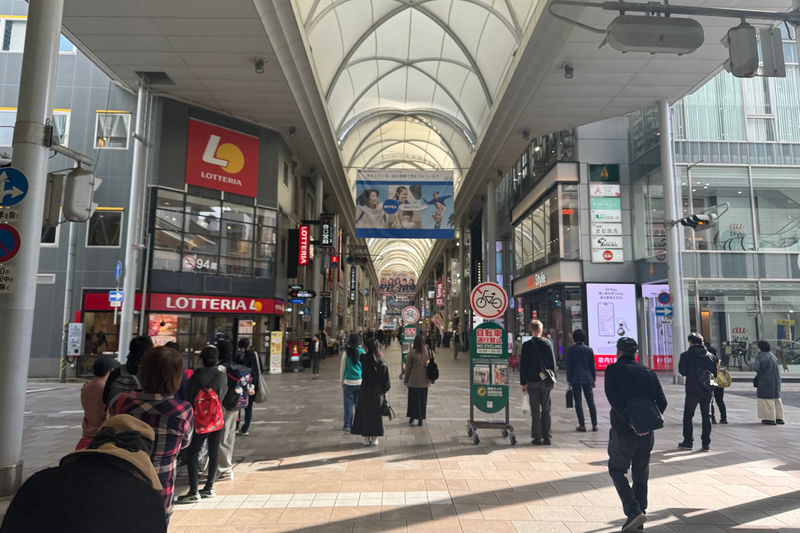
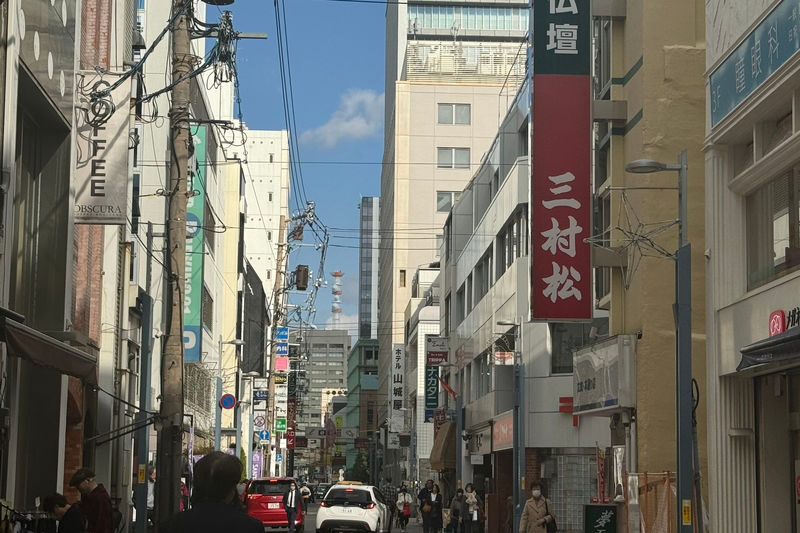
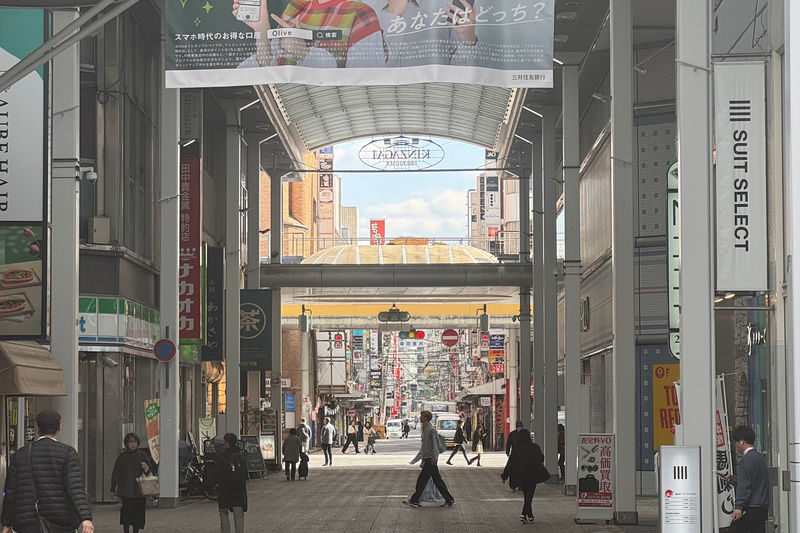
A 30-minute guided walk through Hiroshima’s shotengais offers a useful change of scene. These traditional shopping streets mix shops, eateries and everyday goods. Rather than treating them as a shopping detour, think of this stop as a short look at local routines and the city’s present-day character.
I like this part of the route because it puts daily life between the formal historical sites. Hiroshima is not only a place to reflect on the past; it is also a city where people shop, eat and go about their day. The brief walk helps make that point without taking up much of the morning.
Thirty minutes is enough for an introduction, not a leisurely browse through every shop. If a particular café or store catches your eye, note it for later. The guide may also have useful suggestions for a meal after the tour. Ken recommended a restaurant to one couple, and they made it one of their favorite meals in Japan.
The Peace Memorial Park and museum are the emotional center
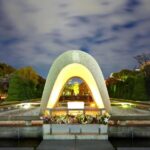
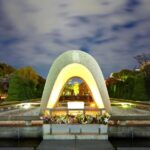
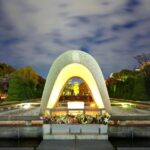
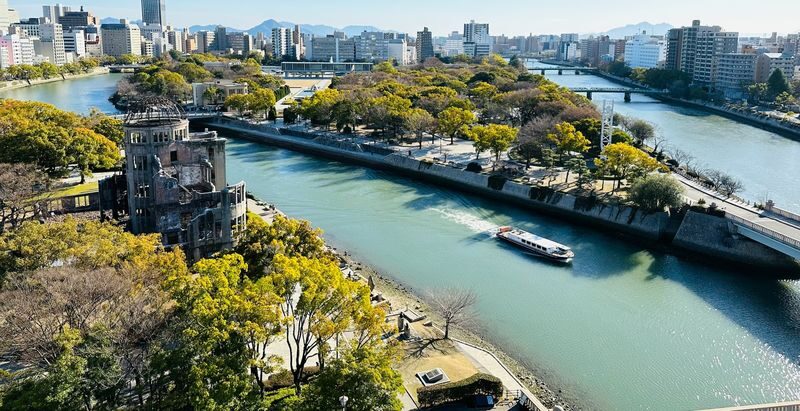
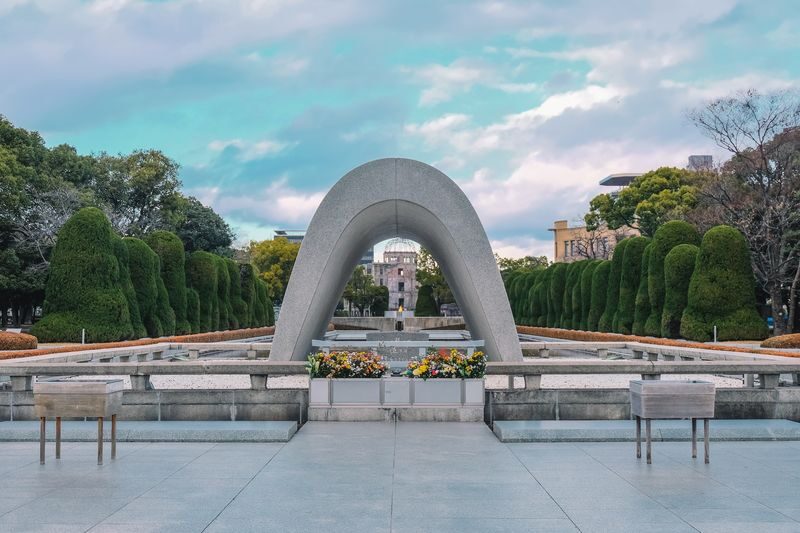
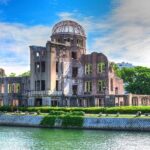
The final scheduled stop is the Peace Memorial Park and Museum, with one hour set aside for a guided visit. The park includes the Atomic Bomb Dome, a UNESCO site, and the museum’s exhibits convey the impact of the bombing and Hiroshima’s enduring call for peace. This is the most emotionally demanding part of the walk, and it deserves your attention.
A guide can help you understand what you are seeing and provide context as you move between the park and museum. Ken and Kensuke are names associated with this tour, and the way people describe their guiding suggests a style that is both well organized and considerate. Ken has been praised for explaining the history thoroughly, adjusting the pace so the group does not feel rushed, and making space for questions about Japan.
The one-hour allocation is a practical introduction, but it may feel short if you prefer to read every museum display or spend time reflecting at each site. That is the clearest trade-off in the schedule. Since the tour ends in the park, you can choose to stay longer afterward rather than trying to absorb everything at once.
The park is also a fitting end point for the guided portion. You can leave with a stronger understanding of the history, then decide how much more time you need in the museum or surrounding area. The tour does not require you to treat a difficult subject as a quick stop, even if the guided schedule itself is brief.
What the guide adds to the walk
The guide is central to the value here. The experience is not simply a sequence of admission tickets: it is a walk with an English-speaking guide who connects the garden, castle, shopping streets and memorial sites. The tour also includes guided visits inside attractions, so you have support at the main stops rather than only during the walks between them.
Ken, also referred to as Kensuke, is the guide named most often in accounts of the experience. His reported strengths include clear explanations, warmth, practical help and an ability to keep a group comfortable without rushing. He has also helped people who arrived late because of snow or train delays by offering to show them places they missed. That is generous, but it should not be treated as a guarantee; the tour schedule and group needs still apply.
The group option can sometimes feel quite personal, especially if the group is small. A private tour is also offered for a higher price. If one-on-one attention matters to you, compare the private option with the group price before booking, but keep in mind that the exact group size is not specified.
You can also read our reviews of more tours and experiences in Hiroshima


Is the price fair for a half-day walk?
The group tour starts at US$67.80, while the private option starts at US$178.69. Admission to attractions and an English-speaking guide are included, which makes the group price easier to assess than a tour that charges separately for entry. Meals, drinks and personal expenses are not included.
The value rests mainly on the guide and the range of stops. You get a structured route through four distinct parts of Hiroshima, along with explanations at the castle and memorial sites. For a first visit, that can save time and make the city’s history easier to follow than visiting each place alone without local context.
The private tour costs considerably more, so it makes sense if you value a more tailored pace or the chance to ask questions freely. The details supplied do not specify how private-tour timing or route differs from the group version, so check the package terms before choosing. Either way, the tour ends early enough for you to continue exploring on your own.
Who will get the most from this tour
This is a strong fit if you want an introduction to Hiroshima that combines remembrance, architecture, local streets and a garden in one morning. It is especially useful if you want an English-speaking guide to explain the sites and help place the Atomic Bomb Dome and museum within a broader walk through the city.
Families can join, as there is no age limit. The subject matter at the Peace Memorial Park and Museum is serious, so parents should consider how their children might respond. The walking itself makes comfortable shoes important, and you should be ready to spend much of the morning on your feet.
If your top priority is a long, unhurried museum visit, this may work best as a guided introduction rather than your only time there. If you prefer to explore at your own pace, the private option may appeal, though it costs more. You can also use the tour to get oriented, then return to whichever stop matters most to you.
Practical details before you book
The meeting point is outside the Shukkeien Garden ticket booth. Arrive five minutes before the 9:00 departure; late arrivals and no-shows are not refundable. The listed return point is Peace Memorial Park at 1 Nakajimacho, and the scheduled finish is 13:30.
The activity is available as a group tour from US$67.80 or a private tour from US$178.69. The voucher is presented on a mobile device and is valid only on the date and time booked. Confirmation is expected within minutes; if it does not arrive, contact customer support. You can receive a full refund if you cancel at least 24 hours before the activity date, based on local time.
The tour runs in English and includes attraction admissions. Meals, beverages and personal expenses are extra. Weather or traffic can change the schedule, so avoid planning a tight connection immediately after the stated finish.
Should you book the Hiroshima half-day walk?
Book it if you want more than a quick visit to the Atomic Bomb Dome and museum. The combination of Shukkeien, Hiroshima Castle, shotengai streets and Peace Memorial Park makes a thoughtful introduction, and the guide’s role adds real value for anyone who wants history explained in English.
Think twice if you want to spend several hours inside the museum or prefer to set your own pace at every stop. The schedule is full, and the memorial visit is limited to one hour. For many first-time visitors, though, this is a useful way to meet Hiroshima: serious where it needs to be, attentive to daily life, and short enough to leave room for the rest of your day.
Experience the Spirit and Peace of Hiroshima Half-Day Walking Tour
“such a moving and insightful tour we felt so much emotions and was so grateful that we had this opportunity to be here and experience history. Our…”
FAQ
Where does the tour begin?
Meet at 9:00 in front of the ticket booth directly outside Shukkeien Garden, at 11 Kaminoboricho, Naka Ward, Hiroshima.
Where does the tour end?
The tour ends at Peace Memorial Park, at 1 Nakajimacho, Naka Ward, at the scheduled time of 13:30.
How long is the tour?
It is described as a four-hour walking tour, while the schedule runs from 9:00 to 13:30, a span of four and a half hours.
What places are included?
The route includes Shukkeien Garden, Hiroshima Castle, Hiroshima’s shotengai shopping streets, Peace Memorial Park, the Atomic Bomb Dome and the Peace Memorial Museum.
Is an English-speaking guide included?
Yes. An English-speaking guide and English-speaking staff are included, along with guided tours inside attractions.
Are attraction admissions included?
Yes. Admission to the attractions is included.
What should I bring?
Wear comfortable walking shoes. Meals, beverages and personal expenses are not included.
Can I cancel for a refund?
A full refund is available if you cancel at least 24 hours before the activity date, using the destination’s local time.