
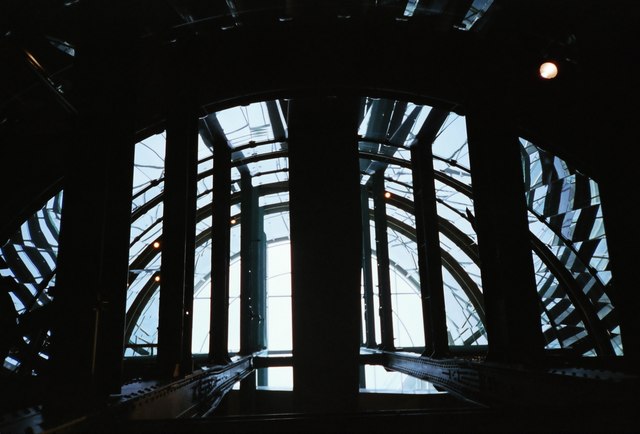
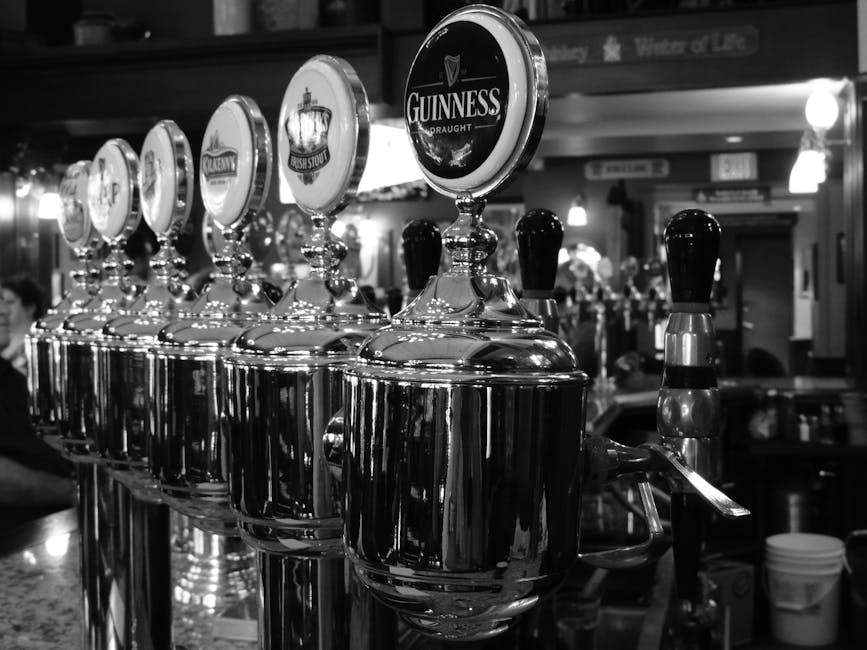
The building you are about to walk through is shaped like a giant pint glass. Seven storeys, glass at the top, your free pint sitting at the bar inside what is technically the foam. It sounds like a marketing line. It is not. The Storehouse atrium really is a four-pint-volume glass extruded up through the middle of the building, and you walk up the spiral around it floor by floor until you come out the top of the head.
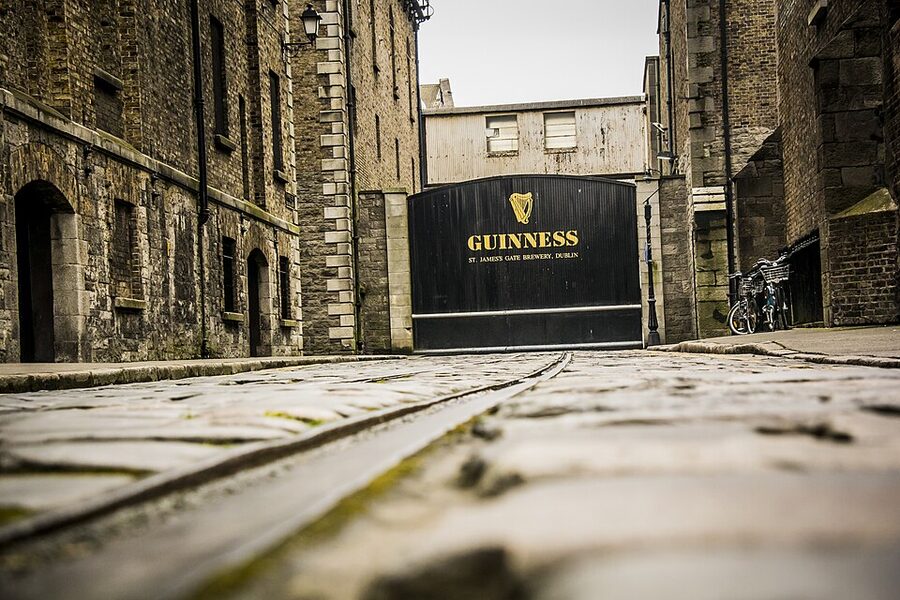
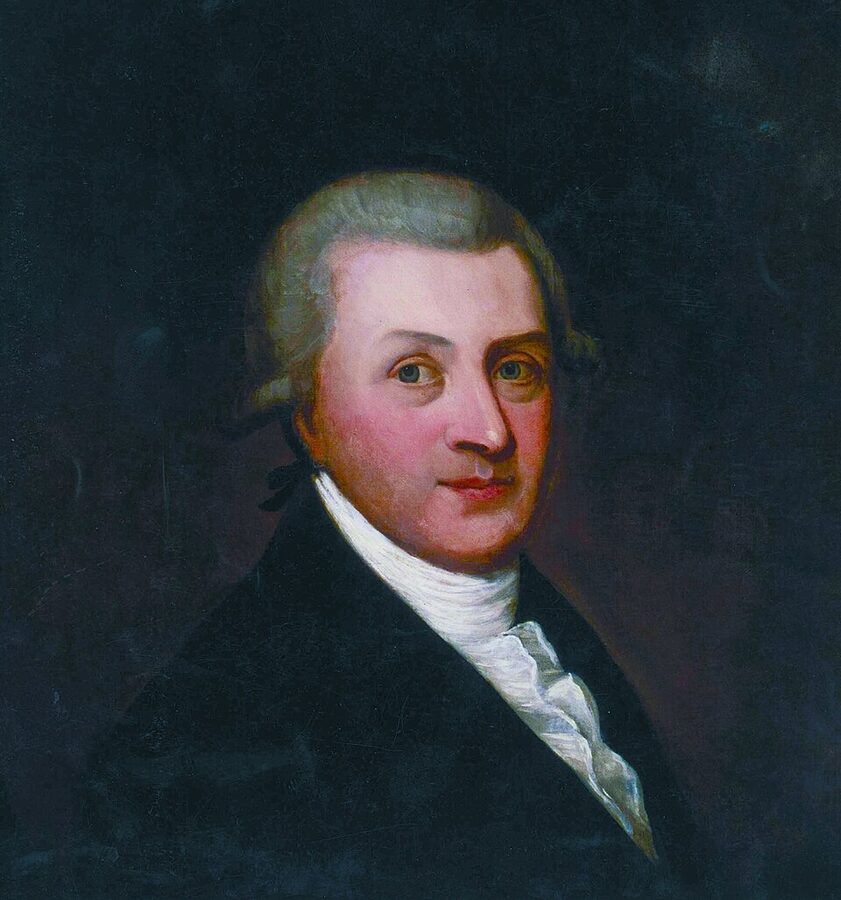
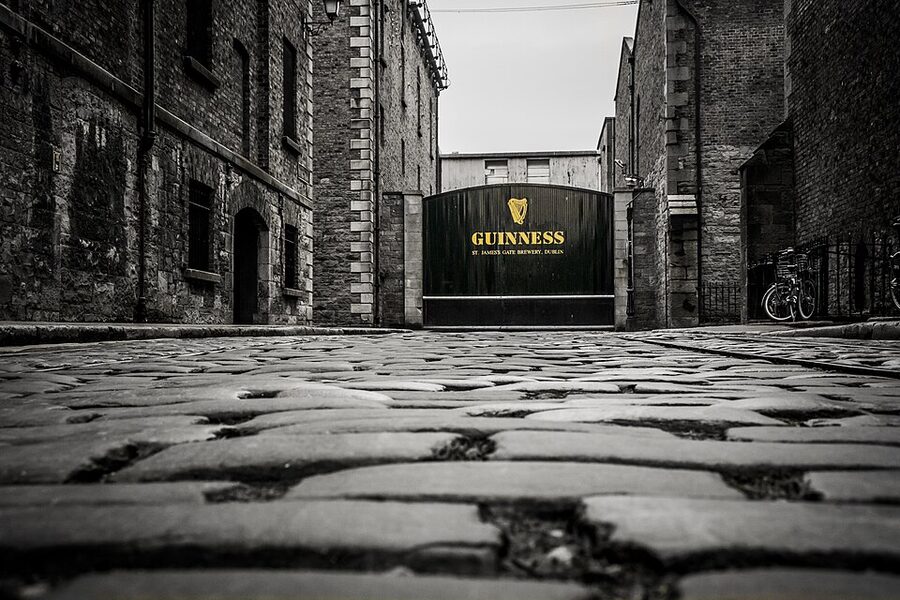
The other thing nobody tells you. Arthur Guinness signed a 9,000-year lease on the St James’s Gate site in 1759 at £45 a year, fixed. That lease still has roughly 7,734 years left on it. Whoever holds the keys to Diageo in the year 9759 will still be paying that rent. Your visit is happening inside a property arrangement that outlives every country that currently exists.
This is the booking guide for the Storehouse. Which ticket to actually buy, what the seven floors give you, where the Gravity Bar sits in the city, and how it stacks against doing the Jameson distillery the same day. I’ll keep the booking advice ahead of the history so you can leave once you’ve got what you need.
- In a Hurry? Three Picks
- What you actually walk through
- Which ticket to actually buy
- The three I’d actually book
- 1. Guinness Storehouse Self-Guided Tour with Free Pint:
- 2. Skip-the-Line Guinness and Jameson Irish Experience: 0
- 3. Dublin Pass with Tickets to 40+ Attractions:
- How to actually get there
- When to go and how long it takes
- The history behind the lease
- The Gravity Bar pint, said straight
- What to combine it with
- The Edinburgh equivalent if you’re going to both
- The mistakes most people make
- Other Ireland Guides
In a Hurry? Three Picks
Best for most visitors: Guinness Storehouse Self-Guided Tour with Free Pint from $34. The standard ticket. Skip-the-line entry, all seven floors, perfect-pour Academy if you want it, your pint at the Gravity Bar at the end. This is the one to book.
Best combined with whiskey: Skip-the-Line Guinness and Jameson Irish Experience from $140. Half a day. A guide does the talking. Both attractions in one bundle so you stop deciding and just go.
Best multi-attraction value: Dublin Pass with Tickets to 40+ Attractions from $90. Includes the Storehouse plus Hop-On Hop-Off, Jameson, EPIC, Dublin Castle, the Little Museum, and the rest. Worth it from day two onward if you’re staying three nights.
What you actually walk through
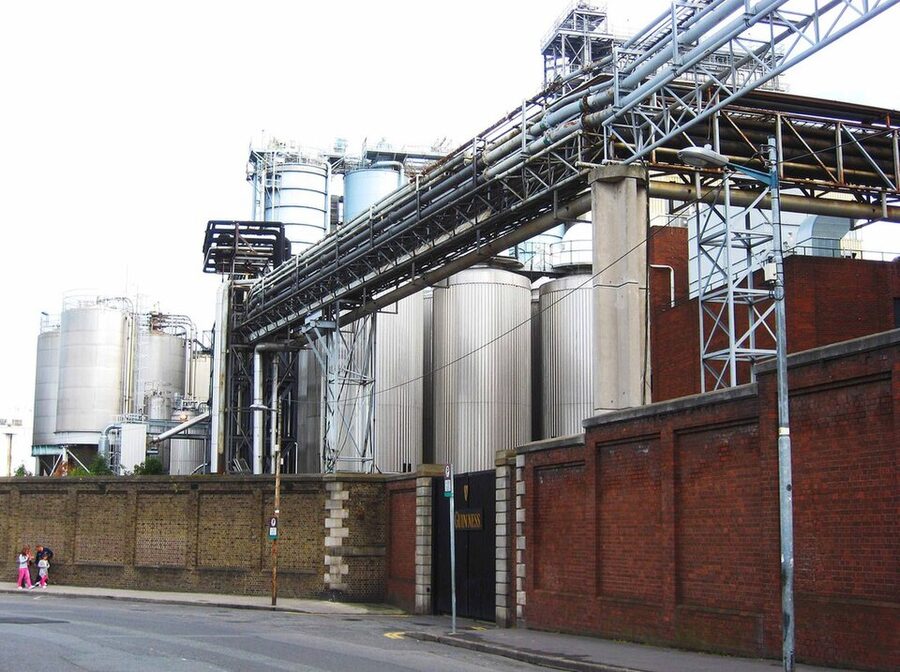
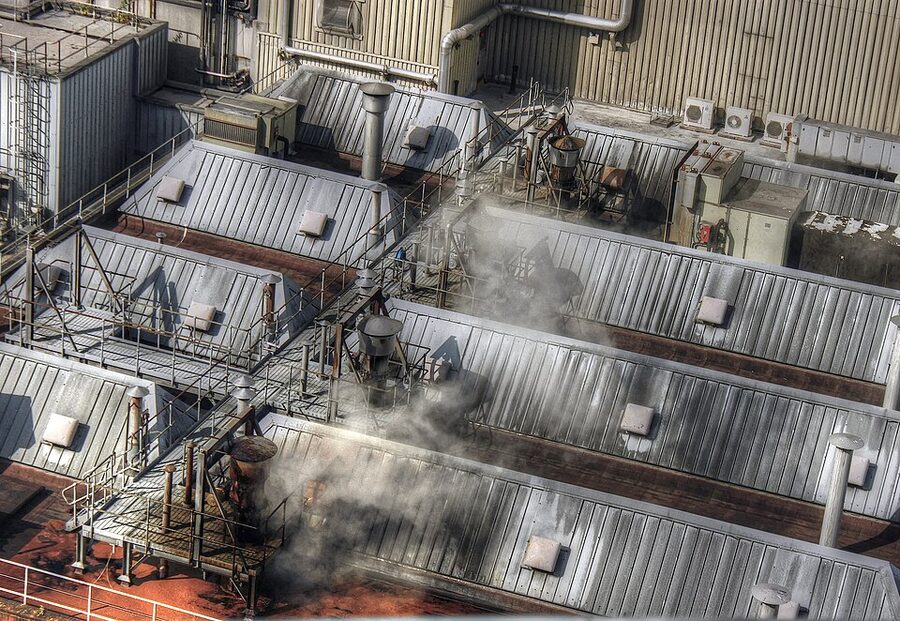
The Storehouse is seven floors. It used to be the actual fermentation plant for the brewery, then they gutted it in 2000 and turned the inside into a self-paced museum that climbs.
You go in at ground level, scan your ticket, and the floors stack like this.
Floor 1, ingredients. Barley, hops, water, yeast. The water is from the Wicklow Mountains, not the Liffey, and there is a small theatre about the river that supplies it. Fifteen minutes if you read the boards, five if you don’t.
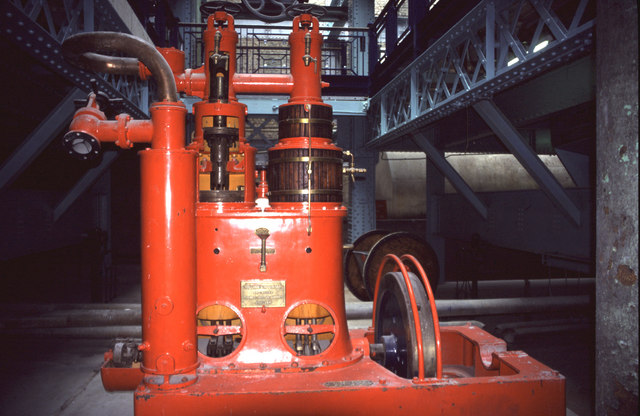
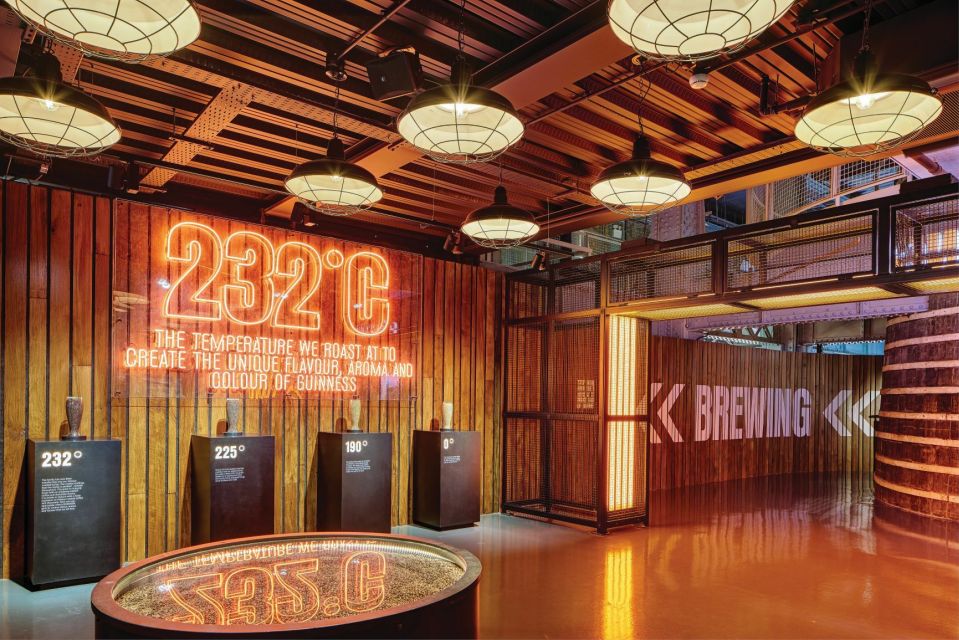
Floor 1 to 2, brewing. Old copper kettles, the actual mash tuns from when this building was working, plus a video on how the wort becomes stout. This is the most interesting floor for anyone who has ever brewed beer at home.
Floor 2, transport and cooperage. The bit that surprised me. Guinness used to run its own railway across the Dublin docks, plus a fleet of ships called Lady Patricia and Miranda Guinness that carried stout to England. There is also a real cooper’s bench from when wooden casks were standard. The cooperage closed in 1961.
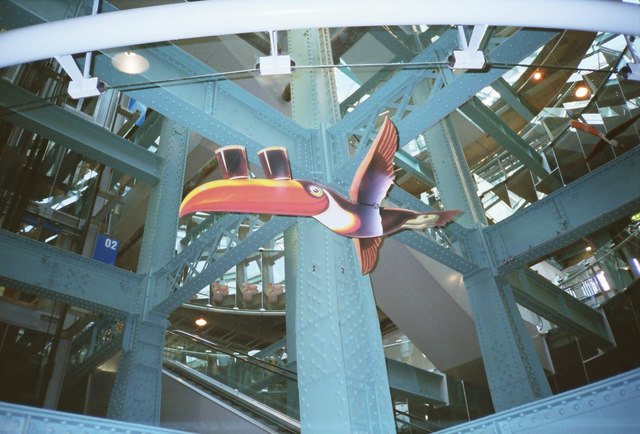
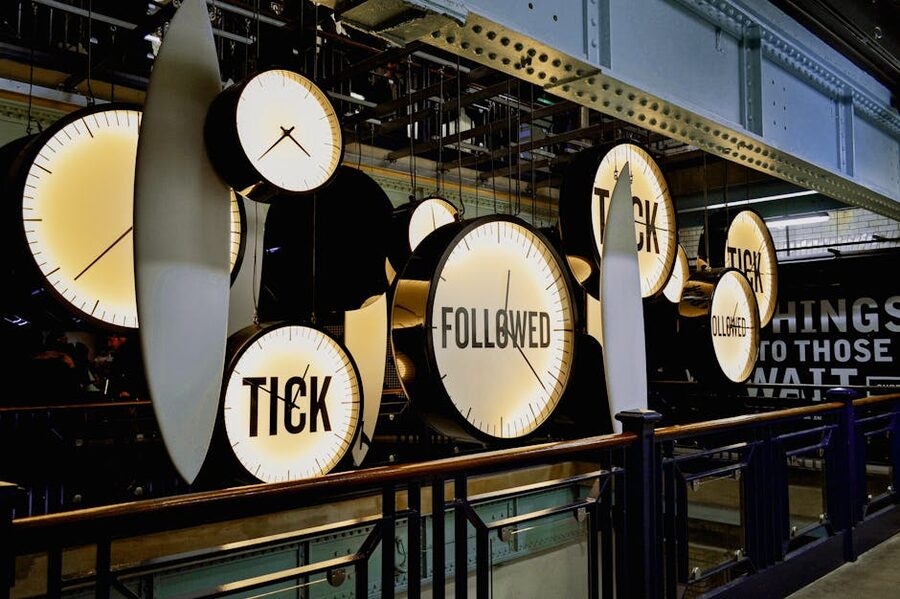
Floor 3, advertising. The toucan. The Guinness is Good for You poster from 1928. The 1999 Surfer ad with the white horses, which is still the highest-rated TV ad in British advertising history. There’s an entire room of John Gilroy’s original Guinness for Strength sketches. This is the floor that visitors actually quote afterwards.
Floor 4, tasting. A small white room. You’re handed a 5-cl shot of Guinness and walked through a four-step tasting. Smell, sip, swallow, finish. It feels a little stage-managed but it does change how you drink the rest of the day.
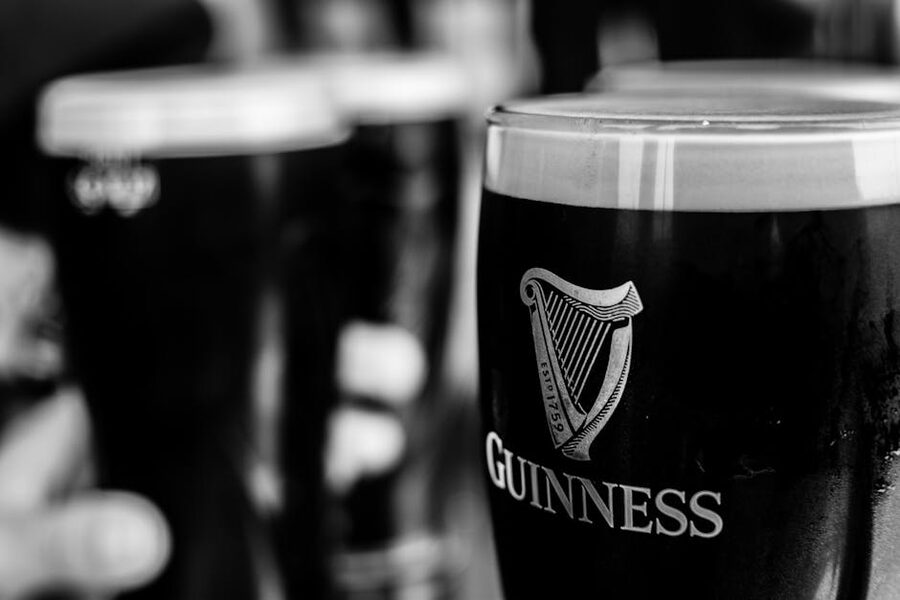
Floor 5, the Academy. This is where you pour your own pint. A trained barman stencils the harp into the head. You drink it standing at a long bar with about thirty other beginners. There is a certificate. Most people skip the certificate. Almost nobody skips the pint.
Floor 6, the restaurant. Skip unless you booked the food package. The 1837 Bar and Brasserie is fine. The Brewer’s Dining Hall is fine. Both fine in a way that doesn’t justify the price when there’s a Gravity Bar pint waiting one floor up.
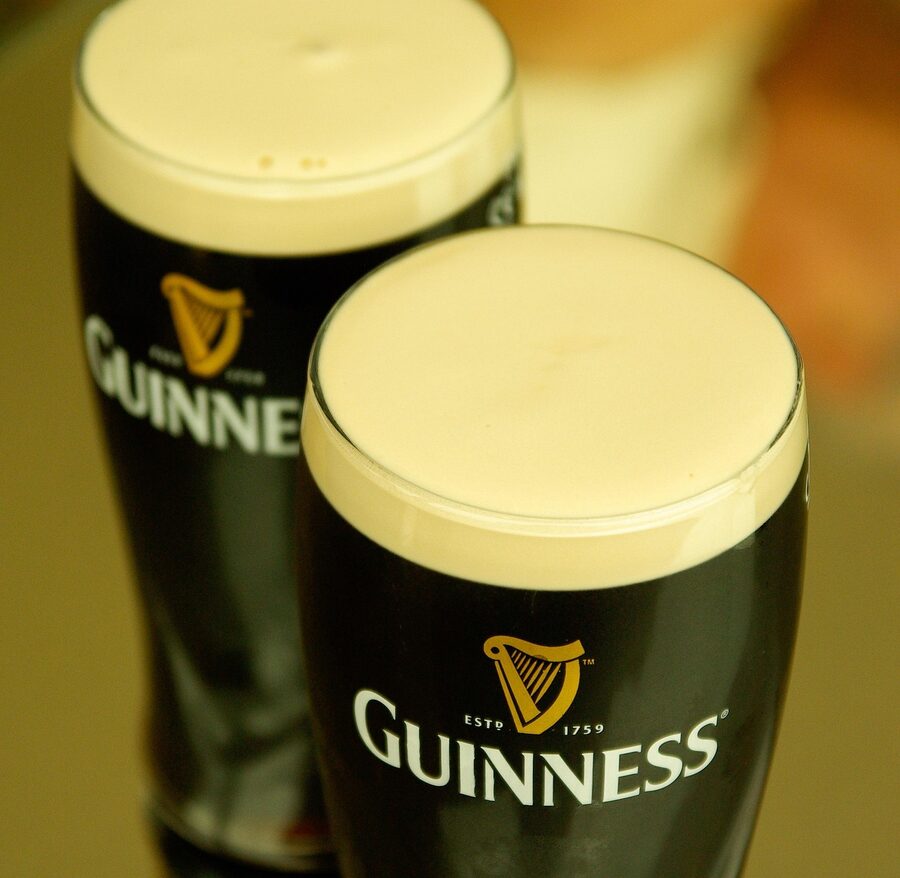
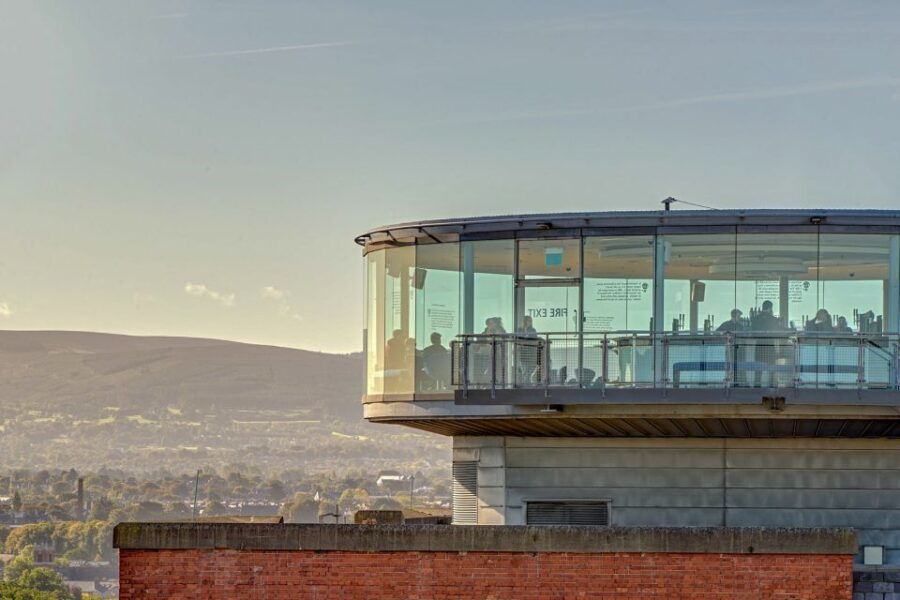
Floor 7, Gravity Bar. Glass walls all the way around. 360 degrees of Dublin. Your free pint is here, and they will not pour it for you on floor 1 to drink at the bottom. The bar is the reward for the climb.
Average climb time, two hours. Fast climb, 75 minutes. Slow climb with a kid who reads everything, three. The 1.5-hour estimate on the booking page is about right for adults who don’t dawdle.
Which ticket to actually buy
The booking page lists about six experiences. Most of them are upgrades on the same self-guided climb. Here is the short version of what you actually pay for.
Standard self-guided. The default. Includes all seven floors plus the Gravity Bar pint. You pour your own pint at the Academy on floor 5 if you want to. Around $34 a head if you book online. The full review of the standard entry ticket covers what’s included if you want the complete breakdown. This is the one most people should book.
The Stoutie. Standard ticket plus a pint with a selfie of your face printed in the foam. Eight extra euro. Novelty. Worth it once if you’ve got family at home expecting a photo. Otherwise no.
The Connoisseur Experience. Around $95. A guide takes a small group through a tasting of four Guinness variants in a private bar on floor 5. The four are Draught, Original, Foreign Extra Stout, and a special they rotate. Genuinely good if you care about beer. Skip if you’re here because the in-laws wanted to come.
The Stovetop Brewery Experience. Two and a half hours, you brew a small batch of Guinness alongside a brewer in a working pilot kitchen. Around $120. Booked out weeks in advance. The most niche option. Worth it for one in twenty visitors.
Combined with Jameson. If you also want the whiskey distillery, do not buy two separate tickets. The combined Guinness and Jameson Skip-the-Line saves you two queues and a bit of cash, and the operator handles the timing between the two so you don’t end up running across the Liffey.
And then there’s the Dublin Pass, which is the multi-attraction route. If you’re in town for two days minimum and you actually plan to use the Hop-On Hop-Off plus Jameson plus EPIC plus the Storehouse, the pass pays for itself by attraction three. If you’re only doing the Storehouse, just buy the standard ticket and skip the pass.
The three I’d actually book
These are the three Storehouse-related bookings I’d put real money on. Sorted by what most readers should pick first. Each links to our full review for the long take, with affiliate links to the live booking pages.
1. Guinness Storehouse Self-Guided Tour with Free Pint: $34
This is the one to book first. Our full review of the standard Storehouse ticket goes into the floor-by-floor pacing and the perfect-pour Academy in detail. Free cancellation 24 hours out. Pick a 10am or a late-afternoon slot for the lightest crowd.
2. Skip-the-Line Guinness and Jameson Irish Experience: $140
If you want both Guinness and Jameson Bow Street in one go, the combined Guinness and Jameson Irish Experience review covers the hand-off between the two and what the live guide actually adds versus going self-guided twice. The guide takes the friction out of the day. Pricier than two separate tickets, but you stop deciding what to do.
3. Dublin Pass with Tickets to 40+ Attractions: $90
If you’re staying two days or more and the Storehouse is one of four or five things you want to see, get the pass. Our Dublin Pass review shows the maths on which itineraries actually break even. Trinity College Library is the one big-name attraction not included. Annoying, but the rest of the bundle is strong.
How to actually get there
The Storehouse is on Crane Street, off Market Street South, in the Liberties. Not in the city centre. About 30 minutes’ walk from O’Connell Street if you’re in average shape, slightly less from Trinity College.
Five sensible ways in.
Walk. 30 to 40 minutes from the centre, depending on which side of the river you start. Pleasant if it isn’t raining. Take Thomas Street west and you go past the Christ Church Cathedral end of the Liberties, which is worth seeing on the way.
LUAS Red Line. Dublin’s tram. From Abbey Street or Jervis stop in the city, take the Tallaght-bound train, get off at James’s. Fifteen minutes. €2.10 single. The simplest option.
Dublin Bus 123. From Dame Street or O’Connell Street, towards Walkinstown. Get off at James’s Street. About 15 minutes. €2.50.
Hop-On Hop-Off bus. Multiple stops at the Storehouse gate. Slowest option in summer because of traffic, but no thinking required and you can chain it with Kilmainham Gaol or the Phoenix Park.
Taxi or Uber. €15 from the centre. Fastest in bad weather, useful in a group of three or four when split.
Free parking on Crane Street is theoretical. Six spaces, taken by 9.30am every day. Real parking is at the Four Courts, 15 minutes’ walk away, paid by the hour.
When to go and how long it takes
Open 9.30am to 7pm in summer, 9.30am to 5pm in winter, last entry one hour before close. Christmas Day closed. December 24 closes at 3pm.
Best slot. 9.30am opening, weekday. The Gravity Bar at 11am has plenty of seats. By 1pm on a Saturday in July it’s three deep at the windows.
Worst slot. 1pm to 3pm any day in July or August. The Gravity Bar fills, the Academy queue stretches into the corridor, and the lifts get rationed.
Underrated slot. The last entry of the day in winter. The Gravity Bar at 5.30pm in January, with the city already in lights and three other people in the room.
Plan two and a half hours minimum if you do the Academy. Three if you sit at the Gravity Bar with a second pint, which they will sell you.
The history behind the lease
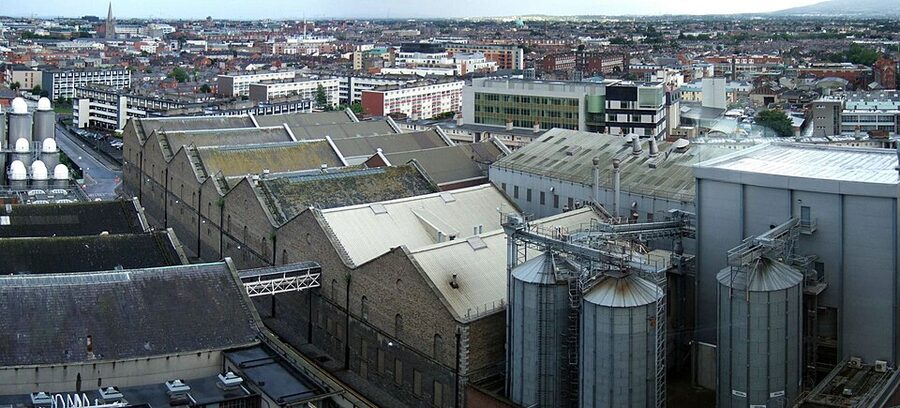
December 31, 1759. Arthur Guinness, then 34 and already brewing ale in Leixlip, signs a lease on a derelict four-acre brewery at the western edge of Dublin. The terms. 9,000 years. £45 a year. No rent reviews. No break clauses.
People always ask why the landlord agreed. The answer is that the site was a wreck. Mark Rainsford’s brewery had failed. The water rights through the city watercourse had been disputed for a decade. Forty-five pounds in 1759 was real money for a property nobody else wanted, and the lease term was effectively the standard for difficult industrial sites at the time. Nobody expected anyone to be using the site three centuries later, let alone seventy-seven.
Arthur Guinness brewed ale for the first ten years. He switched to porter, the dark London style, in 1769 because porter sold better in the Dublin docks. By 1799 he had stopped brewing ale altogether. By 1838 St James’s Gate was the largest brewery in Ireland. By 1886 it was the largest brewery in the world.
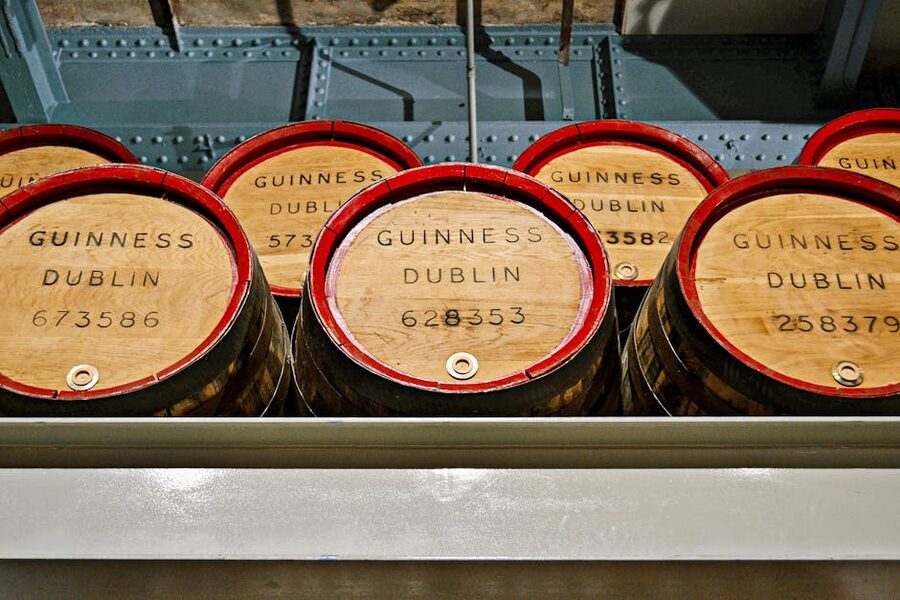
The 1886 detail is the one I find most remarkable. At that point Guinness was producing more beer than any other single brewer on the planet, and they were doing it from this site, on a lease signed by one man for the price of a decent meal. The original lease document is held in the company archive, not on display in the Storehouse, which is a small letdown if you came expecting to see it.
The site has been continuously used to brew Guinness since 1759. Through the 1798 rebellion, the famine, the 1916 Easter Rising (the British Army occupied St James’s Gate during it), two world wars, and the EU. There is one continuous beer-making chain at this site that is older than the United States.
The Gravity Bar pint, said straight
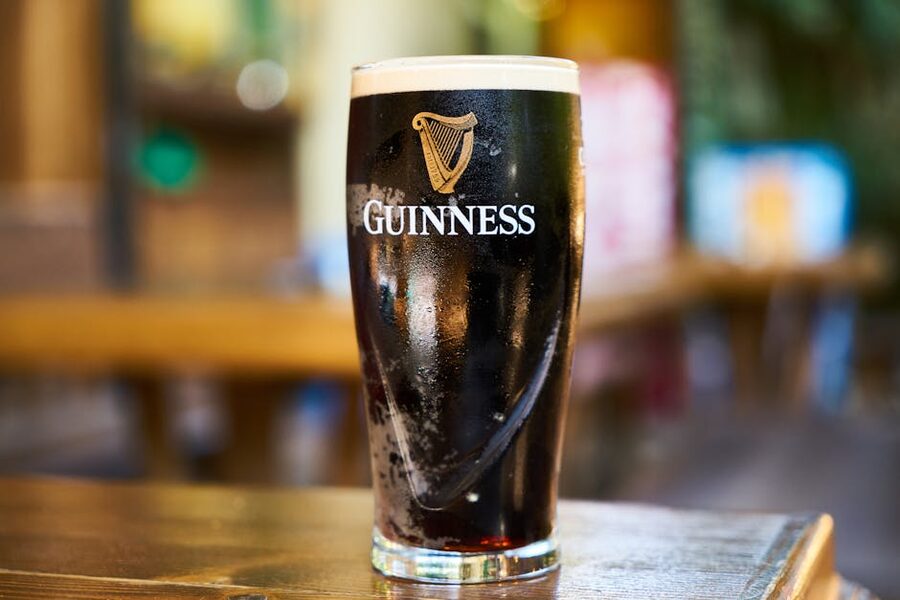
I will say the slightly unpopular thing. The pint at the Gravity Bar is not the best pint of Guinness in Dublin.
It is fresher than anywhere else in the city, fair enough. The kegs travel about forty metres from the brewing line to the tap. But the bar serves several thousand pints a day, the line speeds are kept high, and the surge settling at altitude in a glass-walled room with a view does something subtle to how you taste it. You’re not really tasting the beer. You’re tasting the moment.
The best pint in Dublin is in a quiet pub on a Tuesday afternoon. Mulligan’s of Poolbeg Street, Kehoe’s on South Anne Street, the Long Hall on Great George’s Street. All within ten minutes of the Storehouse and all where the locals drink. The Gravity Bar pint is the ceremony. The proper Guinness pint is the next one, in a real pub, with the rain just stopping outside.
That said. Drinking your free Storehouse pint while looking at the Wicklow Mountains south, the Phoenix Park north, and the spire of Christ Church right under your feet, is also a thing. Both are true. Plan for both.
What to combine it with
Half a day at the Storehouse leaves you with the rest of the afternoon. A few sensible options.
Walk to Kilmainham Gaol. Twenty minutes west. The 1916 leaders’ jail. Book ahead, sometimes weeks ahead. The most moving site in Dublin, and the one that gives the rest of the city its political weight.
Walk to Christ Church and Dublin Castle. Fifteen minutes east. The medieval city. Best done as part of a city walk so you get the context. A good Dublin walking tour will hit both plus Trinity College and Temple Bar, which is the most efficient way to put the Storehouse in context.
Cross the Liffey to Jameson Bow Street. Twenty minutes north. The whiskey counterpart. The same process-led format, smaller and more guided, ends with a comparative tasting of Irish, Scotch, and bourbon. If you do both in the same day, do Guinness first because you’ll want to sit down by 4pm and Jameson is more comfortable seated. The guide to booking the Jameson Distillery in Dublin covers the variants in the same depth as this guide.
Day-trip to the Cliffs of Moher. Different scale of day entirely. 13 hours on a coach, west and back. Best done on a separate day from the Storehouse. The full Cliffs of Moher day trip booking guide has the route options.
The Edinburgh equivalent if you’re going to both
If your trip is both Ireland and Scotland, the Edinburgh counterpart to the Storehouse is the Scotch Whisky Experience on the Royal Mile. Same idea. A process-driven attraction that climbs through a building, a rooftop tasting at the top, a serious distillation pedigree behind it. The Scotch Whisky Experience booking guide has the full breakdown.
If you’ve done the Storehouse already and you want a similar tour-the-city-from-the-top-deck experience without the booze theme, the Edinburgh Hop-On Hop-Off bus is the closest sibling. Open-top, panoramic, ends with you sat at the top of a hill with an actual castle in front of you instead of a pint.
The mistakes most people make
Five things I see people do that they regret.
Booking the door price. Buying online saves about €5 and skips the queue. The on-the-door tickets exist for a reason but that reason is not your reason.
Going at midday in summer. Three deep at every floor, full Gravity Bar, a 30-minute Academy queue. Go at 9.30am or 5pm.
Eating in the Storehouse. The food is fine. Not bad. Just expensive for what it is, and a 10-minute walk to The Brazen Head (Dublin’s oldest pub, established 1198, half a kilometre away) gets you a proper Irish stew for less.
Filling up on the Academy pint. The Academy pour is small. The Gravity Bar pour is the full pint. Don’t drink the Academy one too fast or you’ll feel rough by floor 7. They’re stacked deliberately.
Skipping floor 3. Most groups fly through advertising in five minutes. It’s the most rewarding floor in the building. Slow down.
Other Ireland Guides
If you’re putting a wider Dublin trip together, the natural pairing for the Storehouse is the Jameson Distillery the same day or the next, because the format and the storytelling rhyme so cleanly. A morning Dublin walking tour beforehand puts the Liberties in context, and a separate day for the Cliffs of Moher gives you the rural side of the country. Beyond Ireland, the closest cousins are over the Irish Sea: the Scotch Whisky Experience in Edinburgh runs the same playbook with whiskey, and the Edinburgh Hop-On Hop-Off is the simplest way to do for that city what the Storehouse does for Dublin’s beer story.