
Fuerteventura has the Canaries’ loudest reputation as the windy island. Most of it is earned. But the channel south of the Jandía peninsula, the stretch of Atlantic between Morro Jable and Gran Canaria, sits behind the bulk of the peninsula and runs flatter than almost anywhere in the archipelago on a normal trade-wind day. That patch of calm water is also where one of the largest resident bottlenose dolphin populations in the eastern Atlantic spends most of its life.
The other thing nobody tells you: the boats see them on most departures, and there’s still room on the deck.
Short on time? Three picks I’d actually book:
- Morro Jable Dolphin and Whale Cruise with drinks and a swim stop (around $58, two hours). The best balance of comfort, time on the water and price. Check availability.
- From Morro Jable: Dolphin and Whale Watching plus Snorkelling (around $61, 1.5 hours). Speedboat with a snorkel session bolted on. Check availability.
- From Morro Jable: Dolphin and Whale Watching by Speedboat (around $59, 1.5 hours). Smaller boat, faster ride, more chance of catching a second pod. Check availability.
- Why Morro Jable, and not somewhere else in the Canaries
- What you’ll actually see in the water
- The boat options, in plain English
- The big motorboat (the comfort default)
- The catamaran (the slow, comfortable day)
- The speedboat (the maximum-coverage option)
- The small inflatable (the up-close option)
- Why the speedboat plus snorkel combo is interesting
- How to book without overpaying
- The 3 cruises I’d actually book from Morro Jable
- 1. Morro Jable: Dolphin and Whale Watching Cruise, Drinks and Swim: from
- 2. From Morro Jable: Dolphin and Whale Watching with Snorkelling: from
- 3. From Morro Jable: Dolphin and Whale Watching by Speedboat: from
- If those three are sold out
- Practical, what to pack and when to go
- The wider area, beyond the boat
- How Morro Jable stacks up against Tenerife
- A note on kids, seasickness and accessibility
- Bringing it back
- Where to next on the Spain trail
Why Morro Jable, and not somewhere else in the Canaries
If you’ve already looked into Canary Islands dolphin trips, you’ve mostly read about Tenerife. The southwest coast there, between Los Cristianos and Los Gigantes, gets called the best whale-watching spot in Europe and the numbers back it up. Resident pilot whales, year-round bottlenose dolphins, eco-certified Barco Azul operators, the works. Our Tenerife whale watching guide covers that side of the cluster in detail, and it’s still the strongest single option in the islands.
Morro Jable is the quieter cousin. Same families of cetaceans, smaller fleet, fewer boats jostling for the same pod. On the Tenerife side you can sit on a flagship cruise with another five or six boats in eyeshot, all watching the same animals. From Morro Jable I’ve gone whole mornings only seeing one or two other operators on the water, and one of those was a passing ferry.
That difference matters more than the brochures admit. Cetaceans get tired of boats. They dive deeper, surface less, sometimes leave entirely. With four or five boats fewer on a sighting, the animals stay near the surface longer. You see better behaviour, not just more dorsal fins.
What you’ll actually see in the water
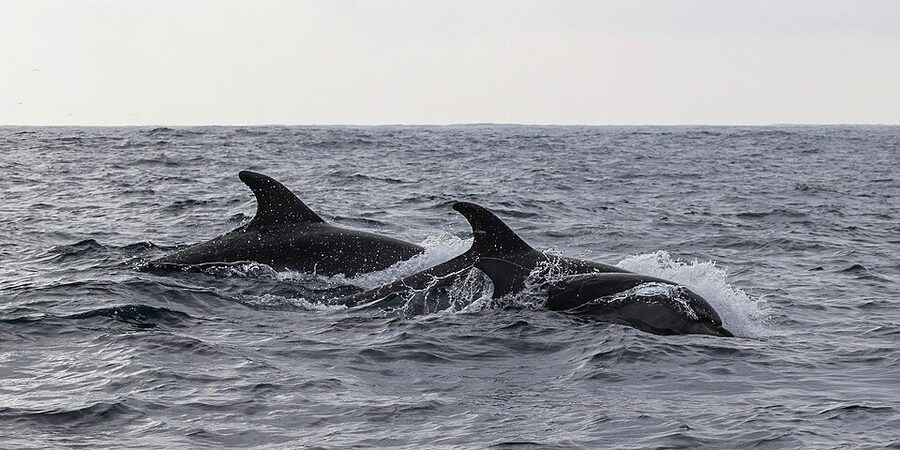
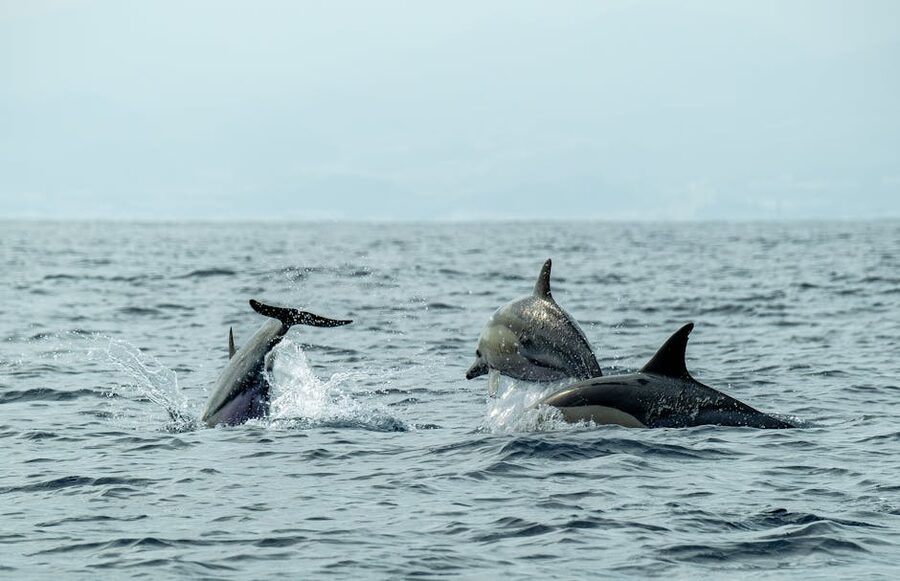
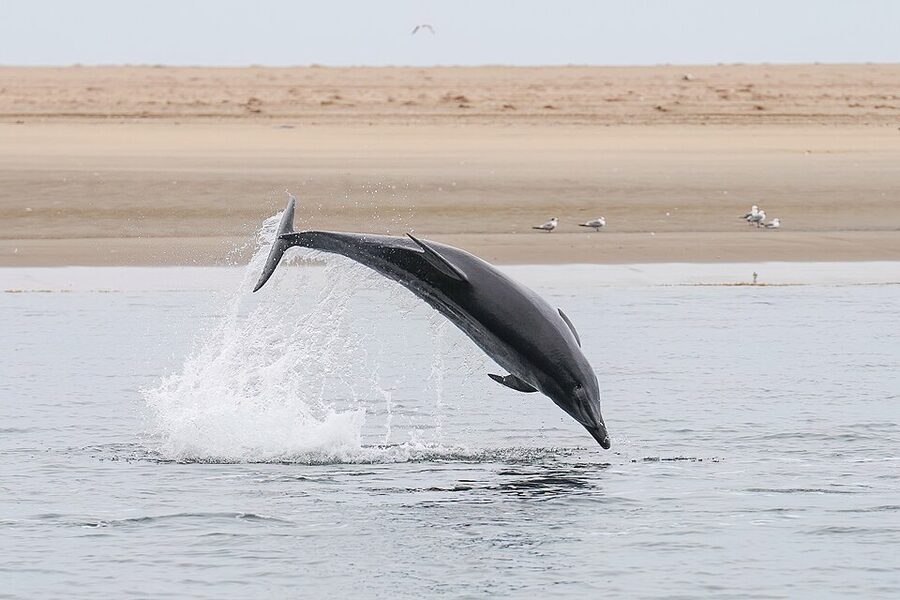
The headliners are bottlenose dolphins (Tursiops truncatus), the chunky, easygoing species you’ve seen on documentaries. They live here permanently. The Jandía channel is a feeding ground and a nursery. Pods are usually 8 to 20 strong, calves often visible against the adults, and they’re curious enough to ride bow waves on a slow boat.
You’ll also see common dolphins (Delphinus delphis), smaller and faster, with the hourglass yellow-and-grey flank pattern. These travel in bigger groups, sometimes 50-plus animals, and put on more of a show, leaping clear of the water at speed. They’re seasonal, mostly autumn through spring, but they’re there often enough that the smaller speedboats consider them a normal sighting.
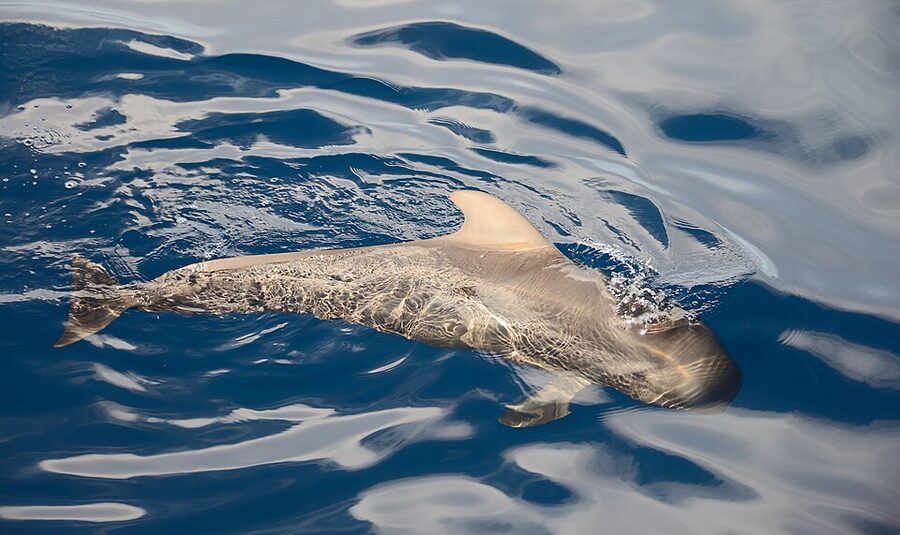
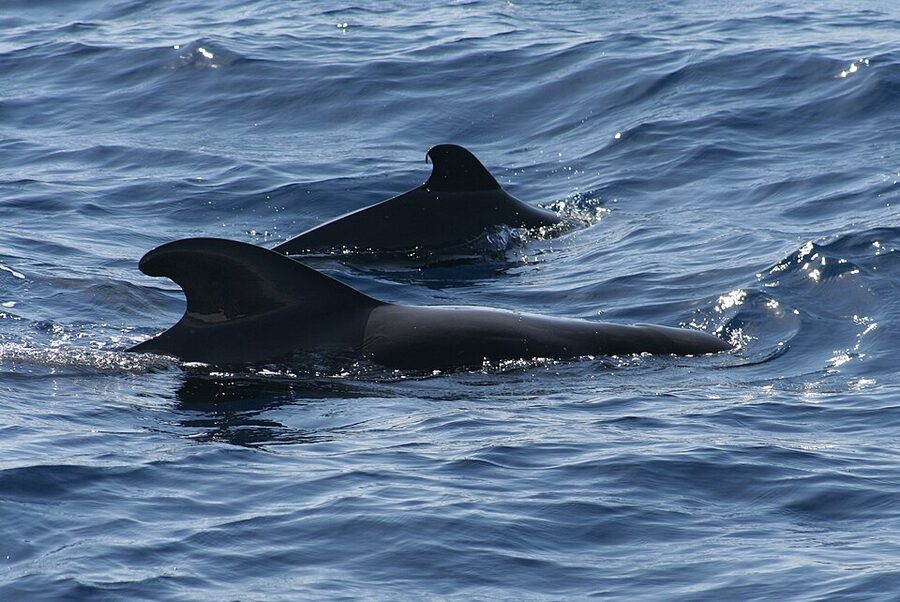
Then the whales. Short-finned pilot whales come through in summer, mostly between June and October, and stay for weeks at a time. They’re the same population that holds permanently off Tenerife’s southwest coast and they wander across to the Fuerteventura side when the squid run that way. Spotting a pilot whale group from Morro Jable is genuinely lucky. Bottlenoses are near-guaranteed; pilots are a bonus.
The far rarer ones, sperm whales, fin whales, the occasional Atlantic spotted dolphin, do show up in the deeper water further offshore. Don’t book expecting them. Book hoping. The captains who’ve been working the channel for ten-plus years still get surprised.
The boat options, in plain English
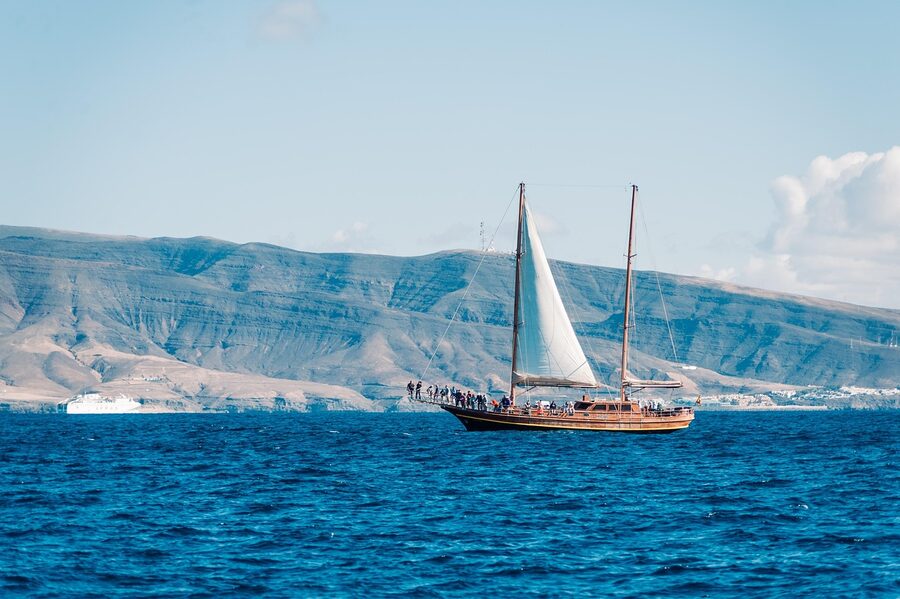
You’re picking between four basic shapes of boat from Morro Jable. The pricing is similar across all of them, the experience is not.
The big motorboat (the comfort default)
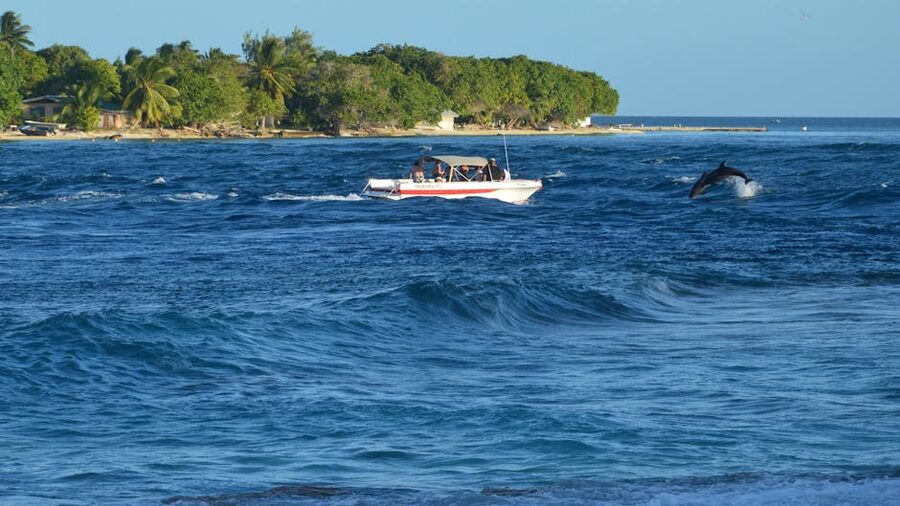
Two-deck cruiser, 30 to 60 passengers, on-board toilets, a small bar, an upper sundeck. Two hours typical. They cruise out at moderate speed, sit when they find dolphins, then push down toward the southern tip of Jandía for a swim stop in a sheltered cove. Drinks included. This is the boat I’d put any group with mixed ages on. It’s also what most of the budget all-inclusive resorts package into their excursions, which means it sometimes runs full. Not chaotic full, just shoulder-to-rail at the bow during a sighting.
The catamaran (the slow, comfortable day)
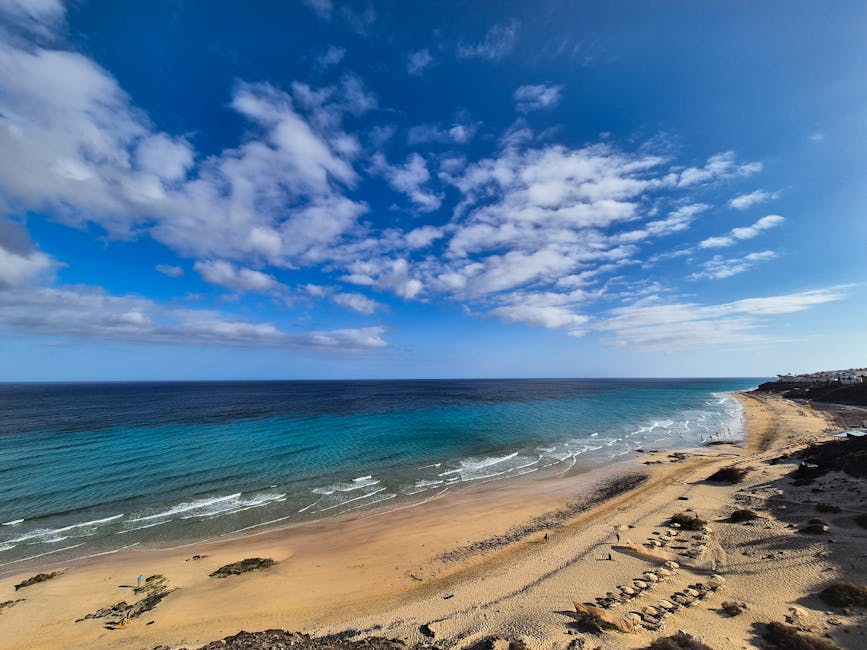
Four hours, much bigger boat, sailing nets you can lie on at the bow, a real lunch served on board, full bar. Slower over the water, which means a smaller search radius, but the comfort upgrade is real. If your group includes anyone who finds boats stressful, the catamaran is the answer. The Magic Select operates the most popular version, with hotel pickup across most of the Jandía resorts. We’ve covered the catamaran sister cluster on the Tenerife side in our Costa Adeje dolphin cruise guide if you want to compare formats.
The speedboat (the maximum-coverage option)
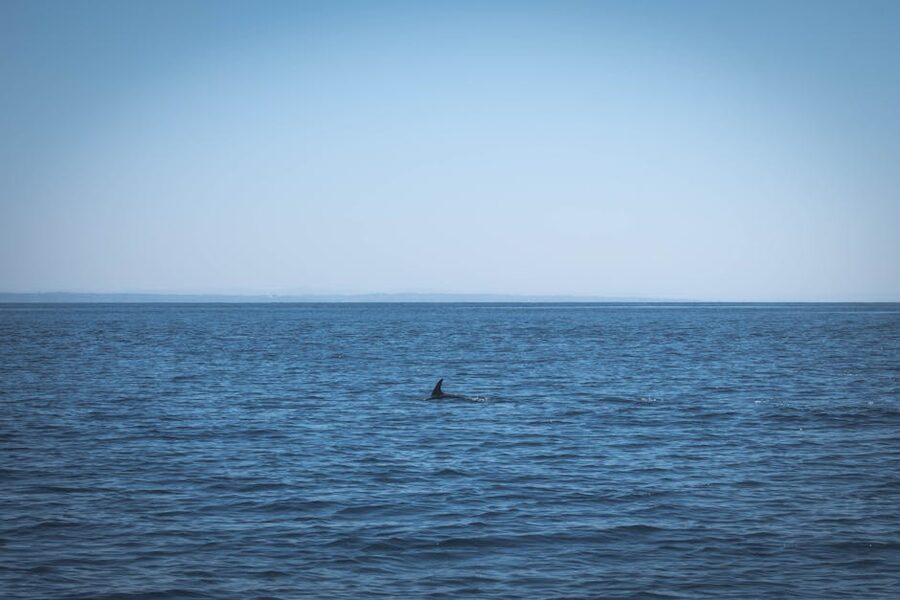
1.5 hours, 12 to 20 passengers, much faster. The speedboat covers more water in less time, which is the whole pitch. If a sighting on the standard route runs cold, a speedboat captain can sprint south or east and hunt. They also tend to attract the keen bird and wildlife crowd, which means a more focused group, less party energy. No toilet on board on most of these. Stay seated under way.
The small inflatable (the up-close option)
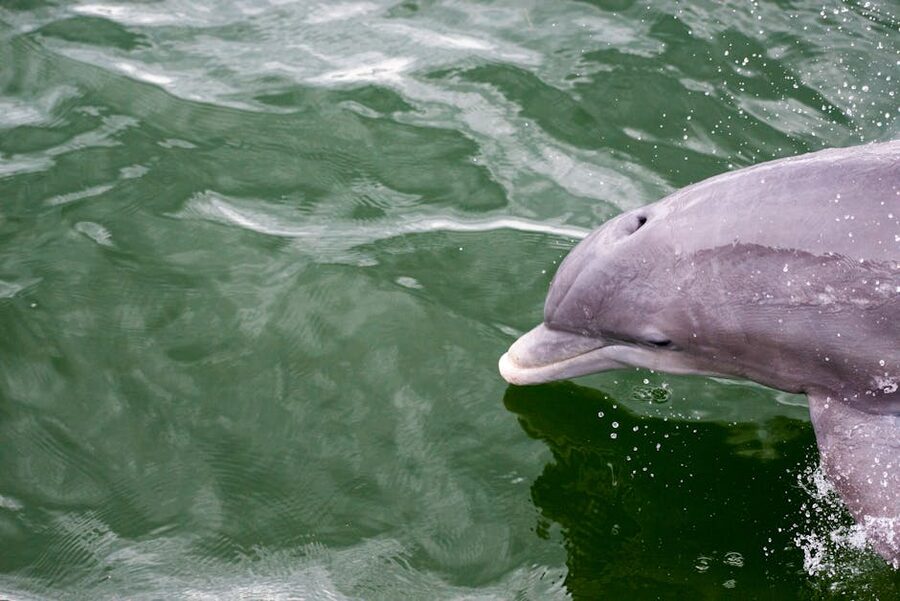
RIBs, basically. Twelve people max, low to the water, very direct. You feel every wave. The reward is proximity, dolphins riding the bow are a metre away, and the ability to reach pockets of coast the bigger boats skip. These are the most weather-sensitive of the four. If wind gets up they cancel. Snorkel kit included as a rule.
Why the speedboat plus snorkel combo is interesting
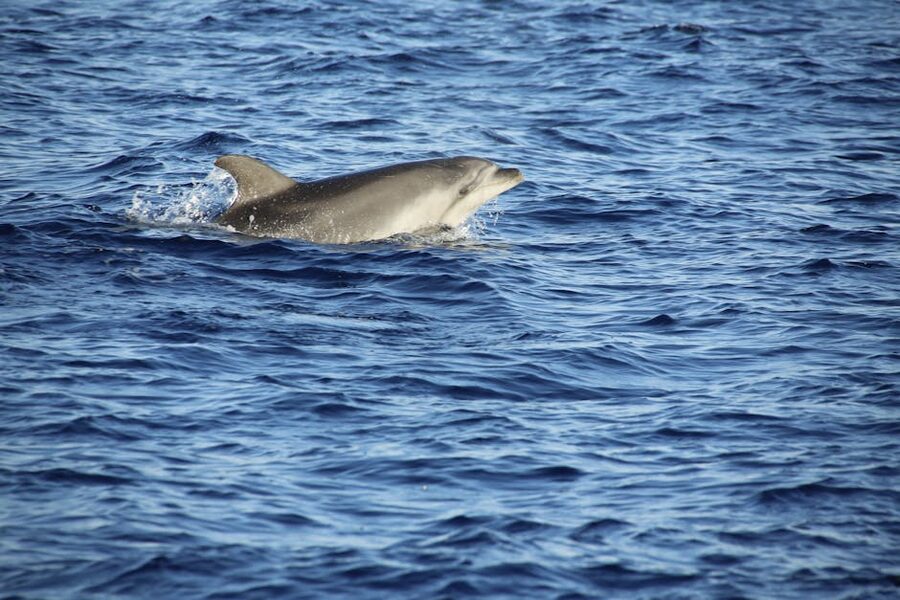
The combo trips are smart for one specific reason: the same channel that holds the dolphins is also reasonable snorkelling water. Visibility is around 15 to 20 metres on a typical day, the water sits at 19 to 22 degrees Celsius depending on the season, and the rocky stretches near the southern Jandía coast hold sea bream, parrotfish, the occasional ray. It’s not the Red Sea, but you’ll see fish.
The 1.5 to 2-hour boats with a snorkel break give you about 30 minutes in the water at an anchored stop. Mask, snorkel and fins are normally supplied, sometimes a flotation noodle. If you’re not a confident swimmer, ask for the noodle before you get in, the channel deepens fast off the beach.
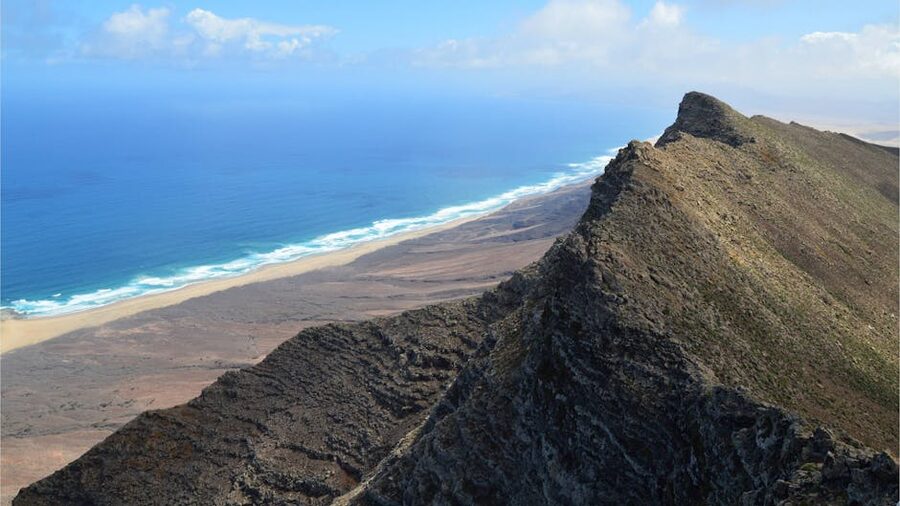
One detail I had to learn the hard way: cheaper trips often advertise “swim stop” but mean a swim off the back of the boat in 30 metres of water with no snorkel kit. That’s a swim, not a snorkel. If you want to actually look at fish, book the trip that says “snorkelling” in the title and “mask included” in the inclusions.
How to book without overpaying
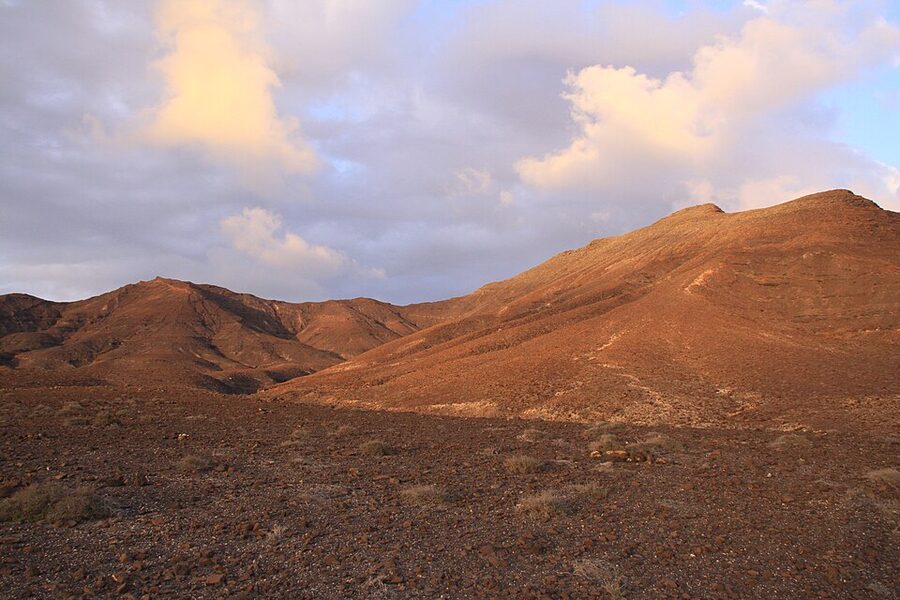
Three things I’d flag before you click book.
The hotel kiosks are about 15 to 25 percent more expensive than online. The companies operating the boats are the same. The kiosks add their own commission. If you book online ahead of time you’ll see the GetYourGuide or Civitatis price, the same boat, the same captain, just cheaper. The flagship Morro Jable cruise sits around $58 online; expect to be quoted closer to $70 at a hotel kiosk for the same departure.
The “free pickup” is real on the bigger operators. Most of the Jandía resort hotels, the chains around Solana Matorral, Costa Calma, Esquinzo, are on the pickup loop. The shuttle adds 30 to 45 minutes to your day but it saves a taxi each way. The smaller speedboats often don’t include pickup, you’ll need to be at the marina under your own steam.
Book the morning slot if you can. The wind tends to build through the day even on the sheltered side. The 9am or 10am departures are flatter and the dolphins feed more actively in the early hours. The 2pm slot still works most days but you’re rolling more dice.
If you’re in the southwest of the island and want a different style of day on the water entirely, our Tenerife kayak and snorkel with turtles guide covers a totally different format, paddling rather than cruising, and a different headline animal. It’s worth a look as a comparison even if you’re not crossing islands.
The 3 cruises I’d actually book from Morro Jable
I’ve sorted these by the kind of day you want, not by review count. Skip ahead if you’ve already decided.
1. Morro Jable: Dolphin and Whale Watching Cruise, Drinks and Swim: from $58
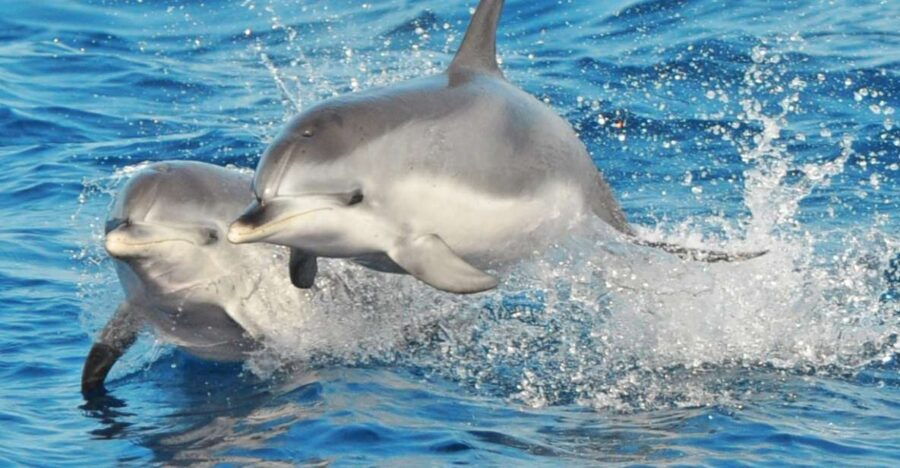
The default Morro Jable dolphin trip for anyone who isn’t fixed on a specific format. Two hours from the new harbour, comfortable cruiser, drinks included, a swim stop near the southern tip of Jandía. The boat is steady enough that anyone prone to seasickness will be fine on a normal trade-wind day. Our full review of this Morro Jable cruise covers the route, the bar, and what visitors actually saw on recent departures.
2. From Morro Jable: Dolphin and Whale Watching with Snorkelling: from $61
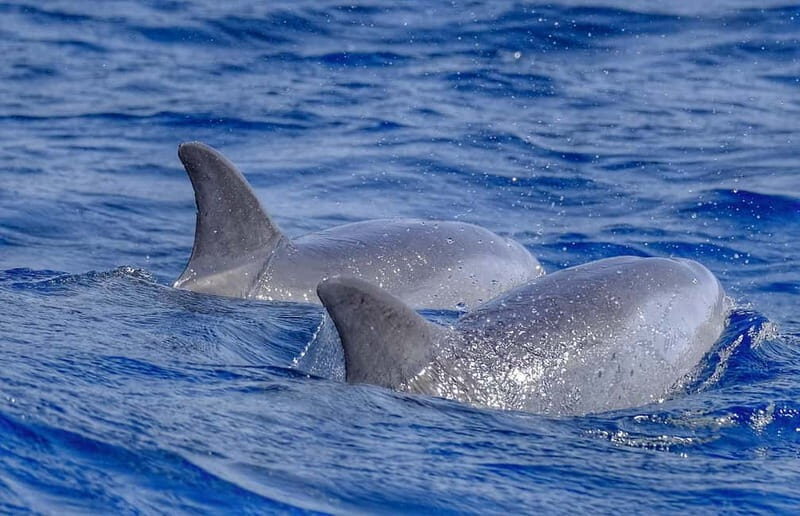
This is the speedboat-plus-snorkel combo if you want both halves of the experience in the same booking. About 1.5 hours of dolphin search followed by 30 minutes anchored at a snorkel spot, mask and snorkel supplied. Smaller group, faster boat. We dig into the gear quality and the actual snorkel cove in our Morro Jable dolphin and snorkelling review.
3. From Morro Jable: Dolphin and Whale Watching by Speedboat: from $59

The straight speedboat run for people who want every minute of the trip spent looking for cetaceans. No snorkel stop, no swim, just water-time. The captain has the freedom to redirect to where the pods actually are rather than sticking to a fixed swim cove. Our speedboat review covers what the search pattern looks like and how recent departures fared.
If those three are sold out
Three more I’d happily book if the top picks aren’t available. The Magic Select catamaran trip with food and drinks is the slow-day option, four hours, real lunch, broader sundeck, and pickup across the Jandía hotels. Better for couples or anyone wanting a sea day rather than a wildlife sprint.
The two-hour Magic dolphin and whale cruise with drinks and a swim stop is the close substitute for our top pick if it’s full, similar boat, similar route, just a different operating slot. And the sailing trip with snorkelling and dolphin watching is the option to book if you specifically want to be under sail rather than under power, slower again, but quieter.
Practical, what to pack and when to go
Reef-safe sunscreen, a hat, a thin layer for the boat ride out (the wind on the upper deck is colder than the air on shore), water, a phone in a dry pouch if you’re going to be at the rail. Reusable water bottle if the operator has a refill point, most do. Cash for tips if the captain or crew is genuinely good. Tipping isn’t expected here the way it is on the Tenerife side, but a couple of euros each from a happy group goes a long way with the smaller operators.
Best months: April through October give you the longest, warmest days and the highest hit rate on pilot whales. November through March still works but the channel is a little choppier and the calima haze hangs around more often. Mid-July to August is peak season; book at least a few days ahead.
Watch out for the wind warnings. Fuerteventura’s reputation as the windy island isn’t a marketing line. Days marked “alerta amarilla” by the Spanish met office (AEMET) usually mean afternoon departures cancel and morning ones are pushed earlier. The operator will move your booking automatically. Just don’t pin a single afternoon to one departure if your trip dates are short.
The wider area, beyond the boat
Morro Jable itself is small. The old village runs along the cliff above the new harbour, the long beach (Playa del Matorral, behind the lighthouse) stretches east for 4km, and the new resorts spread north toward Solana Matorral. The boat trip eats roughly half a day. The other half is yours.
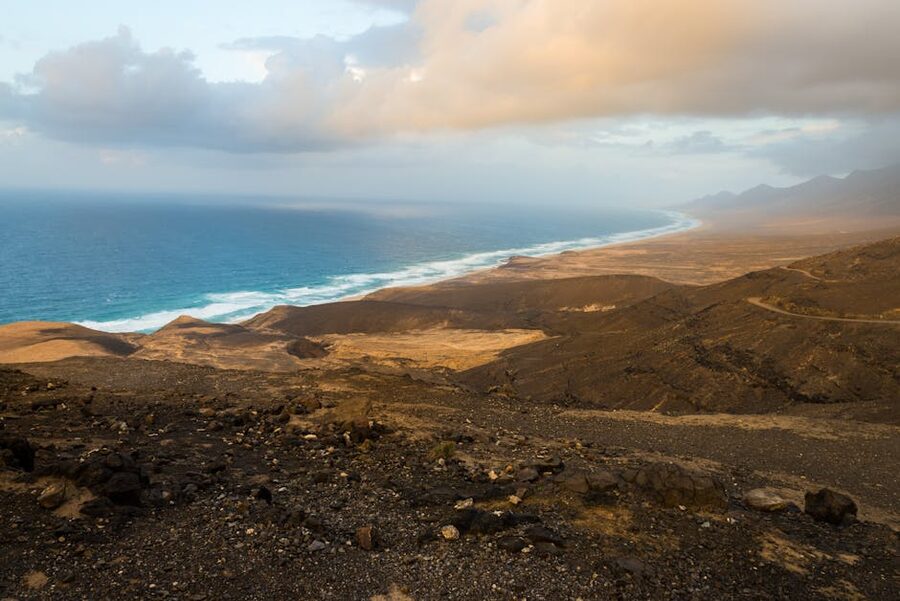
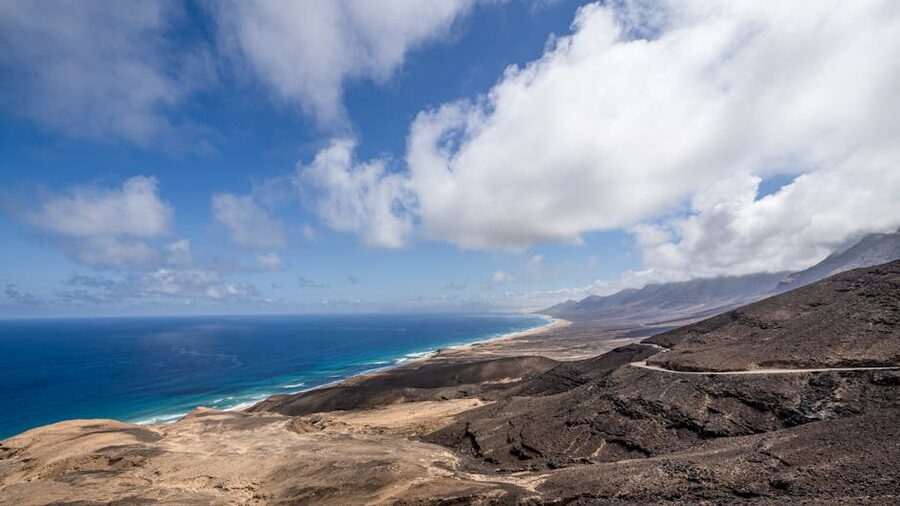
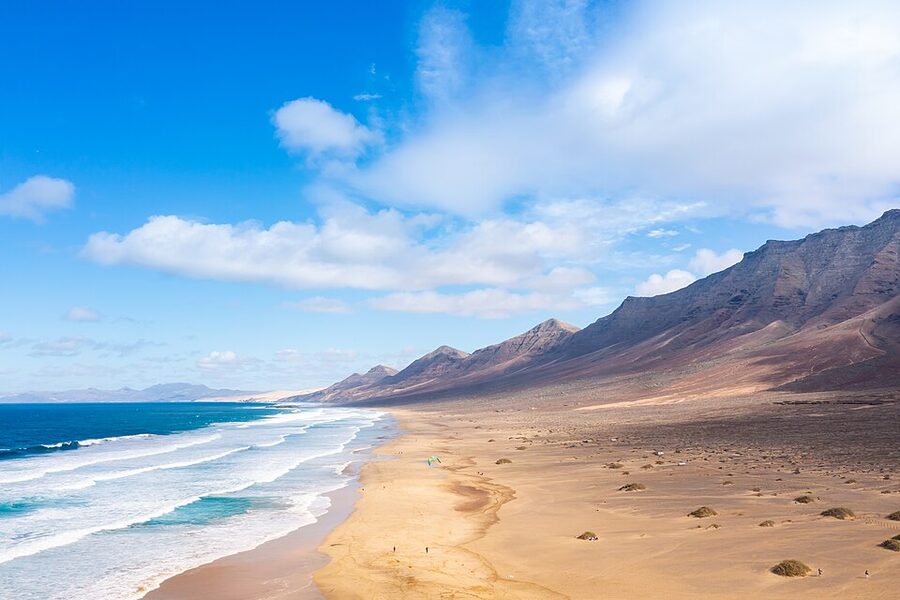
The 4WD trip across to Cofete, 25km of bare beach on the windward side of the same peninsula, is the single best day-trip from this end of the island. There’s a Villa Winter on the way, an interwar mansion with a contested history, plus the bus or jeep transfer is the only way in unless you’re driving rented 4×4. Most operators selling the dolphin cruise also sell a Cofete excursion as a package.
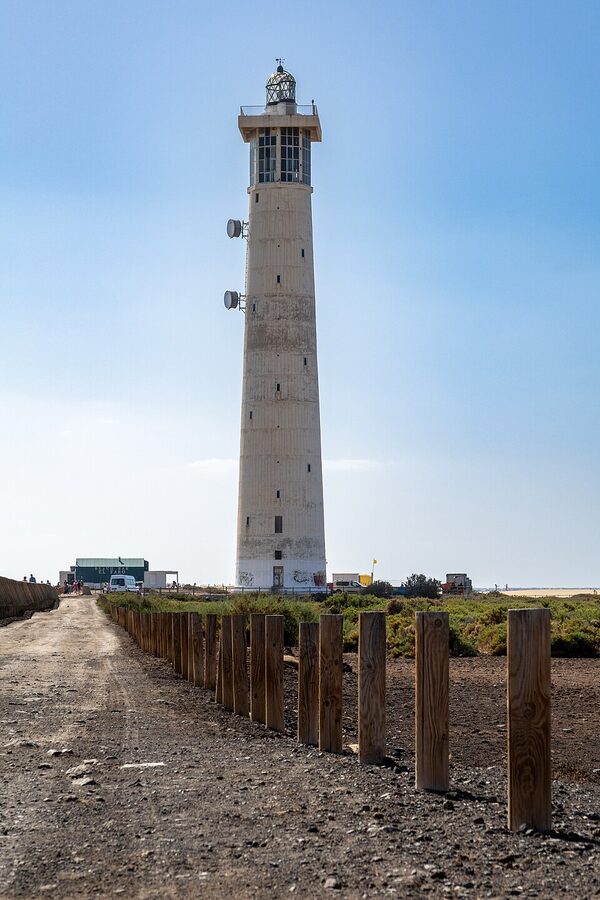
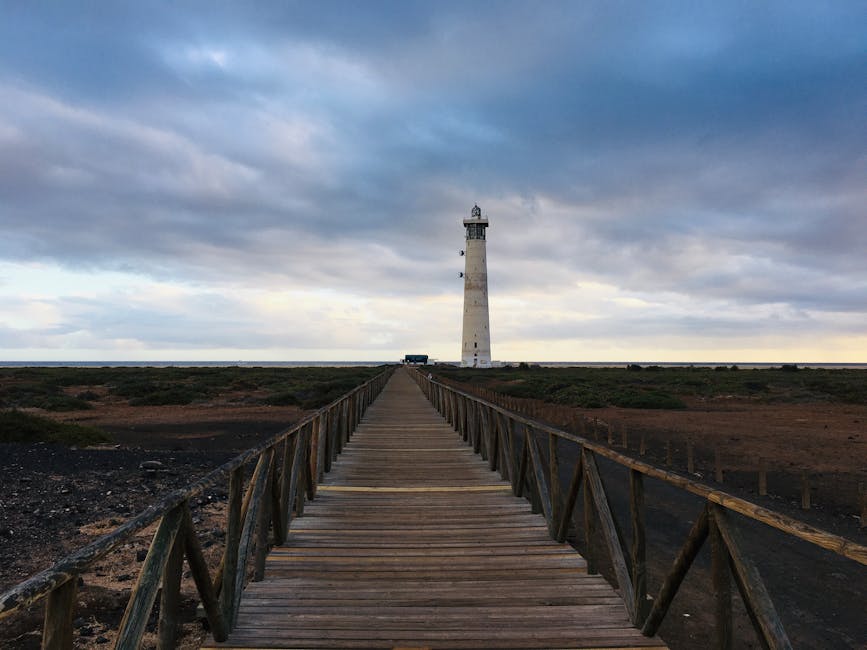
The lighthouse area, around the Faro and the Saladar de Jandía wetland behind it, is genuinely good in the early morning. Flamingos pass through, ospreys nest on the cliffs, the boardwalk through the marsh is empty before about 9am. It’s a 30-minute walk from the harbour.
For dinner, the harbour-side restaurants (Atlántico, Saavedra) are the working fishermen’s spots and have been since the village was a fishing port. Order the local fish (cherne, vieja, sama), house wine, papas arrugadas with mojo. Skip the resort buffets if the day was a good one.
How Morro Jable stacks up against Tenerife
If you’re choosing between islands, here’s the head-to-head.
Tenerife wins on guaranteed sightings of pilot whales, on the depth of the eco-certified operator pool, on the sheer number of departure slots (Los Cristianos and Puerto Colón together run dozens of boats a day), and on the variety of sub-formats (sailboats, eco-yachts, biologist-led small groups). Our Los Cristianos whale watching guide and the Costa Adeje dolphin cruise breakdown are the deeper reads on that side.
Morro Jable wins on uncrowded boats, on the quality of the actual sighting (less boat noise, more relaxed animals), and on logistics if you’re already on Fuerteventura. It’s the better choice if you’ve come for the beach and the windsurfing and want one boat day; it’s the weaker choice if dolphin watching is the only reason for the trip.
The chasing problem is real on Tenerife and almost not a problem on Fuerteventura. Tenerife has had to roll out the Barco Azul certification specifically because the volume of operators created a chasing culture. The smaller Morro Jable fleet hasn’t run into the same pressure, fewer boats means less competition for the same pod, less reason to push the animals. You still want a captain who keeps a respectful distance, but the pool here is broadly behaved.
If you’re island-hopping, do both. They’re different trips.
A note on kids, seasickness and accessibility
Kids: the bigger motorboat and the catamaran are both fine for kids 4 and up. Toddlers need to be in arms or a carrier under way. The speedboats and inflatables don’t take under 6s on most operators (it’s in their insurance), and frankly the impact on small bodies is too rough.
Seasickness: the catamaran is the steadiest. The big motorboat is fine. The speedboat is bouncier but still tolerable for most. The inflatable is the worst of the four if you’re prone. Take the tablet 45 minutes before you board, not on the boat.
Accessibility: the new Morro Jable harbour has step-free access to the main pontoons, but boarding the boat itself usually involves a small step. The bigger boats have better-equipped on-board toilets but none of the operators advertise full wheelchair accessibility. If accessibility matters, email the operator the day before, they’ll level with you.
Bringing it back
If you want my one-line take: book the flagship two-hour cruise from the new harbour, take the morning slot, sit on the upper deck. You’ll see bottlenoses on roughly nine days out of ten between April and October, common dolphins on probably five out of ten, and pilot whales on two or three out of ten through the summer. That’s a hit rate the Mediterranean wishes it had.
And do it on a quieter day, with fewer boats around, on a sea that genuinely does sit calm. That’s the part Fuerteventura keeps quiet about while Tenerife takes the publicity.
Where to next on the Spain trail
If the Morro Jable trip is the marine highlight of a wider Spain run, three more on the same energy. Across the strait, our Tenerife Loro Parque guide handles the closest big-name marine and bird park, useful as a wet-weather backup or a follow-up if your kids loved the dolphin trip. Up in the Balearics, the western Ibiza cruise breakdown covers a totally different style of boat day on the other end of the country, and on the mainland the Valencia Oceanogràfic guide goes deep on Europe’s biggest aquarium for anyone wanting the species in close-up after seeing them in the wild. For something else volcanic, our Mount Teide guide pairs well as the dryland half of a Canaries week.