Japan’s appeal is its sharp contrasts: one day you’re taking a bullet train through the country, another you’re learning calligraphy or walking among Kyoto’s red torii gates. This Globus tour connects Tokyo, the Japanese Alps, Kyoto, Hiroshima, and Osaka, with a thoughtful mix of major sights and hands-on cultural activities.
I like the range of experiences, from a tea ceremony and sake tasting to cooking lunch with a local chef. I also like that the tour takes you beyond the biggest cities, to Takayama, Shirakawa-go, and Kanazawa, where Japan’s pace and scenery change.
The main trade-off is a full schedule. Several days combine long drives with multiple stops, and Tokyo gets just one full day at leisure. If you prefer to linger or make your own plans, the guided format may feel brisk.
Key points to know
- Tokyo’s culture comes with a practical introduction: Calligraphy, a tea ceremony, Meiji Shrine, Asakusa, and its Nakamise shopping arcade fill the first full sightseeing day.
- The route reaches beyond the big cities: Takayama, Shirakawa-go, Kanazawa, and the Japanese Alps add rural streets, thatched houses, gardens, and mountain views.
- Hands-on activities are part of the plan: You’ll try calligraphy, Yuzen dyeing, gold-leaf decoration, Japanese cooking, and, if the schedule allows, a kimono fitting.
- Hiroshima is given time and care: The Peace Memorial Park, Museum, and Memorial Hall are paired with a ferry trip to Miyajima and Itsukushima Shrine.
- Hotels and transport are a major part of the value: Fourteen hotel nights, intercity transport, guided sightseeing, daily breakfast, seven lunches, and three dinners are included.
- The pace is active despite a low physical rating: Expect several early starts, walking at historic sites, and travel days with multiple stops.

👉 See our pick of the 25 Best Guided Tours In Tokyo
- Key points to know
- A strong first taste of Japan, with little guesswork
- Tokyo: shrines, tea, and one open day
- Mount Fuji, wasabi, and Matsumoto Castle
- Takayama and Shirakawa-go: a slower side of Japan
- Kanazawa and Kyoto: gardens, gold, and sacred sites
- Nara: deer, lanterns, and a giant Buddha
- Hiroshima and Miyajima: memory and beauty side by side
- Osaka: castle grounds, street food, and free time
- Hotels, guides, and the cost
- Who should book this Japan tour?
- FAQ
- How long is the tour, and where does it start and end?
- Are flights included in the price?
- What meals are included?
- How large is the group?
- Is the tour guided in English?
- Is the ryokan stay included?
- The Best Of Tokyo!
- More Tours in Tokyo
- More Tour Reviews in Tokyo
- Not for you? Here's more nearby things to do in Tokyo we have reviewed
A strong first taste of Japan, with little guesswork
 1 / 10
 2 / 10
 3 / 10
 4 / 10
 5 / 10
 6 / 10
 7 / 10
 8 / 10
 9 / 10
 10 / 10
The appeal here is not simply the number of famous places. Globus links them with experiences that help explain how daily traditions work: you prepare tea according to a formal ritual, practice calligraphy with a master, and make dishes such as miso soup and sushi rolls in a cooking class.
The route also makes geographical sense. You begin in Tokyo, move through the mountain country and historic towns, settle into Kyoto for several nights, then continue by bullet train to Hiroshima and Osaka. That progression gives you a useful contrast between Japan’s modern capital, rural communities, former imperial centers, and lively western cities.
The tour is fully guided in English, with a Tour Director accompanying the group and local guides at some destinations. Group size can range from 8 to 46, so the feel may vary by departure. The low-intensity rating is reassuring, but it doesn’t mean the days are idle: temples, markets, gardens, and shopping streets call for plenty of walking.
You can also read our reviews of more tours and experiences in Tokyo.


Tokyo: shrines, tea, and one open day
Your first day is for arrival and hotel check-in, available mid-afternoon. There is no scheduled sightseeing, which gives you a chance to recover from the flight and get oriented rather than race straight into a tour.
The first full day packs in several introductions to Japanese culture. Meiji Shrine sits in a man-made forest, a striking pause from the city’s traffic and crowds. A calligraphy lesson and tea ceremony add context to customs that can otherwise seem mysterious when you encounter them as a visitor.
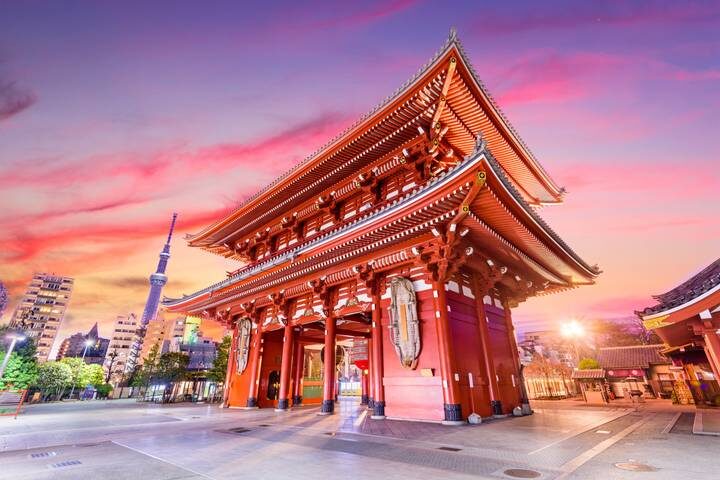
Later, you visit Asakusa Kannon Temple and walk through Nakamise shopping arcade. The arcade is a useful place to browse traditional souvenirs and snacks, though the schedule leaves less room for unhurried shopping than you might want. The evening welcome dinner gives the group a chance to meet the Tour Director and one another.
Day three is free. That is your one full day in Tokyo to choose your own direction: the tour suggests Ginza, Shibuya, street-food markets, or an event at Tokyo Dome. Tokyo Skytree appears among the tour’s advertised highlights, but it is not listed as an included stop in the day-by-day schedule. If it matters to you, check whether there is time to visit independently.
Mount Fuji, wasabi, and Matsumoto Castle
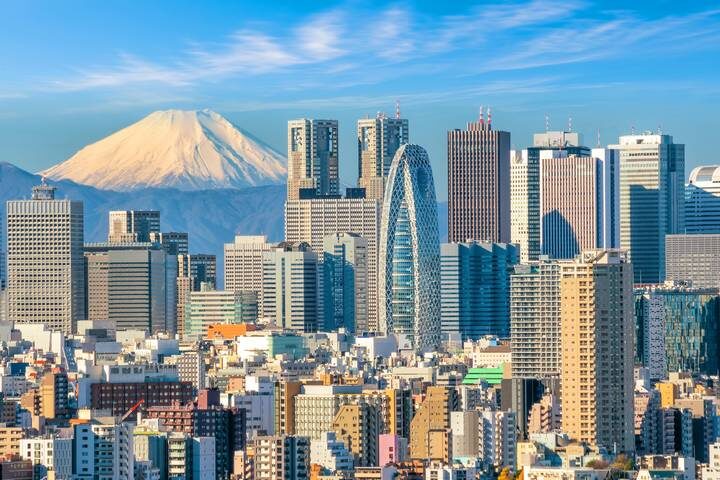
A bullet train takes you from Tokyo to Odawara, followed by a transfer into the Hakone and Five Lakes area. You’ll ride a cable car for Mount Fuji views and cruise on Lake Ashi. Fuji is famously shy behind clouds, so treat the view as a bonus rather than a promise. The day is still worthwhile for the combination of train travel and mountain scenery.
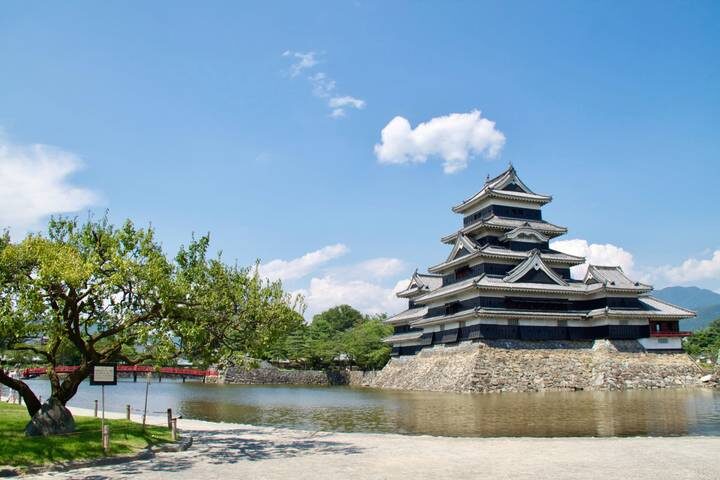
The next leg heads to Matsumoto, gateway to the Japanese Alps. A wasabi farm visit explains how the plant is grown and used, with a chance to sample wasabi ice cream. It is a playful taste of local food culture, though the flavor is not for everyone. Matsumoto Castle, a 16th-century National Treasure, gives the day a more substantial historical anchor.
You continue to Takayama, where dinner at the hotel is Japanese-style. This is one of the longer travel days, with several distinct stops and onward travel. Enjoy the variety, but don’t count on having much spare time between them.
Takayama and Shirakawa-go: a slower side of Japan
Takayama starts with a morning market, where local farmers sell fruits, vegetables, and flowers. You’ll also visit Takayama Jinya, a preserved Edo-period government office dating from 1692 to 1868. Its survival makes it an unusually concrete way to picture the administration of an earlier Japan.
A sake tasting in the San-Machi Suji historic district introduces local breweries and the old merchant streets. The rest of the day is at leisure, which is welcome after the previous day’s travel. You can wander narrow lanes where shops and businesses have traded for generations.
There is an optional ryokan stay for an additional fee, with advance booking required and limited space. The traditional room has tatami flooring and a thin sleeping mattress, plus a private bathroom; dinner and breakfast are included. It is a worthwhile upgrade if you want to experience a traditional inn, but it does mean accepting a firmer, less familiar sleeping setup.
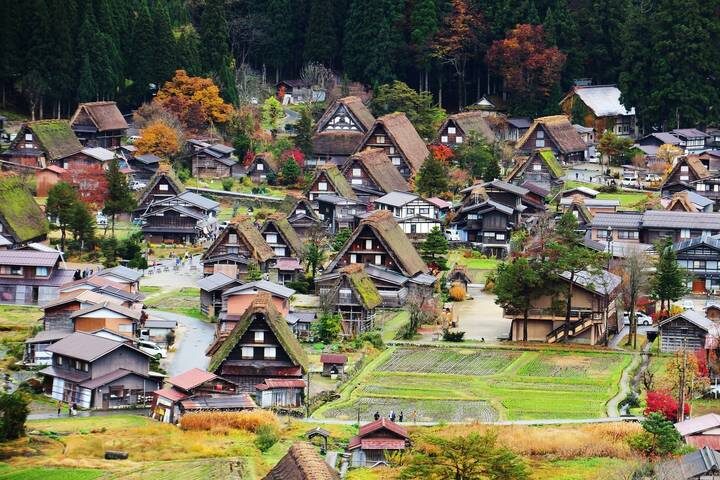
On the drive through Shokawa Valley to Shirakawa-go, you’ll see the Gassho-Zukuri thatched houses, built in a distinctive steep-roofed style. Their remote setting and unusual construction make this a welcome change from temple-heavy sightseeing. The day ends in Kanazawa with Kenroku-en, one of Japan’s celebrated gardens, and a gold-leaf class where you decorate a keepsake bento box.
Kanazawa and Kyoto: gardens, gold, and sacred sites
Kenroku-en is designed around six qualities associated with an ideal garden, including spaciousness, tranquility, and views. Take time to notice its ponds and carefully shaped plantings rather than treating it as just another photo stop. The gold-leaf activity adds a tactile counterpoint: you learn about a local craft and leave with something you made.
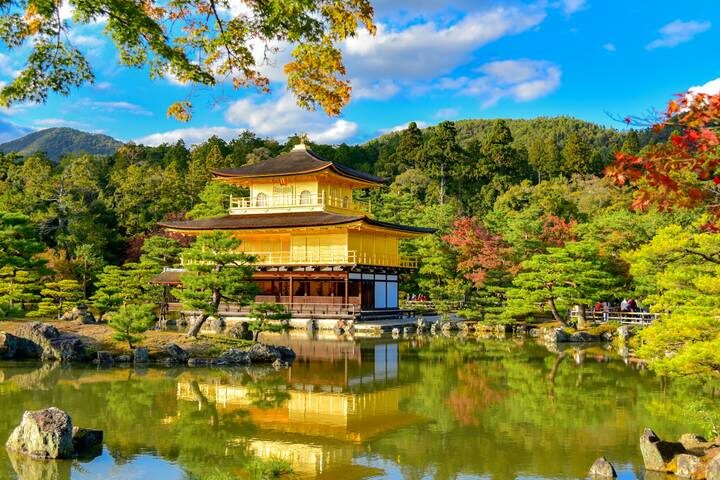
In Kyoto, the tour visits Kinkakuji, the Temple of the Gold Pavilion, then introduces Yuzen dyeing, a technique used to decorate kimono cloth. You’ll make a souvenir using the method before visiting Sanjusanjendo Temple, known for its 1,001 gold-leafed statues of Kannon. The effect is striking, though the day includes several highly visual religious sites in quick succession.
There is an option to join the Tour Director for a walk through Gion, or you can use free time to explore additional temples. Check what is available for your departure, since the Gion walk is optional and may require an extra purchase.
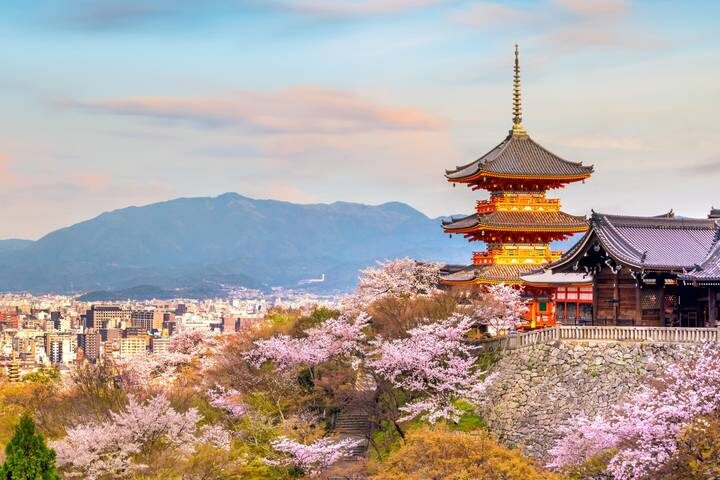
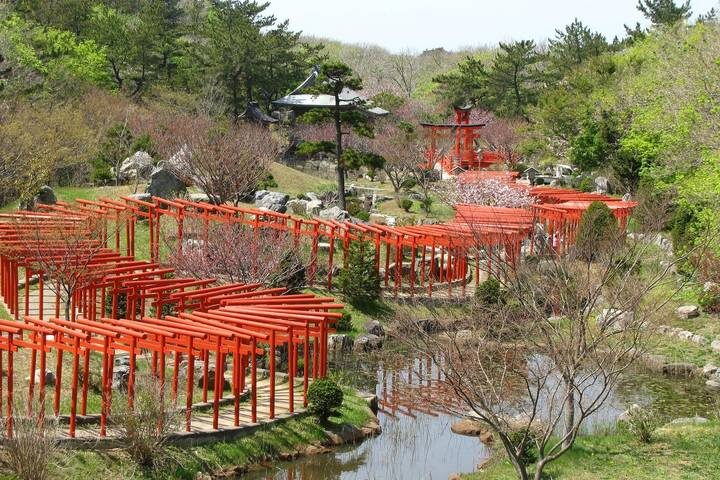
The next day brings two of Kyoto’s best-known sights. At Fushimi Inari Shrine, thousands of red torii gates trace paths up the hillside. Give yourself time to walk beyond the first stretch if the schedule permits; the gates are the main attraction, but the climb and changing views are part of the experience. Kiyomizu Temple sits on a hillside above the city, and the surrounding Higashiyama area is lined with shops and restaurants.
Lunch is a cooking class led by a local chef. You’ll learn to make miso soup, teriyaki chicken, and makizushi, or sushi rolls. A kimono fitting is also included, though the schedule can affect whether it takes place. These activities make the Kyoto stop more than a parade of temples, and they offer a welcome change of pace.






Nara: deer, lanterns, and a giant Buddha
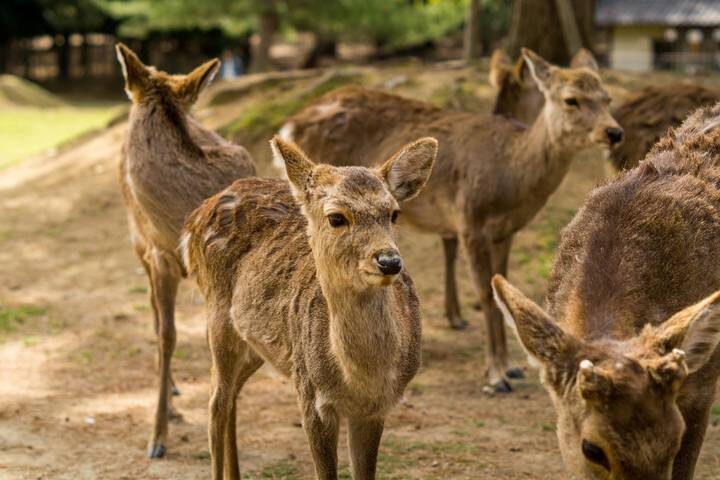
Nara is a day trip from Kyoto, so you avoid changing hotels while still seeing two important heritage sites. In Nara Park, free-roaming deer move around the grounds among the temples and shrines. Kasuga Shrine is known for its roughly 3,000 stone and bronze lanterns.
Todaiji Temple, first built in 752, houses the Daibutsu, a copper-and-bronze Buddha about 49 feet tall. The scale of the statue is hard to grasp until you stand in the hall. The tour ends the day with a farewell dinner hosted by the Tour Director, a natural point to take stock before the final stretch.
Hiroshima and Miyajima: memory and beauty side by side
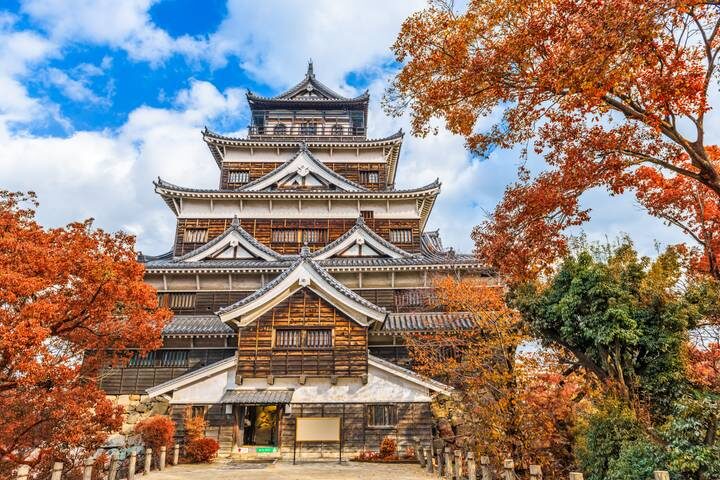
A shinkansen carries you from Kyoto to Hiroshima. On arrival, a local guide takes you to Shukkei-en, a 400-year-old garden that represents natural scenery in miniature. The change from Kyoto’s temples to Hiroshima’s garden and memorial sites adds a different tone to the trip.
The following day is devoted to Peace Memorial Park, the Peace Memorial Museum, and the Memorial Hall. These are essential places, but they are solemn, and you should allow yourself time to take in what you see. The visit helps put the city’s history in human terms rather than reducing it to a date in a textbook.
After lunch, a ferry takes you to Miyajima Island for Itsukushima Shrine and its famous floating torii gate. You’ll have time to explore shops and get something to eat before returning to Hiroshima. The contrast between a place of remembrance and a sacred island setting is powerful, though it also makes for a long and emotionally varied day.
Osaka: castle grounds, street food, and free time
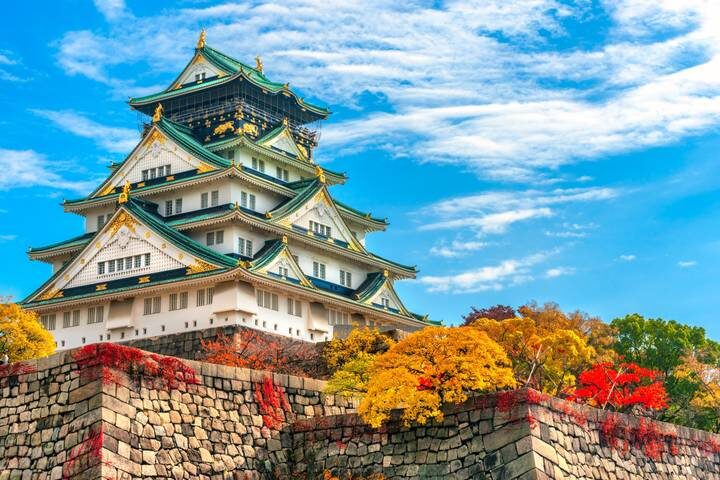
The bullet train takes you to Osaka, where a local guide leads a visit to Osaka Castle and its surrounding park. The tour then heads to Minami, encompassing Shinsaibashi, Namba, and Dotonbori Street. Lunch features okonomiyaki, the savory pancake associated with Osaka, and the walking tour introduces an area known for shopping, entertainment, and dining.
Your final full day is free, giving you time to return to Minami or visit the Open-Air Museum of Japanese Farmhouses. A practical note: the museum suggestion involves a metro trip, and one traveler found that the suggested station was just beyond the boundary of the provided metro pass. Check the pass limits before you set out, and be ready to pay a small extra fare if needed.
The tour ends after breakfast on day 15. It starts in Tokyo and finishes in Osaka, so plan your flights around different arrival and departure cities. Flights and insurance are not included.
Hotels, guides, and the cost
The advertised starting price is $10,299, based on the cheapest room option. For 15 days, that includes 14 nights in named hotels such as the Hilton Tokyo, Hotel Associa Takayama Resort, Hotel Nikko Kanazawa, Hotel Okura Kyoto, Sheraton Grand Hiroshima Hotel, and Imperial Hotel Osaka. Past tour participants particularly praised the hotel standard and central locations, which can save time when you want to explore after the day’s scheduled visits.
The price also covers transport between destinations, including bullet trains, daily breakfast, seven lunches, three dinners, and the guided activities described above. You’ll still need to budget for flights, insurance, meals not included, optional activities, and personal spending. With multiple hotel changes and intercity journeys arranged for you, the price buys convenience as much as sightseeing.
Guides can make a major difference on a trip with this many stops. Past departures have included Tour Directors named Hiro Tokuchi, Yuki, Naoko, and Takako, along with local guides such as Jackie in Osaka. Assignments vary, so no particular guide is guaranteed. The practical value of the format is having someone coordinate transport and timing; the downside is that you have less control over how long you spend at each site.
Who should book this Japan tour?
Book this tour if you want a broad introduction to Japan without arranging trains, hotels, and transfers yourself. It suits first-time visitors who value a strong hotel standard, cultural activities, and a route that includes both major cities and smaller historic destinations.
Think twice if you prefer a slow pace, want several full days in Tokyo, or like to choose every stop for yourself. The schedule is dense, and there are many shrines and temples, a point worth weighing if those are not your main interest. For a traveler who wants structure, variety, and a clear view of Japan from Tokyo to Osaka, this is a well-rounded route with meaningful time in Hiroshima and memorable hands-on experiences.
Visions of Japan with Hiroshima & Osaka 15-Day Tour by Globus
“Wonderful introduction to Japan travelling and seeing some amazing places with our very friendly and well informed guide Naoko”
FAQ
How long is the tour, and where does it start and end?
It lasts 15 days, starting in Tokyo and ending in Osaka. The tour includes 14 hotel nights.
Are flights included in the price?
No. Flights and travel insurance are not included.
What meals are included?
Breakfast is included every day, along with seven lunches and three dinners. Other meals are at your own expense.
How large is the group?
The stated group size ranges from 8 to 46 people. Some departures may be smaller, while standard groups are often around 40.
Is the tour guided in English?
Yes. The tour is guided in English by a Tour Director, with local guides at some destinations. French-language guiding is not offered.
Is the ryokan stay included?
No. The Takayama ryokan stay is an optional upgrade with an additional fee, requires advance booking, and has limited space. Traditional Japanese dinner and breakfast are included with that stay.























