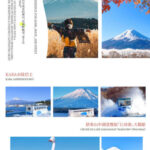
Mount Fuji is the star, but this tour gives you more than a quick roadside photo: you get lakeside stops, a ropeway ride, a matcha session, and a night at a hot spring hotel. I like that mix of classic Fuji views and low-key cultural stops, and I like that the second day adds cycling rather than another long stretch of sightseeing from a vehicle.
The trade-off is a tightly timed group route. Traffic, weather, and crowds can change the order or cut stops short, and the two-day package details leave some questions about meals and bike rental. One customer singled out driver Mr. Zhao as professional and enthusiastic, but your driver may be someone else.
- What makes this Fuji trip worth a look
- Two days, many versions of Mount Fuji
- Day one: flowers, matcha, and a view from above
- Oshino Hakkai and a hot spring night
- Day two: Hirano Beach and Lake Yamanaka by bike
- McDonald’s, Lawson, and the Fuji photo circuit
- The schedule, price, and fine print
- Should you book this Mount Fuji tour?
- FAQ
- Does the tour depart from Tokyo?
- How long is the tour?
- Is the ropeway ticket included?
- Are meals included?
- Is bicycle rental included?
- What happens if it rains during the Lake Yamanaka cycling stop?
- How much luggage can I bring?
- What is the cancellation policy?
- The Best Of Fujikawaguchiko!
- More Boat Tours & Cruises in Fujikawaguchiko
- More Tours in Fujikawaguchiko
- More Tour Reviews in Fujikawaguchiko
- Not for you? Here's more nearby things to do in Fujikawaguchiko we have reviewed
What makes this Fuji trip worth a look
- A night near Mount Fuji: The hotel stay includes access to a hot spring experience. Dinner and breakfast are described in the accommodation details, though the inclusions list also names lunch, so confirm the meal package before booking.
- Two different lakeside moods: Oishi Park or the seasonal Maple Corridor frames Fuji with flowers or autumn color, while Hirano Beach and Lake Yamanaka bring the focus to open water and cycling.
- A matcha stop with context: The session is a chance to learn about making and tasting matcha, not just to tick off another viewpoint.
- A high view without a hard climb: The Kawaguchiko ropeway reaches a 1,075-meter observation deck in about three minutes.
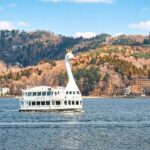
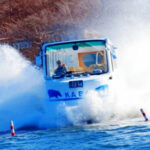
- A weather backup: Heavy rain can replace the Lake Yamanaka cycling route with a swan-shaped sightseeing boat trip.
- Famous photo stops, with a caveat: Lawson, McDonald’s, Arakurayama Sengen Park, and Shimoyoshida are photogenic, but they can be crowded and the best Fuji views depend on clear skies.

👉 See our pick of the 4 Best Private Car With Driver Services in Fujikawaguchiko
Two days, many versions of Mount Fuji
This is a packed circuit through the Fuji Five Lakes area, with a Tokyo departure, a one-night hotel stay, and a return to Tokyo or a specified address. The appeal is range: you move from park and lake views to springs, tea culture, cycling, and a traditional town setting.
The cost starts at US$272.05 per person when two or three people share a room. A single room starts at US$314.65. That price covers transport from the meeting point, fuel, tolls, parking, the listed cable-car ticket, and an overnight stay. It can be good value if you want several destinations without arranging transfers and accommodation yourself.
The balance is less freedom. You share transport with a group, must keep to each stop’s allotted time, and cannot ask the driver to pull over whenever a view catches your eye. If you prefer a loose schedule or want time for a long meal, this is not the right format.
You can also read our reviews of more boat tours in Fujikawaguchiko

Day one: flowers, matcha, and a view from above
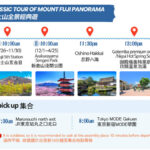
The day begins with a departure from Tokyo, usually between 7:00 and 8:30 depending on the pick-up arrangement. The exact time is confirmed in advance, and the shared transfer may arrive early or late. Plan to be at the meeting point ten minutes ahead, and keep the evening after the return trip clear: traffic can affect the arrival time.
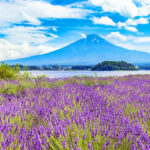
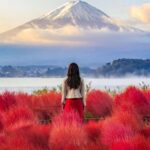
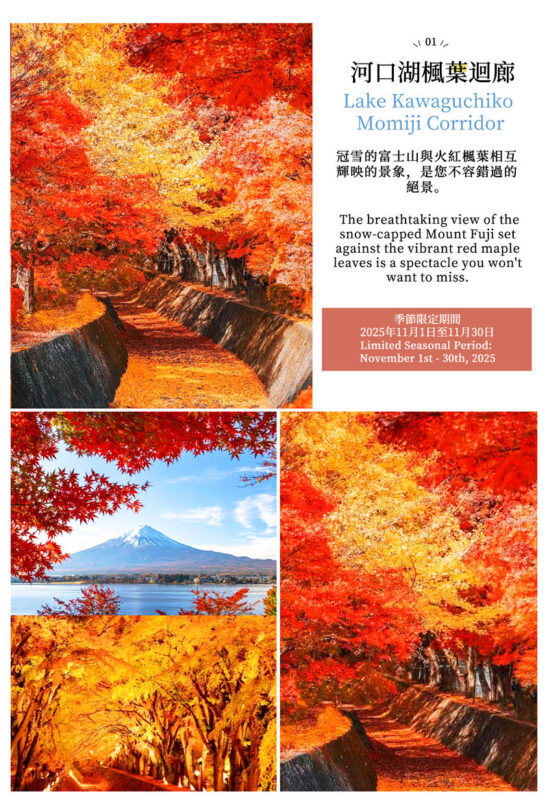
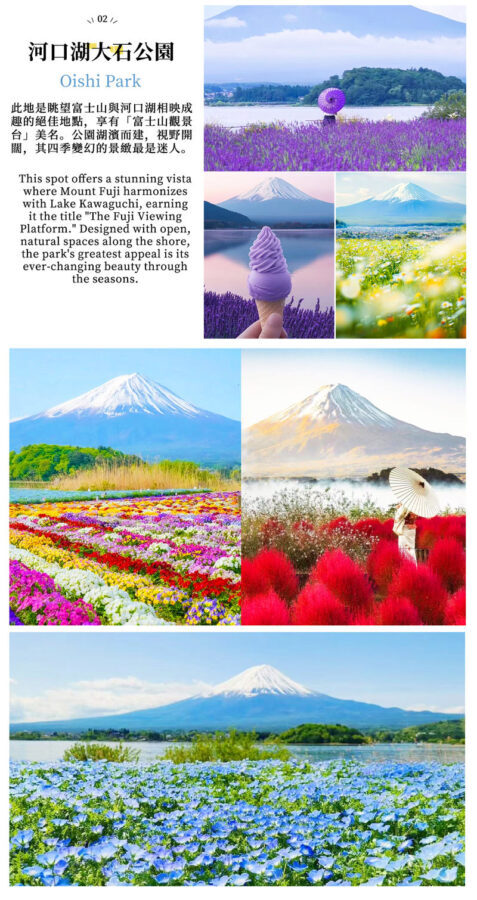
Your first major stop is either Oishi Park or the Kawaguchiko Maple Corridor. The corridor is listed for the limited season of November 1 to 30, 2025, when red leaves may contrast with a snow-capped Fuji. Outside that period, the route goes to Oishi Park instead, where seasonal flowers such as summer lavender or autumn kochia add color beside the lake.
This seasonal swap makes sense, but it is not a guarantee of peak color or flowers. Weather and the calendar decide what you see, and the itinerary can be adjusted for crowds or conditions. In either place, Fuji visibility depends on the sky. Treat the stop as a chance to enjoy the lake and seasonal planting, not a promise of a perfect mountain portrait.
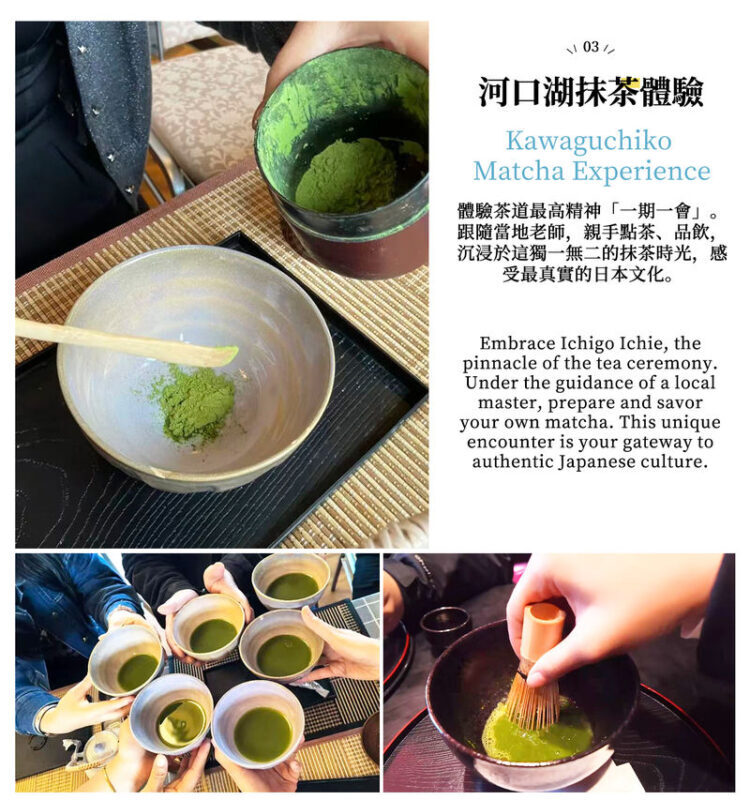
Next comes the matcha experience at Lake Kawaguchi. You have about an hour for the self-guided stop, where you can learn how matcha is prepared and taste it. The tea session gives the day a slower beat after the drive and viewpoints, and it connects the scenery to a familiar part of Japanese culture.
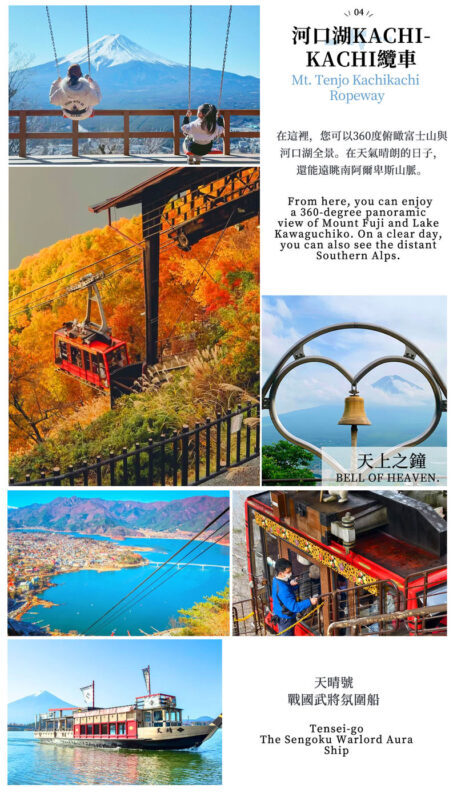
Afterward, you can look for another lakeside view of Fuji before heading to the Mount Kachikachi Ropeway, also called the Kawaguchiko Panoramic Ropeway. The ride takes roughly three minutes to reach the 1,075-meter observation deck. From there, the views can include Mount Fuji, Lake Kawaguchi, and, on a clear day, the Southern Alps.
At the top, look for the Bell of the Heavens and the ropeway’s raccoon-dog decorations. The stop lasts about 90 minutes, enough for the ride, a look around, and photos if lines are manageable. The ropeway ticket is included. If the service is out of operation, the stated alternatives are a Sengoku military commander boat or a ticket refund, so the replacement may not be a like-for-like view.
Oshino Hakkai and a hot spring night
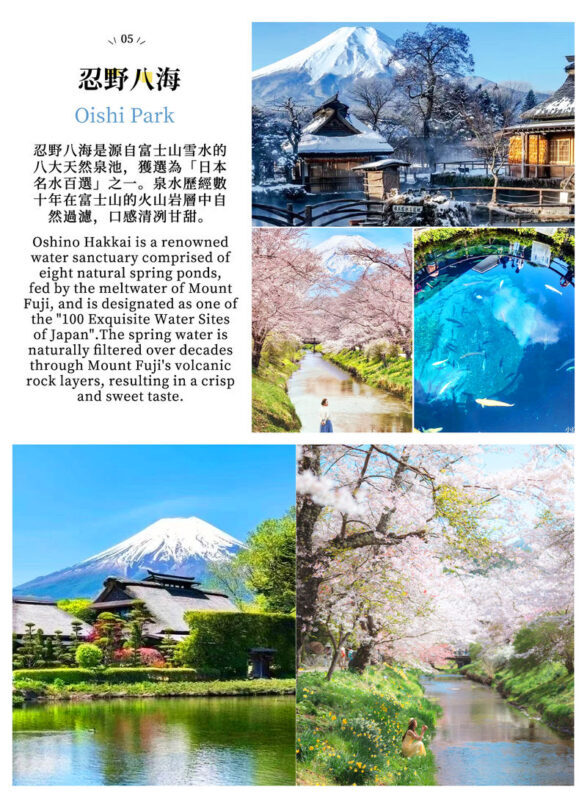
Oshino Hakkai is a cluster of eight clear springs formed by Mount Fuji snowmelt filtering through underground layers. The water and its reflections are the draw, along with the traditional village setting. The stop is about an hour, so you can walk among the ponds and take photos, but you should not expect a long, quiet visit during a busy period.
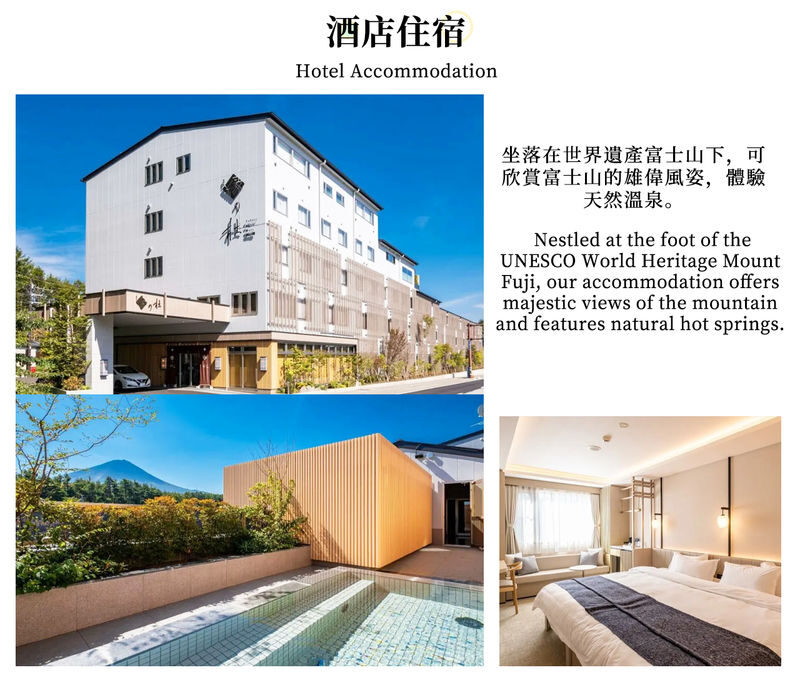
The day ends at a hotel near Mount Fuji or Lake Kawaguchi. A hot spring soak is a welcome change after the road and walking stops, and the overnight stay means you do not have to race back to Tokyo after a full day. Hotel choice depends on capacity, and a similar-level property nearby may be used if the first option is full.
Check the meal details before you pay. The accommodation description says dinner and breakfast are included, while the general inclusions list names breakfast and lunch. Since those descriptions do not match, confirm exactly which meals your selected package covers rather than assuming all three are provided.
Day two: Hirano Beach and Lake Yamanaka by bike
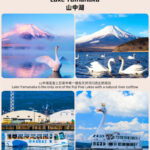
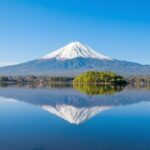
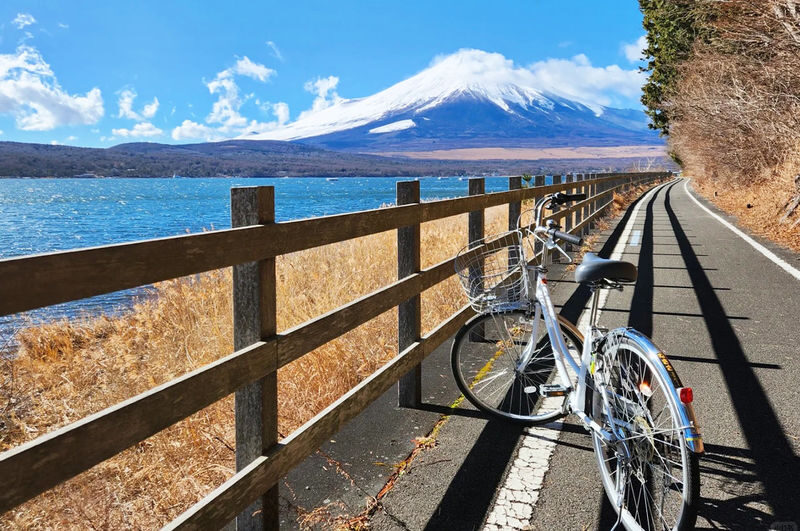
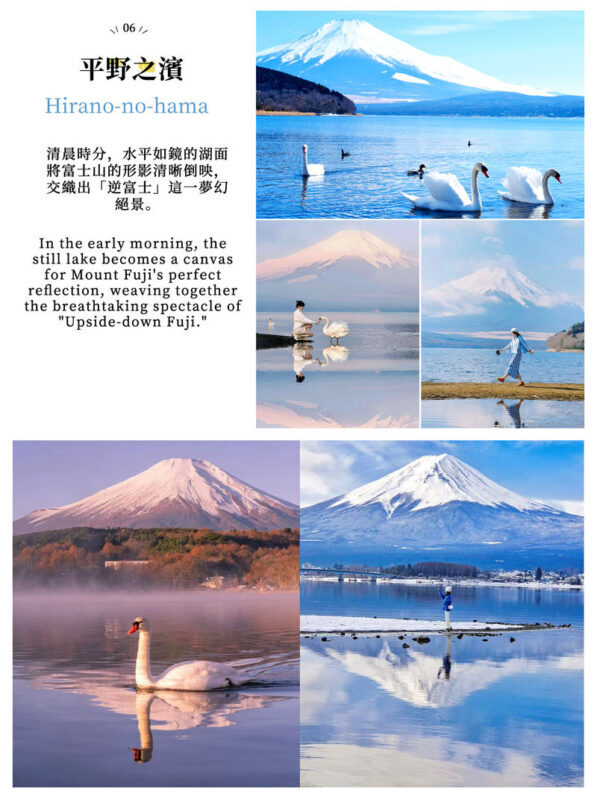
The second morning starts at Hirano Beach, on the northeastern side of Lake Yamanaka. You have about 40 minutes to take in the lake and Fuji from across the shore. On a calm winter morning, the lake can reflect the mountain upside down, but that effect depends on still water and clear weather.
Then comes the cycling portion, scheduled for about 90 minutes. The suggested route runs from the rental point to Shiratorihama, the popular cafe THE PARK, Nagaike Lakeside Park, and back. It is a good change of pace from sitting in a vehicle, and the flat lakeside route is designed around scenery rather than a strenuous ride.
One practical point needs checking: cycling is part of the day’s plan, but bike rental is not clearly named among the included items. Confirm whether the rental fee is covered, and ask what happens if you would rather not cycle. In heavy rain, the route is scheduled to change to a swan-shaped sightseeing boat tour around the lake. That backup keeps the lakeside outing in the day, though it is a different kind of experience.
McDonald’s, Lawson, and the Fuji photo circuit
After the lake, the itinerary stops at McDonald’s on National Route 139 in Fujiyoshida and at Lawson Fujikawaguchiko Town Hall. These are ordinary chains made unusual by their Fuji backdrop. They offer the familiar, slightly absurd contrast of a convenience-store sign or fast-food counter with a giant mountain behind it.
You get about 30 minutes at each stop. At Lawson, the suggested photo approach is to use a tripod on the opposite side of the street and take pictures when fewer people are around. Follow the crossing and traffic rules; the photo is never worth stepping into a road unsafely. Fuji can also disappear behind cloud, and the tour does not offer refunds because a view or photo is disappointing due to weather.
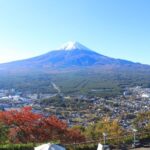
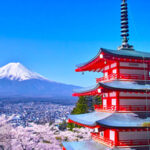
Arakurayama Sengen Park is the day’s big uphill viewpoint. Reaching the famous view means climbing 397 steps near the main hall. From above, you can see Fuji, Fujiyoshida, and the city below. The climb may feel like a lot after two days of stops, so wear shoes you can manage on stairs and keep enough time for the ascent and descent.
The park’s popularity is part of the deal. You may share the viewpoint with plenty of other people, and the best-known composition takes patience. Still, this is one of the most rewarding stops when the mountain is visible, because it brings the town, the pagoda area, and Fuji into one view.
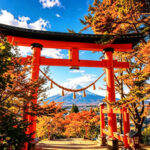
The final stop is Shimoyoshida Ladder Town, also described as Shimoyoshida’s traditional streets. You have about an hour to walk the area, see the Fujihakkei Kanadorii torii gate, and look for the town-and-Fuji photo angle. FabCafe Fuji offers food, textile goods, and books about art and culture, though purchases are personal expenses.
You can also read our reviews of more cycling tours in Fujikawaguchiko
The schedule, price, and fine print
This tour is best for someone who wants a broad Fuji-area introduction without planning a chain of buses, hotels, and activities. It is also a good fit if you enjoy taking photos and can accept that the mountain may be hidden by cloud. The variety is a real plus, but the pace means you will not have hours at any one stop.
Transport, fuel, tolls, parking, and round-trip transfer from the meeting location are included. A professional guide or driver may speak Chinese, English, or Japanese, but the precise arrangement can vary. The vehicle may be smaller depending on group size, with shorter explanations if the driver’s attention needs to stay on the road.
Bring no more than one piece of luggage per person unless you arrange extra space. Additional luggage is listed at ¥2,000 per item, and you must declare it when booking; the operator may refuse excess luggage if the vehicle cannot accommodate it. Children must be included in the passenger count, and children aged six or older pay the adult rate.
The operator can change the order or omit attractions because of traffic, weather, or capacity, without compensation. If you are over 70, a medical certificate is required, and seniors over 70 and pregnant participants must request and sign a disclaimer before departure. The activity is not recommended for people with certain medical conditions, including high blood pressure or epilepsy.
You can cancel for a full refund at least seven days before the activity date, based on local time. If you miss departure because you are late or cannot find the meeting point, the stated policy provides no refund. Confirm your pick-up time and vehicle details in the email sent the day before, and do not plan a flight or fixed evening event around the estimated return.
Should you book this Mount Fuji tour?
Book it if you want a ready-made two-day route with a hotel night, a hot spring, a ropeway, a matcha stop, and both cycling and classic photo stops. The one customer comment available specifically praised Mr. Zhao’s professional, enthusiastic service. That is a useful sign, but it is not a promise that he will be your driver.
Look elsewhere if your priority is a slow visit, a guaranteed clear Fuji view, or complete clarity about every meal and the bike fee before booking. Before confirming, ask the operator to spell out the meals included in your package, whether bike rental is covered, and which hotel or room arrangement applies. With those points settled, this is a practical way to see several sides of the Fuji lakes in one short trip.
Two-Day Mount Fuji Cycling Tour | Kawaguchiko Panoramic Ropeway & Matcha Experience + Oishi Park + Oshino Hakkai + Hirano no Hama + Yamanakako Cycling / Boat Trip + Popular Check-In Spots | Includes 1 Night Hot Spring Hotel
“Our driver, Mr. Zhao, was very professional and enthusiastic, which made the trip even better.”
FAQ
Does the tour depart from Tokyo?
Yes. The tour includes round-trip transfers from the meeting location in Tokyo. The listed return points include JR Tokyo Station Marunouchi North Exit or Tokyo MODE Gakuen, with some return arrangements to a hotel or personal address.
How long is the tour?
It lasts two days and includes one night at a hotel near Mount Fuji or Lake Kawaguchi.
Is the ropeway ticket included?
Yes. Admission to the Sky Park Cable Car is included. The itinerary describes the Mount Kachikachi Ropeway at Lake Kawaguchi.
Are meals included?
The accommodation details describe dinner and breakfast, while the inclusions list names breakfast and lunch. Confirm the meals covered by your selected package before booking.
Is bicycle rental included?
The schedule includes a cycling route, but bicycle rental is not clearly listed among the included items. Check with the operator to confirm whether a rental fee applies.
What happens if it rains during the Lake Yamanaka cycling stop?
In heavy rain, the cycling route is scheduled to change to a swan-shaped sightseeing boat tour around the lake.
How much luggage can I bring?
One piece of luggage per person is listed as free. Extra pieces are listed at ¥2,000 each and should be declared when booking. The operator may refuse luggage that exceeds the vehicle’s capacity.
What is the cancellation policy?
A full refund is available if you cancel at least seven days before the activity date, using the destination’s local time.