Turkish coffee is more than a strong cup at the end of a meal. It is a way to slow down, talk, and make room for a little mystery. In this two-hour Istanbul workshop, you grind beans, brew coffee in a cezve, taste different styles, and learn how people read the grounds left in the cup.
I like two things in particular: you get to make your own coffee rather than just watch a demonstration, and the session connects the ritual to Turkish social life. The take-home set, with a cezve, cup, saucer, and ground coffee, gives the lesson a useful afterlife in your kitchen.
One point to weigh: this is a workshop, not a broad city tour. The meeting point is in Sirkeci, while the workshop address is in Üsküdar, so allow time for the transfer and follow the operator’s directions. Fortune telling is best approached as cultural storytelling, not a promise about the future.
- The details worth knowing
- Start at Merhaba Pastaneleri in Sirkeci
- Learn the ritual before you brew
- Grind beans and work the cezve
- Read the grounds, with a light touch
- A compact session with a practical souvenir
- Does the price feel fair?
- Who will enjoy this workshop most?
- Booking and timing tips
- Should you book it?
- FAQ
- How long is the Turkish coffee experience?
- Where do I meet the operator?
- What departure times can I choose?
- What is included in the take-home gift?
- Is the activity wheelchair-accessible?
- Can children join the workshop?
- The Best Of Istanbul!
- More Coffee Experiences in Istanbul
- More Tours in Istanbul
- More Tour Reviews in Istanbul
- Not for you? Here's more nearby things to do in Istanbul we have reviewed
The details worth knowing
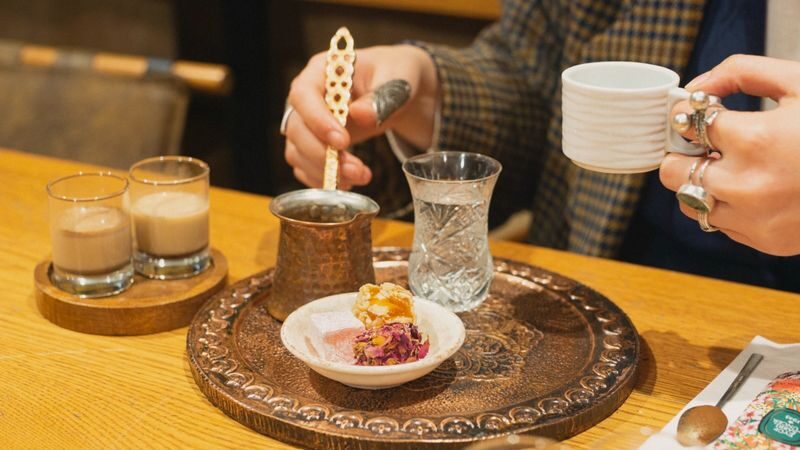
- Make coffee in a traditional cezve: Grind beans and learn the basic brewing method, with attention to the balance of flavor and texture.
- Compare different coffee styles: The tasting can include coffee made with different beans, along with Turkish tea and traditional sweets.
- Hear how coffee became a social ritual: The session covers the history and cultural role of Turkish coffee, a tradition recognized by UNESCO as intangible cultural heritage.
- Try coffee-ground reading: Learn the customs behind reading patterns left in the cup, a playful practice tied to conversation and storytelling.
- Take home a coffee set: The stated gift includes a cezve, cup, saucer, and ground coffee, though the exact gift presentation may vary.
- Plan for two locations: Meet at Merhaba Pastaneleri Sirkeci, then go with the operator to the workshop in Üsküdar.
👉 See our pick of the 25 Best Shopping Tours In Istanbul
Start at Merhaba Pastaneleri in Sirkeci
Your meeting point is Merhaba Pastaneleri Sirkeci, where the operator meets the group and takes you to the workshop. The departure choices are 10:00, 13:00, and 16:00. Arrive 30 minutes early, since late arrivals and no-shows are not eligible for a refund.
The workshop address is in Üsküdar, across the Bosphorus from Sirkeci. One participant described taking the subway with the guide, who explained how to pay and ride. That is a helpful detail if you are new to Istanbul transit, but the exact transfer arrangement is not fully specified, so follow the operator’s instructions on the day.
The shift between these two parts of the city is a small reminder that Istanbul is not a place where every activity begins and ends on the same block. It also means this experience asks for more planning than a coffee stop near your hotel. Build in time for the meeting point, and do not count on arriving just as the session starts.
You can also read our reviews of more tours and experiences in Istanbul
Learn the ritual before you brew
The experience begins with context: where Turkish coffee comes from, how it spread, and why its preparation became part of everyday social life. That background matters. Without it, grinding and brewing can feel like a cooking demo; with it, you see the cup as part of a custom built around hospitality and conversation.
Turkish coffee has a place on UNESCO’s list of intangible cultural heritage. The recognition is about the practice and traditions around coffee, not simply a recipe. In a good session, that distinction helps you notice how the preparation, serving, and time spent together all belong to the experience.
The workshop is led by staff who speak English, Russian, or Turkish. Kübra has led a session described as interactive and thorough, but you cannot assume she will be your facilitator on a particular date. One participant who joined when English was used relied partly on mobile translation and still found the workshop enjoyable. If you are not comfortable in one of the listed languages, a translation app may help with finer points.
Grind beans and work the cezve
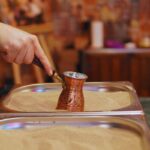
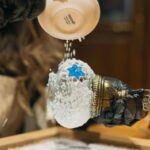
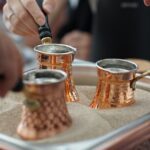
The hands-on part puts you in charge of making your own Turkish coffee. You grind the beans and brew them in a cezve, the small traditional pot used for this style of coffee. The aim is not just to make a drink, but to understand how the method shapes its texture and flavor.
That makes this a better fit for curious beginners than for someone seeking a polished barista class. The information provided points to a guided cultural workshop, not advanced instruction or a long technical course. Expect to learn the fundamentals and take part, rather than leave with professional coffee credentials.
There is also value in tasting more than one style. Participants have enjoyed coffee prepared with different beans, along with Turkish tea. Comparing cups gives you a practical way to notice differences in aroma and texture instead of relying on a general description of what Turkish coffee should taste like.
The coffee is paired with sweet delights from Ottoman tradition. Specific sweets are not named, so do not plan around a particular dessert. Think of the pairing as part of the tasting and the social setting, rather than a full meal.
Read the grounds, with a light touch
After drinking the coffee, you learn about fortune telling through the grounds left in the cup. The custom gives the session a playful second act. It is less about proving that a cup can predict your fate and more about how people use patterns, imagination, and conversation to tell stories together.
That distinction makes the activity easier to enjoy, whether you are superstitious or not. Treat the reading as a cultural tradition and a conversation starter. If you prefer a strictly factual coffee lesson, this portion may feel less useful; if you are open to folklore and social customs, it adds character to the workshop.
The fortune-telling segment also helps explain why Turkish coffee is often associated with lingering at the table. The drink itself is only part of the ritual. The pause after the cup, when people look at the grounds and talk, is where the experience shifts from tasting into shared storytelling.
A compact session with a practical souvenir
The full experience lasts two hours. That is enough time for a short history, brewing, tasting, and the cup-reading custom without making coffee the entire day’s agenda. It can fit neatly between other plans, though the cross-city transfer means you should allow extra time around the booked slot.
At the end, you receive a Turkish coffee set. The stated set includes a cezve, cup, saucer, and ground coffee, so you can try the method again at home and share it with someone else. One participant particularly appreciated receiving brewing equipment and cups, while another mentioned keeping a saucer. The gift adds real value, especially if you enjoy bringing home objects you will actually use.
It is worth checking the package details at booking if the exact contents matter to you. The experience description names the cezve, cup, saucer, and coffee; individual comments focus on cups or the saucer. The set is a souvenir, not a substitute for a detailed equipment or coffee-shopping tour.




Does the price feel fair?
The price is shown from US$17.59 for the two-hour package, while another summary price is listed as US$19.35. Prices can vary by offer or booking details, so check the amount shown for your selected date before paying.
At either starting figure, the value comes from several parts in one short session: a guided introduction to coffee culture, hands-on brewing, tastings, fortune-telling customs, and a take-home set. If you would otherwise buy a coffee and dessert, this costs more than a café visit, but it offers instruction and an activity rather than just a drink.
The workshop is best value if you are interested in food traditions, want a participatory activity, or like small souvenirs with a purpose. It may be less compelling if you only want to taste Turkish coffee, since you can do that for less at a café. And if your schedule is tight, factor in the trip from Sirkeci to Üsküdar rather than measuring the commitment by the two-hour session alone.
Who will enjoy this workshop most?
I would recommend it to curious first-time visitors who want a cultural activity with a clear focus. You do not need prior coffee knowledge, and the chance to make your own cup keeps the session from becoming a lecture. The format also suits couples, friends, and families with older children who are happy to listen, taste, and take part.
Children aged 0 to 2 are free, but they still need to be included in the passenger headcount. Children aged 3 and up pay the adult rate. Since the workshop includes coffee preparation and tasting, parents should decide whether the activity suits their child; the available details do not specify child-focused adaptations.
The activity is listed as wheelchair-accessible. If you need details about the route between the Sirkeci meeting point and the Üsküdar workshop, ask the operator before booking, since the transfer information is limited. Staff speak English, Russian, or Turkish, and the provider has a 96 percent good-review rate across 50 total reviews.
Booking and timing tips
Choose from departures at 10:00, 13:00, or 16:00. Return times are listed at 12:00, 15:00, and 18:00, with availability depending on the departure you select and the day’s schedule. The voucher is valid only on the date and time booked, so keep the mobile voucher handy and arrive early.
Changes are allowed until 24 hours before the activity, with some exceptions for bookings made through certain passes, promotions, or vouchers that have not yet been issued. You can cancel for a full refund at least 24 hours before the activity date, using destination local time. Personal expenses and tips are not included.
Should you book it?
Book this if you want to do more than order a cup of Turkish coffee. The best reasons are the hands-on cezve brewing, the cultural explanation, and the chance to take home equipment that lets you repeat the method. The fortune-telling adds a light, memorable finish.
Skip it if you are short on time, uninterested in coffee customs, or looking only for a quick tasting. The Sirkeci-to-Üsküdar transfer is part of the practical equation, and the reading is folklore rather than a serious prediction. For the right person, though, this is an enjoyable two-hour way to learn a Turkish ritual by doing it, not just hearing about it.
Turkish coffee & fortune telling experience in Istanbul
“It is super interesting and well planned workshop. The instructor will share a lot of Turkish coffee history and you will make yr own coffee.”
FAQ
How long is the Turkish coffee experience?
The experience lasts two hours.
Where do I meet the operator?
Meet in front of Merhaba Pastaneleri Sirkeci. The operator will meet you there and take you to the workshop.
What departure times can I choose?
The listed departure times are 10:00, 13:00, and 16:00. Arrive 30 minutes before your selected time.
What is included in the take-home gift?
The experience information describes a Turkish coffee set with a cezve, cup, saucer, and ground coffee.
Is the activity wheelchair-accessible?
Yes. The activity is listed as wheelchair-accessible.
Can children join the workshop?
Children aged 0 to 2 are free but must be included in the passenger headcount. Children aged 3 and up are charged the same rate as adults.