Trading Life takes you through a ship’s worth of small theatrical settings, with more than 10 scenes packed into the Minghua. The former ocean liner gives the production a distinctive home: you are watching physical theatre inside a ship that has its own unusual story.
I like the contrast between the carefully made scenes and the ship’s real past, and I like that the production moves between different settings rather than keeping you in one theatre space. The main caveat is that the plot can be hard to follow if you do not understand the language, and the show offers limited audience interaction.
At a glance
- More than 10 settings: The compact venue changes the feel of the show from scene to scene.
- A French-street atmosphere: The staging evokes streets in France, rather than a conventional theatre set.
- A ship with a past: The Minghua began as the French-built ocean liner Anhua before China bought and renamed it.
- A story about a soul bargain: The central plot can be puzzling, especially if language is a barrier.
- A night out in Shekou: Sea World has nearby shopping, restaurants, and leisure options.
- Plan ahead: Entry is for ages 14 and up, vouchers are date-specific, and tickets are nonrefundable.

👉 See our pick of the 10 Best Tours In Shenzhen
- At a glance
- Trading Life turns a ship into a chain of scenes
- More than 10 settings, packed into a small space
- The Minghua Ship adds a second story
- Making sense of the story
- Choosing a session and weighing the price
- Practical details before you go
- Who should book Trading Life?
- FAQ
- Where is Trading Life performed?
- What is included in the ticket?
- What performance times are offered?
- How early should I arrive?
- What is the minimum age for entry?
- Is the voucher valid on another date?
- Can I cancel or get a refund?
- Can I take photos or videos during the show?
- Can I bring food, drinks, or a large bag?
- Is the show suitable for people with mobility or medical concerns?
- The Best Of Shenzhen!
- More Tours in Shenzhen
- More Tour Reviews in Shenzhen
- Not for you? Here's more nearby things to do in Shenzhen we have reviewed
Trading Life turns a ship into a chain of scenes
 1 / 2
 2 / 2
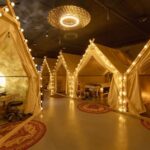
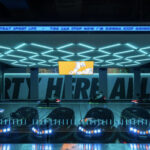
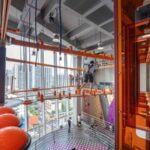
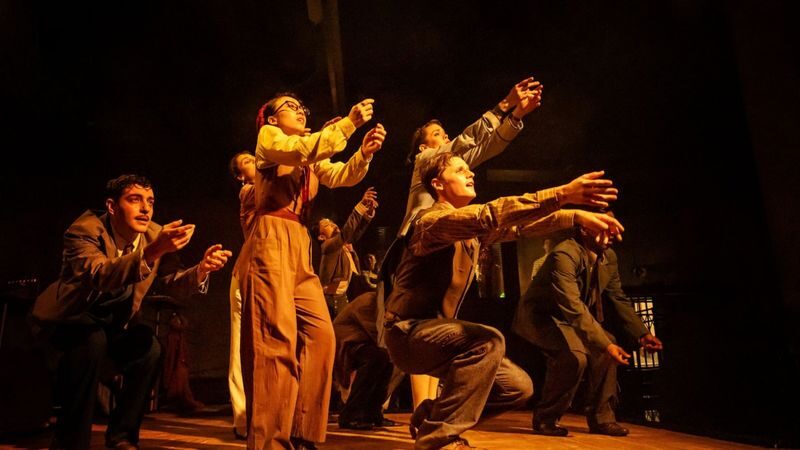
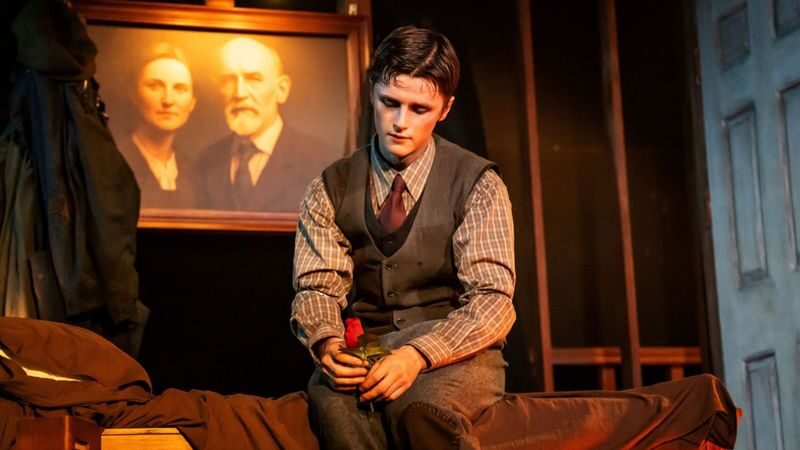
This is not a standard sit-down play in a single room. Trading Life is physical theatre staged across a series of settings aboard the Minghua Ship. More than 10 different scenes are fitted into a relatively small area, so the main attraction is the changing visual environment as much as the story itself.
The settings are described as having the feel of French streets. That detail matters: instead of seeing one backdrop from your seat, you move through a production shaped by a collection of distinct spaces. The scale is compact, but the scene changes give the show a larger sense of place.
The story involves a character who first refuses to sell their soul, then makes the deal later in the plot. The title The Deal points toward that bargain, but the motivations and ending may not be crystal clear. Physical acting can carry emotion and action across a language gap, yet it cannot always explain why a character makes a particular choice.
I would go in ready to take in the actors’ expressions, movement, and the design of each setting, rather than expecting every plot point to land neatly. That is especially useful if you do not speak the language of the performance. The show’s visual variety is a stronger reason to book than a promise of a simple, fully explained story.
You can also read our reviews of more tours and experiences in Shenzhen.

More than 10 settings, packed into a small space
The production’s most praised feature is the number of different environments it creates within a compact area. That is a practical advantage if you like theatre with changing scenery and a sense of movement. Each new setting gives you another visual detail to notice, and the small scale can make the scenes feel close at hand.
There is a trade-off. A dense sequence of settings can be exciting, but it may also make the story harder to track. If you miss a line or do not understand a transition, you may be left working out what has changed and why.
The acting is committed, with performers working to draw the audience into the action. At the same time, the production appears to keep audience interaction limited, perhaps to protect the flow of the plot. If you are hoping to be called into scenes or take part in the action, this may not be the show for you.
That restraint is worth knowing before you book. The experience seems to rely more on watching the performers and the spaces than on joining in. I would treat the word physical as a cue to focus on what the actors do, rather than expecting a participatory event.
The Minghua Ship adds a second story
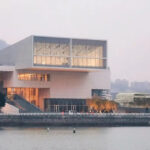
The venue itself has a past that gives the show extra context. The Minghua was first a French-built ocean liner called Anhua. China later bought the ship and renamed it Minghua, and it was docked in Shekou during the 1980s, becoming part of the Sea World area.
Today, the ship serves several purposes, including a hotel, restaurants, a conference center, and entertainment venues. Trading Life is one way to encounter the vessel as more than a landmark or backdrop. The setting links a live performance to the broader history of a ship that has changed names and uses over time.
That background does not mean the production is a history lesson about the Minghua. The known plot details point instead to a dramatic tale about a soul bargain. Still, the ship’s unusual past gives your visit a sense of place that an ordinary theatre room could not provide.
Sea World is also a destination in its own right, with shopping centers, restaurants, and leisure facilities nearby. You can make the performance part of a wider stop in Shekou, though the ticket information does not include food, drinks, or other activities. Keep those as separate plans and costs.
Making sense of the story
The central dramatic question is why the protagonist refuses to sell their soul at first, then agrees to do so near the end. The fast turn in the story, followed by the character’s quick death, can be confusing. If you expect a tightly explained plot, those points may frustrate you.
That does not make the production a poor choice. It simply means the show may work better for you as a sequence of theatrical images and performances than as a perfectly clear narrative. Watch for how each scene changes the atmosphere, and how the actors use physical expression to carry the action.
Language is a real consideration, not a minor footnote. The available information does not identify a performance language or promise subtitles, so do not assume that either will be available. If understanding every line is essential to your enjoyment, check directly before booking.
The production’s limited interaction also shapes what to expect. The actors are described as trying to excite the audience, but there is not much direct participation. You are likely to spend more time observing than responding, which suits people who enjoy visual theatre and less so anyone seeking an interactive night out.
Choosing a session and weighing the price
The listed options include 15:00 and 20:00 sessions on holidays, plus a 20:00 weekday session. Single-admission tickets and tickets for two are available. The listed prices range from US$78.25 for a weekday single ticket to US$146.79 for a holiday ticket for two; the general experience price is shown from US$86.09.
Prices can differ by package, date, and session, so check the exact option before you pay. A ticket covers one admission, not a meal or a broader Sea World visit. For two people, the paired ticket may be a useful way to compare costs, but the package names and the selected session should match your plans.
Value depends on what you want from the evening. If you are drawn to unusual venues, theatrical scene changes, and a performance built around physical acting, the ticket buys a distinctive night inside a historic ship. If you mainly want a clear plot, extensive audience participation, or a low-cost activity, the price may feel harder to justify.
The voucher is valid only for the date and time specified, and cancellations or refunds are not available. Confirm your session carefully before booking. You must exchange the voucher for a physical ticket, and the instructions ask you to arrive 30 minutes before showtime to do so.

Practical details before you go
The show is for people aged 14 and older. Its content may be inappropriate for children, so it is not a family activity for younger visitors. It is also not recommended for pregnant people, seniors, or anyone with certain medical conditions, including high blood pressure or epilepsy.
The experience is not recommended for people with impaired mobility or wheelchair users. Large bags and luggage are not allowed inside, though the venue says bags can be left at reception. Since that affects what you can bring, keep your belongings small and check with the venue if you have specific access needs.
Outside food and drinks are prohibited. Smoking and drinking are not allowed inside, and intoxicated participants may be refused entry without a refund. Bottles, firecrackers, lasers, and other dangerous or disruptive items are also banned.
Photography and video recording during the show are strictly prohibited. That rule is worth taking seriously: the venue may involve security if someone records the performance. Put your phone away and enjoy the scenes as they unfold.
The stated last admission is 20:15. Since the available sessions include a 20:00 show, do not treat that time as permission to arrive late. Follow the instruction to arrive 30 minutes before your scheduled performance and allow time to exchange the voucher.
Who should book Trading Life?
I would recommend Trading Life to you if a shipboard setting, visual theatre, and a run of compact, carefully made scenes sound appealing. The Minghua’s history gives the venue character, and the range of settings is the production’s clearest strength. Pair the show with a meal or a walk around Sea World if you want to make more of your time in Shekou.
I would pause before booking if you need a fully accessible venue, are sensitive to intense theatrical content, or want a story whose motives are easy to follow. The language barrier and limited interaction may also matter if you prefer theatre that explains its plot plainly or invites you into the action.
For the right audience, this is a distinctive way to spend an evening in Shenzhen. Book for the setting and the changing scenes, not for a guaranteed plot explanation, and double-check your ticket date, time, and age eligibility before paying.
Shenzhen Shekou Sea World Minghua Ship | Immersive Physical Theatre “Trading Life”
“Overall, it's novel and compact, with different things happening in various scenes, making it feel like you're on the streets of France. The scenes…”
FAQ
Where is Trading Life performed?
The performance takes place aboard the Minghua Ship at Sea World in Shekou, Shenzhen, Mainland China.
What is included in the ticket?
The ticket includes one admission. You need to exchange your voucher for a physical ticket.
What performance times are offered?
Available package options include 15:00 sessions on holidays and 20:00 sessions on weekdays and holidays. Check your selected package for its exact time.
How early should I arrive?
Arrive 30 minutes before your scheduled showtime to exchange your voucher for a physical ticket.
What is the minimum age for entry?
Participants must be at least 14 years old.
Is the voucher valid on another date?
No. The voucher is valid only on the specified date and, when applicable, the specified time.
Can I cancel or get a refund?
No. Cancellations and refunds are not available.
Can I take photos or videos during the show?
No. Photography and video recording during the performance are strictly prohibited.
Can I bring food, drinks, or a large bag?
Outside food and drinks are not allowed. Large bags and luggage cannot be taken inside, but you may leave bags at reception.
Is the show suitable for people with mobility or medical concerns?
It is not recommended for people with impaired mobility or wheelchair users, pregnant people, seniors, or people with medical conditions such as high blood pressure or epilepsy.