Cantonese dim sum is more than a plate of small pastries: it is part of yum cha, the social ritual of tea and food that has shaped local dining for generations. In this three-hour Shenzhen class, you hear about its customs and symbolism, make dim sum with a chef, and eat what you have prepared.
I like the mix of cultural context and hands-on work: you learn about dim sum and tea etiquette, then put that knowledge to use at the worktable. I also like that the class includes Chinese tea, snacks, and seasonal fruit, giving the morning more of a local food ritual than a simple cooking demonstration.
The main thing to check before booking is whether you want sweet or savory pastries. The sweet class fits the stated three-hour schedule; savory pastries involve more steps and take about four hours, so confirm your choice with the staff after booking.
- Key points to know before you book
- A cooking class built around yum cha
- From cultural introduction to pastry-making
- Sweet or savory: make the choice explicit
- Tea, snacks, and a taste of daily food culture
- Finding Yixin Culture Space in Nanshan
- What the price includes, and who gets good value
- Practical details before you go
- Should you book this Shenzhen dim sum class?
- FAQ
- Where does the cooking class take place?
- How do I get to Yixin Culture Space?
- How long does the class last?
- Can I choose between sweet and savory pastries?
- What is included in the price?
- Can the class accommodate food allergies?
- Can I cancel for a refund?
- The Best Of Shenzhen!
- More Tours in Shenzhen
- More Tour Reviews in Shenzhen
- Not for you? Here's more nearby things to do in Shenzhen we have reviewed
Key points to know before you book
- The class includes a real choice of pastry style: Sweet and savory options are available, but the savory workshop takes about four hours.
- Yum cha is part of the lesson: Expect cultural background and etiquette, not just a recipe.
- You eat what you make: The session ends with a tasting of your freshly prepared dim sum.
- Tea, snacks, and fruit are included: These add a taste of the everyday customs around Cantonese food.
- The venue is close to, but not at, the mapped meeting point: Meet at Qianqian Art, then walk about 30 meters to Yixin Culture Space.
- Allergies cannot be accommodated: Check the stated food restriction carefully before booking.

👉 See our pick of the 10 Best Tours In Shenzhen
A cooking class built around yum cha
This class gives you a practical introduction to Cantonese dim sum through food, rather than asking you to learn the tradition from a menu alone. The session begins with the story of dim sum, a custom with a history described as roughly 1,000 years, and explains the phrase’s sense of touching the soul. You also learn why Cantonese dim sum is recognized as a National Intangible Cultural Heritage of China.
The cultural part matters because dim sum is tied to yum cha, the practice of sharing tea and small dishes. You hear about its origins and etiquette, along with symbolic meanings associated with ingredients. That context can help you notice why the meal is more than a collection of snacks: it is a way of eating shaped by hospitality and shared time.
The exact recipes and ingredients are not specified in advance, and the menu can change with the season and what is available. That is useful to know if you are hoping to make one particular pastry. Think of this as a guided introduction to the craft and customs, rather than a promise of a fixed menu.
You can also read our reviews of more tours and experiences in Shenzhen.



From cultural introduction to pastry-making
The day begins with a 09:55 departure from the meeting point near Qianqian Art. The activity takes place at Yixin Culture Space, about 30 meters away. Once inside, the first part of the experience focuses on Cantonese food culture and the customs of yum cha.
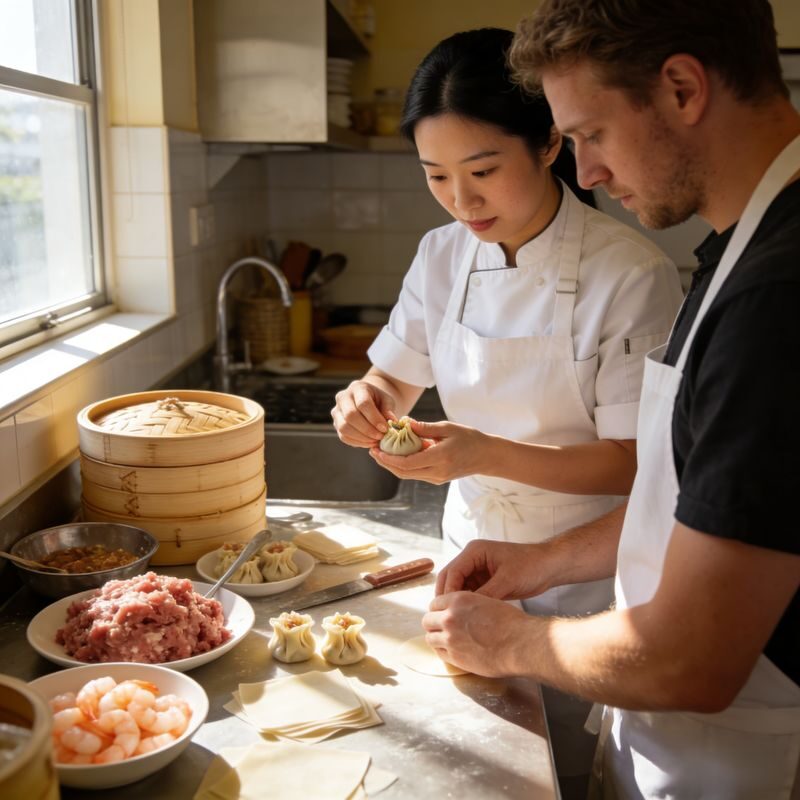
Then the class shifts to the worktable. Under the guidance of master chefs, you make dim sum by hand and learn techniques described as passed down through generations. The available information does not specify a particular recipe or the exact steps, so the experience may vary with the pastry choice and seasonal ingredients.
That hands-on element is the heart of the class. Watching a chef demonstrate a technique can be interesting, but trying it yourself gives you a better sense of the care and skill behind these small pastries. And because you taste your own work at the end, the lesson has a satisfying finish: your lunch is also the result of your effort.
The schedule gives the activity about three hours, with a stated return time of 13:00. There is an important wrinkle if you choose savory pastries: that workshop involves more complex procedures and takes approximately four hours. The staff will contact you before the class to confirm whether you want the sweet or savory option, so make your preference clear rather than assuming the shorter schedule includes both.
Sweet or savory: make the choice explicit
The sweet-versus-savory distinction is the most important booking detail. A participant who expected savory dim sum found the class was actually focused on the sweet version, a mismatch that could have been avoided by checking the option in advance. If you have a specific kind of pastry in mind, do not rely on the broad class name to tell you what you will make.
The sweet class appears to be the standard choice for the three-hour session. The savory option is more involved and takes about four hours, so allow for the longer duration when planning the rest of your day. The operator says staff will contact you before class to confirm your preference, which is a good moment to ask what that particular session will cover.
The menu may also change according to the season and ingredient availability. That flexibility can bring variety, but it means the class is not a reliable way to learn one exact recipe unless the operator confirms it. If you are booking mainly to make a particular pastry, ask about it before you commit.
Tea, snacks, and a taste of daily food culture
The class includes Chinese specialty tea, snacks, and welcome fruit as well as the dim sum course and tasting. These extras help connect the cooking lesson to the wider experience of yum cha. Tea is not simply a drink on the side here; it is part of the custom that gives the meal its social shape.
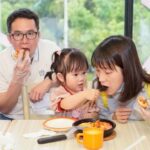
You also get the pleasure of eating the pastries soon after making them. That is a small but meaningful advantage over a demonstration where you watch someone else cook and leave without tasting the result. The tasting gives you a chance to appreciate the texture and flavor of your work, even if your pastries are not quite as polished as the chef’s.
Refreshments, snacks, and fruit are included in the package price. Other personal expenses are not. If you are comparing this with a cooking class that only teaches a recipe, the added cultural explanation and tasting are part of what you are paying for.
Finding Yixin Culture Space in Nanshan
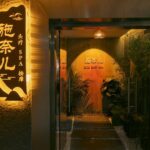
The activity takes place at Shop 1, Yixin Culture Space, 1/F, Phase 7, Dingtai Fenghua, Dongbin Road, Nanshan District, Shenzhen. The meeting point is Qianqian Art, about 30 meters from the venue. The meeting location is the one that can be identified on Google Maps; the map may not pinpoint the exact event site, so follow the meeting instructions and look for the nearby space.
From Yihai Station on Metro Line 9, use Exit C and walk about 800 meters. A taxi is another option. Arrive five minutes before the 09:55 departure time, rather than aiming to reach the venue at the last minute.
The listed opening hours for Yixin Culture Space are daily from 10:00 to 14:00. The class schedule has a 09:55 departure and a 13:00 return, so follow the meeting point directions rather than treating the venue’s opening time as your arrival time.
You can also read our reviews of more tours and experiences in Shenzhen

What the price includes, and who gets good value
Prices start at US$101.15. That is a notable spend for a three-hour activity, but the class includes instruction, cultural background, refreshments, snacks, fruit, and a tasting of the dim sum you make. Its value depends on whether you want the whole package: a local food tradition, time with a chef, and a meal built around your own work.
If your only goal is to eat dim sum, this is not the efficient choice. You are paying for the lesson and the experience of making it, not simply for a plate of pastries. But if you enjoy learning the story behind a dish and want a practical activity in Shenzhen, the combination makes more sense than a cooking demonstration alone.
The class is a good fit for curious eaters, couples, and families with older children who can take part in a hands-on session. Children aged 1 to 3 can join free. The information does not give a group size or a minimum age for paid participants, so contact the operator if those details affect your plans.
One firm limitation: the activity cannot accommodate allergies. If you have a food allergy, this class is not a suitable choice based on the stated policy. The menu can also vary with seasonal ingredients, so that is worth bearing in mind if you have other dietary concerns.
Practical details before you go
Confirmation is expected within 24 hours of booking. If you do not receive a confirmation email, contact customer support. The voucher is valid only for the date and time booked, so check those details before setting out.
You can receive a full refund if you cancel at least 24 hours before the activity, using the destination’s local time. Late arrivals and no-shows are not eligible for a refund, so leave enough time to find the meeting point. The operator may cancel for extreme weather or unforeseen events, in which case you can reschedule or request a full refund.
The schedule can change because of traffic or weather, and the activity may require a minimum number of participants. If that minimum is not met, the operator says the activity will not run. Keep your plans flexible if the class is central to a tightly timed day.
Should you book this Shenzhen dim sum class?
Book it if you want to understand the customs behind Cantonese dim sum, try making pastries yourself, and finish with a tasting, tea, and snacks. It offers more than a recipe lesson, but the cultural introduction and hands-on work are the main reasons to choose it.
Before paying, confirm whether you want sweet or savory pastries and ask about the expected duration. Choose another activity if you need allergy accommodations, or if you only want to eat dim sum without spending time in a class. For the right kind of food-curious visitor, this is a focused way to spend a morning in Shenzhen and leave with a better sense of how yum cha fits into local life.
Shenzhen Cantonese Dim Sum Cooking Class
“I really enjoyed it. It was very nice. Just a heads-up: I expected to learn how to make savory dim sum, but this class is actually about the sweet…”
FAQ
Where does the cooking class take place?
The class is held at Yixin Culture Space, Shop 1, 1/F, Phase 7, Dingtai Fenghua, Dongbin Road, Nanshan District, Shenzhen. The meeting point is Qianqian Art, about 30 meters away.
How do I get to Yixin Culture Space?
You can take a taxi or use Metro Line 9 to Yihai Station, Exit C, then walk about 800 meters. Google Maps can locate the meeting point, but may not show the exact event site.
How long does the class last?
The stated class schedule is about three hours, with a 09:55 departure and 13:00 return. The savory pastry workshop takes approximately four hours.
Can I choose between sweet and savory pastries?
Yes. You may choose either sweet or savory pastries. Staff will contact you before the class to confirm your preference.
What is included in the price?
The package includes Chinese-speaking staff, refreshments, snacks, welcome fruit, the dim sum-making course, and a tasting of the dim sum you prepare. Other personal expenses are not included.
Can the class accommodate food allergies?
No. The activity is unable to accommodate allergies.
Can I cancel for a refund?
You can receive a full refund if you cancel at least 24 hours before the activity date, based on destination local time. Late arrivals and no-shows are not eligible for a refund.