Korean palaces and crafts are easier to read once you know what their colors and patterns mean. This 90-minute session at WA YU JAE connects hanbok, dancheong, hanji, folk painting, and food in a small group near Gyeongbokgung Palace.
I like two things here: the cultural explanations are built around what you will see during the rest of your trip, and the tea service pairs one of six seasonal teas with 10 traditional snacks. With a maximum of six people, there is room for questions rather than just a set-piece talk.
One consideration: the session is short, and the snack menu can change with the season and ingredient supply. If you want a full meal or a long, formal tea ceremony, this is not that; think of it as a compact cultural primer with a tasting.
- Key points before you book
- Why this works best near the start of your trip
- At WA YU JAE, culture starts with what you can see
- The tea and dessert tasting
- What the schedule means for your day
- Is the price good value?
- Who will get the most from it
- Practical details to check before you go
- Should you book the WA YU JAE tea experience?
- FAQ
- How long does the experience last?
- Where does the experience meet?
- What time can I book?
- What is included in the tasting?
- Can I choose my tea?
- Is there an age limit?
- Is the group small?
- The Best Of Seoul!
- More Tours in Seoul
- More Tour Reviews in Seoul
- Not for you? Here's more nearby things to do in Seoul we have reviewed
Key points before you book
- A useful first-day orientation: Learn context for Korean colors, designs, and crafts before you encounter them in palaces, shops, and museums.
- More than tea and sweets: The introduction covers hanbok, hanok dancheong, hangul, hanji paper, folk paintings, celadon, and lacquerware.
- A small group by design: The maximum is six, which suits questions and conversation better than a large lecture.
- One tea, 10 types of dessert: Choose one premium seasonal tea from six options, paired with traditional snacks such as kimbugak and Gaeseong yakgwa.
- A handy Samcheong-dong address: WA YU JAE is at 108 Samcheong-ro, close to Gyeongbokgung Palace.
- A short, focused outing: The experience is advertised as 90 minutes, with a 10:30 departure and 11:30 return listed for one schedule.
👉 See our pick of the 25 Best Guided Tours In Seoul
Why this works best near the start of your trip
Many first visits to Seoul include a palace, a museum, or a stroll through a traditional neighborhood. Those places give you plenty to look at, but it can be hard to know what a color, motif, or material is meant to convey. This session sets out to give you a few useful keys before you go exploring.
The program was designed by JJ, who spent 10 years working in travel. The aim is to explain Korean culture from a visitor’s point of view, linking what you see to practical questions rather than assuming you already know the terms. The person leading your session is described as an English-speaking curator, but no individual instructor name is provided.
I would put this on Day 1 or early in the trip if your schedule allows. The value is not that you will become an expert in an hour and a half. It is that you may start recognizing the subjects introduced here when you encounter them again, and have better questions to ask.
That context can make the rest of your sightseeing feel less like a string of attractive objects. You are not just looking at a pattern or a craft; you have been given an introduction to the ideas and materials behind it.
You can also read our reviews of more tours and experiences in Seoul.



At WA YU JAE, culture starts with what you can see
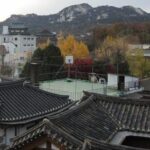
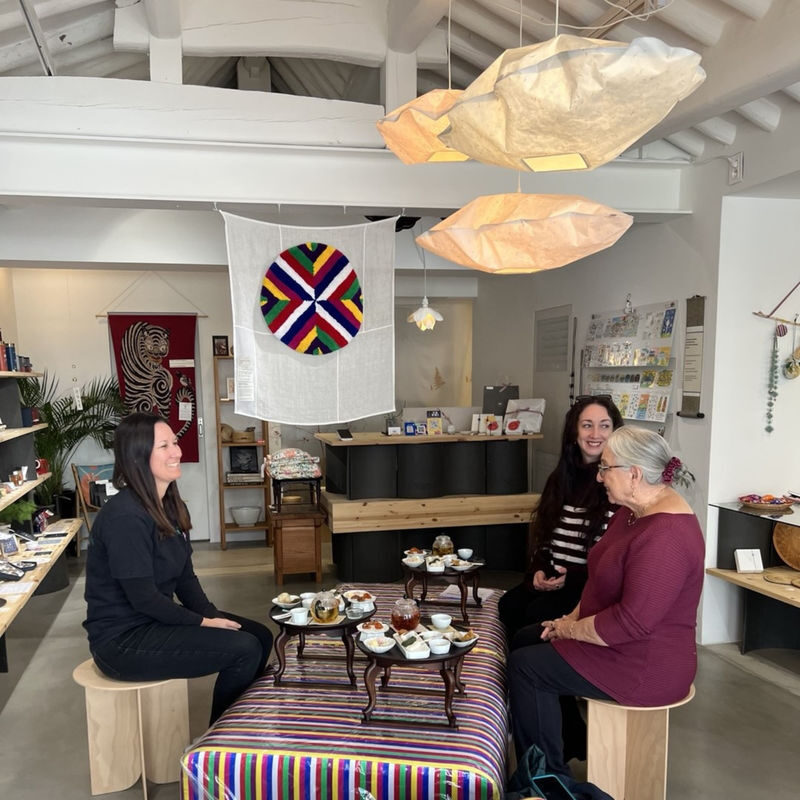
The experience takes place at WA YU JAE, at 108 Samcheong-ro in Jongno District. It is a short walk from Gyeongbokgung Palace, so it fits naturally around time in the palace area. The meeting point is inside the WA YU JAE store: show your reservation ticket to the store manager, and staff will direct you to the program space.
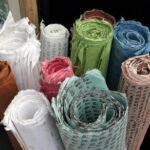
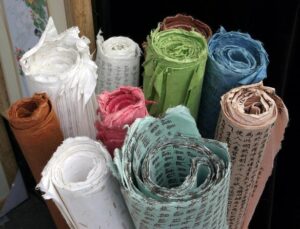
The first 30 minutes are devoted to cultural commentary from a WA YU JAE curator. The subjects range from hanbok and hanok dancheong to hangul, thousand-year hanji paper, folk paintings, celadon, and lacquerware. That is a broad menu for a short introduction, so expect an overview and connections, not an extended lecture on every art form.
The appeal is the range. Clothing, architecture, writing, paper, painting, ceramics, and lacquer each offer a different way into Korean culture. Taken together, they help you think about how everyday objects and decorative choices carry meaning, rather than treating each one as an isolated souvenir or photo opportunity.
Dancheong, the painted patterns associated with traditional Korean buildings, is one example of how the session can change what you notice. The aim is to understand the choices behind color and pattern, then recognize them elsewhere. Likewise, learning about hanji or celadon gives you a point of reference when those materials turn up in a shop or cultural site.
The format is deliberately small, with no more than six participants. That matters here because questions are part of the appeal. You can ask for an explanation when a term is new or when a cultural detail connects to something you have already seen.
The tea and dessert tasting
After the introduction comes a 30-minute tasting. You receive one premium Korean tea and 10 types of traditional desserts. The teas are handcrafted and seasonal, with six options to choose from; you select one, rather than sampling all six.
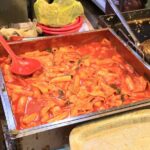
Kimbugak and Gaeseong yakgwa are among the named snacks. Each item is explained, so the tasting is meant to do more than fill a plate. You get a chance to connect food with the cultural discussion and understand what you are eating, even if you have never tried these sweets before.
A past participant particularly valued the setup and the explanations of each item, as well as the taste of the food and tea. That is a good clue to the experience’s strength: the service is designed as a guided tasting, not simply a tray of desserts set down beside a cup.
The menu can change according to the season and ingredient availability. That keeps the offering flexible, but it means you should not book expecting every listed snack to be guaranteed on your date. If you have food preferences or questions about ingredients, the details provided do not specify dietary accommodations, so ask the provider before booking rather than assuming substitutions are available.
The tea portion is a cultural experience, not a meal. Ten kinds of sweets sound generous for a tasting, but the tour does not include other food or personal expenses. If you are hungry, plan your meal separately.
What the schedule means for your day
The experience is described as lasting 90 minutes, while the two timed activities list 30 minutes for the cultural introduction and 30 minutes for the tasting. A 10:30 departure and 11:30 return are shown for one schedule, which suggests you should confirm the exact duration and timing attached to your chosen booking.
That timing is convenient if you are spending the morning around Samcheong-dong and Gyeongbokgung. The address is specific, and the experience starts inside the WA YU JAE shop, so arrive at the selected departure time and allow enough time to find the entrance. The stated options include a 10:30 start; availability can vary by departure choice.
The venue is also a store, and you can look around afterward. A participant used the opportunity to browse and buy souvenirs. That makes for an easy finish if you are interested in Korean crafts, but purchases are personal expenses and are not included in the experience price.
Is the price good value?
The advertised starting price is $41.49, while the solo package information shows a price from US$37.70. Prices can vary by package or booking conditions, so check the total for your selected date and option before paying.
For that price, you are paying for a guided cultural introduction, one premium tea, and 10 types of traditional desserts in a group capped at six. The strongest value is the combination: the cultural context gives the tasting more meaning, and the small group makes it easier to ask questions than in a large tour.
It is less compelling if you want a long workshop, an elaborate meal, or a broad sightseeing tour. You are not visiting several sites, and the experience stays at one venue. But if you want a compact, hosted introduction that can sharpen your attention during the rest of your Seoul visit, the cost is easier to justify.






Who will get the most from it
I would recommend this to curious first-time visitors who plan to see Korean palaces, traditional crafts, or museums and want some context before they go. It also suits anyone who enjoys tasting local food when the ingredients and traditions are explained rather than left as a mystery on a plate.
The age minimum is 14, so this is not an option for younger children. Teens and adults who like cultural discussion and food tasting are a better fit than anyone looking for an active outing or a family activity for all ages.
It is also a good choice if you have limited time. The session is focused, the group is small, and the address is near the palace area. On the other hand, if you already know a lot about Korean arts and traditions, the overview may feel introductory. Its purpose is to offer useful orientation, not specialist study.
Practical details to check before you go
The listed meeting address is WA YU JAE, 108 Samcheong-ro, Jongno-gu, Seoul 03053. Go inside and show your reservation ticket to the store manager; staff will guide you to the program area. The booking voucher is valid only for the date and time specified, so make sure you select a time you can keep.
Participants must be at least 14 years old. English-speaking staff are included, and the tea and snacks are part of the experience. Other personal expenses are not included.
A full refund is available if you cancel at least 24 hours before the activity date, in local destination time. Rescheduling, amendments, or other refund requests depend on availability and the provider’s terms, so check the current conditions when booking.
Should you book the WA YU JAE tea experience?
Book it if you want a thoughtful introduction to Korean visual culture and food before spending the rest of your trip looking at palaces, crafts, and traditional designs. The best reasons to go are the clear cultural framing, the small group, and the tasting of 10 traditional desserts with your choice of seasonal tea.
Skip it if you are after a full meal, a long hands-on class, or a detailed tour of multiple Seoul sights. For a short, well-targeted start to a Korea trip, though, this is a useful way to turn things you might otherwise simply admire into things you can begin to understand.
Seoul: Understand Korea First – Tea, Desserts & Culture
“A friend and I went here last month to learn more about the South Korean culture and do a tea ceremony. We had an amazing experience. You definitel…”
FAQ
How long does the experience last?
It is advertised as a 90-minute experience. The schedule lists a 30-minute cultural introduction and a 30-minute tea and dessert tasting, so check the duration shown for your selected booking.
Where does the experience meet?
Meet inside WA YU JAE at 108 Samcheong-ro, Jongno-gu, Seoul. Show your reservation ticket to the store manager, and staff will guide you to the program area.
What time can I book?
A 10:30 departure is listed. Available times can vary depending on the option you choose, so confirm the time on your booking.
What is included in the tasting?
The experience includes one premium Korean tea and 10 types of traditional desserts. Kimbugak and Gaeseong yakgwa are among the examples, but the menu may change with the season and ingredient availability.
Can I choose my tea?
Yes. You can choose one tea from six handcrafted seasonal options.
Is there an age limit?
Yes. Participants must be at least 14 years old.
Is the group small?
Yes. The experience is limited to a maximum of six participants.