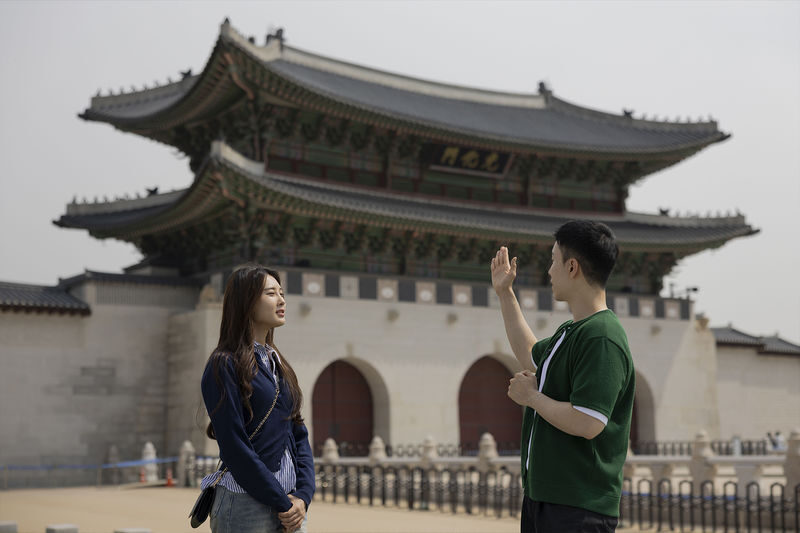
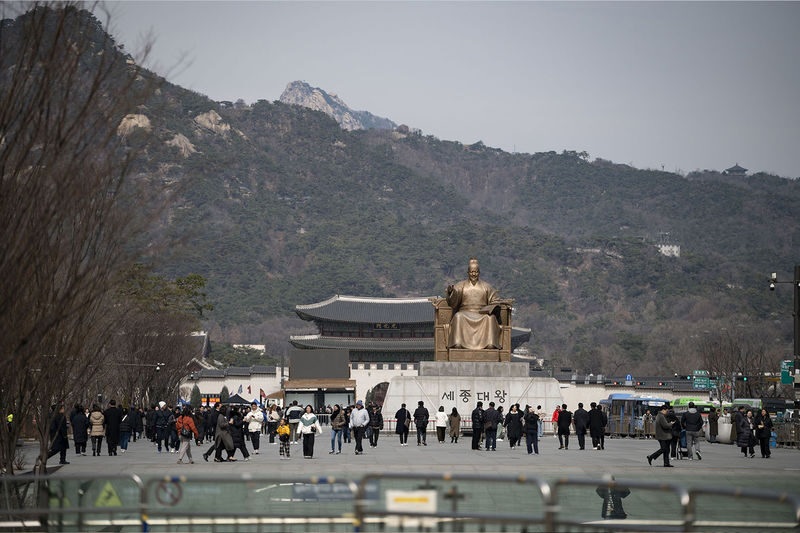
Gwanghwamun is more than a grand square in front of famous sights. It has been at the center of Seoul’s political and cultural life for over 600 years, and this walk uses the area to explain how Korea’s past still shapes the country today. Guide June connects familiar landmarks with local streets and stories about Korean society.
I like two things here: history is linked to everyday life, not left as a list of dates, and June’s Korean history background gives the conversation useful depth. The tour also makes room for questions, so you can follow the subjects that interest you, from modern Korean politics to culture and international relationships.
One point to weigh: this is a walking tour, not a palace-entry or museum visit, and its value depends on how much you enjoy guided explanation. The title says half-day, but the walk is described as about two hours, so check the current schedule before planning the rest of your day.
- Key points
- Why Gwanghwamun makes a useful starting point
- What the two-hour walk is like
- June’s history-first guiding style
- Reading the streets, not just the landmarks
- How much history and politics to expect
- The price and what you get for it
- Who should book this Gwanghwamun tour
- Should you book it?
- FAQ
- How long does the tour take?
- Where does the tour take place?
- Who leads the tour?
- What subjects does the tour cover?
- Is the walk difficult?
- Does the tour visit Bukchon Hanok Village?
- Is the tour suitable if I have limited time in Seoul?
- What is the starting price?
- Can I cancel for a refund?
- The Best Of Seoul!
- More Historical Tours in Seoul
- More Tours in Seoul
- More Tour Reviews in Seoul
- Not for you? Here's more nearby things to do in Seoul we have reviewed
Key points
 1 / 5
 2 / 5
 3 / 5
 4 / 5
 5 / 5
- Gwanghwamun’s long political role: The route explores an area central to Seoul for more than six centuries.
- History tied to present-day Korea: June connects past events with modern values, social habits, and political relationships.
- A local guide with relevant training: June has a degree in Korean history and leads the tour in fluent English.
- Landmarks plus less obvious streets: Expect well-known sites as well as local spots and narrow alleys, with the route subject to change.
- A compact walking format: The tour is described as roughly 120 minutes, a manageable introduction for a busy Seoul itinerary.
- Low entry price: Starting at $15.05, it can offer strong value if you want context rather than only a photo stop.

👉 See our pick of the 25 Best Guided Tours In Seoul
Why Gwanghwamun makes a useful starting point
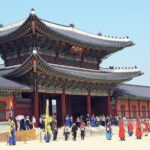
Gwanghwamun is a good place to begin understanding Seoul because the area brings national history and modern city life into close view. It has served as a political and cultural center for more than 600 years, and the tour uses that long role as a thread through the walk.
That context matters. A landmark can be impressive on its own, but its meaning is easier to grasp when someone explains what happened around it and why the place still matters. June’s approach, as described for this tour, is to connect the sites with the way Koreans think, behave, and adapt to change.
This is not simply a stroll past buildings for photographs. The emphasis is on the stories behind the places and the links between Korean history and modern society. If you have already walked around Gwanghwamun by yourself, a guide can help you notice details and connections you might otherwise pass without a second thought.
The setting also gives the conversation room to cover more than one era. You can expect historical background alongside discussion of contemporary Korea, including the country’s relationships with North Korea, Japan, and the United States. Those subjects are especially useful if your understanding of Korea comes mostly from news, television, or popular culture.
You can also read our reviews of more historical tours in Seoul



What the two-hour walk is like
The tour is promoted as a half-day experience, but its walking time is described as about two hours. That is a practical distinction when you are fitting it between other plans. Think of it as a focused introduction to Gwanghwamun and Korean history, not a long excursion that takes up most of your day.
The walk is described as easy, with some hills but nothing extreme. You will still be on your feet, so comfortable shoes make sense. A few accounts also describe June keeping a steady pace and making sure the group can follow along, rather than rushing from stop to stop.
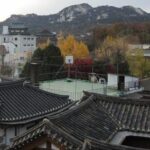
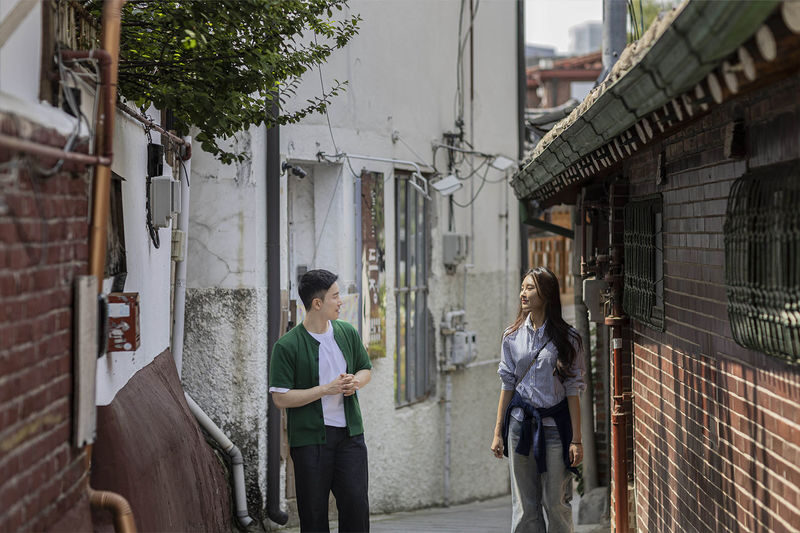
The route combines prominent landmarks with local spots and narrower streets. The precise sequence is not specified, and walking routes can vary, so it is better not to expect a fixed checklist of stops. The consistent idea is to see Gwanghwamun through a local lens, with the setting serving as a prompt for history and conversation.
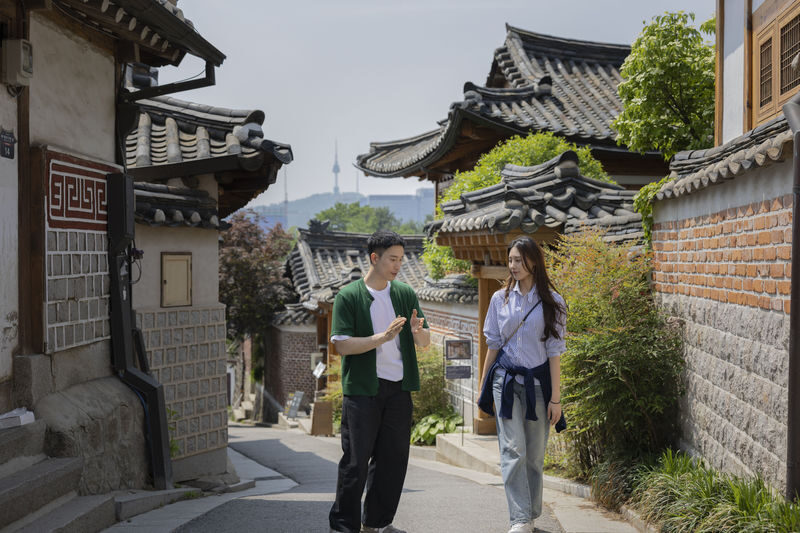
Some accounts of June’s walking tours describe visits to Bukchon Hanok Village as well as less familiar streets. Because the route can vary, treat that as a possibility rather than a guaranteed stop on every Gwanghwamun departure. If Bukchon is a must for you, check the day’s route before booking.
June’s history-first guiding style
June is the guide’s name to remember. He is a local guide with a degree in Korean history, speaks fluent English, and leads the walk with an emphasis on making complex topics understandable. That combination is particularly useful if you want more than dates and names.
The strongest part of this style is the effort to explain why events matter now. Rather than treating culture as a set of fixed customs, June connects historical pressures and social changes with everyday attitudes. You might come away with a clearer sense of why Korean traditions persist, how society has changed, and how people balance old expectations with modern life.
The tour also makes space for questions. That is worth considering if you have specific interests, such as modern politics, Korea’s international relationships, or the cultural background behind Korean dramas. The guide’s willingness to clarify points can make the walk feel more like a conversation than a lecture.
The delivery is described as clear and engaging, with personal stories adding a human note. When the group is larger, a headset has been used to make it easier to hear. That detail is helpful, though you should not assume every departure uses audio equipment.
Reading the streets, not just the landmarks
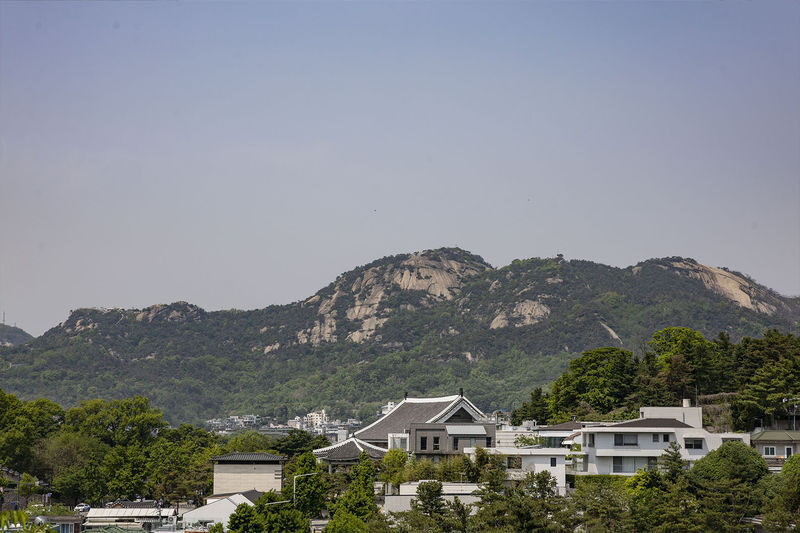
A guided walk earns its keep when it helps you see familiar places differently. Gwanghwamun’s broad public spaces and prominent landmarks are easy to notice. It takes more guidance to understand how the area fits into Seoul’s past and why its political character remains significant.
The narrower streets and local spots add another layer. They can offer a contrast with the formal, highly visible landmarks and give June room to talk about the city beyond its postcard image. If you have already visited the main sights independently, this balance may be the tour’s most appealing feature.
Some people arrive expecting only a standard sightseeing route. This walk aims to go further, explaining Korean society and how historical experiences inform current life. That focus can make even a familiar neighborhood feel newly legible, though it also means you should not expect a tour built mainly around photo opportunities or long visits inside attractions.
There is a trade-off. A walking tour can point out history and context, but it cannot replace time inside a museum or palace. If you want detailed architectural interpretation or extended access to a specific site, choose a dedicated visit as well. This experience is strongest as a connected story told along the way.
How much history and politics to expect
The content reaches beyond Seoul’s local past. June’s explanations can cover modern Korea, the country’s relationships with neighboring and allied nations, and the ways that history influences present-day outlooks. For a first visit, this can provide a useful framework for understanding news and cultural references encountered later in your trip.
The political material is a selling point for some, but it is not the right fit for everyone. If you prefer a light walk with little discussion, the historical and social focus may feel more serious than you want. If you are curious about how Korea became the society you see today, that depth is precisely the appeal.
The tour is also a good match for visitors who enjoy asking questions. June is described as willing to explain and clarify, and a small-group format can make that exchange easier than on a large bus tour. The group is not guaranteed to be tiny, however. On a larger outing, listening equipment may help keep the guide audible.
You can also read our reviews of more tours and experiences in Seoul



The price and what you get for it
At a starting price of $15.05, this is an inexpensive way to add context to a Seoul visit. The value is less about the number of stops and more about what you learn while walking between them. A guide who can connect the place, the history, and modern life may help you get more from later independent visits, too.
The tour has a 5.0 rating from 32 reviews, while the provider has 548 total reviews and a 98% good review rate. Those figures suggest a strong track record, though they do not guarantee that every guide or departure will suit every visitor.
Keep expectations in line with the format. The tour is around two hours, involves walking, and focuses on explanation rather than paid admissions or a long list of included attractions. The package information provided does not spell out extra inclusions, so check the booking details if you need to know exactly what the price covers.
Instant confirmation and free cancellation with at least 24 hours’ notice are listed. That gives you some flexibility if your plans shift, but remember that the deadline uses local destination time.
Who should book this Gwanghwamun tour
I would put this near the top of the list for a first-time visitor who wants a clearer understanding of Korea, not just a quick orientation to Seoul’s landmarks. It is especially suited to people interested in history, modern politics, and the connection between social values and everyday behavior.
It can also work well if you have limited time. Two hours is short enough to fit into a packed itinerary, while the subject matter reaches well beyond the immediate neighborhood. The walk is described as manageable, and the English-speaking guide makes it accessible to visitors who do not speak Korean.
You may want a different experience if your priority is entering specific buildings, taking photographs at a relaxed pace, or covering a large number of attractions. This tour’s main reward is interpretation. You come for the stories and local perspective, with the streets and landmarks as the setting.
Should you book it?
Book the Gwanghwamun walk if you want a lively, approachable introduction to Korean history and modern society, led by a guide who can connect the two. June’s history background, willingness to answer questions, and focus on local context make the tour a strong value at its starting price.
Skip it if you want a self-guided photo route or a detailed interior visit to a particular attraction. And because the title says half-day while the described walk is about two hours, confirm the departure details before building your schedule around it. For curious visitors who want Seoul to make more sense, this is a smart use of a morning or afternoon.
Seoul Gwanghwamun Square Half-Day Small Group Historical Tour
“I joined this tour last Thursday and had such a great time! The tour was really interesting and enjoyable, and we even got lucky with perfect weath…”
FAQ
How long does the tour take?
The walking tour is described as about two hours, or 120 minutes, despite the half-day wording in its name.
Where does the tour take place?
It takes place in Gwanghwamun, in central Seoul. Gwanghwamun Plaza is the named attraction associated with the experience.
Who leads the tour?
The guide is June, a local guide with a degree in Korean history. The tour is conducted in fluent English.
What subjects does the tour cover?
It connects Korean history with modern society, cultural values, everyday life, and political topics. Discussion may include Korea’s relationships with North Korea, Japan, and the United States.
Is the walk difficult?
The walk is described as easy, with some hills that are not considered extreme. It is still a walking tour, so plan to be on your feet.
Does the tour visit Bukchon Hanok Village?
Some descriptions of June’s walking tours mention Bukchon Hanok Village, but the exact route can vary. Check the route for your departure if visiting Bukchon is important to you.
Is the tour suitable if I have limited time in Seoul?
It may suit a tight schedule because the walk is described as about two hours and covers historical and cultural context in that time.
What is the starting price?
The listed starting price is $15.05. Check the booking details for the price on your selected date and any included items.
Can I cancel for a refund?
The activity offers free cancellation if you cancel at least 24 hours before the activity date, using destination local time.