Jeonju Hanok Village packs tiled roofs, narrow lanes, royal history and a chance to wear hanbok into one easy day trip from Seoul. I like the contrast between the guided introduction and time to wander on your own, and the chance to try Jeonju bibimbap where the dish has deep local roots.
The main trade-off is the drive: the listed bus leg takes about three and a half hours, so expect a long day with substantial time on the road. The best fit is someone who values convenience and culture more than an unhurried visit.
- At a glance
- A day trip built around Jeonju’s old streets
- Hanbok makes the lanes part of the experience
- Gyeonggijeon connects the scenery to history
- Lunch is your chance to taste Jeonju
- Cultural stops beyond the hanok houses
- The Seoul-to-Jeonju drive takes real commitment
- What the price includes, and what it does not
- Who will get the most from this day
- Should you book the Jeonju day trip?
- FAQ
- How long is the tour?
- Where does the tour depart from?
- Where does the tour return?
- Is lunch included?
- Is the hanbok experience included?
- What languages does the guide speak?
- Is the tour guaranteed to run?
- Can children under three join for free?
- More Tours in Jeonju-si
- More Tour Reviews in Jeonju-si
- Not for you? Here's more nearby things to do in Jeonju-si we have reviewed
At a glance
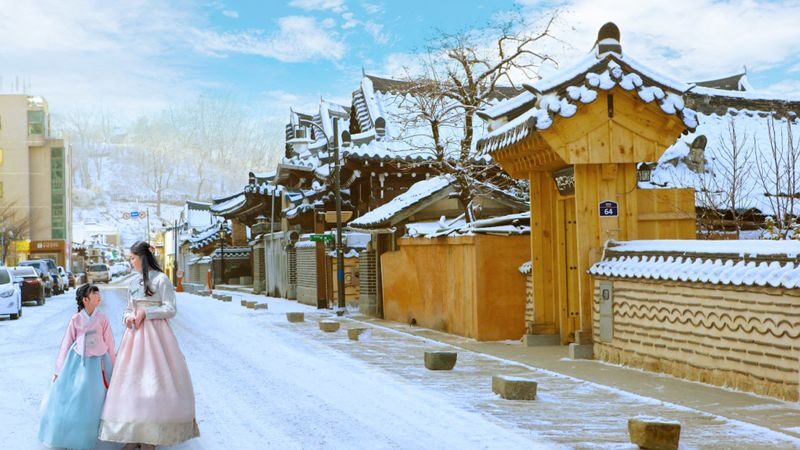
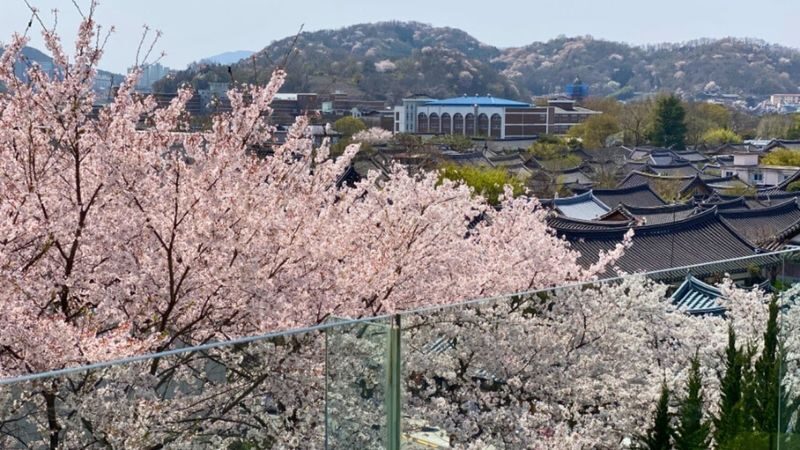
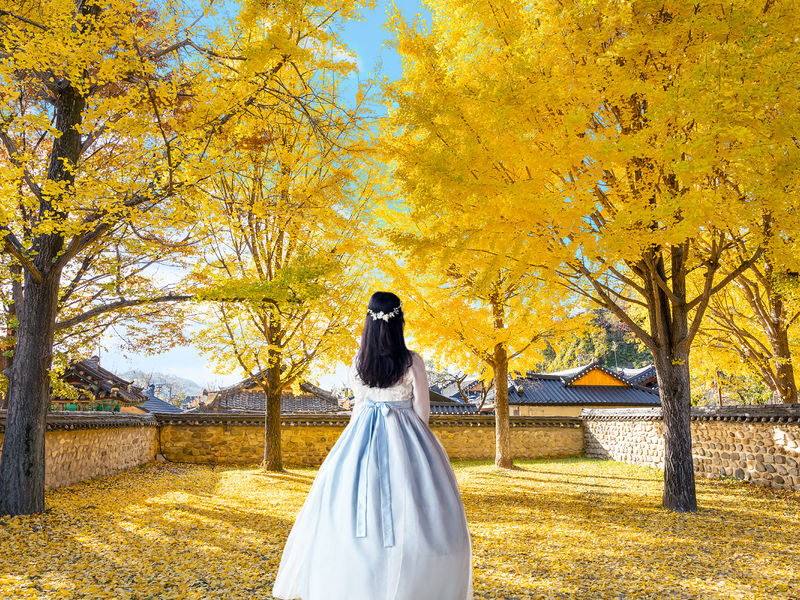
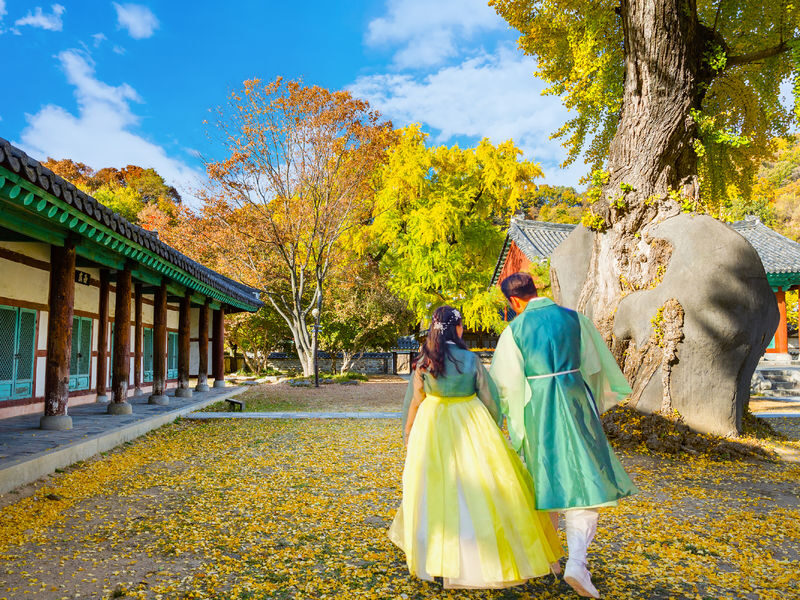
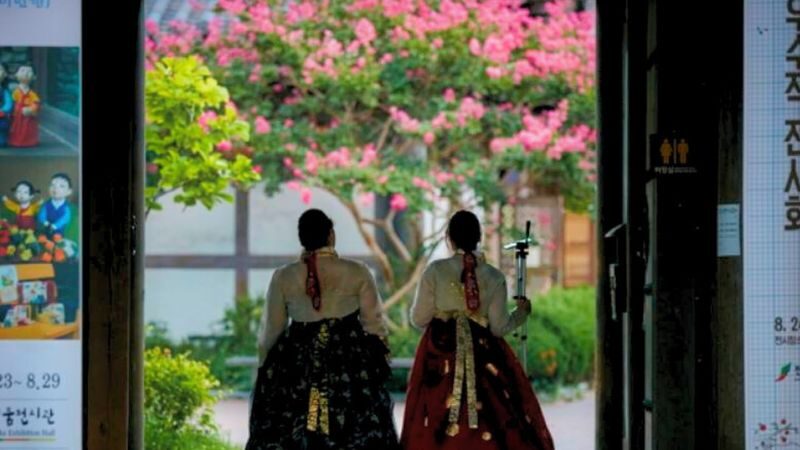

- Walk among hundreds of hanok houses: Jeonju’s old-style homes form a dense cluster in the city center, with shops and cultural stops woven into the lanes.
- Try traditional dress: Hanbok is part of the experience, making the historic streets and Gyeonggijeon Shrine especially photogenic.
- Visit a royal shrine: Gyeonggijeon was built in 1410 and enshrines the portrait of King Taejo, founder of the Joseon dynasty.
- Make time for Jeonju food: Lunch is not included, so plan to buy bibimbap or another local meal at your own expense.
- Expect a full day: The schedule runs from an early Seoul departure to a return around 20:00, with a long bus ride each way.
- Use free time wisely: The village portion includes both guided and self-guided time, so you can choose between browsing, eating and visiting cultural facilities.
A day trip built around Jeonju’s old streets
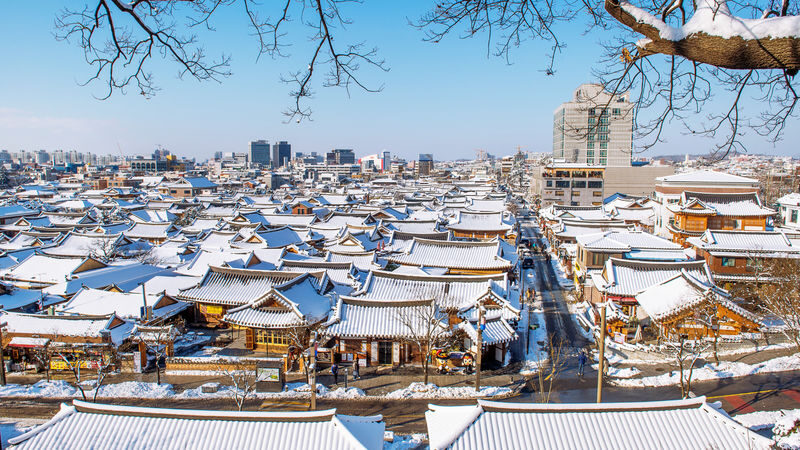
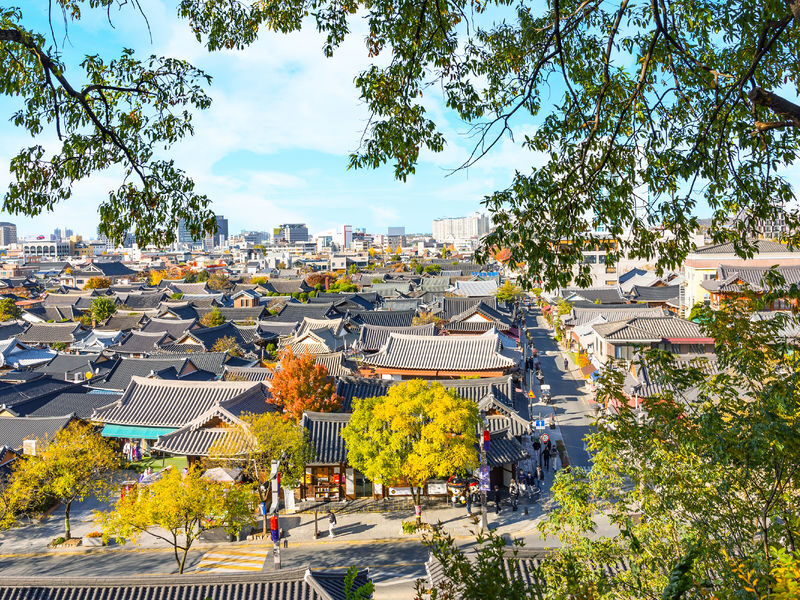
Jeonju is promoted as Korea’s largest hanok village, a traditional urban neighborhood known for its tiled roofs and preserved homes. The supplied descriptions give different counts, one citing 735 hanok houses and another saying more than 800. The practical point is clear: this is a substantial historic district, not a single reconstructed street.
It is also a living part of the city, with shops, food stalls and cultural attractions among the traditional buildings. That mix can be a pleasure if you like to browse and snack as you go. If you expect a quiet, untouched village, the commercial side may feel less atmospheric than the rooflines suggest.
Jeonju has a long place in Korean history. It was the capital of Later Baekje, founded in 900, and Gyeonggijeon links the visit to the Joseon dynasty. The day gives you a taste of that past, though it is not a specialist history tour: much of your time is for exploring at your own pace.
You can also read our reviews of more tours and experiences in Jeonju-si.
Hanbok makes the lanes part of the experience
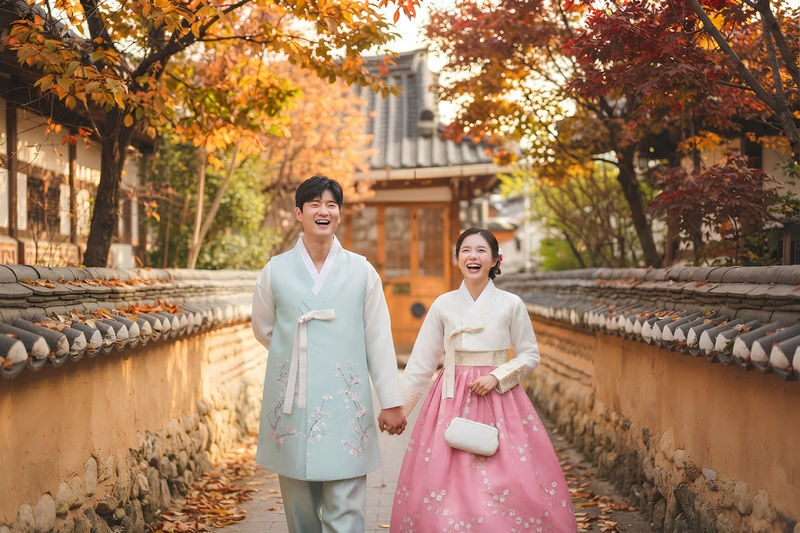
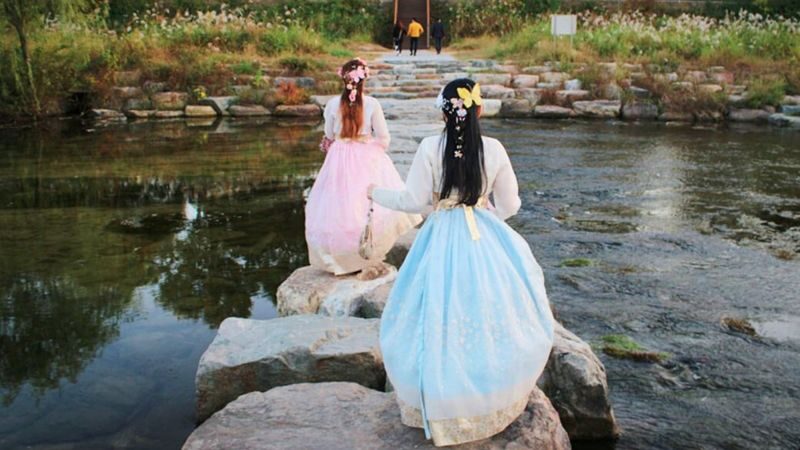
The included traditional-clothing experience is one of the tour’s strongest draws. You choose a hanbok at a rental shop and can wear it through the village lanes and at Gyeonggijeon. The tiled eaves and old-style buildings make a fitting backdrop, and dressing up can turn a simple walk into a more memorable visit.
The village has many hanbok rental shops, so there is plenty of choice on site. The tour information says the traditional-clothing experience is included, but does not spell out every detail of the rental, such as the selection of garments or any time limits. Follow the shop’s instructions and check the precise package terms before booking if those details matter to you.
You do not need to treat the outfit as a costume shoot. A slow walk beneath the tiled roofs is the point, with photographs as a bonus. In autumn, ginkgo and maple leaves can add color to the streets, though foliage depends on the season and conditions.
Gyeonggijeon connects the scenery to history
Gyeonggijeon Shrine was built in 1410 and holds a royal portrait of King Taejo, the founder of the Joseon dynasty. It gives the visit a historical anchor beyond the architecture and shops. If you are wearing hanbok, the shrine grounds also make a natural extension of your walk through the old quarter.
The schedule allots an initial hour for a guided visit to Jeonju Hanok Village, including the hanbok selection. A further block of time is listed at Jeonju Gymnasium, with lunch at your own expense, followed by two hours of self-guided time around the tourist information center and village. The exact order and meeting arrangements are worth confirming with the tour team, since the timetable uses several different place names.
Use the guided portion to get oriented and ask questions. The guide’s role may vary by departure, but guides on past trips have included Joe Park, Corner, Alvin, CK and Austin. The tour provides Chinese- and English-speaking guidance; the named guides are examples, not a guarantee of who will lead your date.
Lunch is your chance to taste Jeonju
Jeonju was designated a UNESCO Creative City of Gastronomy in 2012. Bibimbap is the best-known local dish, and the description of the tour highlights a version made with rice cooked in beef-bone broth and more than 30 ingredients. Lunch is not included, so the meal is an extra expense and a choice you make for yourself.
I would keep enough time and budget for a proper sit-down meal rather than treating lunch as an afterthought. The guide may recommend a restaurant, and the tour information suggests following those recommendations or bringing your own food. You can also look for traditional rice cakes, snacks around Southern Market or seasonal food options in the village.
Do not assume that every food stop is built into the tour. The village has plenty to browse, but your time is finite, and the schedule gives you a mix of guided and independent hours. If food is a priority, decide before arrival whether you want a full bibimbap lunch or a quicker snack-and-stroll approach.
Cultural stops beyond the hanok houses
Jeonju’s traditional culture is not limited to the homes and shrine. The village area has more than 20 cultural facilities, including a Hanji Experience Center, a Traditional Liquor Museum and a Fan Culture Museum. These can add substance to your visit if you want to see more than shops and take photographs.
The self-guided block is useful here. You can choose a museum, spend more time in the lanes or pause at a café, rather than follow a fixed group route for every minute. The trade-off is that independent time asks you to keep track of the meeting point and return time yourself.
The tour description also mentions a night market, but this is a daytime excursion that returns to Seoul around 20:00. Do not book on the assumption that you will have a full evening to explore the market. Treat it as a possible seasonal or location detail, not a guaranteed stop.
The Seoul-to-Jeonju drive takes real commitment
The day begins early, with departure times listed at 07:15, 07:45 and 08:00. The meeting information points to a location a three-to-five-minute walk from Myeongdong Subway Station Exit 1 and asks you to arrive 10 minutes before departure. Check your confirmation for the exact time and meeting instructions; late arrivals and no-shows are not refundable.
The listed drive to Jeonju is about three and a half hours. The tour returns to Seoul around 20:00, with Hongik University Station given as the return point. That is a long day, and traffic can stretch the journey. The bus saves you from arranging intercity transport yourself, but it does not make Jeonju close to Seoul.
Vehicle size depends on the number of participants. A Solati or Starex is used for groups of 13 or fewer, while a minibus or tour bus is used for 20 or more. A small vehicle can feel less spacious, so bring water, wear comfortable clothes and be prepared to sit for long stretches. The operator asks you to flag a stroller, wheelchair or large bag in advance.
What the price includes, and what it does not
The tour includes round-trip transfers, a Chinese- or English-speaking guide, admission to the traditional-clothing experience and a New World Duty Free Shop coupon. Meals, drinks, tips and other personal expenses are extra. In practice, the biggest value is convenience: transport and a guide are arranged, and you get an introduction to the village without having to plan the journey yourself.
The supplied prices differ: the summary starts at $77.95, while the Seoul package option is shown from US$67.79. Prices can vary by package or date, so check the total at checkout rather than treating either starting figure as a fixed fare. Add lunch and any shopping or optional activities when comparing the cost with arranging transport independently.
There is also a minimum group size of eight. If the tour does not reach that number, you can choose an alternative date or request a full refund. The voucher is valid only for the specified date and is shown on your phone.
Who will get the most from this day
This trip suits first-time visitors who want to see a major traditional district without arranging a long-distance trip on their own. It is especially appealing if you want to wear hanbok, take photographs and sample Jeonju food, with a guide available in English or Chinese.
It is less suited to anyone who dislikes long bus rides or wants a deep, continuous guided tour. The schedule leaves self-guided time, and past tour arrangements have not always included detailed explanations at every stop. If you prefer a slower pace, a full day based in Jeonju may let you spend more time with the museums, food and side streets.
The overall experience has been rated 4.7 out of 5 across 36 ratings. The praise centers on friendly, helpful guides, the hanbok experience and Jeonju’s scenery and food. The cautions are equally practical: the drive is long, traffic can interfere with timing, and vehicle comfort can vary. Guides have been praised for clear communication and help with food or other needs, but you should not expect an intensive lecture at every stop.
Should you book the Jeonju day trip?
Book it if you want a straightforward Seoul-to-Jeonju excursion with transport, a guide and a traditional-clothing experience included. Plan for bibimbap at your own expense, use the free time for the sights that interest you most, and accept that much of the day belongs to the road.
Skip it if you want a relaxed, in-depth exploration or cannot spare a full day. Jeonju rewards lingering, and this schedule offers a useful introduction rather than the time to see everything. For a first visit, though, the combination of hanbok, Gyeonggijeon and local food makes the long ride easier to justify.
Seoul: Full-day cultural tour to Jeonju Hanok Village
“The Jeonju Hanok Village and Jangtaesan tour was a refreshing and memorable experience. Our tour guide, Mr. Joe Park, was very informative and acco…”
FAQ
How long is the tour?
The day starts with a Seoul departure between 07:15 and 08:00, depending on the assigned departure, and returns around 20:00. The listed bus journey to Jeonju takes about three and a half hours.
Where does the tour depart from?
The meeting information says the departure point is a three-to-five-minute walk from Myeongdong Subway Station Exit 1. Check your confirmation for the exact departure time and meeting instructions.
Where does the tour return?
The return point is Hongik University Station, with an approximate return time of 20:00.
Is lunch included?
No. You pay for your own meals and drinks. You can bring lunch or dine at a restaurant recommended by the guide.
Is the hanbok experience included?
Admission to the Korean traditional-clothing experience is included. At the rental shop, you select a suitable hanbok according to the shop’s instructions.
What languages does the guide speak?
The tour includes a Chinese- or English-speaking guide.
Is the tour guaranteed to run?
The activity requires at least eight participants. If the minimum is not met, you can book an alternative date or request a full refund.
Can children under three join for free?
Children aged 0 to 2 can join free if they do not occupy a separate seat. They must present relevant documentation for verification.