Sankeien’s pleasure is the way old architecture and a carefully shaped garden share the same view. A pagoda rises above the trees, while ponds, winding paths and seasonal flowers turn a stroll into a quiet break from Yokohama’s city streets.
I like two things in particular: the historic buildings, moved here from around Japan and set among the garden’s hills and water, and the changing displays of flowers, from plum blossoms in February to lotus in summer. The grounds are also spacious enough for a slow walk without making you feel rushed.
The trade-off is the location. Sankeien sits outside central Yokohama, so you’ll need a bus and a little planning. And although the old houses are a major draw, most are viewed from outside; access inside is limited.
- A garden built by Tomitaro Hara: The industrialist and tea master made this his private home. Today, the grounds include 17 historic buildings.
- Seasonal flowers give you a reason to time your visit: Cherry blossoms usually flower from late March to early April; lotus bloom in July and August.
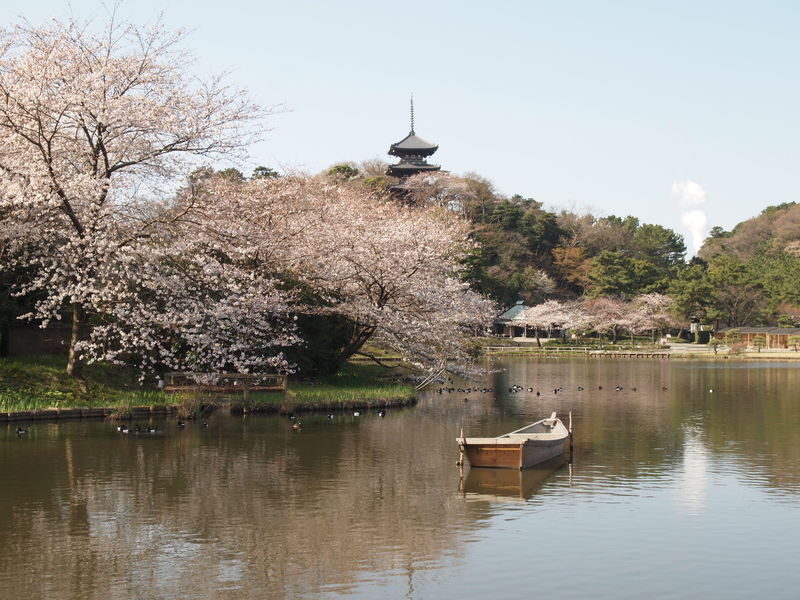
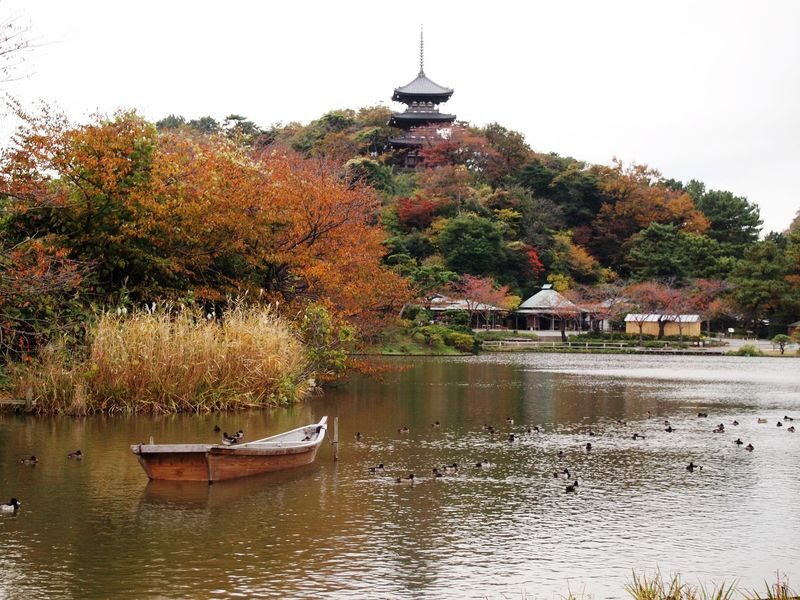
- The pagoda and pond make the classic view: Look for the hilltop pagoda and its reflection in the water.
- It’s a substantial walk, not a quick photo stop: Plan on one to three hours, with sloping paths and room to pause.
- The e-ticket is convenient, but inflexible: Keep your voucher available on a phone with internet access. The ticket cannot be cancelled or refunded.
- A garden shaped by Tomitaro Hara
- Start at the entrance, then follow the garden’s rhythm
- Historic houses are part of the scenery
- Choose your season for flowers, not just weather
- Tea, sweets and a pause from the paths
- Getting there takes a little planning
- What the ticket price gets you
- Who will enjoy Sankeien most
- Should you book Sankeien Garden?
- FAQ
- How long should I plan for Sankeien Garden?
- What are the garden’s opening hours?
- How do I get to the entrance by bus?
- When do the main flowers bloom?
- Do I need internet access to use the e-ticket?
- Can I cancel or get a refund for the ticket?
- The Best Of Yokohama!
- More Tours in Yokohama
- More Tour Reviews in Yokohama
- Not for you? Here's more nearby things to do in Yokohama we have reviewed
A garden shaped by Tomitaro Hara
 1 / 9
 2 / 9
 3 / 9
 4 / 9
 5 / 9
 6 / 9
 7 / 9
 8 / 9
 9 / 9
Sankeien was once the private residence of Tomitaro Hara, an industrialist and tea master who used the name Sankei. Rather than build a formal garden on flat ground, he worked with the natural terrain, shaping a sequence of slopes, ponds, paths and planted areas.
That setting matters. You don’t simply circle one pond and leave; the walk unfolds through different views, with buildings appearing among the trees and across the water. The grounds cover enough space to feel like a proper outing, but you can set your own pace and stop when a view catches your eye.
The collection includes 17 historic buildings. Ten are designated Important Cultural Properties of Japan, and three are Tangible Cultural Properties of Yokohama. They come from different periods and places, which gives the garden an unusual mix of architectural styles. Their presence also makes the visit more than a flower park: you’re seeing structures preserved as part of Japan’s cultural heritage.
A note for architecture fans: don’t assume every house is open to explore. Most buildings can be seen from the outside, and only some allow entry. If you do go into a building, you may need to remove your shoes. Treat the exteriors and their placement within the garden as part of the experience, rather than expecting a full indoor tour.

👉 See our pick of the 15 Best Guided Tours In Yokohama
Start at the entrance, then follow the garden’s rhythm
Once inside, take a moment to get your bearings before setting off. The garden is self-guided, and you can walk the paths in the order that suits you. Signs help orient you, while an audio guide accessed by phone can add context. Look for its sign just past the entrance gate, rather than at the ticket gate.
The garden’s design is at its best when you slow down. Paths rise and dip across the terrain, and the view changes as you move between trees, open spaces and water. It’s a pleasant place to wander, but the slopes do mean that this is not a flat stroll. If you or someone in your party finds uphill walking difficult, take your time and consider how much of the grounds you want to cover.
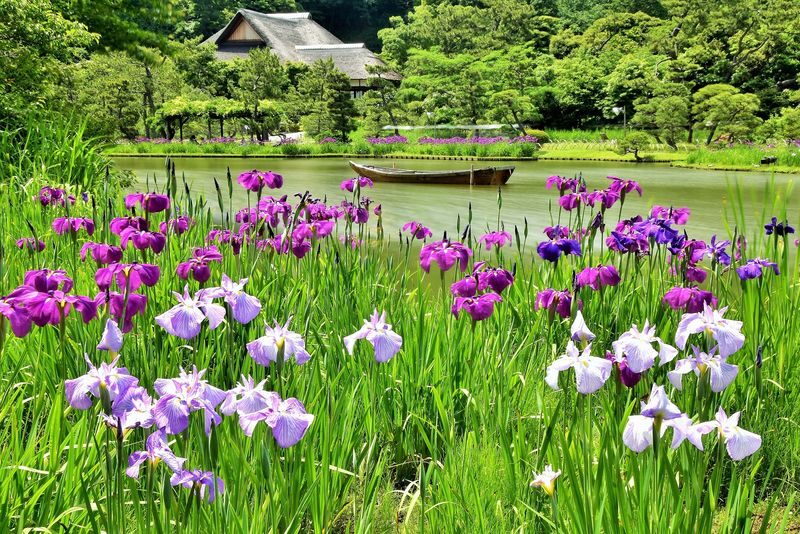
The pond is one of the natural pause points. Water, planted banks and historic architecture come together in a way that rewards looking beyond the first obvious photo. The old pagoda on the hill is a particular focal point, especially when its outline is reflected in the pond. On clear days, the observation area near Shofukaku may offer a view of Mount Fuji, though clouds can block it. The uphill approach to Shofukaku can be challenging, so factor that in before making it a must-see.
You may also spot fish, turtles, ducks and other wildlife near the water. Feeding opportunities are mentioned at the garden, but follow any posted instructions and don’t bring animals or plants into the park. The atmosphere is quiet, so this is a good place to keep your pace gentle and let the setting do its work.
You can also read our reviews of more tours and experiences in Yokohama.



Historic houses are part of the scenery
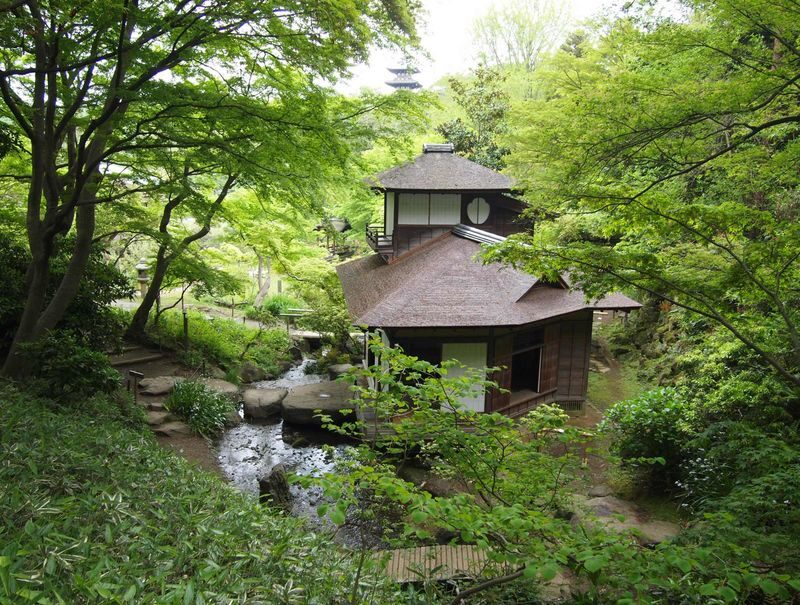
The old buildings are a major reason to visit, but expectations matter. Sankeien is not a row of houses with every door open. Many structures are best appreciated from the garden paths, where their roofs and wooden frames sit in relation to the trees, hills and water.
That exterior view has its own appeal. You can notice how a building’s shape changes the view around it, or how a roofline appears through the branches. The garden’s historic architecture includes structures moved from other parts of Japan, including Kyoto, and their varied origins help explain why the grounds feel like a collection of distinct places rather than one uniform design.
When a building is open, you may be able to step inside, but be prepared to remove your shoes. Access can vary by building and season, so don’t build your whole visit around entering a particular house. The Former Yanohara Residence has a specific rule: eating and drinking are not permitted inside.
Sankeien’s history is also presented at the Sankei Memorial Museum. It holds materials and artworks connected to Hara and the garden, with exhibits rotated about once a month. That makes the museum a useful complement to the walk, especially if you want more background on the man who created the grounds and the buildings he brought together.
Choose your season for flowers, not just weather
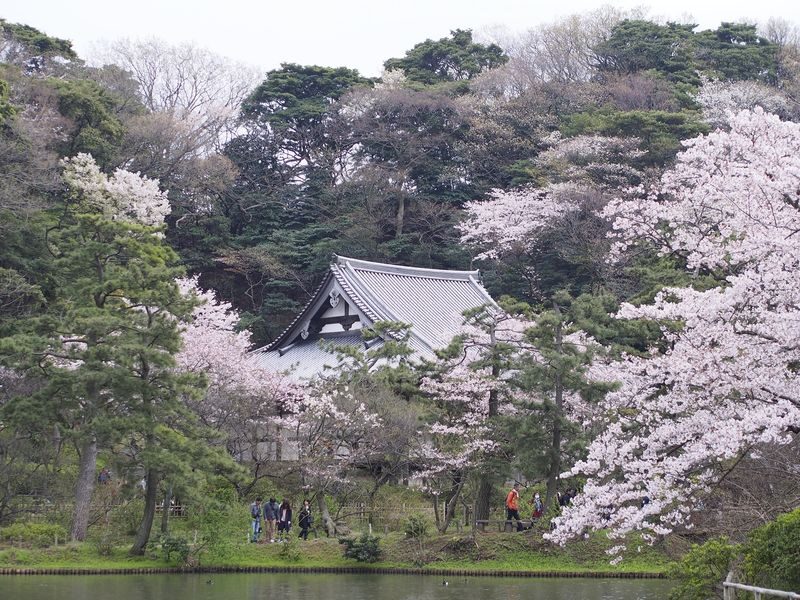
Sankeien changes character through the year. Late March to early April is the main cherry blossom period, though exact bloom timing varies. The open grounds give you space to stroll and take in the blossoms without treating the garden as a single viewing point. Bring a layer if you’re visiting in early spring; it can still feel cold while you walk.
In July and August, thousands of pink lotus flowers bloom in the pond just inside the entrance. This is a striking seasonal display, but summer heat can make a long walk less comfortable. If lotus is your main reason for coming, check seasonal conditions before you set out, and plan a slower visit with breaks.
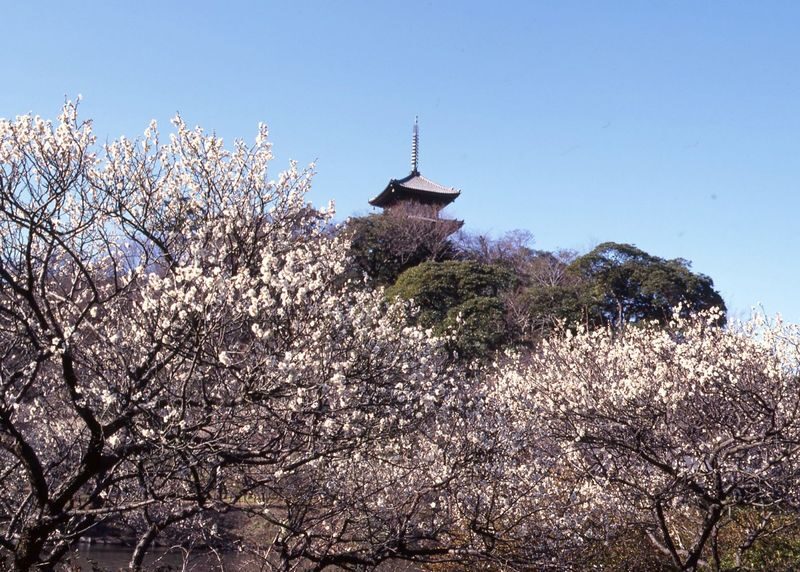
Autumn brings changing leaf color, with late autumn the stated season for foliage. The timing can shift from year to year, so a visit late in the season may not guarantee peak color. Winter has its own reward: plum blossoms begin opening in mid to late February. Even without a major flower display, the quieter grounds can suit anyone looking for a peaceful walk.
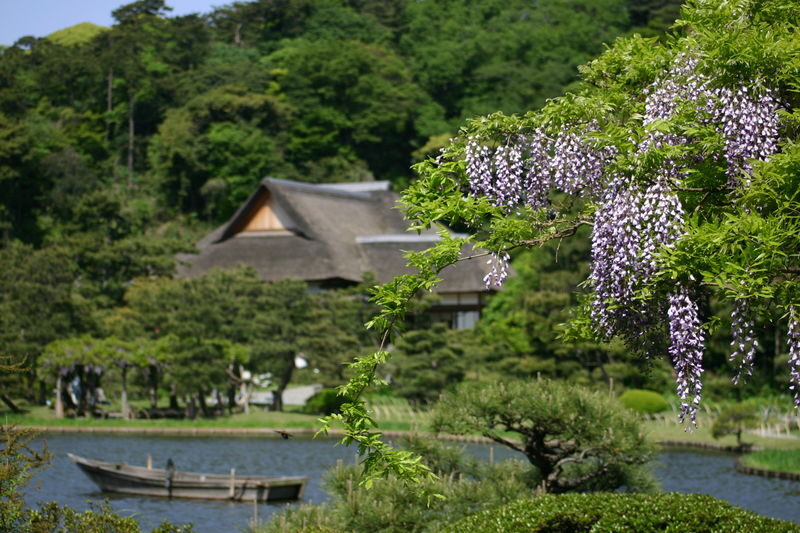
The garden’s flowers are not limited to these headline seasons. Different plants bloom throughout the year, so a visit outside cherry blossom or autumn color season can still be worthwhile. Just come for the garden and architecture as a whole, not the promise of a particular bloom that nature may bring early or late.
Tea, sweets and a pause from the paths
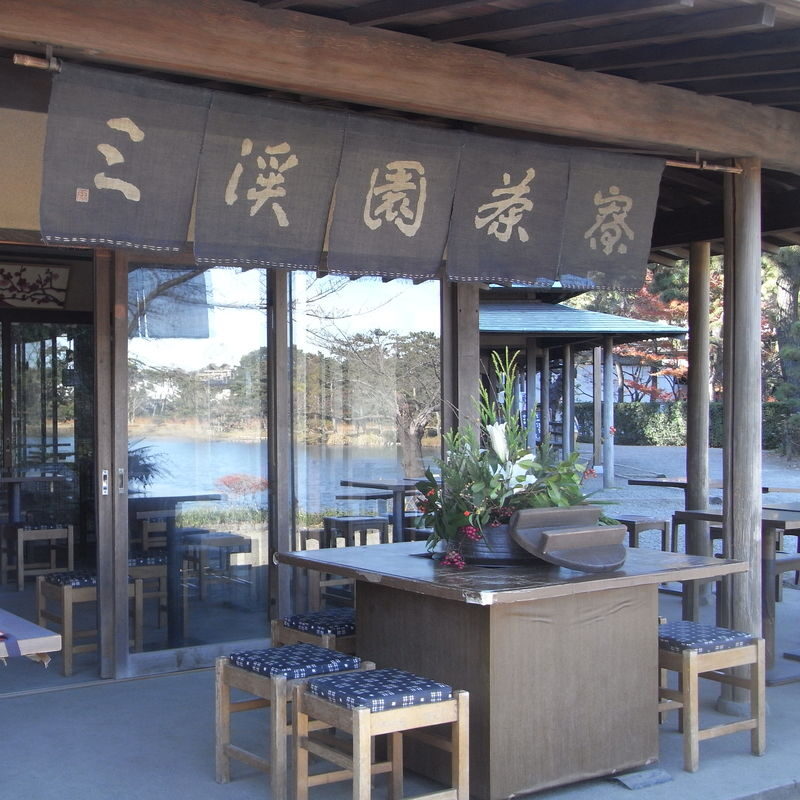
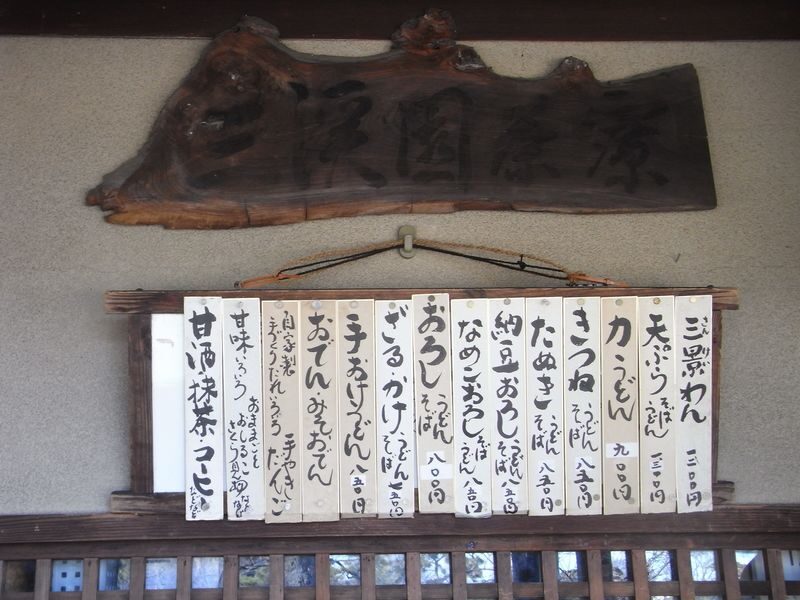
Sankeien offers more than walking. The Sankei Memorial Museum includes a traditional tea room where you can have matcha, and a shop sells Japanese-style goods and sweets. There are also three tea houses in the garden, where you may find Sankei soba noodles and sweets associated with Hara.
These facilities add welcome breathing room to a visit, especially if you’re making a half-day of it. But don’t count on every tea service or building being open on the day you arrive. Seasonal closures can affect facilities and activities, so have a flexible plan rather than making a meal or tea stop the sole purpose of your trip.
Food options are available in the garden, including a restaurant area. If you want to eat, take a look around rather than stopping at the first counter you see; there is another restaurant area farther along from the food stalls. Eating and drinking are prohibited in the inner garden and in the Former Yanohara Residence, so keep refreshments to the permitted areas.
Getting there takes a little planning
Sankeien is at 58-1 Honmokusannotani, Naka Ward, Yokohama. The nearest bus stops listed for the garden are Honmoku, served by city buses 58 and 101, about a 10-minute walk away, and Sakuramichi, served by buses 8 and 168, about a five-minute walk away.
The bus ride and final walk are part of the outing, not a quick hop from the central sights. If you’re coming from Tokyo, the journey can feel long; even from central Yokohama, allow time for the bus connection. In return, you arrive at a quieter spot away from the city’s busier areas. Check current routes and service before leaving, since the supplied stop directions don’t give a complete route from your starting point.
The garden is open daily from 9 a.m. to 5 p.m., with last admission at 4:30 p.m. Hours may shift slightly by season, and facilities can close at certain times of year. Check the garden’s current opening information before making the trip, particularly around year-end or if you’re visiting for a seasonal display.




What the ticket price gets you
Admission starts at $5.69, and a recent adult price noted at the garden was ¥900. The Klook ticket covers one admission to Sankeien; personal expenses, food and drinks are extra. At this price, the value depends on what you want from a visit. If you enjoy gardens, historic buildings and an unhurried walk, you can easily spend one to three hours here. If you’re after a compact attraction with lots of indoor access, the value may feel less clear.
The best value comes from allowing time to explore rather than treating this as a quick stop between other sights. The grounds are large, and the slopes, ponds, museum and changing flowers give you several reasons to pause. On the other hand, if you only have a short Yokohama visit or dislike walking, the bus journey and outdoor focus may not justify the detour.
The online voucher is valid for 180 days from booking confirmation, expiring at 5 p.m. on the last day. It must be opened through the Klook app or website and shown on your phone with internet access. Staff operate the ticket; don’t try to use it yourself. The ticket is non-refundable, so check the weather, opening status and your plans before buying. A paper or offline screenshot may not be enough if the voucher requires an active connection.
Who will enjoy Sankeien most
I’d choose Sankeien if you want a quiet change of pace and have a genuine interest in gardens, traditional architecture or seasonal flowers. It suits couples, solo visitors, photographers and families who are happy to walk at an easy pace. Children aged 0 to 6 enter free; those aged 16 and older pay the adult rate.
It is less suited to a rushed itinerary or a visitor who expects every historic house to be open. The garden has slopes, and some paths involve climbing. It is also not a picnic park: food and drink are restricted in parts of the grounds, while smoking and drinking are not allowed anywhere on site. Bicycles, skateboards and pets are not permitted, except service animals with valid identification.
Photography for personal use is allowed. Commercial photo or video work and live broadcasting are prohibited. Keep your camera ready for the pagoda, pond and flowers, but leave commercial shoots and livestreams off the agenda.
Should you book Sankeien Garden?
Book if you have time for a calm, open-air visit and want to see a side of Yokohama beyond its urban sights. The combination of the pond, hilltop pagoda, seasonal flowers and historic buildings gives the garden a clear sense of place, and admission is reasonable for a visit that can fill a few hours.
Think twice if the bus journey is a burden, you need a fully accessible flat route, or you’re booking only to enter a specific building or tea house. Facilities may close, and the online ticket cannot be refunded. For the best chance of a satisfying visit, check current opening conditions, choose your season with care and give yourself enough time to wander.
Sankeien Garden Admission
“It was a great place though we didnt know that the tea place for the day we visited was closed. Still, we enjoyed the place and had fun together.”
FAQ
How long should I plan for Sankeien Garden?
The suggested visit takes one to three hours. The grounds are spacious, and you can spend longer if you include the museum, a tea stop or a slower walk.
What are the garden’s opening hours?
Sankeien is listed as open daily from 9 a.m. to 5 p.m. Last admission is 4:30 p.m. Hours may be adjusted slightly by season.
How do I get to the entrance by bus?
From Honmoku Bus Stop, served by city buses 58 and 101, it is about a 10-minute walk. From Sakuramichi Bus Stop, served by buses 8 and 168, it is about five minutes on foot.
When do the main flowers bloom?
Cherry blossoms generally bloom from late March to early April. Lotus flowers bloom in July and August, autumn leaves change color in late autumn, and plum blossoms start in mid to late February.
Do I need internet access to use the e-ticket?
Yes. Open the voucher through the Klook app or website on a phone with internet access and show it to staff. Staff must operate the ticket.
Can I cancel or get a refund for the ticket?
No. The ticket cannot be cancelled or refunded. It is valid for 180 days from the booking confirmation date and expires at 5 p.m. on its final day.


