
A sloth can be living above the footpath on a busy university campus, while students head to class below. This 2.5-hour walk with Oropopo Experience takes you into some of San José’s largest patches of forest, where a biologist helps you spot sloths, birds, insects and flowers that are easy to miss on your own.
I like two things in particular: the guides teach you how to notice the small wildlife as well as the famous sloths, and the telescope makes it easier to see animals high in the trees. The trade-off is that wildlife is wild, not scheduled. Even on a strong day, sightings depend on what is active and visible, and parts of the walk can be exposed to intense sun or rain.
- The useful details at a glance
- A green campus in the middle of San José
- The first stop: birds, insects and flowers
- The main campus and the sloth search
- Guides who turn a walk into a lesson
- Two and a half hours on foot
- Is good value?
- Who should book this campus walk?
- Should you book it?
- FAQ
- How long is the walking tour?
- How much does the tour cost?
- Where is the meeting point?
- What languages are available?
- What wildlife might I see?
- What should I bring?
- Is the tour suitable during the rainy season?
- Is the walk suitable for wheelchair users?
- More Walking Tours in San Jose Costa Rica
- More Tours in San Jose Costa Rica
- More Tour Reviews in San Jose Costa Rica
- Not for you? Here's more nearby things to do in San Jose Costa Rica we have reviewed
The useful details at a glance
 1 / 9
 2 / 9
 3 / 9
 4 / 9
 5 / 9
 6 / 9
 7 / 9
 8 / 9
 9 / 9
- Sloths in the city: Search for wild sloths on the University of Costa Rica campus, with a guide helping you scan the trees.
- More than animal spotting: Look for birds, insects, flowers and trees while hearing about Costa Rican nature, campus life and local culture.
- A biologist leads the walk: Guides such as Ismael, Luis, Monica and Meli have helped visitors identify wildlife and make sense of what they are seeing.
- A small group: The tour is limited to 10 participants, a practical size for stopping to look through the telescope.
- Bring your own basics: Water, sunscreen, insect repellent, closed-toe shoes and rain gear are not included.
- Good value for a short outing: At $16 per person for 150 minutes, it is an affordable way to add a nature-focused experience to time in San José.
A green campus in the middle of San José
The setting is the University of Costa Rica, not a remote reserve. That is the point. The campus contains some of the largest patches of forest in San José, giving you a chance to see how much wildlife can persist within a large city. The walk offers a different view of Costa Rica from the one you get on a beach, in a national park or on a long drive between destinations.
You meet near the university, in front of Ondina Café & Restaurant, then head out with a guide. Look for a T-shirt marked Oropopo Experience and a telescope. The café is closed on weekends, but the guide is still due to be there, so a shut door is no cause for alarm.
The campus itself is part of the experience. You are walking through an active university as well as a place where nature has room to grow. That mix makes this a useful first outing in San José: you get a feel for one part of city life while learning to look up, down and around for the plants and animals sharing it.
You can also read our reviews of more walking tours in San Jose Costa Rica

The first stop: birds, insects and flowers
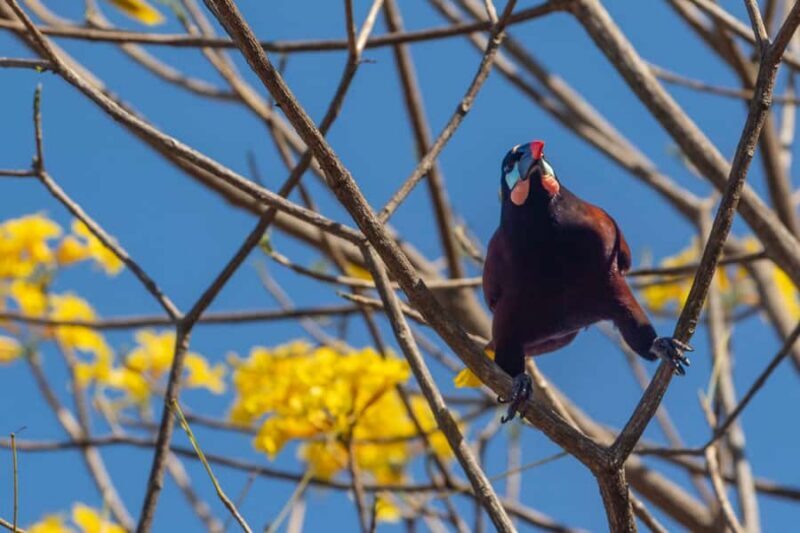
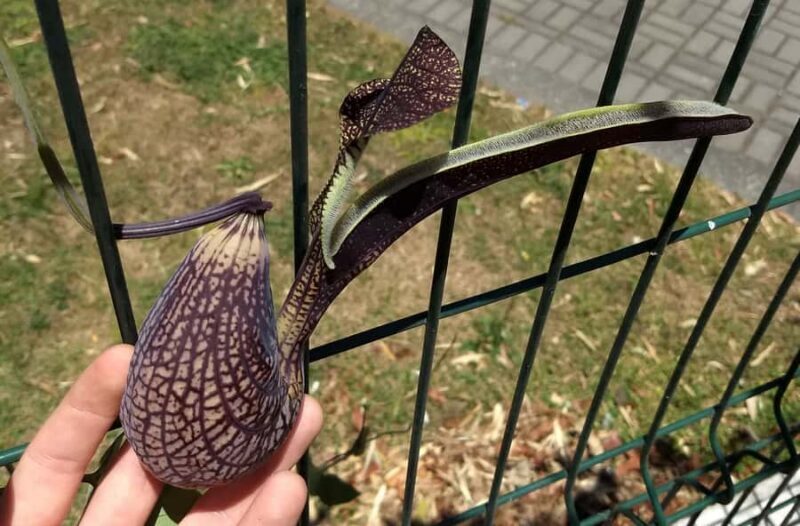
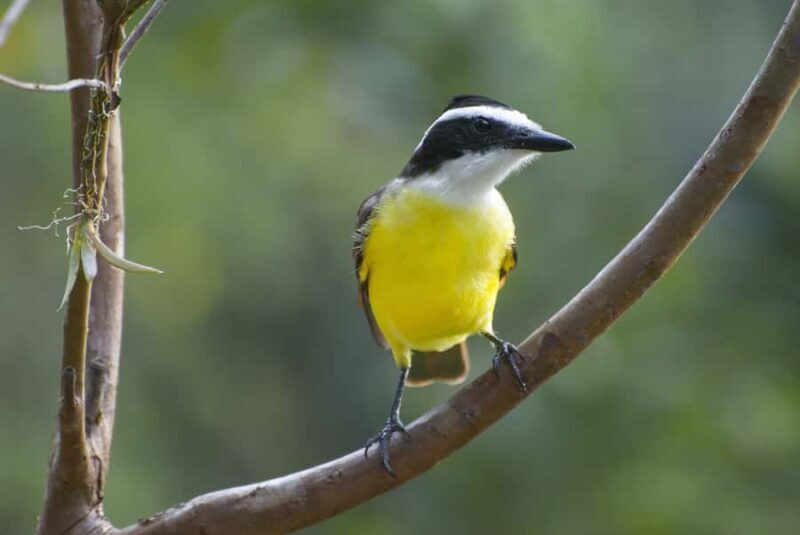
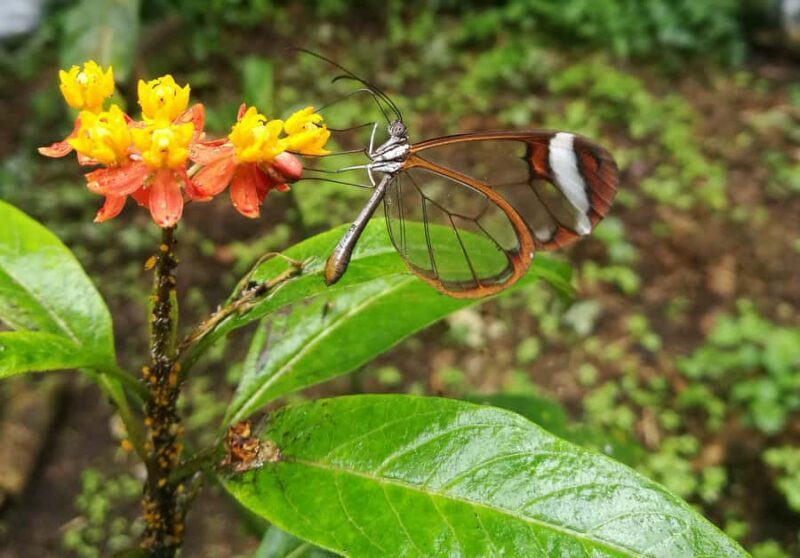
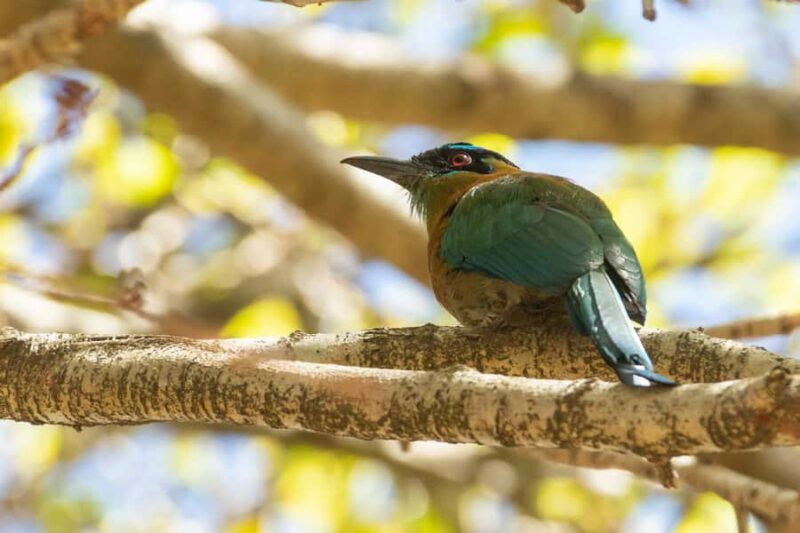
The walk begins by looking for resident and migratory birds, along with insects and flowering plants. This is where a guide’s trained eye makes the biggest difference. A small bird can be hard to pick out among leaves, and an insect may disappear into its surroundings unless someone knows where to look.
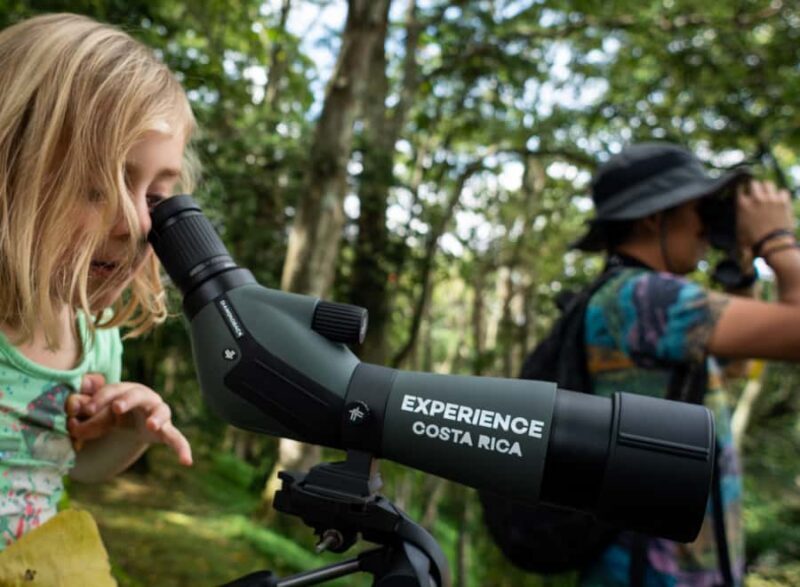
The telescope is included for bird and sloth watching. It helps bring distant animals into view, and some guides have used it to help participants take phone photos through the lens. That can be handy if you want a record, though I would treat a clear photo as a bonus rather than the main point. Watching an animal in its habitat is usually more rewarding than trying to frame it perfectly.
Expect the guide to pause often. One stop may turn into a closer look at a bird; another may become a short lesson about a plant or tree. You will likely see more if you are willing to slow down, listen and keep scanning, rather than expecting a steady march from one major sight to the next.
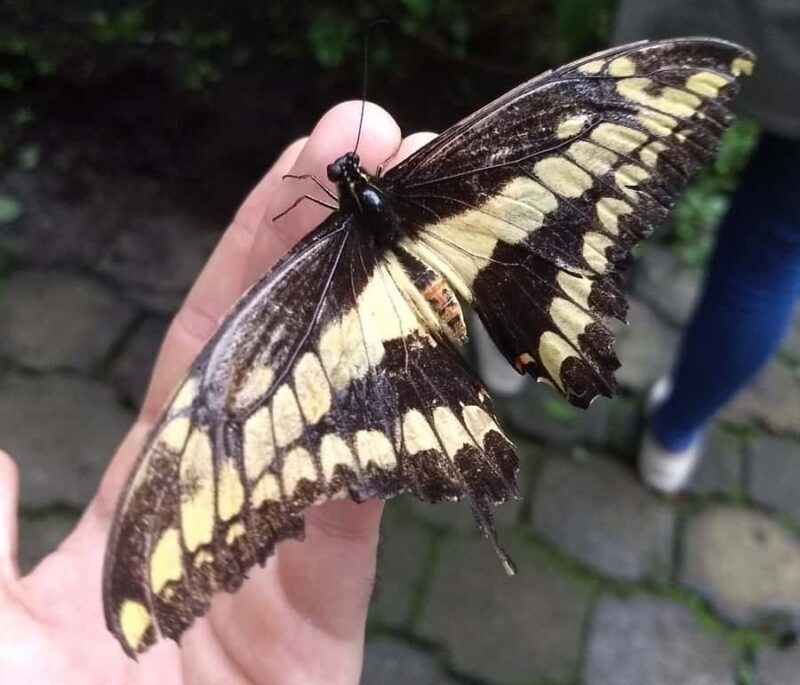
The insects and flowers matter, too. The tour is not simply a sloth hunt, and that is a strength. Learning to notice smaller species gives you a fuller picture of campus wildlife, especially if an animal is resting high overhead or stays out of view during your visit.
The main campus and the sloth search
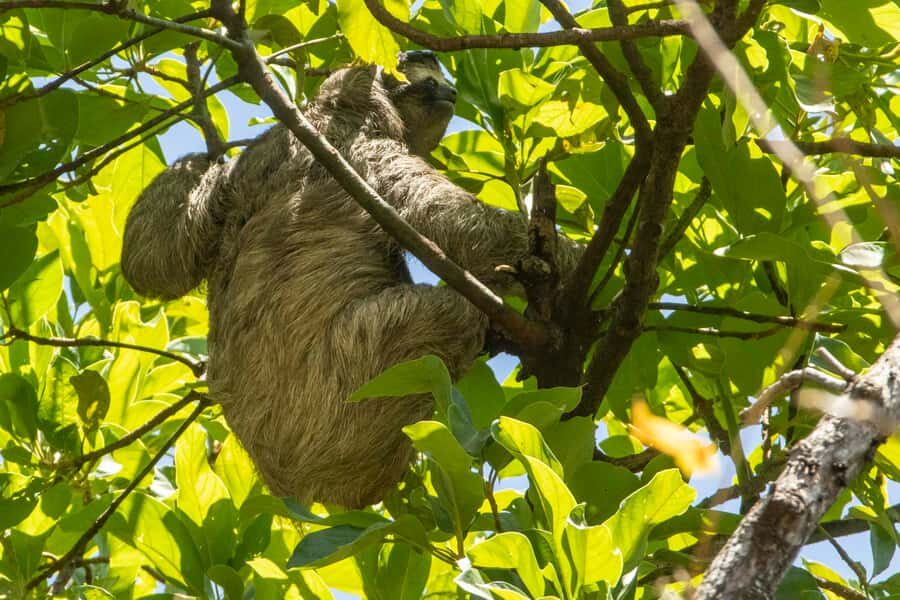
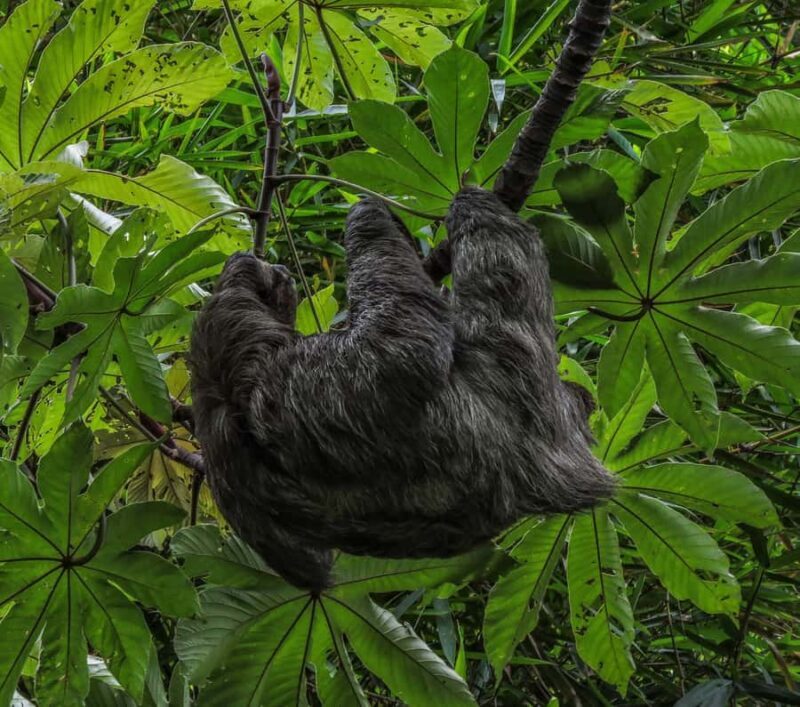
Later, the walk reaches the main campus, where the group searches for sloths climbing freely in the trees. Guides use the telescope to help locate them and bring them into view. People have seen both two-toed and three-toed sloths here, sometimes several on one outing, but no number is guaranteed.
That uncertainty is worth understanding before you book. The guide can know the campus and the likely places to check, yet cannot arrange for a sloth to move or appear on cue. Some animals may be sleeping high in the canopy; others may be easier to see. One particularly close sighting can happen when a sloth is moving lower down, but you should not count on that.
The pace around a sighting is one of the tour’s pleasures. You may spend time watching a single animal rather than rushing on after a quick glance. That patience also suits the small group size: with no more than 10 people, it is easier to gather around the telescope and take turns looking.
Keep your eyes open between sloth stops. Guides also point out birds and other wildlife along the way, and the trees themselves are part of the lesson. The best version of this walk is not just a checklist of animals. It is learning how to spot signs of life in a place that might otherwise look like an ordinary campus.
Guides who turn a walk into a lesson
The guides are young biologists, and their enthusiasm is central to the outing. Ismael, Luis, Monica and Meli are among the guides who have led walks, sharing information about local plants, animals and the university. Visitors have also described guides switching comfortably between English and Spanish, which can help a mixed-language group feel included.
What I value most in this format is the connection between field knowledge and plain explanations. A biologist can tell you what you are looking at, but a good guide also explains why it matters, or how to find it again. The walk is meant to support young scientists, researchers and local entrepreneurs, so the fee helps sustain a locally led approach to nature tourism.
The conversation can range beyond wildlife. The tour includes discussion of art, history, Indigenous culture and nature. Depending on the guide and what catches the group’s interest, topics can also touch on conservation and environmental efforts. The setting gives these subjects a natural home: you are not only hearing about Costa Rican nature in the abstract, you are seeing plants and animals in a city space.
More Great Tours NearbyTwo and a half hours on foot
The walk lasts 150 minutes. It is not described as strenuous, but it is still a 2.5-hour outing on foot, with some stretches exposed to strong sun. If standing and walking for that length of time would be difficult for you, take the physical demands seriously. The activity is not suitable for wheelchair users or people with mobility impairments.
Small groups help keep the walk personal, but they do not remove the need for comfortable footwear. Closed-toe shoes are required; open-toed shoes are not allowed. Bring water, sunscreen, insect repellent and rain gear, since snacks and water are not included.
During the rainy season, from May through November, expect the possibility of wet conditions and bring bug spray. The operator recommends a morning time during this period, though afternoons can also work. Rain does not automatically spoil the walk: wildlife can still be seen in wet weather, but you will be more comfortable if you arrive prepared.


Is $16 good value?
At $16 per person, the price is modest for a guided, 2.5-hour outing in San José. The fee includes a biologist-led walk and a telescope, and the small group limit gives the guide room to help people look closely. You are also paying for more than the chance of seeing a sloth: bird identification, plants, insects, campus context and cultural discussion all add substance.
The value is strongest if you are curious about nature and want an introduction to wildlife without leaving the city. If you only want a guaranteed close-up sloth photograph, the price may feel less certain, because sightings and viewing distance vary. The walk is better approached as a broader nature outing, with sloths as a memorable possibility rather than a timed attraction.
There is no snack or water service included, so factor in what you need to carry. The tour’s low cost does not mean you should arrive unprepared for sun, rain or insects. A small amount of planning makes a noticeable difference to comfort.
Who should book this campus walk?
This is a good fit if you are spending time in San José and want to see a side of the city beyond its streets and buildings. It also works well as an introduction to Costa Rican nature: a guide can help you start recognizing birds, plants and animals before you head to other parts of the country.
You do not need to be an expert birder. The tour’s approach is built around looking and asking questions, and the guides can point out details that are easy to overlook. Children may also enjoy the animal search, though the walk’s length, weather exposure and need to stay on foot are worth considering for your group.
It is less suitable if you need a step-free or wheelchair-accessible outing, or if you are uncomfortable walking for two and a half hours. It may also disappoint anyone expecting a zoo-like guarantee of close animal encounters. This is a real campus with free-ranging wildlife, and nature keeps its own schedule.
Should you book it?
Book this walk if you want an affordable, guided nature experience in San José and are happy to trade certainty for the chance to see wildlife where it lives. The strongest reasons to go are the guides’ biological background, the mix of sloths and smaller species, and the unusual setting of a university campus with forest patches inside the city.
Bring the right shoes, water and weather protection, and choose a morning slot during the rainy season if that suits your plans. Go ready to look carefully. If a sloth appears, it may become the highlight; if one stays hidden, you still have two and a half hours to learn how much life the campus holds.
San Jose: Walking Nature Tour with Sloths, Birds, and Trees
FAQ
How long is the walking tour?
The tour lasts 150 minutes, or two and a half hours. It is a walking tour, though it is not described as a heavy walk.
How much does the tour cost?
The listed price is $16 per person. The guided walk and telescope for bird and sloth watching are included.
Where is the meeting point?
Meet in front of Ondina Café & Restaurant. Your guide will be wearing a T-shirt marked Oropopo Experience and holding a telescope. The café is closed on weekends, but the guide will still be waiting outside.
What languages are available?
The live tour guide is available in English and Spanish.
What wildlife might I see?
The walk looks for sloths, resident and migratory birds, insects and flowers. Sightings vary because the animals are wild.
What should I bring?
Bring water, sunscreen, insect repellent, closed-toe shoes and rain gear. Snacks and water are not included.
Is the tour suitable during the rainy season?
Yes, but the rainy season runs from May to November, so bring bug spray and be prepared for wet conditions. A morning time is recommended during this season, though afternoons can also be good.
Is the walk suitable for wheelchair users?
No. The tour is not suitable for wheelchair users or people with mobility impairments.
You can check availability for your dates here: