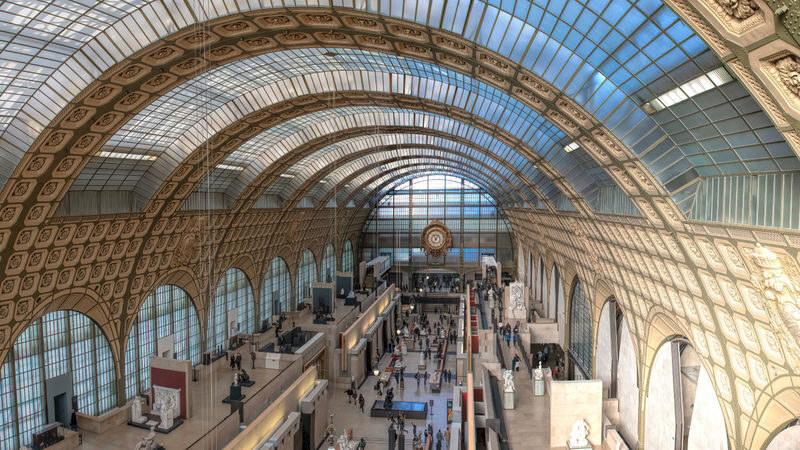
Musée d’Orsay is more than a place to tick off famous paintings. Its great glass-and-iron hall was built as a railway station, and the building’s scale and light make the art feel part of the architecture. Inside, you can see major works by Van Gogh, Monet, Renoir, Degas, Manet, and Cézanne.
Two things I especially like are the mix of famous paintings and sculpture, which gives the visit more variety than a gallery of canvases alone, and the station’s soaring roof, which is worth looking up from the art for. The top-floor restaurant adds a chance to pause over Paris rooftops and the Seine.
The main catch is the entry process: the Klook voucher alone is not enough according to the ticket instructions. You must also reserve a timed-entry voucher through the museum’s official ticketing page for the same date, then show both at the entrance. Don’t assume you can simply turn up with one QR code.
What to know before you book
- A former station makes a memorable setting: The Beaux-Arts building’s glass-and-iron roof is part of the appeal, not just a shelter for the collection.
- Expect a broad collection: The museum is especially known for Impressionist and post-Impressionist works, but you’ll also find sculpture and design.
- Set aside two to three hours: The collection is substantial, and you may want more time if you stop at the top-floor restaurant.
- Bring two entry vouchers: Reserve a timed slot on the official museum site after booking, and present both vouchers at the Parvis entrance.
- Check whether you qualify for free admission: Entry is free for children under 18, EU nationals aged 19 to 25 with valid photo ID, and everyone on the first Sunday of each month.
- Thursday offers a later visit: The museum stays open until 9:45 p.m., with last admission at 9 p.m.

👉 See our pick of the 25 Best Shopping Tours In Paris
- What to know before you book
- A railway station that sets the mood
- Finding the Impressionists and the works you came for
- Sculpture and design beyond the paintings
- How to plan two or three hours
- The restaurant and views from above
- What the ticket price gets you
- Getting to the Parvis entrance
- Who should book this visit
- FAQ
- How long should I plan for Musée d’Orsay?
- What does the self-guided ticket include?
- Do I need a timed-entry voucher as well as my Klook voucher?
- Where is the correct entrance?
- What are the museum’s regular opening hours?
- Is Musée d’Orsay open late on Thursdays?
- When is the museum closed?
- Who can enter free?
- How can I get to the museum by public transport?
- The Best Of Paris!
- More Tickets in Paris
- More Tours in Paris
- More Tour Reviews in Paris
- Not for you? Here's more nearby things to do in Paris we have reviewed
A railway station that sets the mood
 1 / 8
 2 / 8
 3 / 8
 4 / 8
 5 / 8
 6 / 8
 7 / 8
 8 / 8
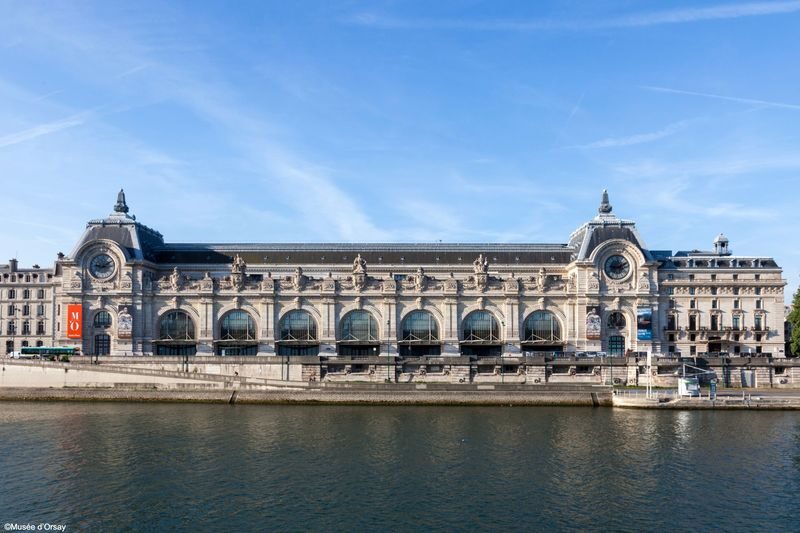
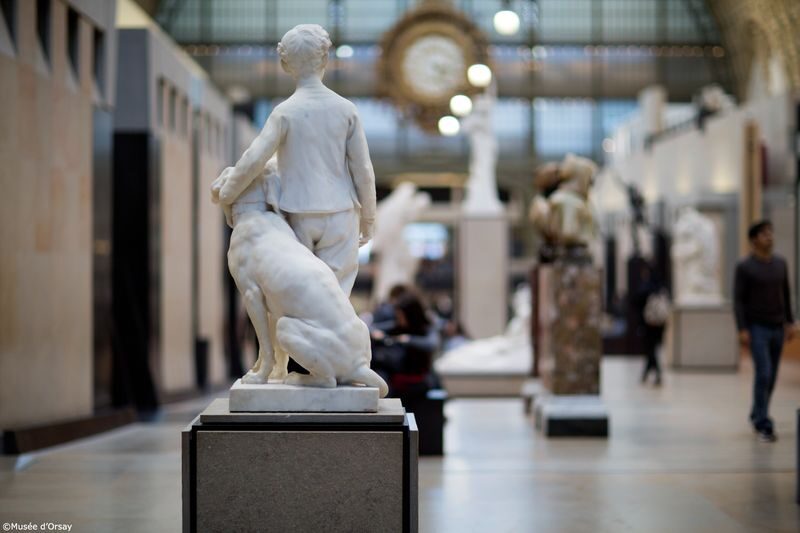
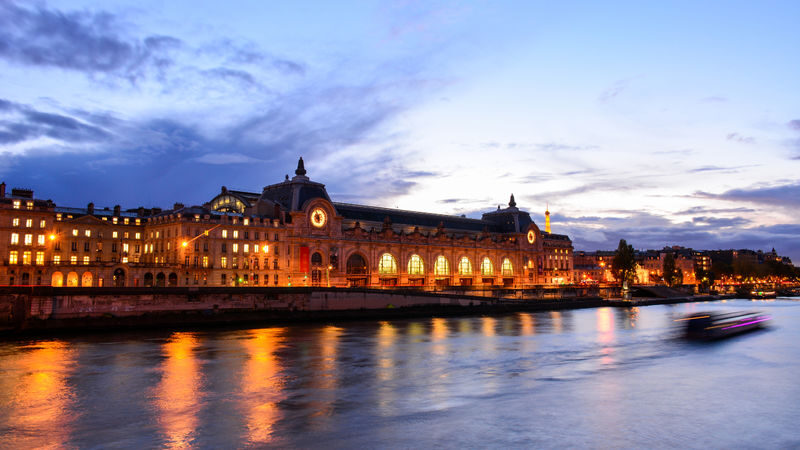
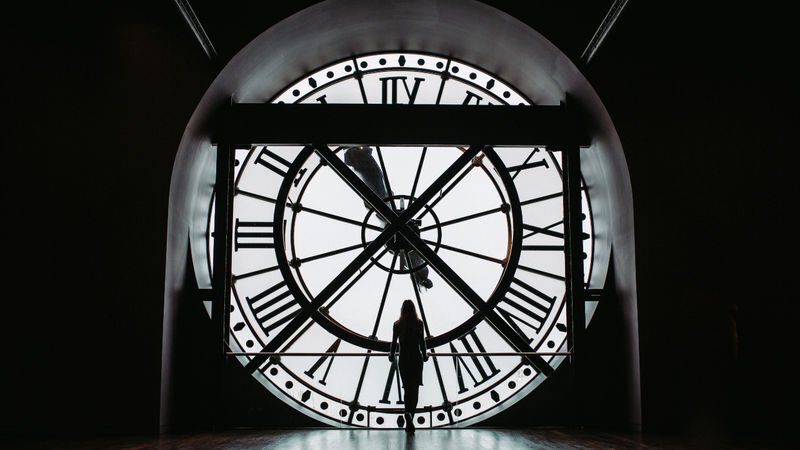
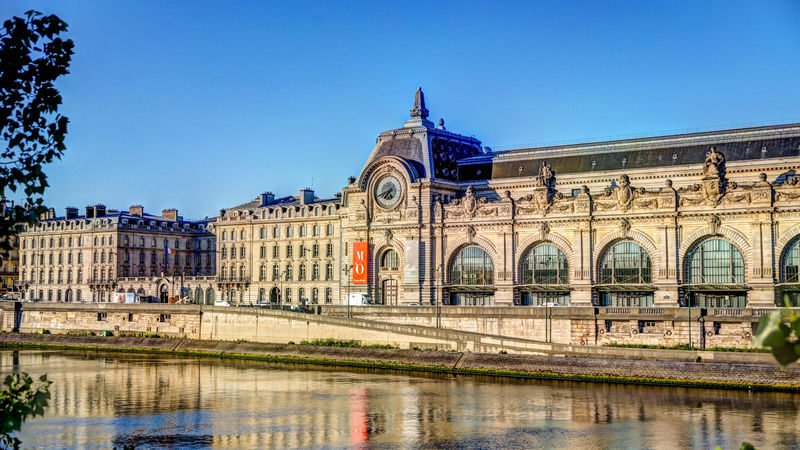
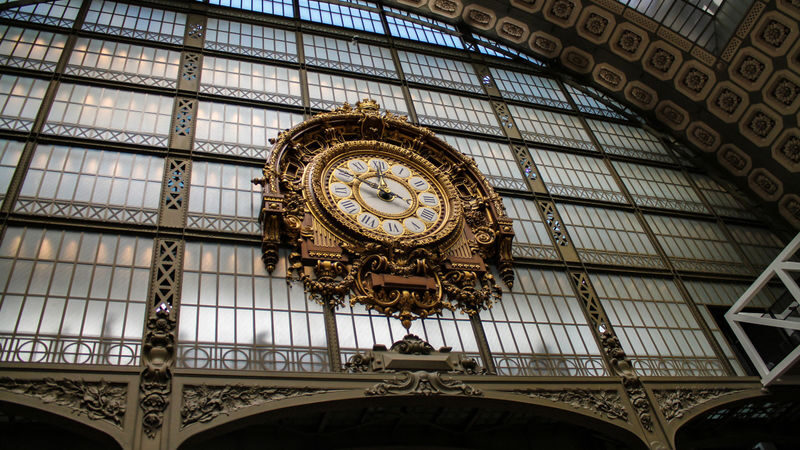
Musée d’Orsay occupies a restored Beaux-Arts railway station on the Seine’s Left Bank. The huge central hall, with its glass-and-iron roof, gives the building a light-filled, open feel that is very different from a conventional museum. Even before you focus on a painting, the station itself tells you that this visit is about more than artworks on walls.
I like that the architecture helps you get your bearings. The main hall is dramatic, while the galleries lead you into a closer look at paintings, sculpture, and decorative arts. The scale is generous, but the museum is still manageable in a few hours, unlike a day-swallowing visit to the Louvre.
That difference matters if you are choosing between Paris museums. Orsay concentrates on art from the 19th and early 20th centuries, so you can follow a more focused stretch of art history. If you want ancient works or a much broader sweep, Orsay is not a substitute for the Louvre. It is a strong companion to it.
You can also read our reviews of more tours and experiences in Paris



Finding the Impressionists and the works you came for
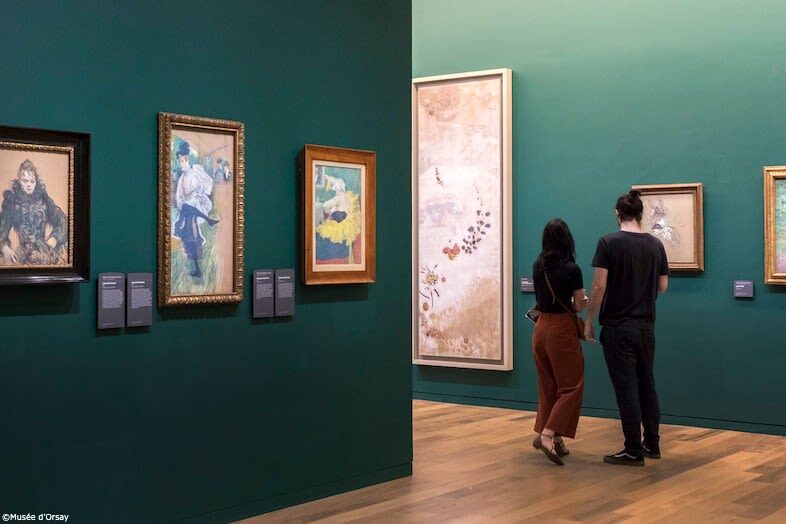
The collection is the main reason many people make time for Orsay. You’ll find paintings by Van Gogh, Monet, Renoir, Cézanne, Degas, and Manet, among other major artists. The appeal is not just recognizing names. Seeing important works together helps you notice how artists changed subjects, technique, and mood in a period when painting was moving in new directions.
Van Gogh’s Starry Night Over the Rhône is one of the featured works to look for. Renoir’s Bal du Moulin de la Galette offers a very different kind of scene, full of people and movement. Manet’s Olympia is another notable work in the collection. Check the museum’s current display information before your visit, since individual works can occasionally be unavailable.
This is a self-guided ticket, so you set the pace and choose what deserves your attention. The ticket includes the permanent collections and temporary exhibitions, but an audio guide is not included. If you like context as much as looking, consider the separately offered English-guided tour. It is a different package from the self-guided admission described here.
You might be perfectly happy wandering from gallery to gallery, especially if you already know the artists you want to see. If you’re new to Impressionism, a map and a short list of priorities can help you avoid spending all your time in the first rooms. The museum is large enough to reward an unhurried visit, but you do not need to see every object to get a satisfying sense of it.
Sculpture and design beyond the paintings
It would be a mistake to treat Orsay as a paintings-only stop. Sculpture and design works add variety, and the former station setting makes these other forms feel at home. Pause to look around the larger spaces as well as the walls. The building’s interior and its objects are part of the same experience.
This mix can be especially useful if you’re visiting with someone who is less keen on Impressionist painting. The different kinds of art give you more ways into the collection, and the architectural setting offers a change of focus when your eyes need a break from canvases.
The trade-off is that the museum’s highlights can draw a crowd. The building is spacious, but the most famous works may still attract clusters of people. If one painting is difficult to see, move on and return later rather than waiting in one spot. The collection is broad enough that you can keep moving.
How to plan two or three hours
Two to three hours is a sensible starting point for a first visit. That gives you time to see key galleries, appreciate the station hall, and pause for a meal or a rest if you wish. If you are an art enthusiast or want to take in a temporary exhibition, allow more time when your schedule permits.
A practical approach is to decide on a few must-see works before you arrive, then leave room for discoveries. Start by taking in the architecture and checking a museum map. From there, make your way toward the artists and galleries that matter most to you. A map is particularly useful if you want to spend a long stretch on the upper floor, where the collection can easily hold your attention.
Do not make the mistake of arriving close to closing time and expecting a full visit. On regular opening days, the museum opens at 9:30 a.m. and closes at 6 p.m. The last museum admission is at 5 p.m., exhibition admission ends at 5:15 p.m., and galleries close at 5:30 p.m. Thursday is the late-opening day, running until 9:45 p.m., with last admission at 9 p.m. and galleries closing at 9:15 p.m.
The museum is closed on Mondays, May 1, and December 25. Hours and closure dates can change, so check the current schedule before you set out. A strike or other disruption can also affect opening plans, as it can at major Paris institutions.
The restaurant and views from above
The top-floor restaurant gives you a reason to build in a pause instead of racing through the galleries. From there, you can look over Paris rooftops and the Seine. It is a pleasant way to connect the museum visit with the city outside, especially if you have spent several hours concentrating on art.
Treat the restaurant as an option rather than a guaranteed part of the ticket. The admission covers the permanent collection and temporary exhibitions, not a meal. If you are short on time, prioritize the galleries; if you have a more relaxed schedule, a break upstairs can make the visit feel less like a checklist.
You can also read our reviews of more museum experiences in Paris





What the ticket price gets you
The self-guided ticket starts at $16, though the final price can vary. For that, you get admission to the permanent collection and temporary exhibitions. The value is strongest if you plan to spend a few hours with the art and take advantage of the building as part of the visit, rather than popping in for a quick look.
The ticket does not include an audio guide. That matters if you want a structured explanation but do not plan to book the separate English-guided option. You can still make a worthwhile visit on your own, but a little advance reading or a museum map will help you connect the works to the period and to one another.
Before paying, check whether you qualify for free admission. Children under 18 enter free, as do European Union nationals aged 19 to 25 who present valid photo ID. The museum is free for everyone on the first Sunday of each month. Temporary exhibition entry is subject to availability, and busy days can bring a line.
Getting to the Parvis entrance
The museum is at Esplanade Valéry Giscard d’Estaing, 75007 Paris. The metro stop is Solférino on Line 12, and the RER C stop is Musée d’Orsay. The correct entrance for this ticket is the Parvis, on the museum forecourt.
Plan the ticket steps carefully. After booking, go to the official Musée d’Orsay ticketing page and select the same date as your Klook participation date. Choose an available time slot and keep that timed-entry voucher alongside your Klook voucher. Arrive 15 minutes before the selected slot and present both vouchers at the entrance.
Some visitors have found entry straightforward with a phone barcode, but the written instructions require the additional timed-entry voucher. Follow those instructions rather than relying on reports of a different process. This is especially important because the ticket is valid only for the date, and time if applicable, selected for your booking.
The activity is listed as wheelchair- and stroller-accessible. Cloakroom storage is reduced during renovations, so travel light if you can. A packed bag can slow down a museum visit, and limited storage may make it harder to leave bulky items behind.
Who should book this visit
Orsay is a natural choice if you want to see major Impressionist and post-Impressionist works in a setting that is itself worth visiting. It also suits anyone who prefers a focused museum visit to the Louvre’s enormous scope. Families can make it work, particularly with a short list of works and a planned break, though the self-guided ticket does not provide a guide or audio guide.
If you want an expert to explain the art as you go, choose the separate English-guided tour package rather than assuming it comes with this ticket. There is also a Thursday late-entry ticket, valid from 6 p.m. on Thursdays. Check the terms of your chosen package before booking, since package details and entry arrangements differ.
Book this ticket if Orsay’s collection is high on your Paris list and you’re comfortable exploring at your own pace. It offers good value for a two-to-three-hour visit, especially when you want the freedom to linger over paintings, sculpture, and the station architecture. Just make sure you secure the required timed-entry voucher and arrive with both documents ready.
Orsay Museum Ticket
“Great! Open date vouchers are useful so not restricted to a date & time”
FAQ
How long should I plan for Musée d’Orsay?
Plan for about two to three hours. You may want longer if you intend to see the temporary exhibitions or stop at the top-floor restaurant.
What does the self-guided ticket include?
It includes admission to the permanent collections and temporary exhibitions. An audio guide is not included.
Do I need a timed-entry voucher as well as my Klook voucher?
Yes. After booking, reserve an available time slot on the official Musée d’Orsay ticketing page for the same date. Present both vouchers at the entrance.
Where is the correct entrance?
Use the Parvis entrance on the museum’s forecourt. The address is Esplanade Valéry Giscard d’Estaing, 75007 Paris.
What are the museum’s regular opening hours?
The museum is open Tuesday, Wednesday, Friday, Saturday, and Sunday from 9:30 a.m. to 6 p.m. Last museum admission is at 5 p.m.
Is Musée d’Orsay open late on Thursdays?
Yes. On Thursdays, it is open until 9:45 p.m. Last admission is at 9 p.m., and the galleries close at 9:15 p.m.
When is the museum closed?
It is closed every Monday, May 1, and December 25. Opening hours and closure dates can change, so check before your visit.
Who can enter free?
Admission is free for children under 18 and European Union nationals aged 19 to 25 who show valid photo ID. The museum is also free for everyone on the first Sunday of each month.
How can I get to the museum by public transport?
Take metro Line 12 to Solférino or RER Line C to Musée d’Orsay station.