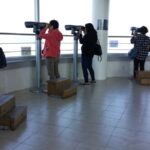
The draw here is a rare view toward Gaeseong and North Korean military installations from Aegibong Peak Observatory, across a border that remains part of daily life on the Korean peninsula. You also travel through the Iron Fence Zone and visit points along the disputed maritime boundary, with a guide to explain the history behind what you’re seeing.
I like two things in particular: the observatory puts the border in view rather than leaving it as an abstract line on a map, and the day combines that perspective with smaller stops such as Yeonmijeong Pavilion, where the Han and Imjingang Rivers meet. Past guides named Yun and Kelly have been praised for clear, detailed explanations, though your guide may differ.
The main caveat is that views depend on weather, and this is a long day with an early pickup. The tour also includes an amethyst or ginseng shopping stop. One past visitor described an additional, unwelcome shop visit on the return to Seoul, so it is sensible to ask what shopping stops are planned before you book.
- The points that make this tour different
- What the Northern Limit Line tour actually offers
- Aegibong Peak: the key viewpoint
- Yeonmijeong Pavilion and the river meeting point
- The afternoon: harbour, Marine Park, and optional detours
- How the guide shapes the day
- The early start, long drive, and pickup details
- Does the price make sense?
- Who should book this tour?
- FAQ
- Where does the tour pick me up?
- Do I need to bring my passport?
- What can I see from Aegibong Peak Observatory?
- Is the tour available in English?
- Is lunch included?
- What is included in the price?
- What is the difference between the Standard and Special tours?
- How many people are needed for the tour to run?
- Can I cancel for a full refund?
- The Best Of Gangwon!
- More Tours in Gangwon
- More Tour Reviews in Gangwon
- Not for you? Here's more nearby things to do in Gangwon we have reviewed
The points that make this tour different
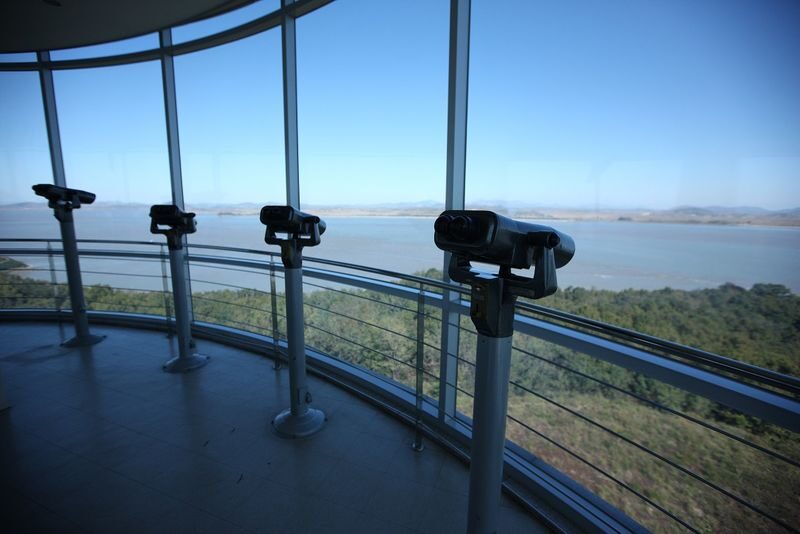
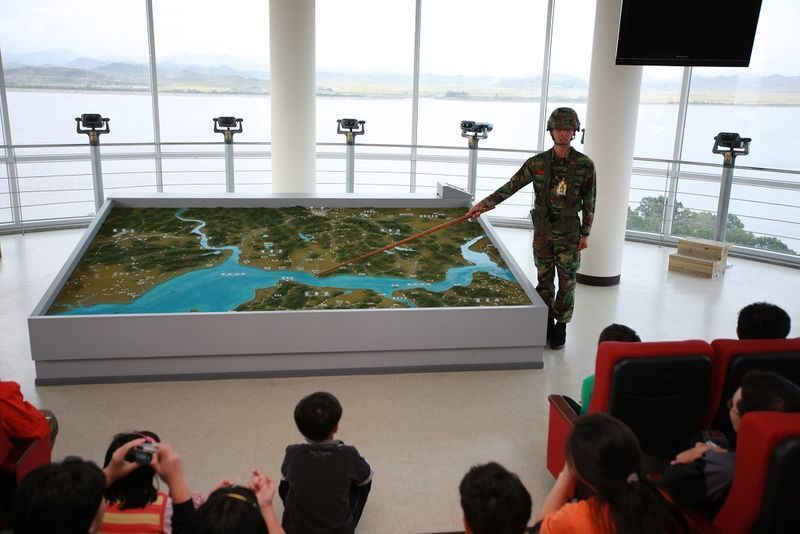
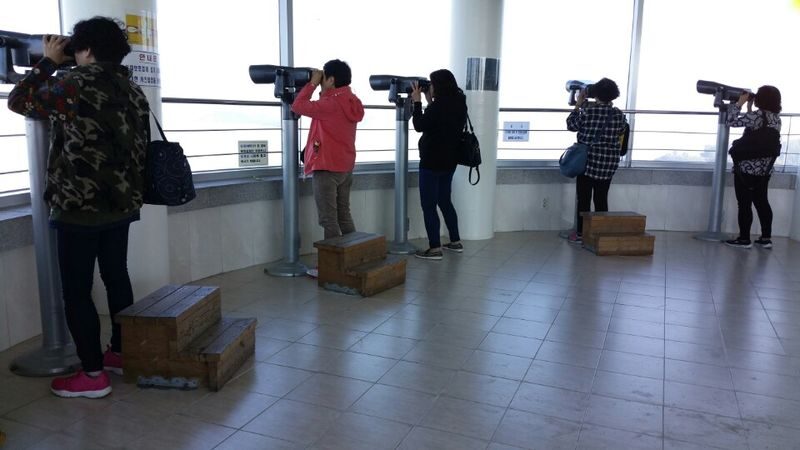
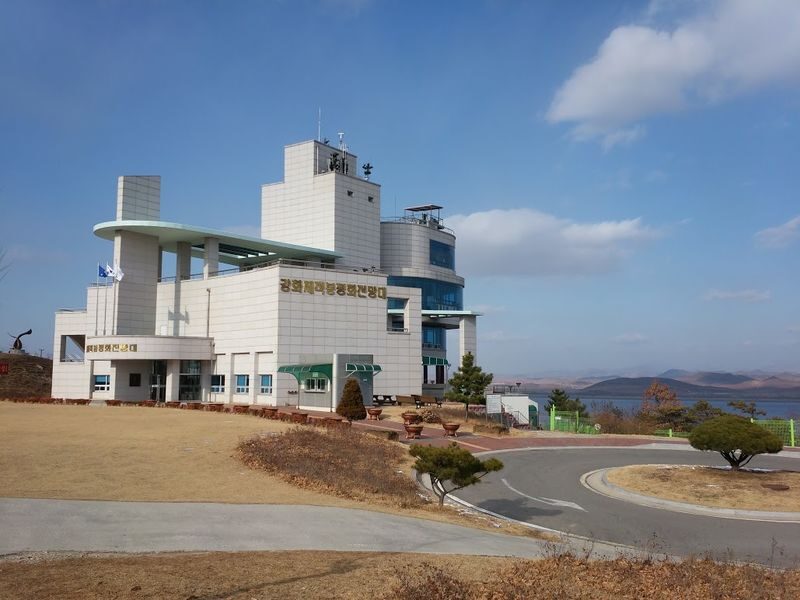
- Aegibong Peak Observatory: Look across the border toward Gaeseong, military installations, and a North Korean model village built for propaganda.
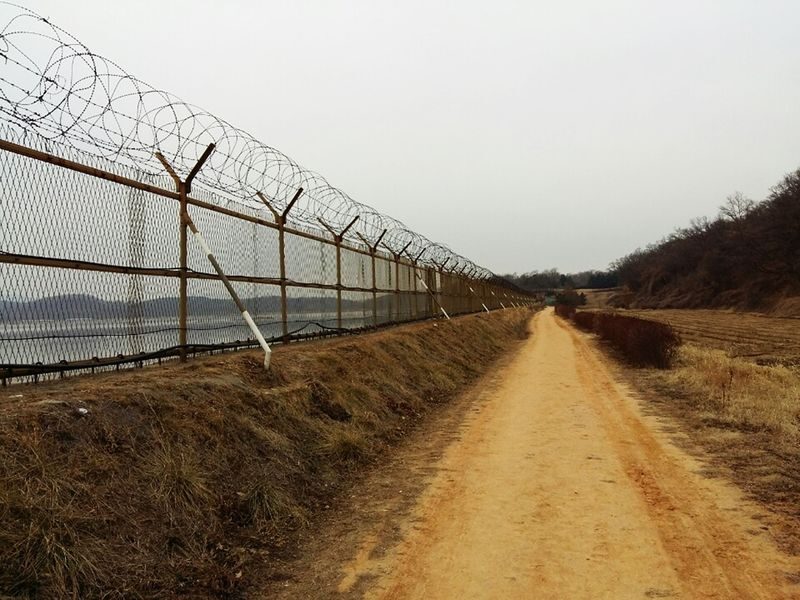
- A disputed boundary, not a standard DMZ itinerary: The focus is the Northern Limit Line and nearby border areas, including the Iron Fence Zone.
- A full day with several stops: The schedule runs from morning hotel pickup to an estimated 5 pm return, traffic permitting.
- A guide-led history lesson: English- and Chinese-speaking guides are listed, with past guides Yun and Kelly singled out for their explanations.
- Standard and Special options: The Special tour has sometimes operated as a private group and included off-route stops such as Deokpojin Fort and Nurigil Road.
- Shopping is part of the day: Expect a visit to an amethyst factory or ginseng center, and clarify whether any other shopping stop is planned.

👉 See our pick of the 3 Best Tours In Gangwon
What the Northern Limit Line tour actually offers
This is a guided excursion to non-restricted areas near the Northern Limit Line, the disputed maritime boundary between North and South Korea. It is not a tour into North Korea, and the border views are not guaranteed to be clear. Your best chance to see across the river comes from the Aegibong Peak Observatory, where you may spot Gaeseong and military installations.
The day’s value lies partly in the contrast between what you can see and what you cannot. From an observation point, a village or military feature across the border can appear close, while the political division behind it is anything but simple. The guide’s explanations matter here: without context, you may spend more time trying to identify distant buildings than understanding why this stretch of border matters.
The tour also passes the Iron Fence Zone, where markings of the armistice line help make the division tangible. The schedule says the vehicle drives by this area, so don’t expect a dedicated stop or a chance to walk along the fence.
You can also read our reviews of more tours and experiences in Gangwon.


Aegibong Peak: the key viewpoint
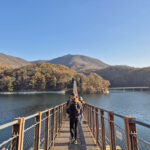
The Aegibong Peak Observatory is the day’s main event. From here, the tour description says you can see Gaeseong city, military installations along the DMZ, and a North Korean model village designed as a propaganda display. That mix makes the stop more than a scenic overlook: it gives you a chance to consider how borders are presented to people on both sides.
Bring realistic expectations about visibility. Weather can block the view, as one visitor found on a day with poor conditions. The guide can still explain the geography and history, but a gray sky may turn the most anticipated part of the trip into a lesson rather than a clear look across the border.
On Mondays, the itinerary lists the Peace Observatory instead of Aegibong Peak Observatory. If a particular viewpoint is important to you, confirm which observatory is operating on your date.
Yeonmijeong Pavilion and the river meeting point
Yeonmijeong Pavilion is another notable stop, set by the meeting of the Han and Imjingang Rivers as they flow toward the sea. It offers a different kind of border perspective from the observatory. Instead of focusing only on the view across the line, you can take in the waterways and the geography that shapes this frontier area.
The tour description places lunch at Yeonmijeong, while the timed schedule lists lunch at noon, then Daemyeong Harbour at 1 pm and Marine Park at 1:30. Because the timings do not spell out every stop in the same way, ask the operator to confirm the exact route for your day. Treat the pavilion as a planned point of interest, but don’t assume you’ll have a long, unhurried visit.
Lunch is included, which makes the full-day format easier to manage. The meal details are not specified, so don’t book on the assumption of a particular menu or dietary option.
The afternoon: harbour, Marine Park, and optional detours
After lunch, the standard schedule calls at Daemyeong Harbour and Marine Park. These stops broaden the day beyond the observatory and border fence, though the supplied details do not describe specific activities or how long you spend at either place. Think of them as short visits along the route, rather than expecting an extended harbour or park excursion.
The Special tour may offer a more customized day. A group of five reported having a private tour that included Deokpojin Fort and Nurigil Road, described as scenic and off the standard track. That sounds appealing if you want more than the core route, but those extra stops should not be treated as guaranteed inclusions. Confirm the Special tour’s planned route and whether it will be private before paying extra.
The standard day includes a stop at either an amethyst factory or a ginseng center. This can be a practical souvenir opportunity, but it is also a commercial visit, not a border-history site. One past visitor also described being taken to a family shop in Seoul on the return and feeling pressured by the setup. That account does not establish that this happens on every tour, but it is a fair reason to ask the operator whether any additional shopping stops are planned.
How the guide shapes the day
A good guide can turn distant views and military sites into a coherent story. The tour includes an English- or Chinese-speaking guide, and the available details point to guides who have explained military history and local context along the way. Past guides Yun and Kelly were mentioned by name, while another visitor referred to a guide as Wizard. These are examples from earlier departures, not promises about who will lead your tour.
The strongest praise has focused on patient, detailed explanations. That matters on a route where the scenery may be subtle and the political background is central to the experience. If you have questions about the Korean War or recent events, this is the time to ask them; the tour is designed to provide that context, not just transport you between viewpoints.
Group size is not clearly fixed for the Standard option. The minimum is three participants, and some past groups found themselves on private tours, including parties of five and seven. That can make the day more comfortable and allow for a more personal conversation, but it is not safe to assume you’ll have a private vehicle unless the operator confirms it.


The early start, long drive, and pickup details
Standard pickup is scheduled between 7 and 8 am, with return around 5 pm depending on traffic. The Special tour has a listed 9 am pickup. Hotel pickup and drop-off, shuttle transport, admissions, lunch, and the guide are included, so you don’t have to arrange separate transport to the border-area stops.
There is an important location detail to settle before booking. The tour information names Gangwon and says it departs from Ulsan, but it also specifies hotel pickup and drop-off in Seoul. Those details do not clearly fit together. Enter your hotel address at checkout, then confirm directly with the operator that your hotel is within the pickup area and that the stated departure point applies to your booking.
You must bring your passport to enter the non-restricted area. The operator is meant to reconfirm your pickup time in advance, and the tour requires at least three participants. Build flexibility into your evening plans because the return time depends on traffic.
Does the price make sense?
The supplied prices are not fully consistent. The summary gives a starting price of US$152.85, while the package options list the Standard tour from US$132.95 and the Special tour from US$134.95. Treat these as indicative figures, check the final price and inclusions for your date, and compare the two options before paying.
Value depends on what you want from the day. If you’re interested in Korea’s military history and want a guide to interpret a border area that is difficult to visit independently, the included transport, guide, lunch, and admission fees make the package convenient. The Special option may be worth considering if it offers private transport or additional stops for your group, but confirm exactly what is included rather than relying on the name.
If your main goal is a guaranteed view of North Korea, this tour cannot promise that. Weather can obscure the view, and much of the day involves driving and moving between sites. You’re paying for the full guided route and historical context, not just a single clear look across the border.
Who should book this tour?
I’d consider this tour if you want a full-day introduction to the Northern Limit Line, appreciate military and political history, and are comfortable with an early start and several hours on the road. It can suit families too, though the long schedule and shopping stop are worth discussing beforehand. The tour charges the same fee for adults and children, according to the supplied details.
Choose the Special option only after confirming its route, group arrangement, and price. If you prefer a focused observatory visit or want to avoid commercial stops, ask whether the operator can explain the day’s exact sequence before booking.
I would pass if you need a guaranteed clear view, want a short outing, or are uncomfortable with the possibility of shopping stops. For the right history-minded visitor, though, the combination of border views, local geography, and an English-speaking guide can make this a useful way to understand a complicated edge of the peninsula.
Northern Limit Line Disputed Border Day Tour
“We opted for the special NLL tour for a group of 5 because we wanted to see more. We were pleasantly surprised that it was a private tour for our g…”
FAQ
Where does the tour pick me up?
Hotel pickup is listed, with the Standard tour pickup window between 7 and 8 am and the Special tour at 9 am. The information also names Ulsan and Seoul in different places, so confirm your hotel’s eligibility and pickup location with the operator.
Do I need to bring my passport?
Yes. The tour information says to bring your passport for entry to the non-restricted area.
What can I see from Aegibong Peak Observatory?
The tour says you may see Gaeseong city, military installations along the DMZ, and a North Korean model village built for propaganda purposes. Visibility depends on weather.
Is the tour available in English?
Yes. An English- or Chinese-speaking guide is included.
Is lunch included?
Yes, lunch is included. The meal type is not specified.
What is included in the price?
The listed inclusions are a guide, lunch, shuttle pickup and drop-off, and admission fees. Other personal expenses are not included.
What is the difference between the Standard and Special tours?
The supplied details list different pickup times and prices. A past Special tour included private transport and additional stops such as Deokpojin Fort and Nurigil Road, but you should confirm the route and group arrangement for your departure.
How many people are needed for the tour to run?
The minimum participant count is three. The information does not state a maximum group size.
Can I cancel for a full refund?
A full refund is available if you cancel at least 72 hours before the activity date, using destination local time.